BAKU, Azerbaijan, January 5. Vice-President of
the Heydar Aliyev Foundation Leyla Aliyeva visited the National
Museum of Oman and the Muttrah Souq in Muscat, the capital of the
Sultanate of Oman, Trend reports.
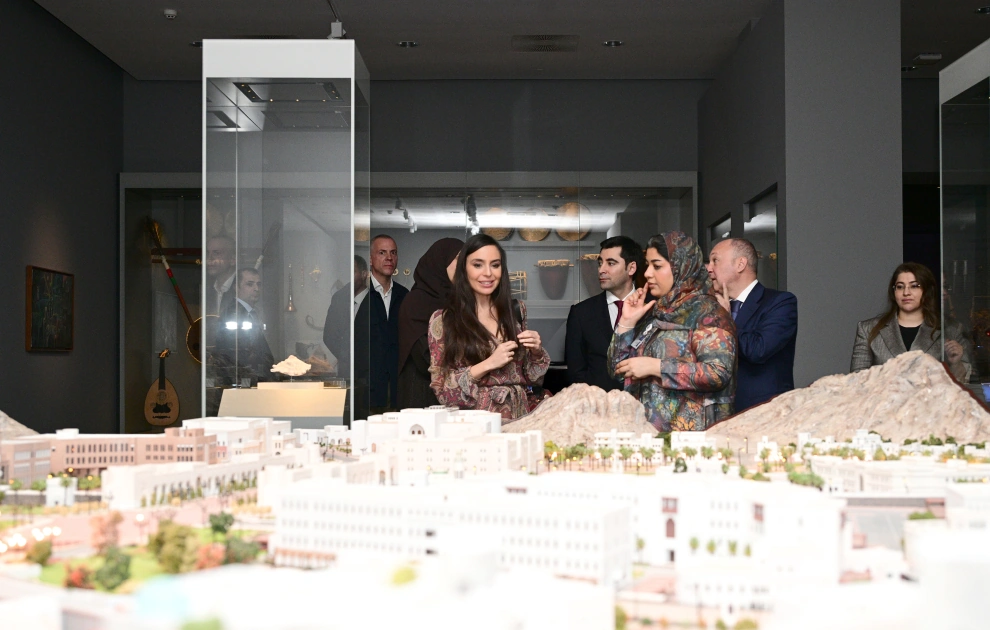
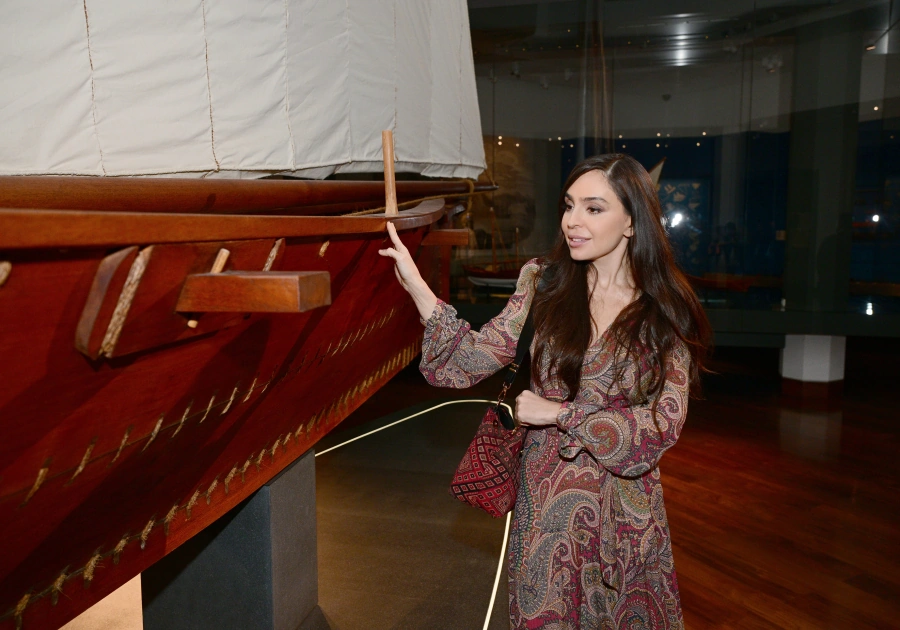
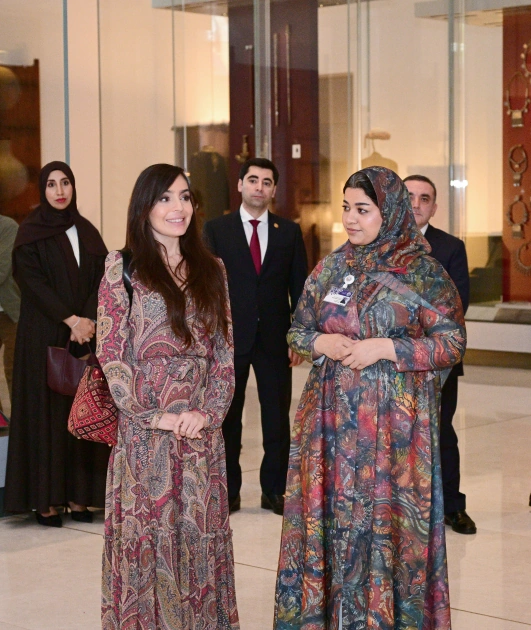
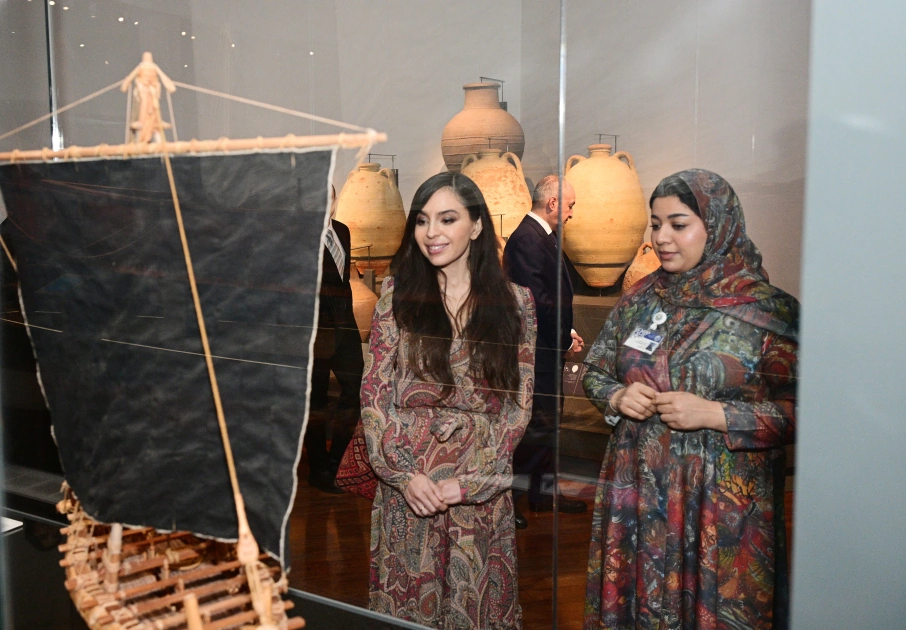
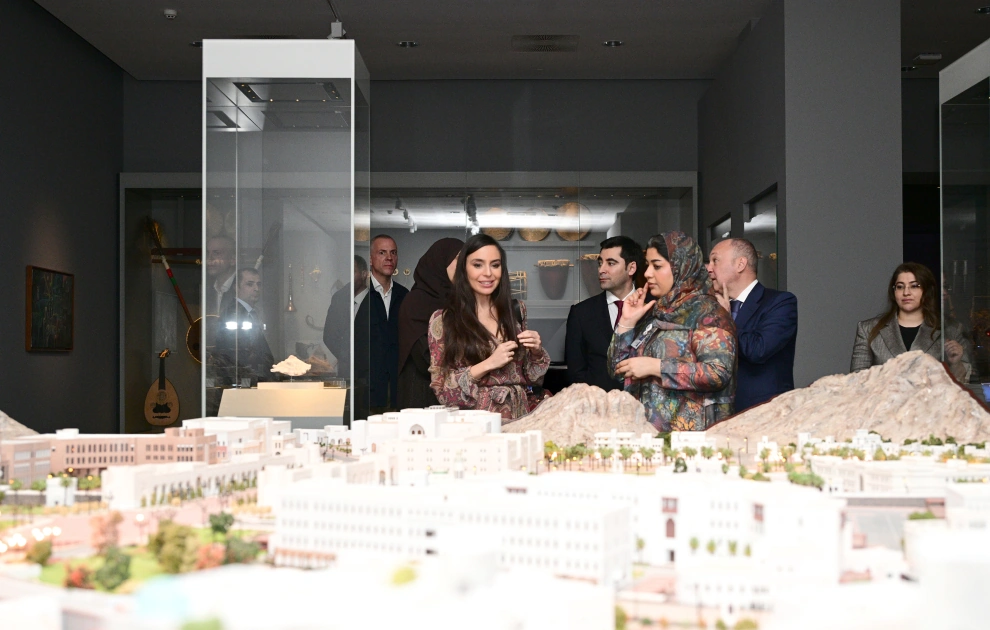
Leyla Aliyeva first visited the National Museum of Oman, where
she explored various exhibits on display, and received detailed
information about their history.
The National Museum of Oman is the Sultanate's flagship
institution reflecting the historical and cultural heritage of
Oman. The museum, which opened in 2016, showcasing Oman's history
from prehistoric times to the present across 14 galleries covering
maritime history, arms and armour, Islamic culture, and
ethnography, featuring diverse artefacts and temporary exhibits in
a modern facility designed for broad cultural understanding and
accessibility.
The Museum houses more than 7,000 artefacts and offers digital
immersive experiences, state-of-the-art conservation facilities, a
UHD cinema, and discovery areas for children. It features an
integrated infrastructure for special needs and is the first museum
in the Middle East to adopt Arabic Braille script for the visually
impaired.
The National Museum of Oman as a key educational hub blending
Omani tradition and modern design, showcasing the nation's heritage
from prehistory to the present, and serving locals and tourists
with inclusive, interactive exhibits that promote cultural pride
and understanding.
After visiting the museum, Leyla Aliyeva was presented with a
gift and posed for commemorative photos.
X X X
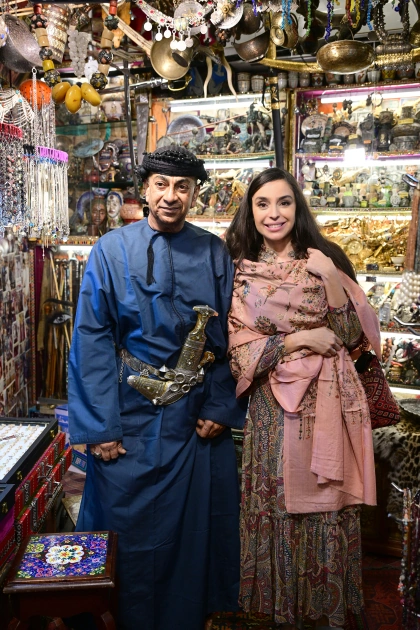
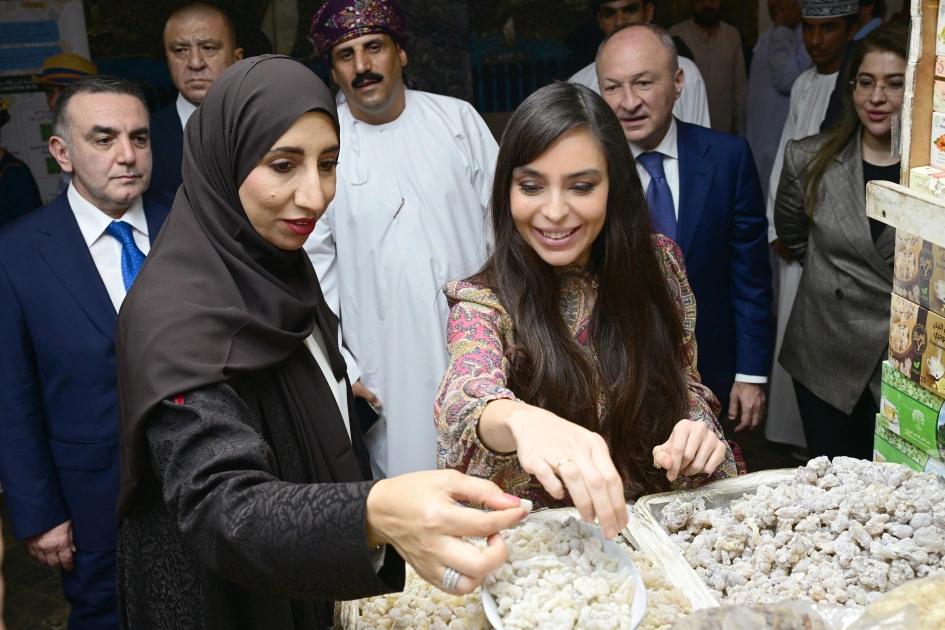
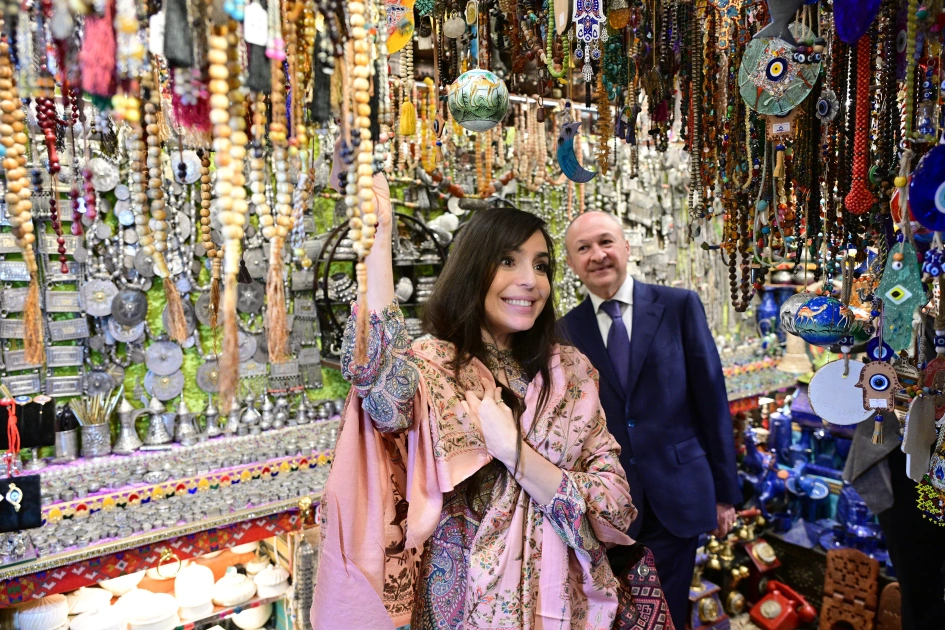
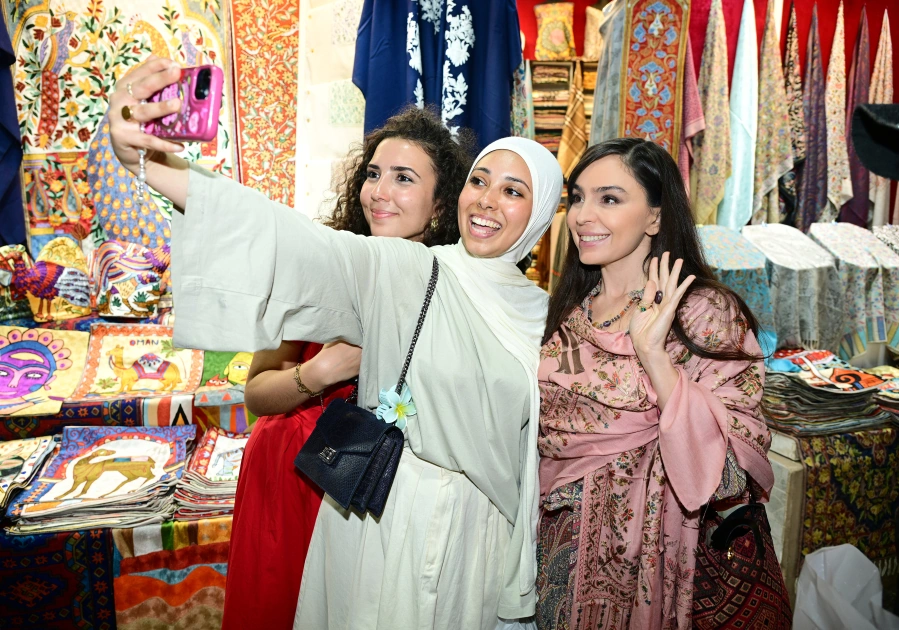
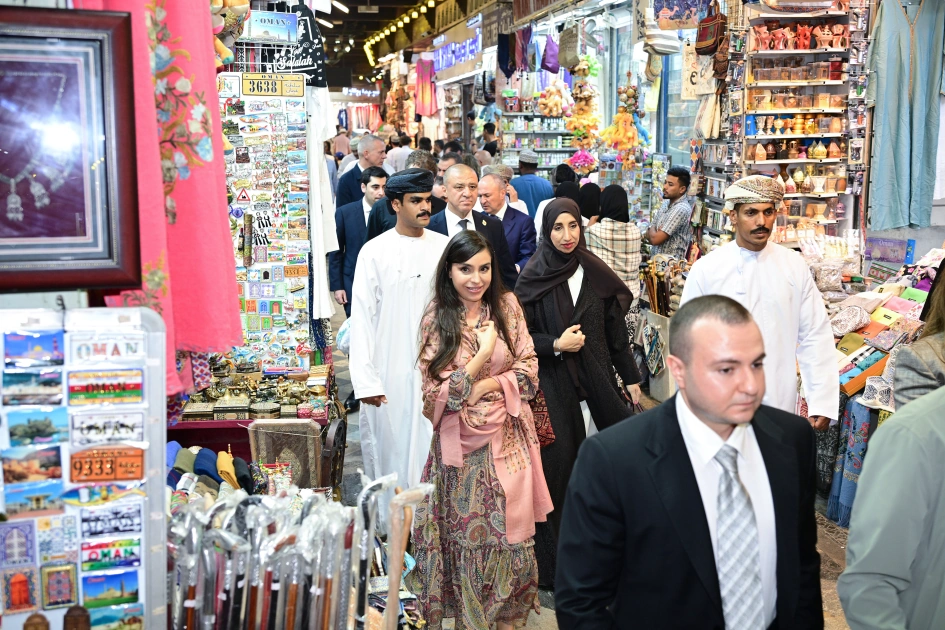
Vice-President of the Heydar Aliyev Foundation Leyla Aliyeva
then toured the Muttrah Souq, a traditional market, where she
engaged with sellers and viewed local goods.
The Muttrah Souq is one of the oldest and most famous markets in
the Arab world. It served as a trading hub for goods that came
through the Muscat harbor from India, China, Europe, and other
Middle Eastern regions for centuries.
The Muttrah souq is still a bustling market place today, with
trade in traditional textiles, clothing, jewellery, incense, pipes,
pottery, and other handicrafts as well as local produce like
fruits, vegetables, herbs, and spices.