BAKU, Azerbaijan, January 5. Iran favors
result-oriented discussions with the United States, provided the
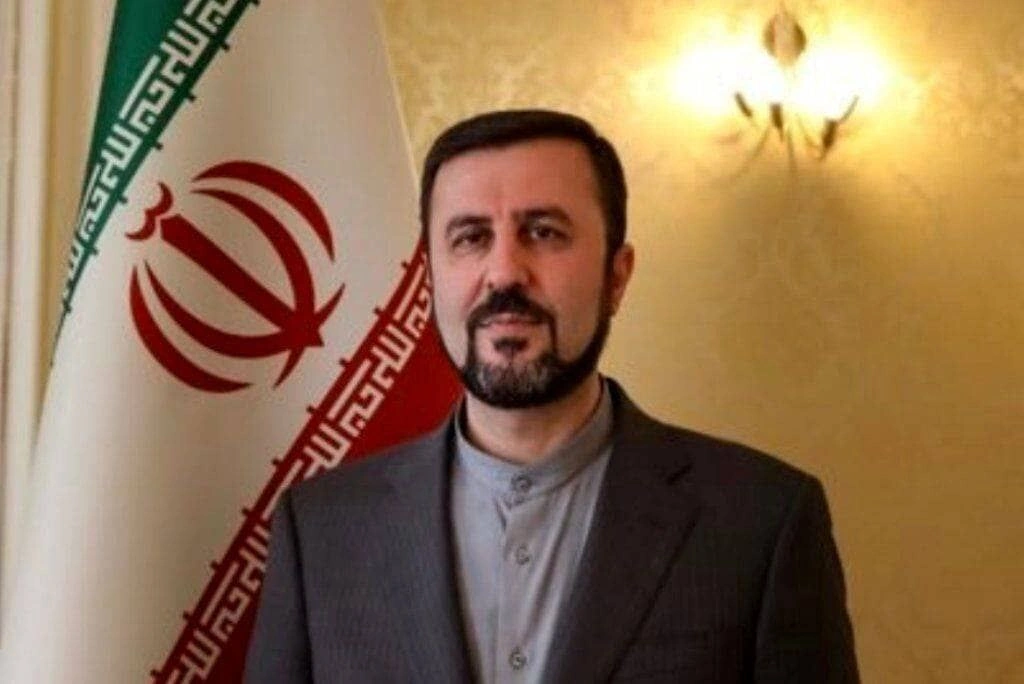
necessary conditions are met, Iran’s Deputy Foreign Minister Kazem
Gharibabadi said in an interview with local media, Trend reports.
Gharibabadi emphasized that Iran’s main condition for any talks
is that they produce tangible outcomes.
“If it’s just a discussion, it can happen tomorrow. The key is
that results must follow,” he said.
He added that pursuing diplomatic avenues that could prevent
conflict and create opportunities to lift sanctions is an essential
part of Iran’s foreign policy. However, he stressed that current
realities must be taken into account, and the appropriateness of
result-oriented talks under present circumstances should be
carefully assessed.
“Negotiations will not proceed until the other side changes its
strategy,” he noted.
Meanwhile, on April 12, 19, and 26, and May 11 and 23, five
rounds of indirect talks on Iran's nuclear program were held
between Iran and the U.S. The indirect talks were organized through
the mediation of the Minister of Foreign Affairs of the Sultanate
of Oman, Sayyid Badr bin Hamad Al Busaidi, and were led by Foreign
Minister Seyyed Abbas Araghchi on the Iranian side and Steve
Witkoff on the American side. The first, third, and fourth rounds
of talks were held in Muscat, the capital of Oman, and the second
and fifth rounds were held in Rome, the capital of Italy.
To recall, on the morning of June 13, Israel launched a series
of airstrikes targeting Iran, resulting in the deaths of numerous
high-ranking military officials, generals, nuclear scientists, and
other senior figures.
That same evening, Iran retaliated with Operation True Promise
III, a large-scale missile and drone assault on multiple targets,
including Tel Aviv, which caused civilian casualties and extensive
damage.
On June 22, the United States conducted airstrikes on three
Iranian nuclear facilities, with reports indicating the destruction
of these sites.
The following evening, June 23, Iran launched airstrikes on a
U.S. military base in Qatar, further escalating tensions in the
region.
On June 24, the Israeli Prime Minister’s Office announced that
Israel had agreed to a ceasefire with Iran, facilitated by U.S.
President Donald Trump. In response, Iran’s Supreme National
Security Council issued a statement confirming the cessation of
hostilities.
Stay up-to-date with more news on Trend News
Agency's WhatsApp channel