TASHKENT, Uzbekistan, December 30. 2025 was a
watershed moment for Uzbekistan, paving the way for economic growth
and bolstering the nation’s stature in the region. The year ended
with high growth rates, a record inflow of investments, and a
notable strengthening of the energy sector, which became one of the
key drivers of economic transformation. At the same time,
Uzbekistan expanded international cooperation and improved its
positions in global rankings, reinforcing confidence among foreign
partners and investors.
According to President Shavkat Mirziyoyev, Uzbekistan’s gross
domestic product exceeded $145 billion for the first time in
history. For comparison, GDP was estimated at more than $121
billion at the end of 2024, indicating a significant acceleration
in economic dynamics. Exports grew by 23% in 2025, while the volume
of attracted foreign investments reached $43.1 billion, equivalent
to nearly one-third of the country’s economy.
Importantly, accelerated growth came along with a slowdown in
inflation. Inflation stood at 7.5% in January–November,
significantly lower than in the same period of 2024 (11.1%). Annual
inflation also stabilized at 7.5%, while the Central Bank expects
it to be around 7.3% by year-end—well below earlier forecasts. The
easing of inflationary pressure resulted from a more restrained
monetary policy and improved conditions in the foreign exchange
market. Throughout the year, the Uzbek soum strengthened against
the US dollar, reducing pressure from imported prices and
increasing the predictability of the macroeconomic environment.
One of the main drivers of growth in 2025 was a gold rush of
investments. A total of $43.1 billion was attracted to the
economy—one of the highest figures in Central Asia—Uzbekistan
Emerges as a Leader in Investment and Energy Projects: 2025 Results
reflecting growing confidence among international investors. A
significant role was played by the upgrade of Uzbekistan’s
sovereign credit rating from BB- to BB, which reduced the cost of
external borrowing and eased debt servicing expenses. As a result,
public finance resilience strengthened, and access to long-term
capital sources expanded.
The landscape of investments has also shifted gears. The bulk of
funds was directed to capital-intensive and infrastructure
sectors—energy, transport, industry, and digital projects. The
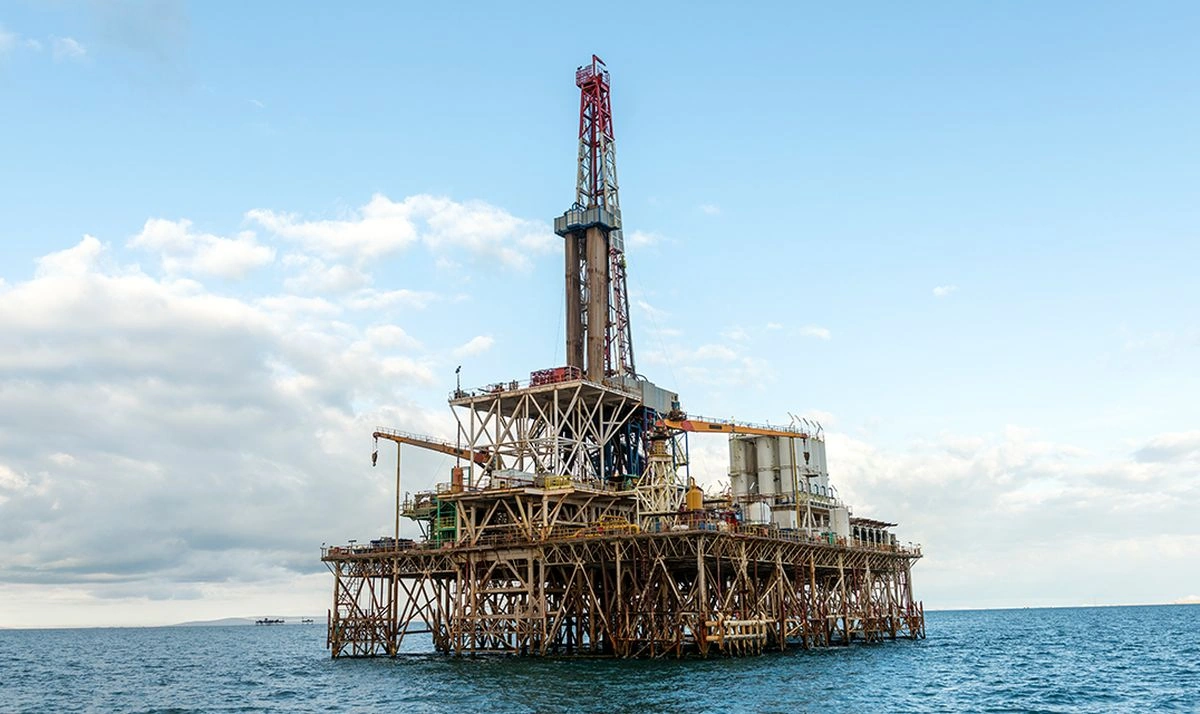
energy sector became the central element of economic
transformation. Electricity generation reached 85 billion
kilowatt-hours, almost one-third higher than in 2017. Over recent
years, about $35 billion in foreign investment has been attracted
to the sector, while new generating capacity increased by nearly
9,000 MW. A significant share of this growth came from solar and
wind power plants, as well as hydropower, raising the share of
green energy in installed capacity to around 30% in 2025.
Energy development was accompanied by modernization of grid
infrastructure and the expansion of distributed generation. The
installation of solar panels in the private sector and at social
facilities helped increase electricity output and reduce pressure
on the power system. At the same time, the energy breakthrough
generated spillover effects for related industries. Local companies
actively participated in the construction of power plants and
grids, supplying materials, equipment, and engineering services.
This creates a foundation for the emergence of national industrial
companies and a gradual reduction of import dependence in
infrastructure projects.
Foreign trade also showed positive dynamics in 2025. Over ten
months, foreign trade turnover increased by 21.5% to $66.5 billion.
Exports grew at a faster pace, exceeding $33 billion, while the
negative trade balance narrowed. Rising gold prices and increased
gold sales played a significant role in boosting export revenues,
ensuring foreign currency inflows and the growth of international
reserves. For the first time in history, Uzbekistan’s international
assets exceeded $61 billion, with the value of gold in the Central
Bank’s reserves surpassing $50 billion.
Simultaneously, a more sustainable shift took root in the export
landscape. Exports of services, primarily tourism, grew
significantly. The tourism sector expanded by about 1.5 times over
the year, indicating gradual economic diversification and reduced
reliance on raw materials. However, non-commodity industrial
exports continue to grow at a moderate pace, highlighting
persistent structural constraints and the need for further
reforms.
Notable progress was also achieved in reducing the shadow
economy. According to official estimates, its share declined from
45–50% to about 28% as a result of implemented measures. The
expansion of cashless payments, digitalization of public services,
and strengthened tax administration increased economic transparency
and broadened the tax base. At the same time, authorities
acknowledge that this progress represents only the first stage,
with further reduction of the shadow sector remaining a key task
for 2026.
In 2025, Uzbekistan also strengthened its international profile.
The country made significant progress in the World Bank’s
Technological Maturity Index, climbing 71 positions and entering
the global top ten. This reflects advances in digitalization, the
development of e-government services, and institutional reforms. At
the same time, programs aimed at boosting productivity and
efficiency, as well as initiatives to introduce Industry 4.0
technologies, were announced.
Uzbekistan’s regional and international standing also improved.
The country hosted major international and regional events,
including a session of the UNESCO General Conference and the
Central Asia–EU Summit. A key milestone was the signing of a
trilateral border agreement with Tajikistan and Kyrgyzstan,
resolving a long-standing regional issue. Cooperation with the
European Union was also expanded under the Enhanced Partnership and
Cooperation framework, strengthening Uzbekistan’s role as a
platform for regional dialogue.
At the same time, 2025 highlighted a number of unresolved
challenges. Uzbekistan did not complete its accession to the World
Trade Organization, with negotiations postponed to 2026. This
continues to limit deeper integration into global value chains and
constrains the growth potential of non-commodity exports. In
addition, many investment projects remain long-term and
capital-intensive, with their full impact expected to materialize
only in the medium term. The economy also remains sensitive to
external price fluctuations, particularly in global commodity
markets.
Overall, the results of 2025 point to a qualitative shift in
Uzbekistan’s economic model. The country has placed energy,
infrastructure, and investment at the core of its growth strategy
while strengthening macroeconomic stability and international
positions. The reforms initiated in 2025 have the potential to lay
the groundwork for long-term growth and improved living conditions
if the current pace of reform is sustained and systemic obstacles
are overcome, especially in international commerce and the
elimination of the shadow economy.
Stay up-to-date with more news on Trend News
Agency's WhatsApp channel