BAKU, Azerbaijan, December 30. In 2025,
Turkmenistan continued to strengthen its position in the global
energy market, demonstrating steady growth in hydrocarbon
production, infrastructure modernization, and active international
cooperation.
Over the first 11 months of 2025, the State Concern Turkmennebit
exceeded its oil production target by 109%, while oil refining
reached 108.8% of the planned volume. Gasoline output amounted to
109.1%, and diesel fuel to 101.4%. Production of natural and
associated gas stood at 101.6%, while liquefied gas output rose to
101%.
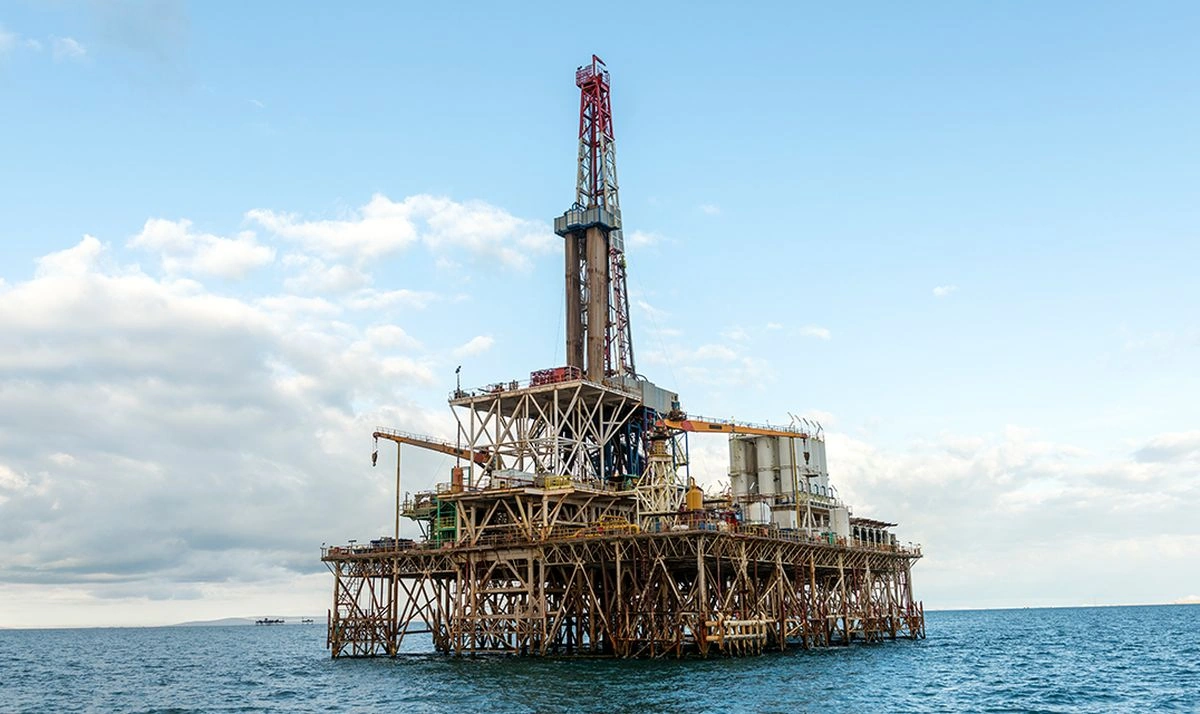
Particular emphasis has been placed on field modernization. At
the Uzynada field, the drilling of new production wells has been
completed, enabling an increase in oil output. State-owned
companies and international partners operating in the country are
introducing advanced technologies, including digital monitoring
systems, automated control, and artificial intelligence for
forecasting and process optimization. For example, UAE-based Dragon
Oil employs AI to model reservoirs and monitor production in real
time.
The Galkynysh gas field continues to be a pivotal resource for
Ashgabat's energy portfolio. In 2025, initiatives across multiple
phases of the development lifecycle persisted, with projected
output capabilities oscillating between 10 and 33 billion cubic
meters of gas annually.
Digitalization has become a key driver of sectoral development.
In August, the State Concern Turkmennebit announced the launch of
the “Digital Environment” initiative, designed to integrate the
company’s central operations and subordinate entities, create a
unified electronic data repository, streamline information flows,
and synchronize the work of cyber control centers.
During the year, the technical fleet of the State Concern
Dovletabatgazchykarysh was upgraded. In particular, major overhauls
were carried out on around 30 gas wells, some reaching depths of up
to 5,000 meters. This made it possible to restore full operational
capacity and introduce new gas purification and drying
technologies.
The year 2025 was also marked by an active expansion of
international cooperation. Turkmenistan hosted the TESC 2025
international conference (“Environmental aspects of introducing
innovative technologies in hydrocarbon field development”) and OGT
2025 (the 30th International Conference and Exhibition “Oil and Gas
of Turkmenistan - 2025”) and signed a number of memorandums with
foreign oil and gas companies. These agreements focus on the
development of offshore and onshore blocks, as well as expanding
production at Galkynysh. Among the partners are Malaysia’s
Petronas, the UAE’s ADNOC, and China’s CNPC. In May, ADNOC, through
its international investment arm XRG, acquired a 38% stake in the
large gas field known as “Block I” in the Turkmen
sector of the Caspian Sea and in November opened its own
representative office in Ashgabat. Dragon Oil continued to expand
its presence in the local hydrocarbons market, investing in new
technologies and environmental efficiency.
Regional projects such as the TAPI (the
Turkmenistan-Afghanistan-Pakistan-India gas pipeline) remain a
cornerstone of the country’s export strategy. TAPI is designed to
supply up to 33 billion cubic meters of gas annually to South and
Southeast Asia, with completion planned by the end of 2026. The
Asian Development Bank (ADB) and the Islamic Development Bank
(IsDB) are supporting the project through financing and advisory
assistance in line with international standards.
In light of the dynamic landscape of the international
hydrocarbons sector, a pivotal obstacle for Turkmenistan in 2026
will be the imperative to maintain operational agility and the
capacity to respond to fluctuations in global consumption patterns.
In the context of global paradigms shifting towards digital
transformation and the mitigation of carbon footprints, the
nation’s initiatives—comprising the execution of targeted sectoral
initiatives, the facilitation of multinational symposiums, and the
establishment of strategic alliances—highlight its proactive
involvement and synchronization with the prevailing international
energy framework.