BAKU, Azerbaijan, December 29. As 2025 draws to
a close, Kyrgyzstan is finishing the year with steady
socio-economic growth, strengthened public finances, and an
expanded international presence. By the end of the year, the
country demonstrated stable dynamics across key macroeconomic
indicators, reinforced its fiscal position, and intensified
participation in international financial and investment processes.
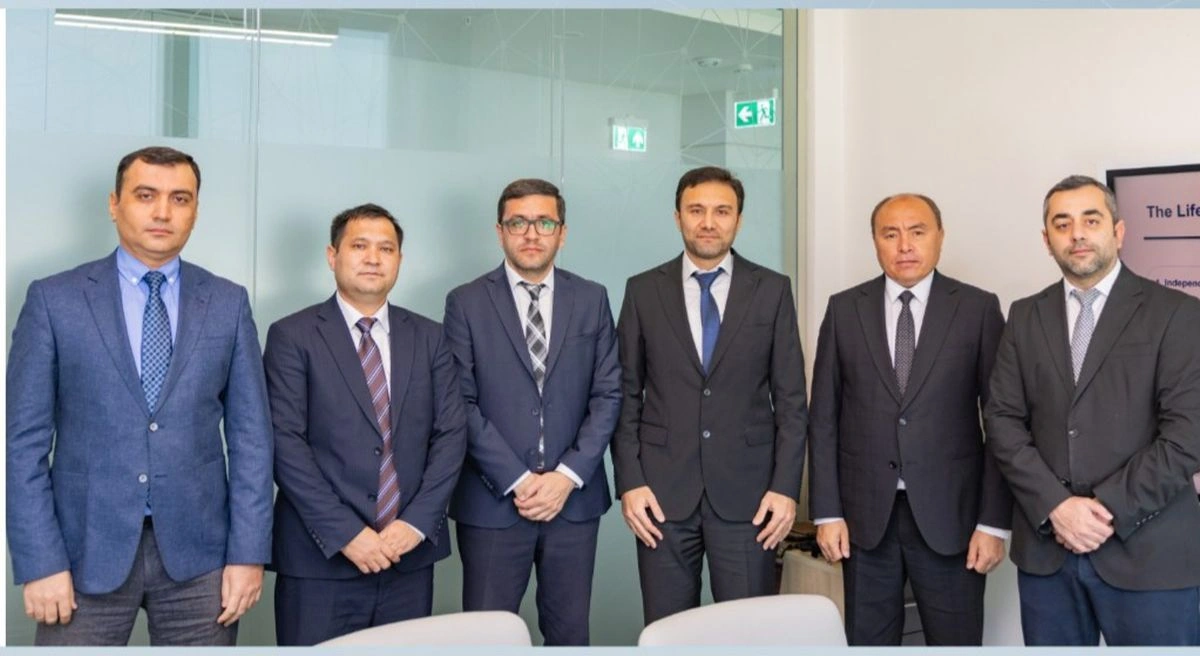
The results of socio-economic development were summarized by
Chairman of the Cabinet of Ministers and Head of the Presidential
Administration of Kyrgyzstan, Adylbek Kasymaliev, during a session
of Parliament, where both achieved outcomes and future development
priorities were outlined.
The economy has shown accelerated growth for the second
consecutive year. In 2024, real GDP growth reached 11.5%,
significantly exceeding the initial forecast of 9%. Positive
momentum continued in 2025, with GDP growth reaching 10.2% in the
first 11 months. Nominal GDP increased from 639 billion soms ($7.3
billion) in 2020 to 1.6 trillion soms ($18.3 billion) in 2024 and,
according to government estimates, is expected to exceed 1.8
trillion soms ($20.5 billion) by the end of 2025. This indicates
that Kyrgyzstan’s economy has nearly tripled in size over recent
years.
GDP per capita reached $2,513 in 2024, up 86% compared to 2021.
Under favorable conditions, it is expected to rise to $2,800 in
2025. According to the International Monetary Fund, Kyrgyzstan
ranked among the world’s top three countries in terms of real GDP
growth in 2024 and took first place among Eurasian Economic Union
member states in 2025.
One of the key achievements of the year was reaching the
trillion-som threshold in public finances. In 2025, the
consolidated budget amounted to 1.093 trillion soms ($12.5
billion), reflecting consistent economic and fiscal policies and
allowing the country to reach this target two years ahead of
schedule. Most budget funds were directed toward strategic
development priorities, including the capitalization of Eldik Bank
and energy companies, construction of the
China–Kyrgyzstan–Uzbekistan railway, the Kambarata-1 hydropower
plant, and the State Mortgage Company. Capital investment volumes
increased more than fivefold, from 10 billion soms ($114.3 million)
to 51.7 billion soms ($591.2 million).
The real sector remained the main driver of growth. In 2024,
agricultural output totaled 395 billion soms ($4.5 billion), with
growth of 106.2%. Over the first 11 months of 2025, agricultural
production increased to 437.4 billion soms ($5 billion), with real
growth of 102%. Kyrgyzstan fully meets domestic demand for six of
nine socially significant food products, including milk, potatoes,
vegetables, meat, eggs, and sugar. Significant attention has been
paid to irrigation infrastructure: 1 billion soms ($11.4 million)
were allocated in 2024, and 1.7 billion soms ($19.4 million) over
the first 11 months of 2025. Construction and rehabilitation of
water supply facilities continue, with plans to provide clean
drinking water to 45 villages and three cities in 2026.
In the energy sector, total electricity generation reached 117.8
MW in 2024. Over two years, 17 small hydropower plants with a
combined capacity of nearly 98 MW were commissioned. Modernization
of the 1,440 MW Toktogul hydropower plant and upgrades at the
Tash-Kumyr hydropower plant are ongoing. The construction of 36
additional small hydropower plants is planned for 2026–2027. The
Kambarata-1 hydropower plant is viewed by the government as a
strategic project capable of ensuring the country’s energy
independence and forming a solid foundation for long-term
development.
Industrial production reached 685.9 billion soms ($7.8 billion)
in 2025, up 10.2%. In 2024, 102 industrial enterprises were
commissioned with investments totaling $796.8 million, creating
8,315 jobs. In 2025, another 119 enterprises were launched, with
investments of $715.6 million and 8,451 new jobs created. The
mining sector made a significant contribution to the economy.
Kumtor Gold Company posted a net profit of $397.4 million in 2024
and $421.8 million over the first 10 months of 2025. Kyrgyzaltyn
earned more than 17.5 billion soms ($200 million) in profit over
nine months of 2025 and completed modernization of its refining
plant, achieving gold purity of 99.99% in line with international
standards.
Social policy in 2025 focused on employment support and human
capital development. An updated labor code entered into force,
formalizing remote and hybrid employment formats and introducing
quotas for persons with disabilities and graduates of orphanages.
In 2024, 263,100 jobs were created nationwide, followed by an
additional 229,200 jobs over the first nine months of 2025.
The average monthly wage for the first 10 months of 2025
amounted to 42,919 soms ($490), up 19.2% year-on-year. Pension
payments were increased, with the minimum pension reaching 7,500
soms ($86) and the average pension 11,254 soms ($128). Social
programs such as "Bala Bereke," "Kelechekke Salym," and the "Social
Contract" initiative continued.
Education and healthcare remained key state priorities. In 2025,
preschool enrollment reached 44.3%, double the 2020 level, with
more than 257,000 children attending kindergartens. Authorities aim
to raise this figure to 80% by 2030.
In 2026, construction of 36 new schools is planned in Bishkek,
Osh, and the city of Manas. The transition to a 12-year education
system continues, along with digitalization and curriculum updates.
For the first time, around 1 billion soms ($11.4 million) were
allocated for domestic textbook publishing. In healthcare, 36.3
billion soms ($415 million) were allocated from the state budget in
2024, medical facilities were built and modernized, and 45 kidney
transplant surgeries were performed over two years at public
expense. Plans also include the creation of a “Medical City.”
In foreign economic and financial policy, 2025 became a landmark
year. For the first time in its history, Kyrgyzstan issued
eurobonds totaling $700 million, opening access to international
capital markets. The country also launched its first national
stablecoin, USD KG, with an issuance of 50 million tokens backed by
physical gold and pegged at one US dollar each. Work continues on
launching KG ST, a stablecoin pegged to the national currency, the
som. International rating agencies assigned Kyrgyzstan a “B+”
credit rating, reflecting growing confidence among global
investors.
Overall, the results of 2025 indicate a qualitative shift in
Kyrgyzstan’s economic trajectory. High growth rates, expansion of
the real sector, increased fiscal capacity, and a more active
social policy are shaping a more resilient development model.
Concurrently, the assurance emanating from global stakeholders and
fiscal entities persists in its augmentation, broadening the
nation’s ingress to extrinsic capital markets and establishing a
robust framework for enduring economic advancement and enhanced
quality of life in the intermediate horizon.
Stay up-to-date with more news on Trend News
Agency's WhatsApp channel