BAKU, Azerbaijan, December 22. The United
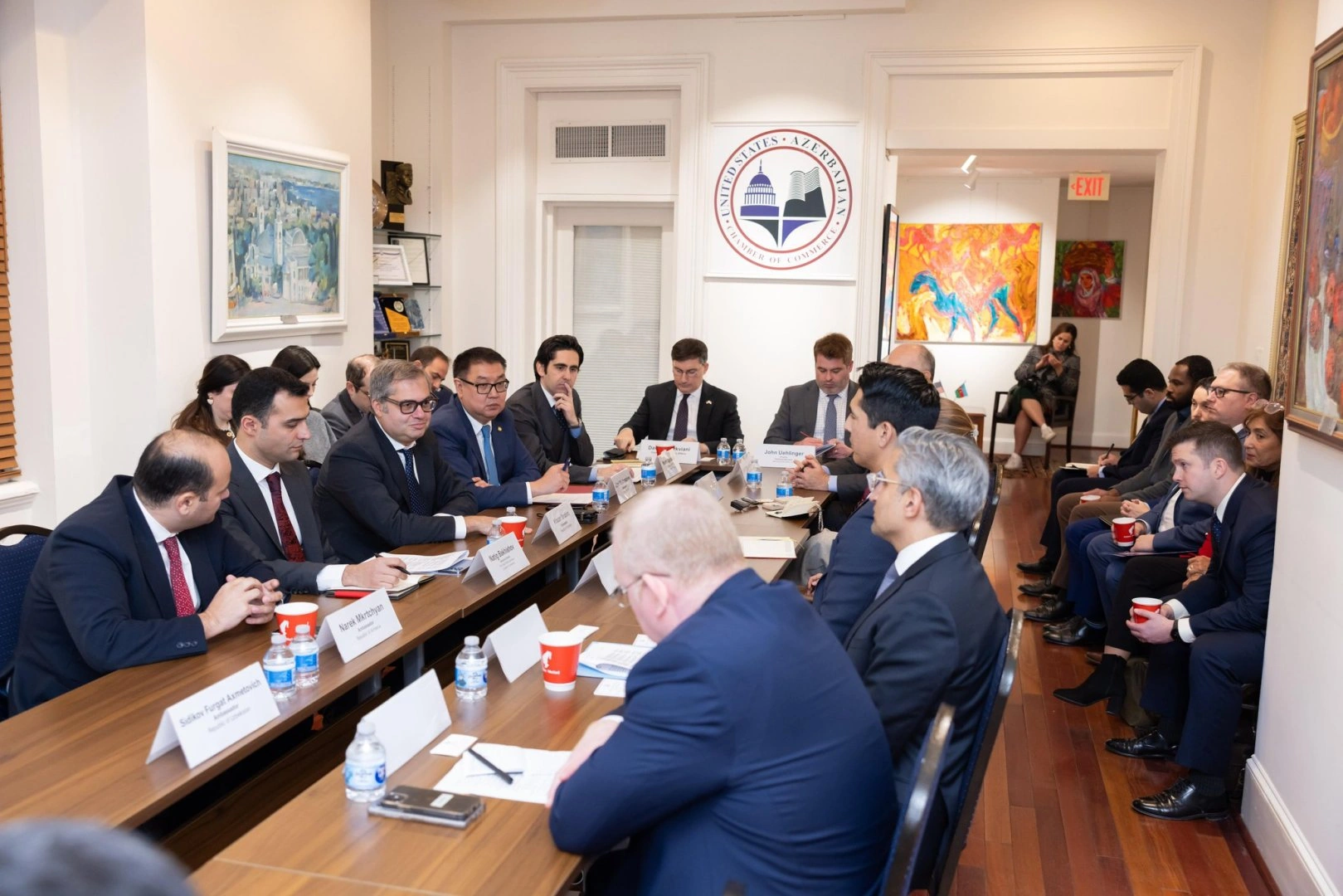
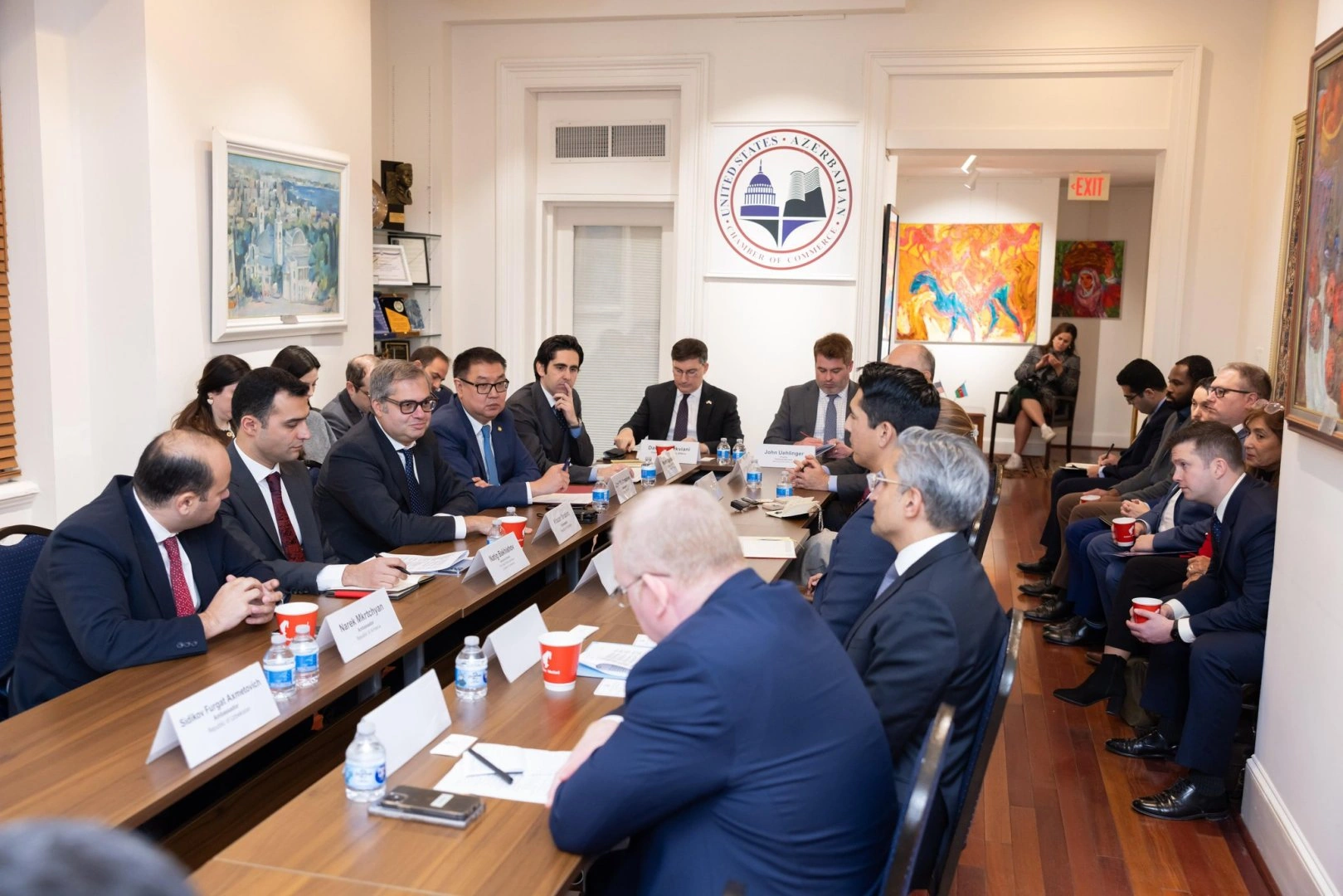
States-Azerbaijan Chamber of Commerce (USACC) convened a high-level
Ambassadorial Roundtable on the Trump Route for International Peace
and Prosperity (TRIPP), underscoring the initiative’s role as a
central pillar of the United States’ renewed strategic engagement
across Central Eurasia.
The closed-door discussion brought together ambassadors from the
South Caucasus and Central Asia, senior U.S. government officials,
and private-sector leaders to examine how TRIPP can accelerate
infrastructure development, strengthen regional connectivity, and
anchor a durable U.S. economic presence along the Middle
Corridor.
“The August peace agreement between Azerbaijan and Armenia and
facilitated by this Administration, created a historic opening.
TRIPP is how we make that peace durable—by transforming a transit
route into an engine of shared prosperity,” said Vinay Chawla,
Office Director and Special Envoy for Peace Missions at the U.S.
Department of State. “American companies and capital are essential
to that vision, and this Administration is committed to ensuring
they have a seat at the table.”
Participants emphasized that TRIPP represents a new generation
of regional connectivity initiatives, distinguished by its
public–private structure, business-driven approach, and focus on
long-term commercial sustainability.
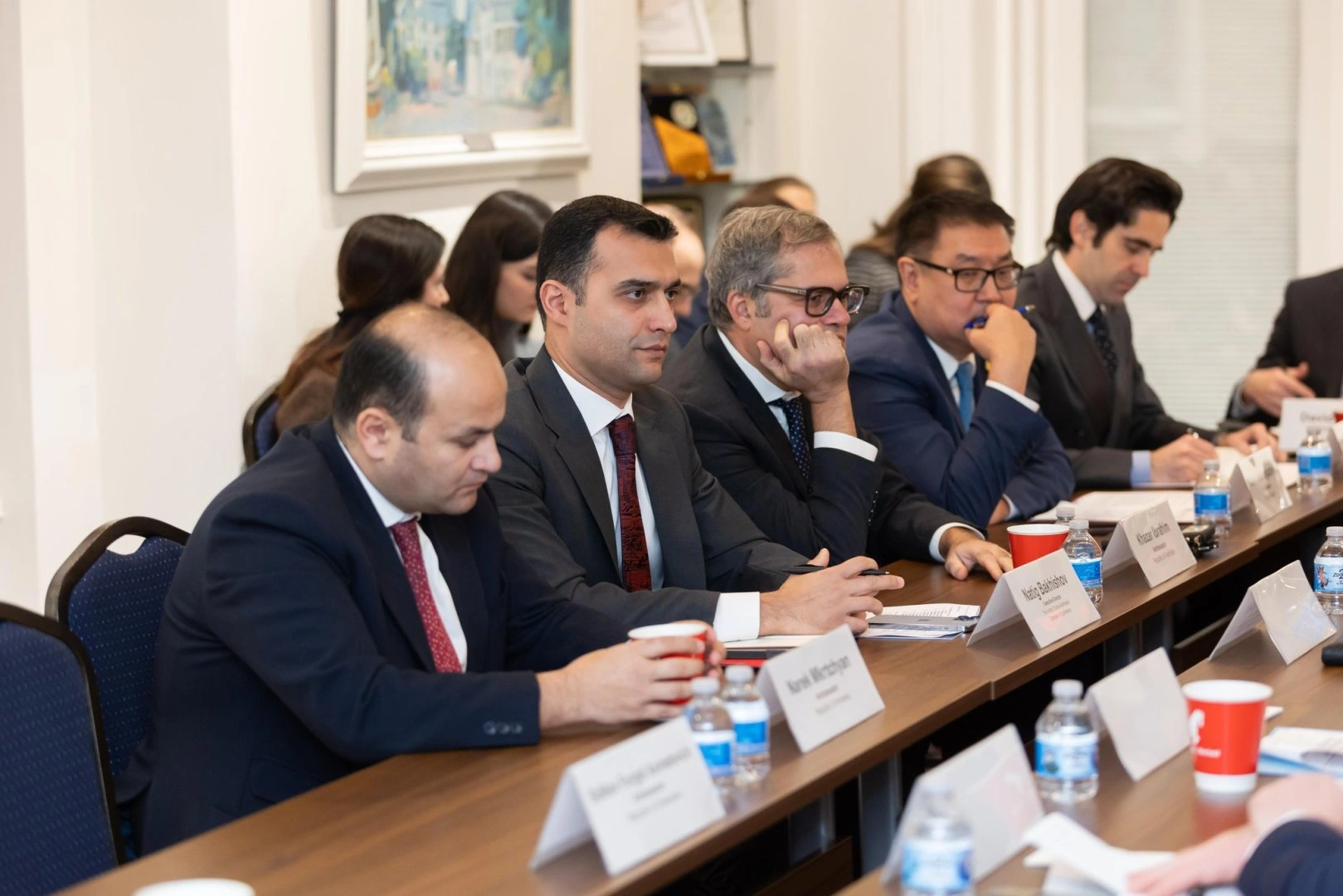
Opening the session, Natig Bakhishov, Executive Director of
USACC, highlighted that TRIPP moves beyond traditional transit
concepts by integrating infrastructure investment, regulatory
coordination, and private-sector participation within a unified
strategic framework. He noted that TRIPP has emerged as a defining
element of the United States’ renewed engagement in the South
Caucasus and Central Asia, introducing market-based solutions to
regional integration and connectivity for the first time in more
than a decade.
Ambassadors and senior diplomats from Armenia, Azerbaijan,
Georgia, Kazakhstan, the Kyrgyz Republic, Turkmenistan, and
Uzbekistan shared national perspectives on how TRIPP can complement
development strategies, unlock cross-border synergies, and enhance
the competitiveness of regional transit routes.
“The August Summit played a historic role in advancing the
regional peace process,” said Khazar Ibrahim, Ambassador of the
Republic of Azerbaijan to the United States. “The principles of
connectivity and cooperation have long been promoted by Azerbaijan,
which has already established strong partnerships with Türkiye,
Georgia, and Central Asian countries, providing a solid foundation
to build upon. This momentum is real, and we must move swiftly.
Ensuring the success of TRIPP as a core component of the Middle
Corridor is essential.”
“It is thanks to President Trump’s leadership that we have been
able to generate this momentum for peace and position TRIPP as a
key element of our regional strategy,” said Narek Mkrtchyan,
Ambassador of the Republic of Armenia to the United States. He
added, “U.S. engagement will help translate this initiative into
tangible benefits for the South Caucasus, Central Asia, and beyond.
I welcome the constructive engagement with our Azerbaijani
colleagues and the fact that discussions are now advancing toward
concrete development projects. This kind of practical cooperation
is essential to delivering real economic and social outcomes.”
Discussions also addressed the role of U.S. institutions,
including the U.S. International Development Finance Corporation
(DFC), in supporting project financing, trade facilitation, and
investment risk mitigation.
Private-sector participants, including Google, Bechtel, and
Tetra Tech, alongside regional trade associations, shared industry
perspectives and highlighted growing interest among American
companies in trade and investment opportunities enabled by TRIPP
and related regional initiatives.
The roundtable concluded with a shared assessment that TRIPP
offers a unique platform to align U.S. strategic priorities with
regional economic integration, providing a scalable and
commercially viable connectivity model for the South Caucasus and
Central Asia. USACC reaffirmed its commitment to advancing dialogue
among governments, U.S. agencies, and the private sector to support
TRIPP’s successful implementation and long-term impact.
On August 8 in Washington, President of the Republic of
Azerbaijan Ilham Aliyev, US President Donald Trump, and Armenian
Prime Minister Nikol Pashinyan signed a joint declaration. One of
the points of the document provides for the launch of the “Trump
Route for International Peace and Prosperity” (TRIPP) to unblock
regional communications.
During the same meeting, Azerbaijani Foreign Minister Jeyhun
Bayramov and Armenian Foreign Minister Ararat Mirzoyan initialed
the draft “Agreement on the Establishment of Peace and Interstate
Relations between Azerbaijan and Armenia” and signed a joint letter
to the current OSCE Chairperson regarding the closure of the OSCE
Minsk process, the OSCE Chairperson’s personal representative for
the conflict discussed at the Minsk Conference, and the High-Level
Planning Group.