BAKU, Azerbaijan, December 20. The recent
resolution adopted by the European Parliament against Azerbaijan
once again shows that this body is far from demonstrating an
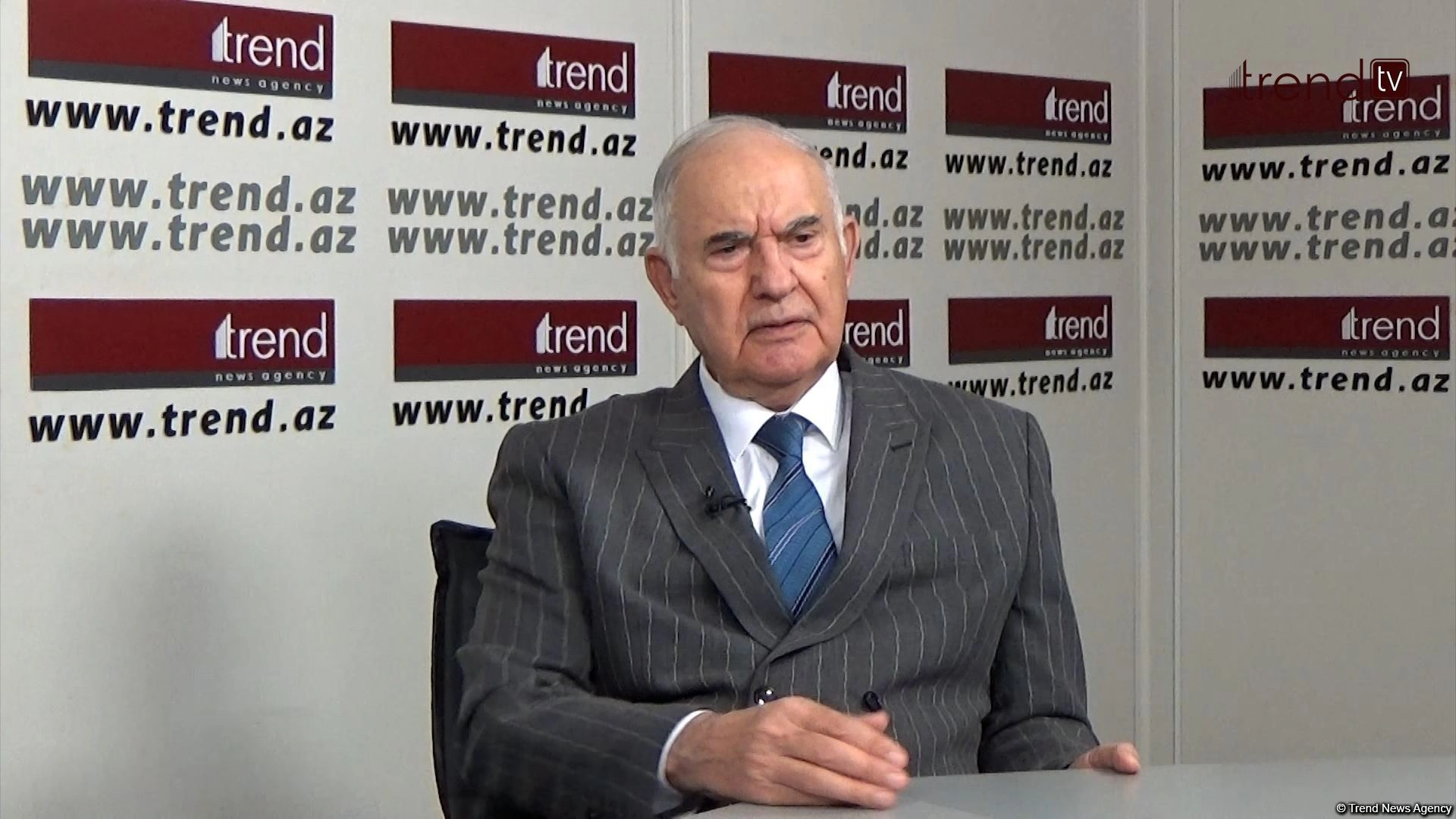
independent and fair approach, Azerbaijani political analyst Azer
Garayev told Trend.
According to him, the approach in the text of the resolution,
the lexicon used, and the arguments presented are entirely
one-sided, based on political sympathies and lobbying interests
instead of facts.
"Specifically, some provisions of the comprehensive agreement
signed between the European Union and Armenia could result in
increasing tensions rather than serving peace in the region.
The resolution presents the 2023 anti-terror measures carried
out in Karabakh as 'ethnic cleansing' and 'pressure on ethnic
minorities'. However, the measures were conducted within
Azerbaijan's internationally recognized borders for the aim of
restoring its sovereignty. The UN, EU, and other organizations
recognize Azerbaijan's territorial integrity. Yet, the European
Parliament makes a one-sided assessment without considering this
reality. This approach interferes with Azerbaijan’s internal
affairs and politically encourages Armenia not to adopt a
constructive position in the peace process," the analyst
explained.
He noted that the agreement contains provisions that could
indirectly serve as a means of pressure on Azerbaijan.
"This document does not respect Azerbaijan's territorial
integrity or the new realities established in 2020, including
Azerbaijan's sovereignty. Instead, it includes statements and calls
aligned with Armenia's interests. This contradicts the efforts
aimed at signing a peace agreement in the region.
Although the agreement mentions 'lasting peace and the
resolution of conflicts in accordance with international law',
Armenia's interpretation of this is presented as reopening
discussions on the status of Azerbaijan's internal territories.
Any ambiguous provisions regarding Azerbaijan's territorial
integrity provide Armenia with a political pretext to take an
unconstructive position in peace talks."
According to Garayev, if the goal is peace, both sides should be
approached equally.
"The European Parliament’s resolution also supports Armenia’s
'democratization efforts', calling on its to receive economic and
security assistance. However, the resolution fails to address
issues such as Azerbaijan’s 30 years of occupation, mined
territories, and humanitarian consequences.
This is a glaring example of imbalanced politics in the region.
If the goal is peace, both sides should be treated equally.
Azerbaijan seeks the opening of international transit routes, as
stated in the trilateral statement of November 10, 2020. Presenting
this as a 'means of pressure' contradicts international
agreements.
These examples show that both the EU-Armenia documents and the
European Parliament's resolutions include provisions that don't
serve real peace in the region, but rather strengthen one-sided
political positions.
Garayev emphasized that the document adopted by the National
Assembly in response to the European Parliament's biased resolution
is a well-founded and timely step.
"The Azerbaijani parliament expressed its position clearly and
diplomatically but firmly. The adopted document once again
demonstrated that Azerbaijan defends its sovereignty based on
international law and will not succumb to any pressure," he
added.