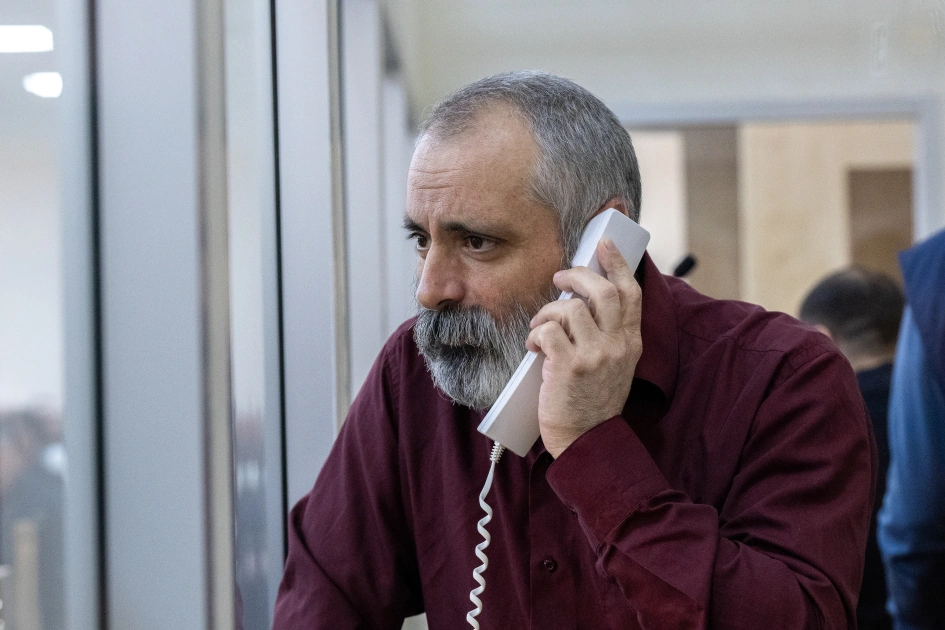
BAKU, Azerbaijan, December 19. The open court
hearing in the criminal case against citizens of the Republic of
Armenia – Arayik Harutyunyan, Arkadi Gukasian, Bako Sahakyan, Davit
Ishkhanyan, David Babayan, Levon Mnatsakanyan, and others – accused
of war crimes, crimes against peace, crimes against humanity,
including planning and waging an aggressive war, genocide,
violations of the laws and customs of war, terrorism, financing of
terrorism, illegal seizure of power, unlawful retention of
authority, and numerous other offenses committed as a result of
Armenia’s military aggression against Azerbaijan – resumed on
December 19, Trend reports.
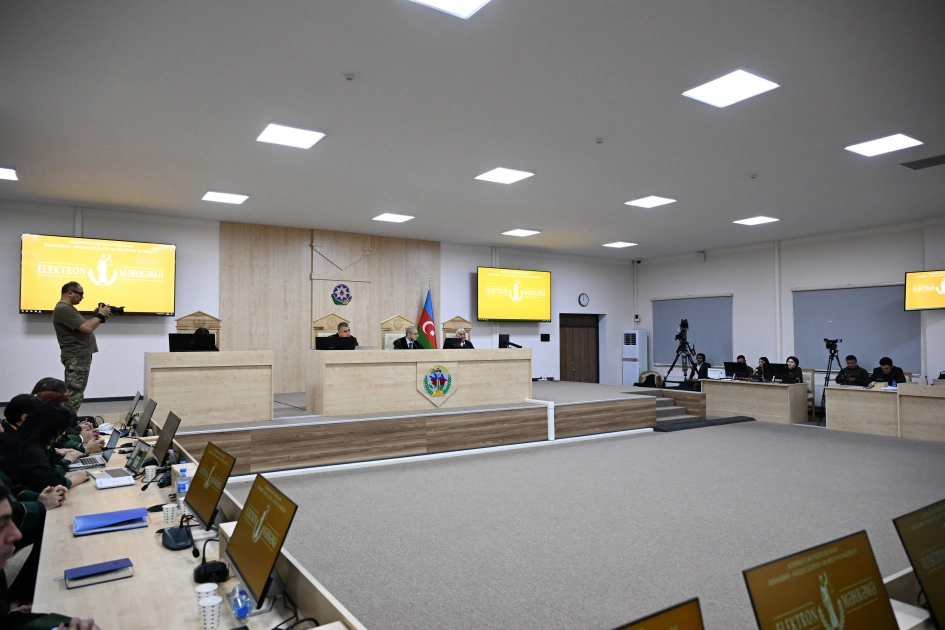
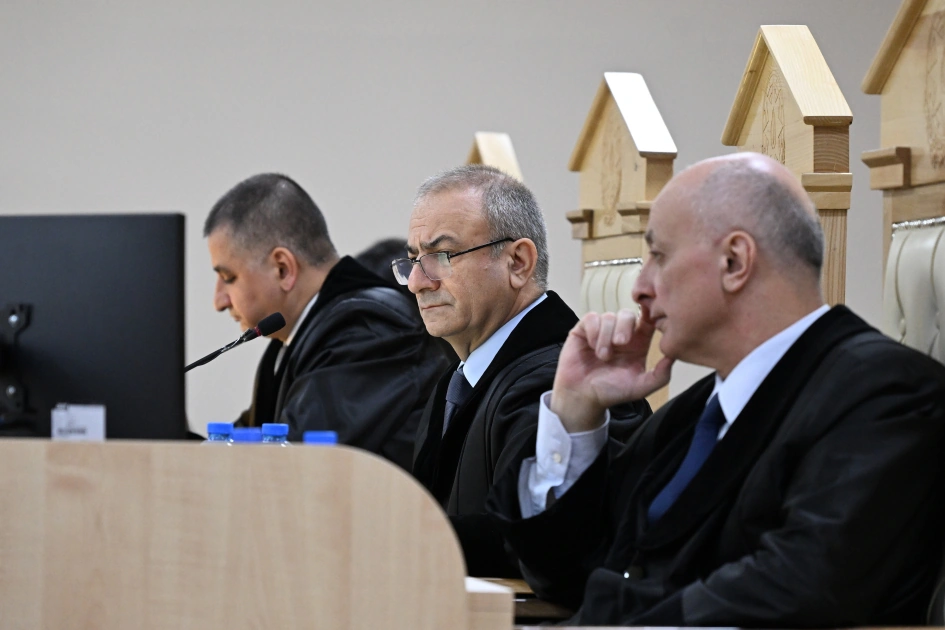
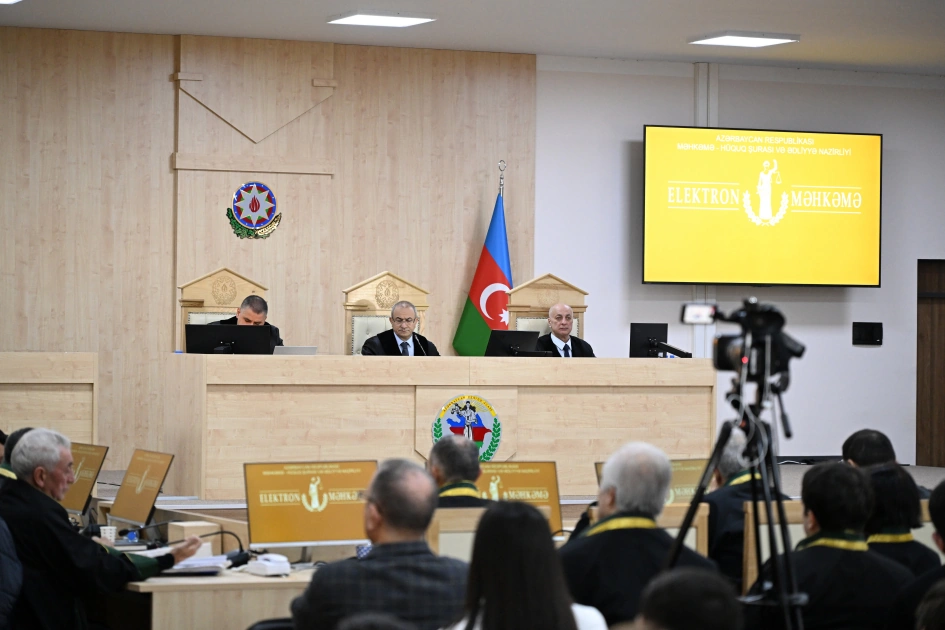
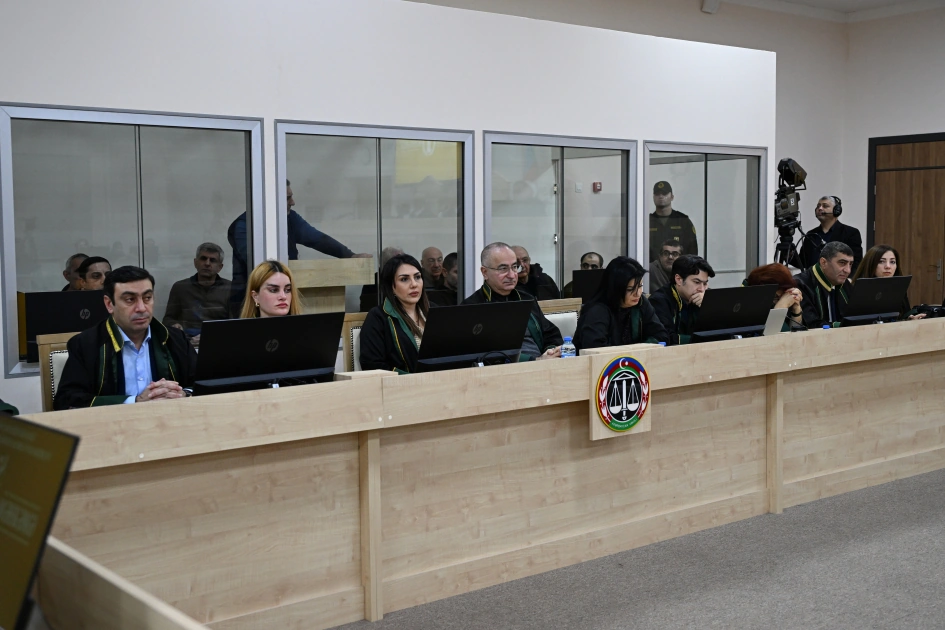
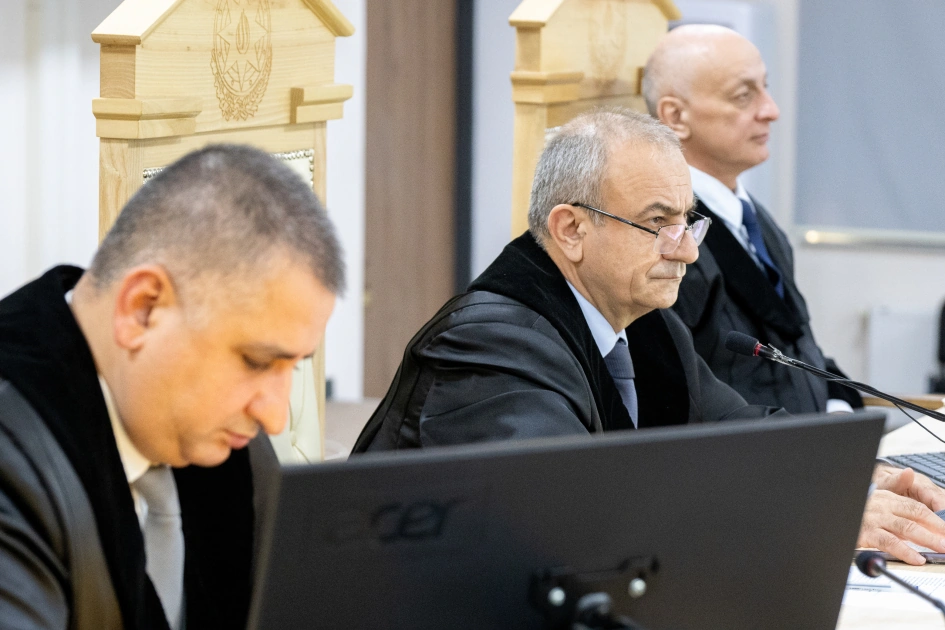
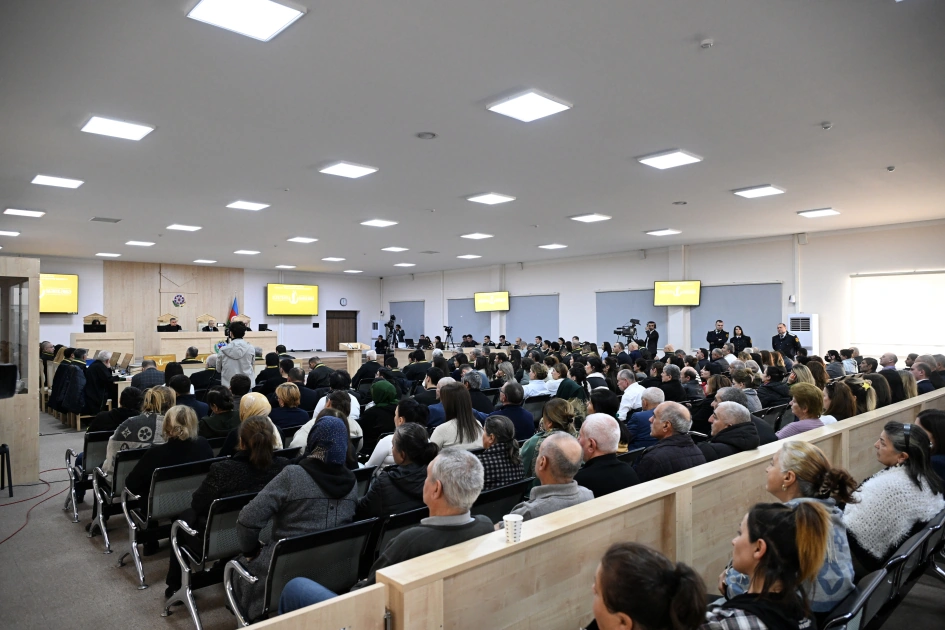
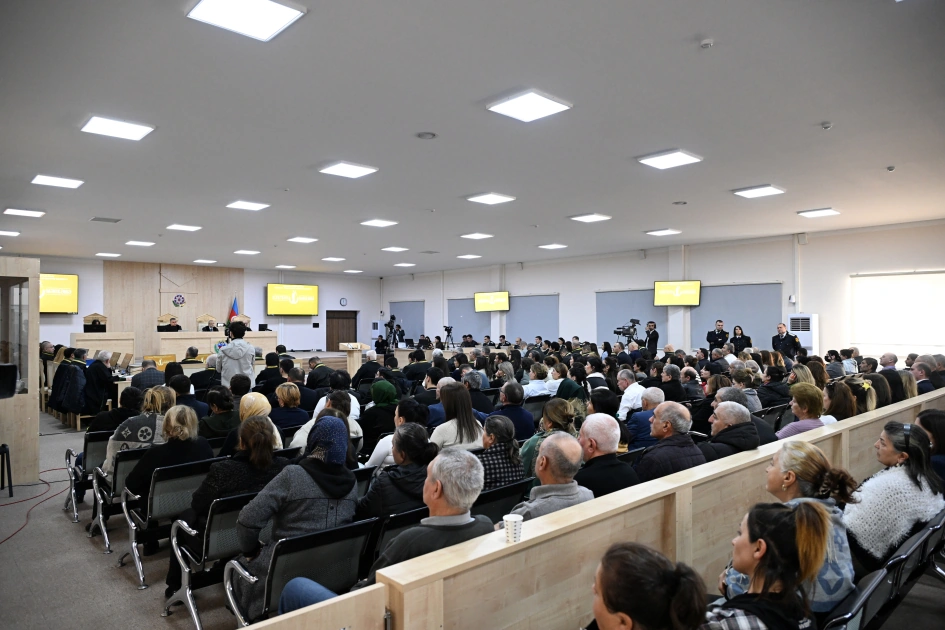
The session was held at the Baku Military Court under the
chairmanship of Judge Zeynal Aghayev, with judges Camal Ramazanov
and Anar Rzayev, and reserve judge Gunel Sadigova.
Each of the accused was provided with interpreters in their
preferred language and defense attorneys, ensuring full compliance
with procedural rights.
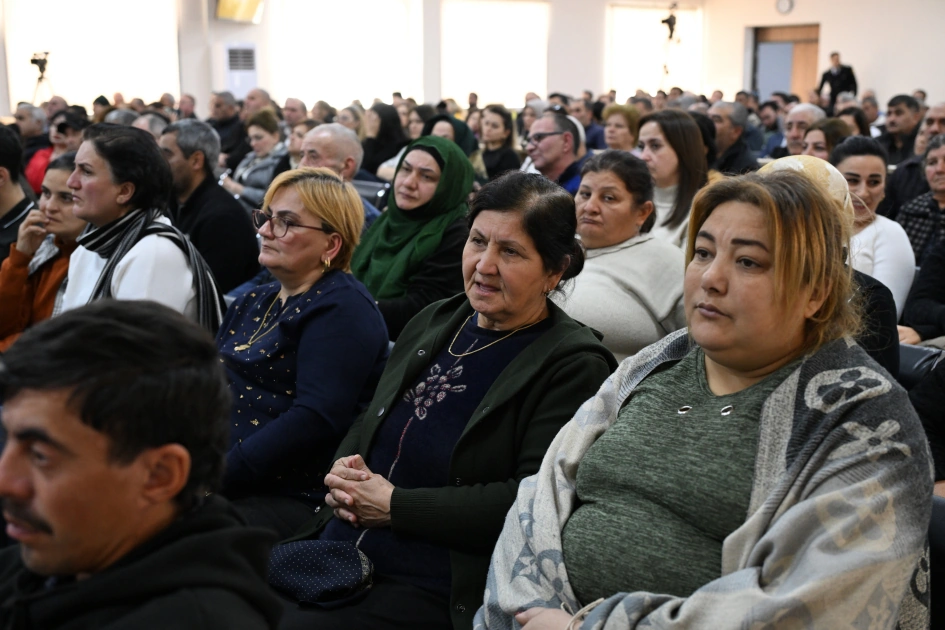
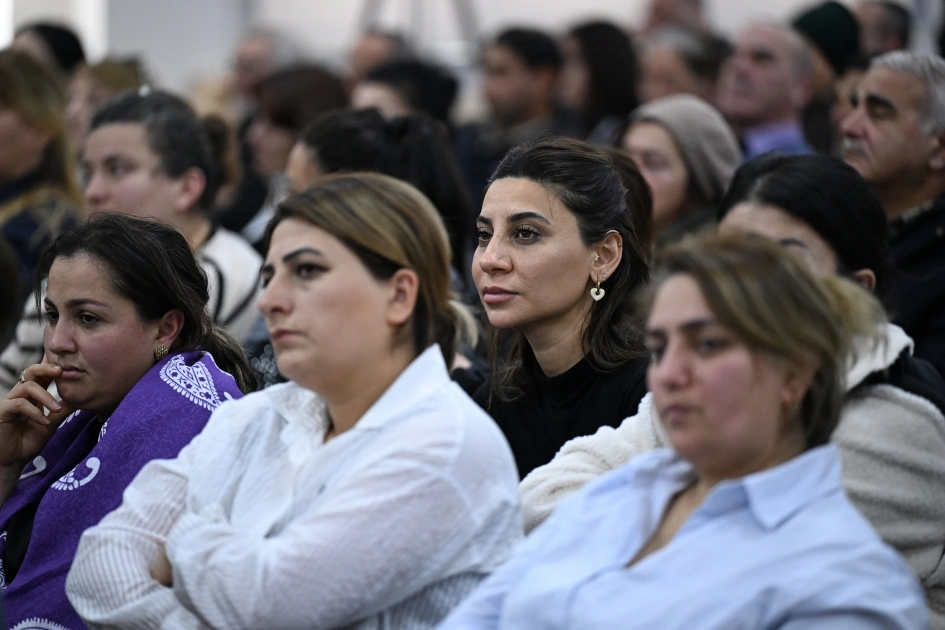
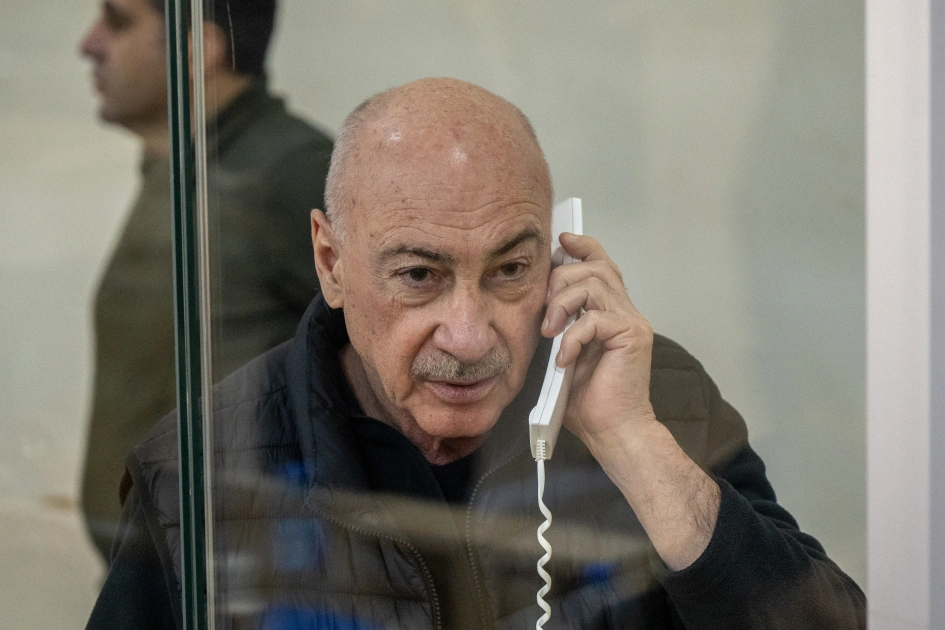
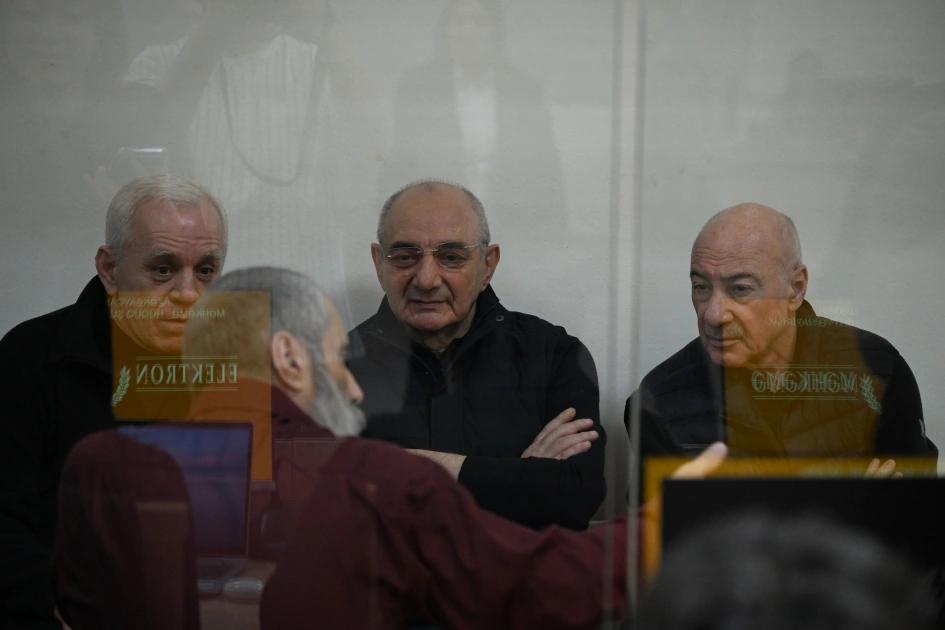
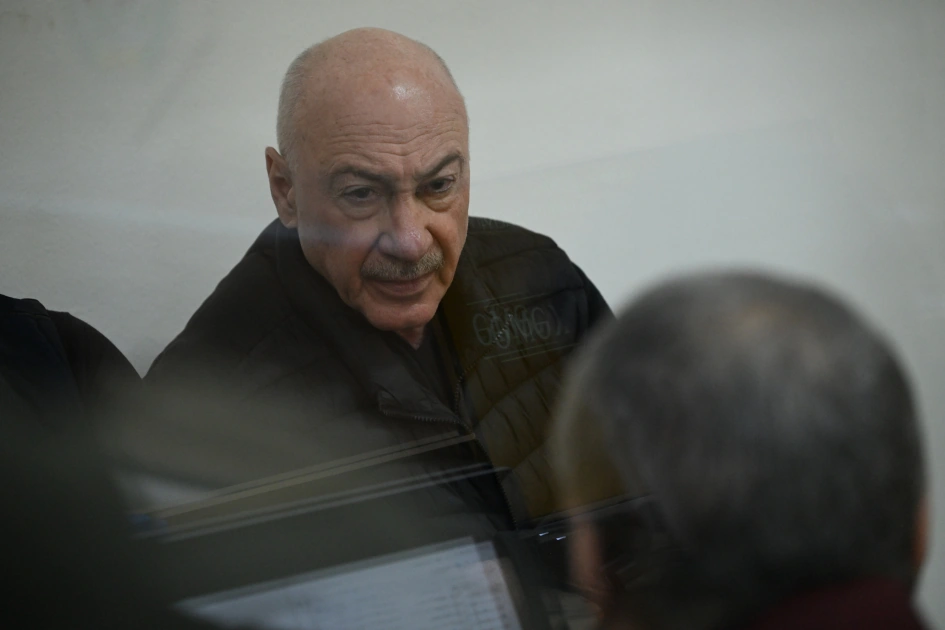
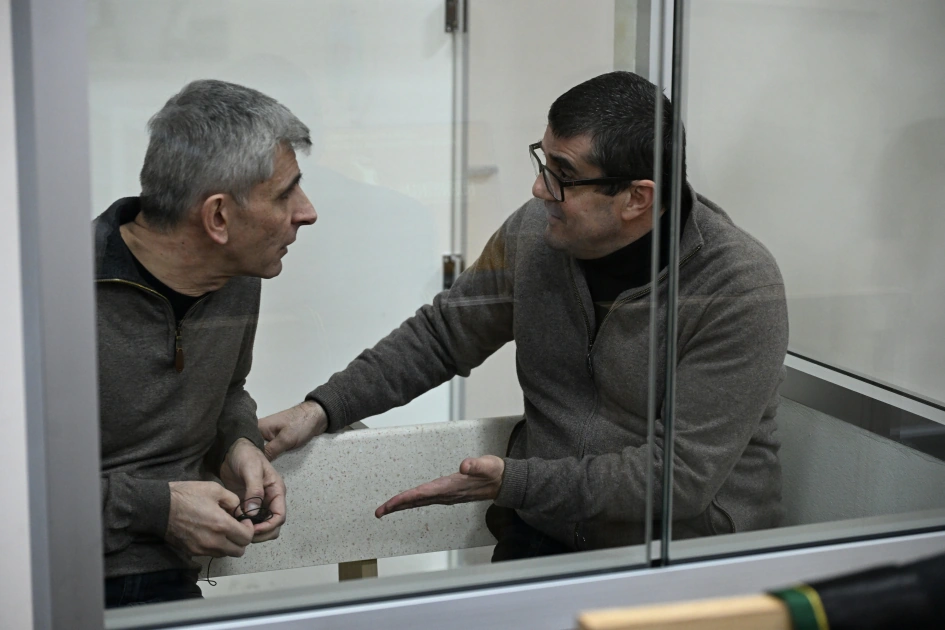
The hearing was attended by the accused, their defense lawyers,
some victims, their legal heirs and representatives, as well as
prosecutors representing the state prosecution.
The presiding judge Zeynal Aghayev stated that the hearing
continued with the final statement of the accused.
It was mentioned that due to the adjournment of the previous
hearing, accused David Manukyan will continue his statement during
the current hearing.
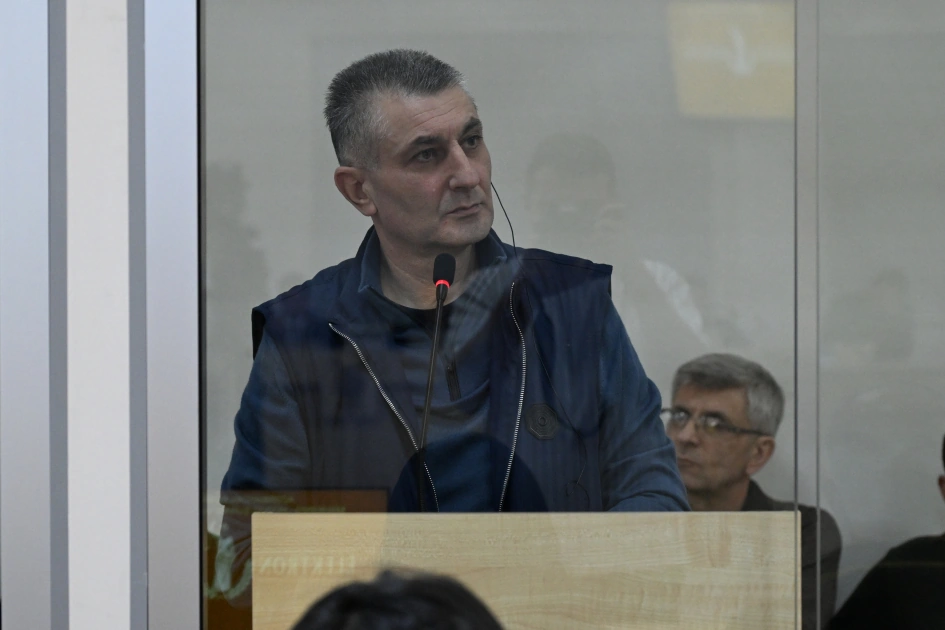
David Manukyan presented his counterarguments in response to the
prosecution’s statements. The accused said he disagreed with the
points announced by the state prosecution.
Manukyan claimed that he did not attend the "meetings of the
security council" of the illegal regime either as a participant or
as an observer, as his official duties did not allow him to do
so.
David Manukyan also expressed his gratitude to his defense
attorneys.
In his final statement, accused Arayik Harutyunyan voiced his
disagreement with the prosecution’s rebuttals.
Harutyunyan said that he and his two brothers studied at a
school in the Garabagh region and that there were no problems with
studying in the Armenian language. He added that there were no
issues between them and the Azerbaijanis saying: "We attended each
other's events."
“The war crimes were announced here. In fact, I learned about
most of them during the hearing,” accused Arayik Harutyunyan said
in his final statement. “I consider myself a very well-informed
person. However, I learned about the incident in the tunnel in
Kalbajar here. For example, I learned about the Beylik Baghi
incident during the hearing. Of course, these are war crimes, and
they have their own perpetrators. If those responsible are not
punished in this world, they will be punished for their deeds in
the next world,” he added.
Harutyunyan listed the charges (joining a criminal organization,
engaging in illegal entrepreneurial activity, causing destruction,
mercenaries, planting mines, obstructing the movement of aircraft,
murders, violence, missile fire on Ganja, etc.), voiced his
arguments on these charges, saying that he did not plead guilty to
the charges brought against him.
Accused David Babayan said he intends to make his final
statement in Russian, whose request was granted.
Babayan presented his counterarguments in response to the
statements of the state prosecutors and the victims.
The court proceedings will resume on December 22.
Fifteen defendants of Armenian origin are accused in the
criminal case concerning numerous crimes committed during the
aggressive war waged by the Armenian state - including the
aforementioned criminal association - on the territory of
Azerbaijan, in violation of domestic and international legal norms.
These crimes were committed for the purpose of military aggression
against Azerbaijan and were carried out under the direct leadership
and participation of the Armenian state, officials of its state
institutions, its armed forces, and illegal armed formations,
through their written and verbal orders, instructions, and
guidelines; material, technical, and personnel support; centralized
management; as well as under strict control and under the
leadership and direct or indirect participation of Robert Sedraki
Kocharyan, Serzh Azati Sargsyan, Vazgen Mikaeli Manukyan, Vazgen
Zaveni Sargsyan, Samvel Andraniki Babayan, Vitali Mikaeli
Balasanyan, Zori Hayki Balayan, Seyran Musheghi Ohanyan, Arshavir
Surenovich Garamyan, Monte Charles Melkonyan, and others.
The following individuals - Arayik Vladimiri Harutyunyan, Arkadi
Arshaviri Ghukasyan, Bako Sahaki Sahakyan, Davit Rubeni Ishkhanyan,
David Azatini Manukyan, Davit Klimi Babayan, Levon Henrikovich
Mnatsakanyan, Vasili Ivani Beglaryan, Erik Roberti Ghazaryan, Davit
Nelsoni Allahverdiyan, Gurgen Homeri Stepanyan, Levon Romiki
Balayan, Madat Arakelovich Babayan, Garik Grigori Martirosyan, and
Melikset Vladimiri Pashayan - are being charged under the following
articles of the Criminal Code of the Republic of Azerbaijan:
Article 100 (planning, preparing, initiating, and waging a war of
aggression); Article 102 (attacking persons or organizations
enjoying international protection); Article 103 (genocide); Article
105 (extermination of the population); Article 106 (enslavement);
Article 107 (deportation or forced displacement of population);
Article 109 (persecution); Article 110 (enforced disappearance of
persons); Article 112 (deprivation of liberty contrary to
international law); Article 113 (torture); Article 114 (mercenary
service); Article 115 (violation of the laws and customs of
warfare); Article 116 (violation of international humanitarian law
during armed conflict); Article 118 (military robbery); Article 120
(intentional murder); Article 192 (illegal entrepreneurship);
Article 214 (terrorism); Article 214-1 (financing terrorism);
Article 218 (creation of a criminal organization); Article 228
(illegal acquisition, transfer, sale, storage, transportation, and
possession of weapons, ammunition, explosives, and devices);
Article 270-1 (acts threatening aviation security); Article 277
(assassination of a state official or public figure); Article 278
(forcible seizure and retention of power, forcible change of the
constitutional structure of the state); Article 279 (creation of
armed groups not provided for by law); and additional articles.