BAKU, Azerbaijan, December 17. Iran places
strong emphasis on increasing its transit potential, reducing
transportation costs, and deepening economic integration with
neighboring countries, said Houshang Bazvand, Deputy Minister of
the Ministry of Roads and Urban Development and head of Iran's
Construction and Development of Transportation Infrastructures
Company (CDTIC), Trend reports.
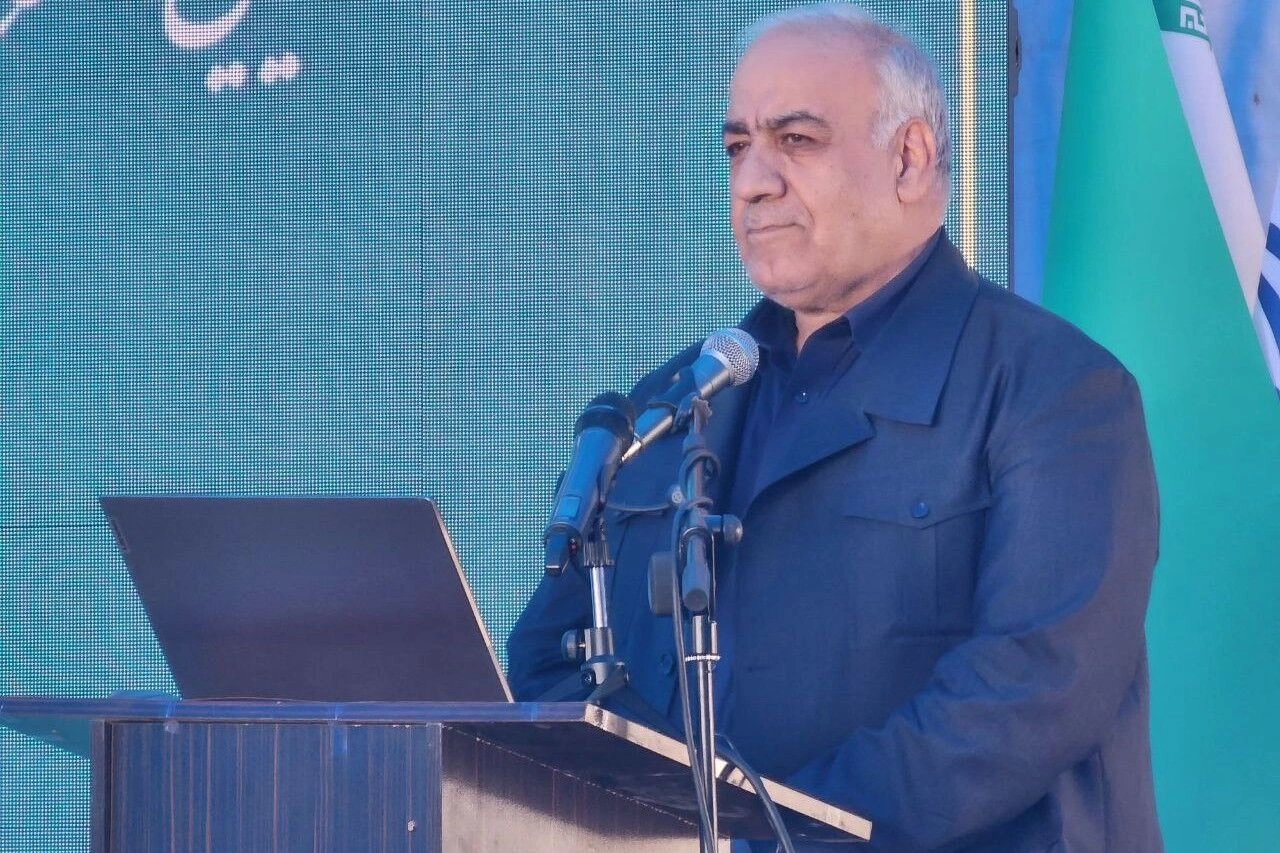
Speaking at a press conference held at the 9th Transportation,
Logistics, and Related Industries Exhibition in Tehran, Bazvand
noted that extensive work is underway on numerous projects aimed at
developing transport infrastructure across the country. Within the
framework of existing projects, four selected major highway
corridors occupy a strategic position in Iran’s regional
transportation network, serving as a key backbone for expanding
trade, transit, and logistics ties with neighboring states.
The official said that to ensure these routes become fully
functional, the construction of approximately 770 kilometers of
auxiliary roads is considered necessary. These additional routes
will connect main highways to border crossings, industrial zones,
and logistics centers.
The deputy minister added that shifting these initiatives from
the drawing board to the real deal could go a long way in boosting
Iran’s regional transit capacity, cutting transportation costs, and
knitting together economic ties with neighboring countries.
Bazvand also pointed out that seven major corridors in the
highway sector are currently at the implementation stage under a
public-private partnership (PPP) model. Among these projects, one
of the most strategically important is the Caspian Sea-Persian Gulf
corridor, which stretches from the Chalus district in Mazandaran
Province in the north to the Mahshahr district in Khuzestan
Province in the southwest. Approximately fifty-three percent of
this project is being constructed with private sector
participation. This strategy lightens the load on the state budget
while opening up a world of north–south transit possibilities,
tightening the bonds of inter-port connectivity, and bolstering
Iran’s standing as a key player in regional logistics.
The company official further stated that the Western Corridor,
which holds special importance among the country’s main highway
routes, has been formed within the concept of a national
transportation belt.
“This corridor starts from the Bazargan border crossing on the
border with Türkiye, extends to the Shalamcheh border crossing with
Iraq, continues to the Port of Chabahar in the southeast, and heads
toward the Sarakhs border crossing in the northeast before
returning to the Bazargan border to form a circular logistics
route.
This structure is designed to integrate transit connections
along Iran’s west–south–southeast–northeast axis into a single hub,
optimize domestic transport flows, and strengthen the country’s
role in regional and international trade routes,” Bazvand said.
Iran possesses significant transit potential, strategically
situated as a vital conduit between Central Asia, the Persian Gulf,
India, Russia, and Europe, with an estimated capacity of 200
million tons annually, substantially surpassing current volumes of
approximately 12-20 million tons in 2024-2025, hindered by
sanctions and infrastructural deficiencies, particularly in
rail.
Strategic assets such as Chabahar Port and the North-South
Transport Corridor (INSTC) are being built in collaboration with
partners including India, Russia, and Azerbaijan to realize this
potential, with the objective of facilitating the movement of
commodities by road, rail, and maritime routes, notwithstanding
existing infrastructure deficiencies and financial limits.
Stay up-to-date with more news on Trend News
Agency's WhatsApp channel