BAKU, Azerbaijan, September 19. On September
18, Turkmenistan’s President Serdar Berdimuhamedov signed a
resolution aimed at bringing the urea production plant in
Tejenkarbamid up to full design capacity.
This was announced in a statement issued by the press service of
the Turkmen government following a meeting chaired by President
Berdimuhamedov, during which Deputy Prime Minister Baimyrat
Annamammedov reported on the operations of the enterprises that are
part of the Turkmenhimiya State Concern.
"Having signed the document aimed at ensuring the effective
operation of the Tejenkarbamid plant, the head of state instructed
the deputy prime minister to carry out the relevant work in this
direction," the report says.
According to the report, the government is taking practical
steps to ensure the full utilization of the design capacity and
efficient operation of enterprises under the Turkmenhimiya State
Concern, particularly Tejenkarbamid.
The measures are intended to help meet domestic demand for the
plant’s products while increasing production volumes available for
export, the press service said.
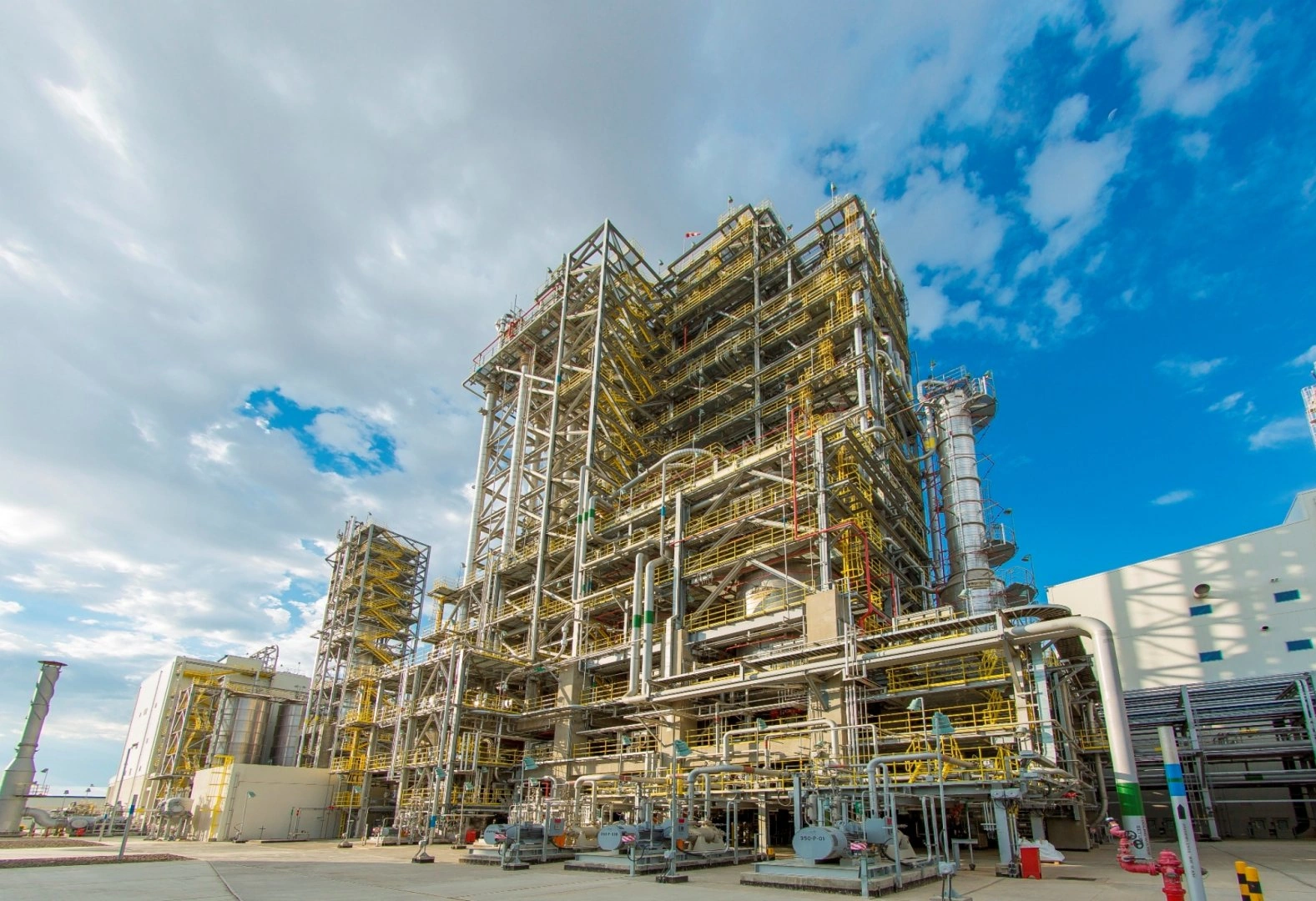
The Tejenkarbamid plant is located in Tejen, Ahal region, and is
one of Turkmenistan’s major fertilizer production facilities. The
plant has a design capacity of about 350,000 tons of urea per
year.
The move comes as Turkmenistan is simultaneously expanding its
fertilizer production capacity. The country operates several major
urea plants, including Marykarbamid and Garabogazkarbamid, while a
new urea complex with an annual production capacity of 1.2 million
tons is being developed in the Balkan region.
The new complex is being built by Japan’s Mitsubishi Heavy
Industries and Türkiye’s Gap Inşaat under a contract with the
Turkmenhimiya State Concern, with commissioning planned for
2030.