BAKU, Azerbaijan, September 16. Tajikistan’s
legislation provides investors with more than 240 types of
guarantees and incentives, including more than 110 tax and customs
preferences.
According to the press service of the President of Tajikistan,
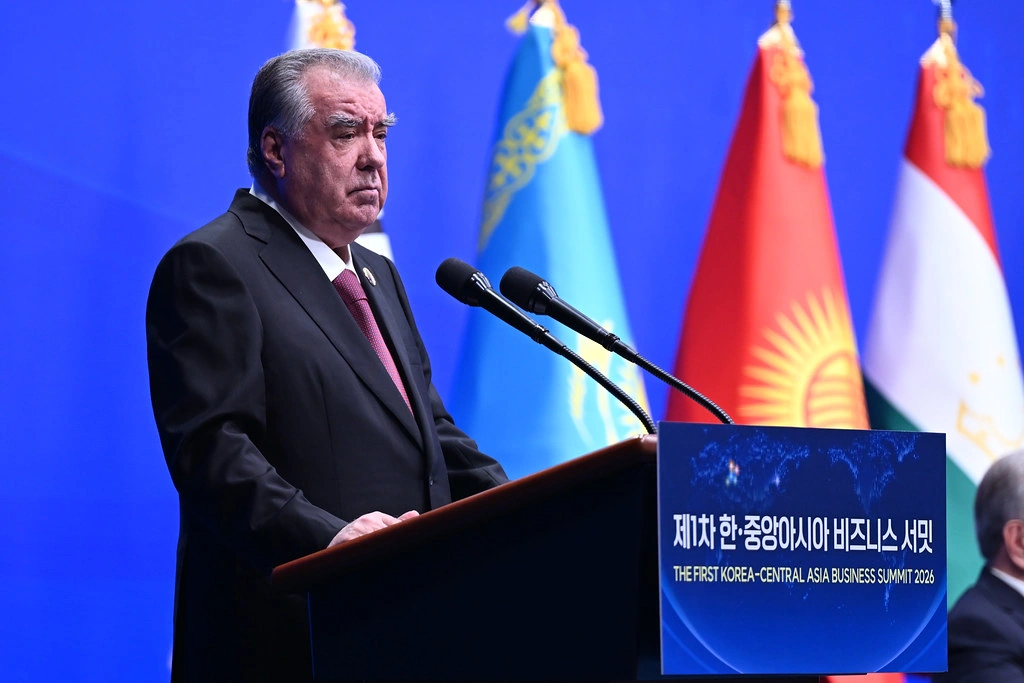
President Emomali Rahmon stated this on September 16 at the first
Korea - Central Asia Business Summit in Seoul.
"It was noted that the country’s legislation provides investors
with more than 240 types of guarantees and incentives, including
more than 110 tax and customs preferences," the statement said.
Furthermore, Emomali Rahmon emphasized that Tajikistan is taking
necessary measures to create favorable conditions for investors and
develop the private sector.
The President also noted that Tajikistan’s membership in the
World Trade Organization demonstrates the compliance of national
legislation in this area with international standards.
Furthermore, the head of state presented the country’s
investment opportunities and expressed the Tajik side’s readiness
to implement the agreements reached.
Meanwhile, Tajik President Emomali Rahmon is participating in
the first Central Asia-Republic of Korea Summit in Seoul on
September 16-17. The summit brings together the leaders of South
Korea and the five Central Asian countries - Kazakhstan,
Kyrgyzstan, Tajikistan, Turkmenistan and Uzbekistan - marking the
first elevation of the Korea-Central Asia dialogue to the leaders’
level. The meeting is focused on expanding cooperation in areas
including trade and investment, industry, energy, transport,
digitalization, technology and human capital.
During his visit to South Korea, Emomali Rahmon is presenting
Tajikistan’s investment opportunities and highlighting areas with
potential for greater cooperation with Korean businesses, including
critical minerals, mineral processing, energy, infrastructure,
technology and agriculture.
The summit provides Tajikistan with a regional platform to
promote its investment potential and discuss opportunities for
attracting Korean capital, technologies and expertise. It also
offers a framework for expanding practical cooperation between
South Korea and the Central Asian countries in strategic economic
sectors.