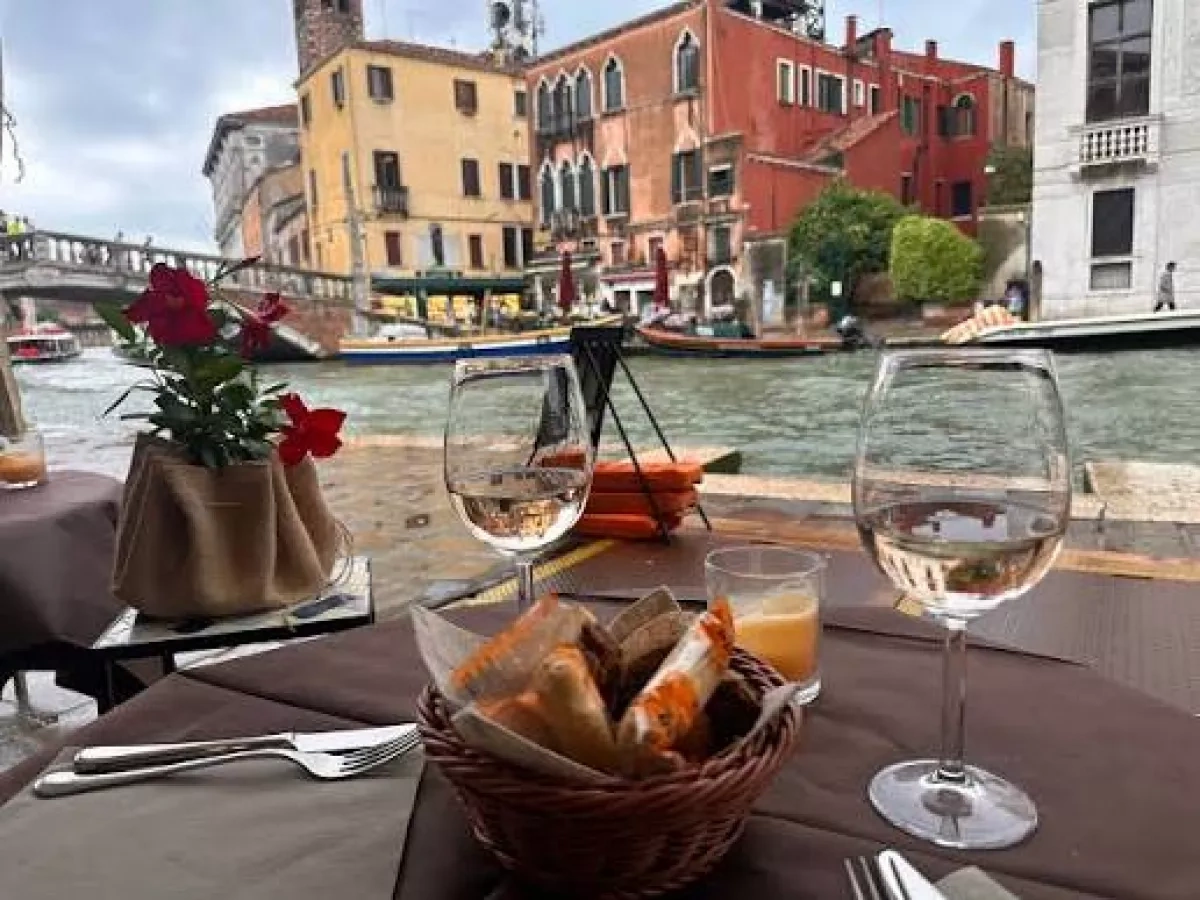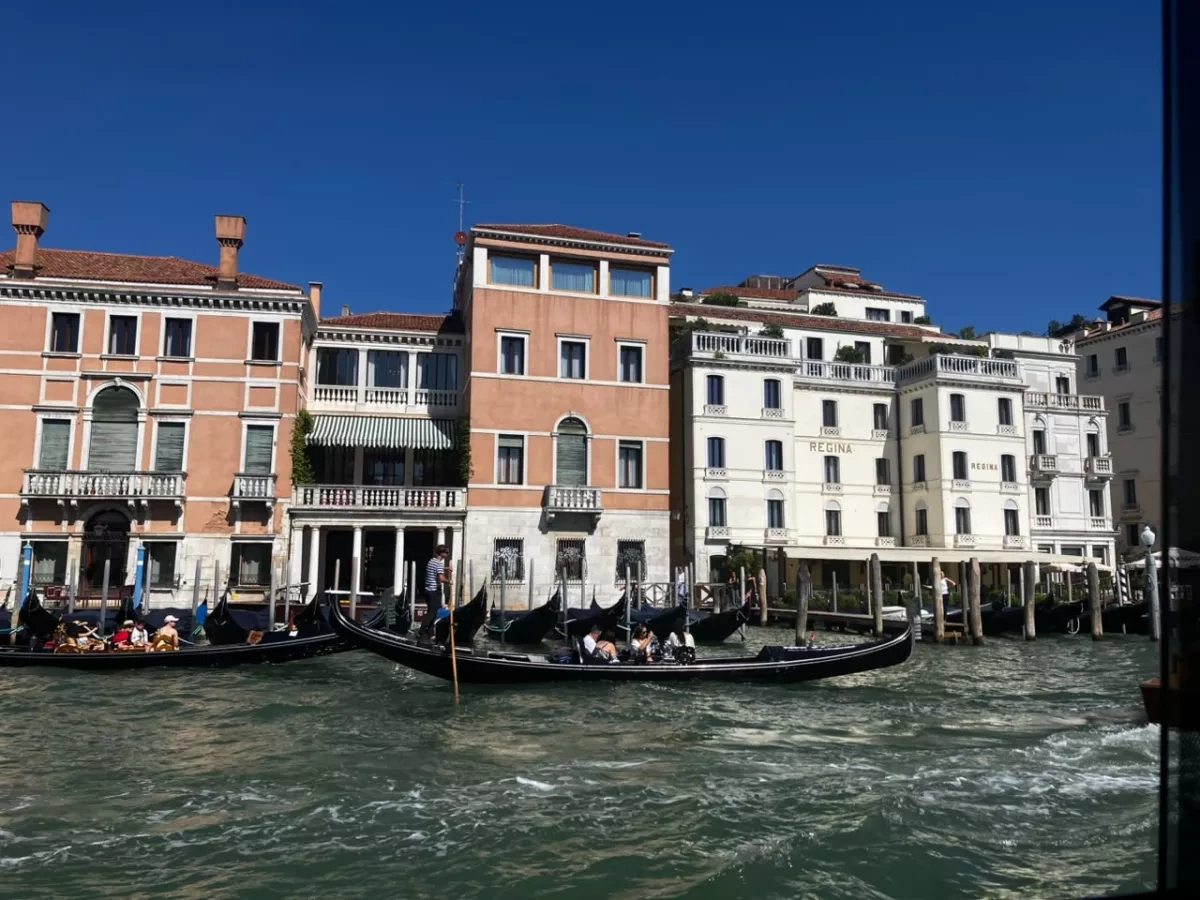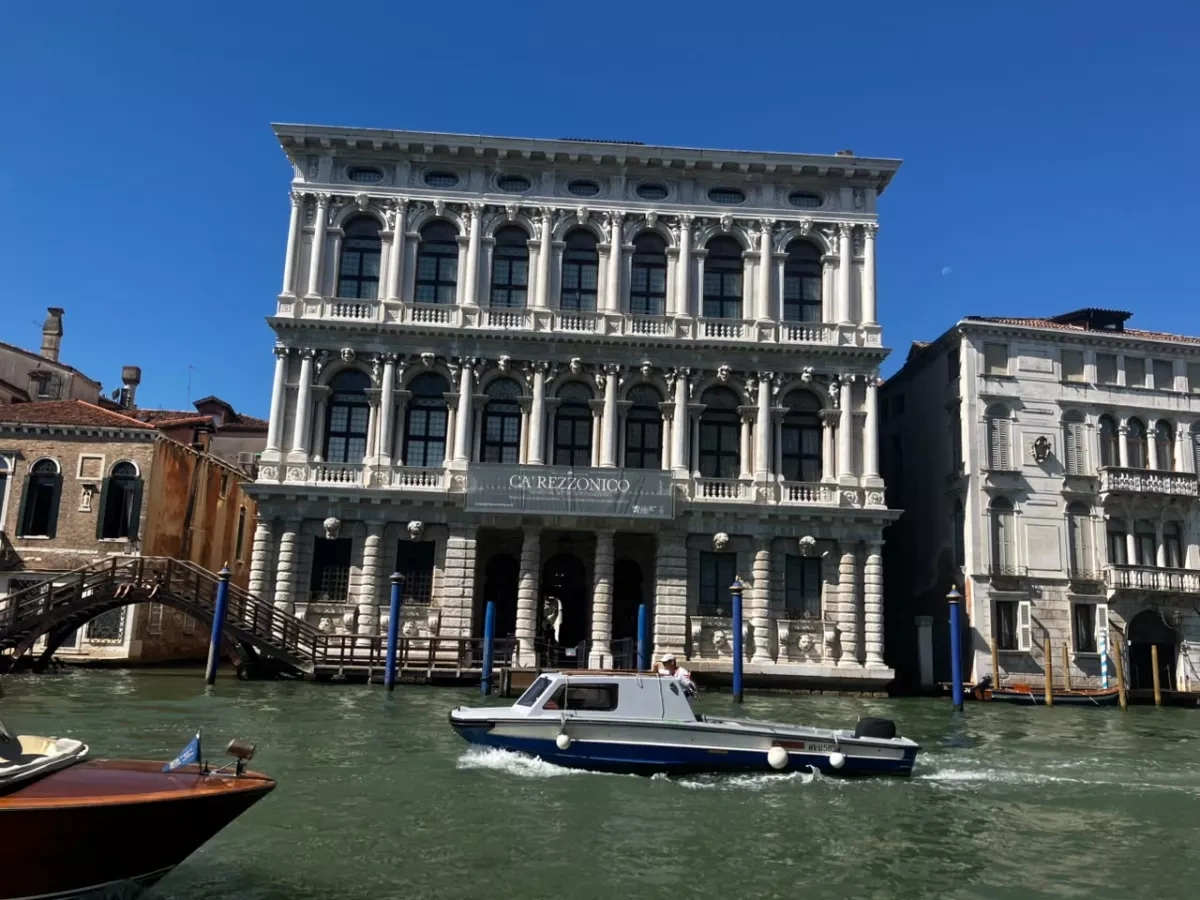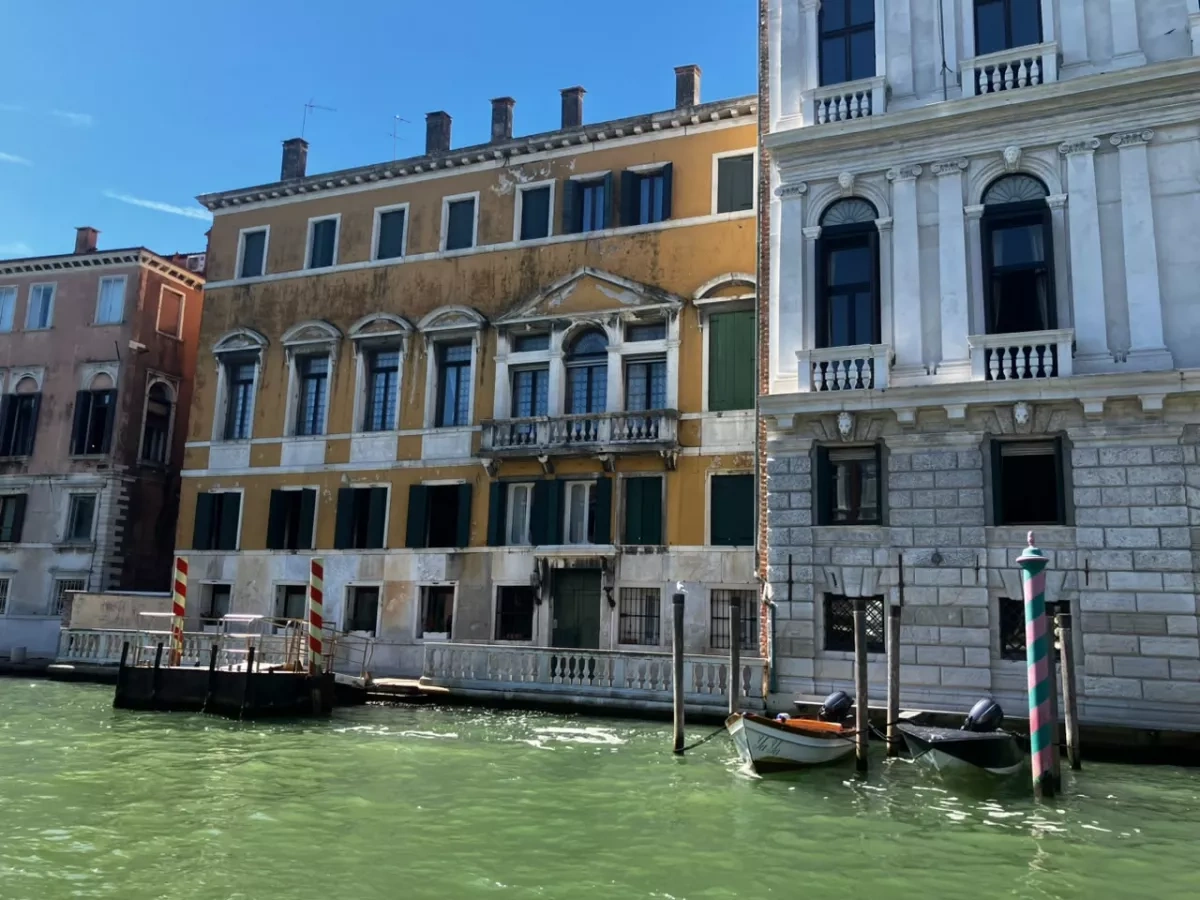
Venice is one of the world’s major tourist destinations, yet it is noticeably different from other popular cities. Despite the huge number of tourists from around the world, it strives to preserve its authenticity and historic character. This is particularly evident when compared with Rome or Milan: there are fewer permanent migrants here, while the flow of tourists is enormous.
Venice is rich in buildings that are 500–600 years old. Its historic districts are connected by hundreds of bridges, while the sheer number of architectural landmarks, historic palaces, hotels and simply magnificent buildings is breathtaking. All of this is particularly impressive when you consider that the buildings stand on a system of wooden piles driven into the lagoon floor, with a significant part of their foundations beneath the water. Yet many historic buildings are still inhabited or used as offices, hotels, shops and restaurants. The only real problem that is particularly difficult to deal with here is, perhaps, mosquitoes. So when choosing accommodation, it is worth considering how far it is from the lagoon itself, as well as the characteristics of the particular district.
Getting around Venice and its surrounding areas is possible by public transport, including buses and water buses known as vaporetti. Water taxis are also available, although they are a considerably more expensive option.
Practically every stop is surrounded by numerous cafés, restaurants and boutiques. Those looking for a beach holiday should head to the island of Lido, where both paid and free beaches are available.
Now, a word about prices. A meal for two at an ordinary café or restaurant can cost around €50, although the final bill depends on the establishment. Naturally, ordering alcohol will push the total higher.
Some products in supermarkets, however, can come as an unpleasant surprise in terms of price. Fruit and vegetables, for example, are often considerably more expensive than in Baku. Good-quality tomatoes can cost around €7–8 per kilogram, while ordinary apples can cost around €5.
On the other hand, Venice’s supermarkets may pleasantly surprise those who enjoy alcoholic drinks. Beer can be found for around €1 a can, while a bottle of wine starts at around €2.50–3, or roughly 5–6 manats. At the same time, for 6–10 manats, it is possible to find wine that would cost considerably more in Baku.
There is another important point to bear in mind: Venice gets very hot in summer. While at least some relief from high temperatures in Baku can come from the wind, the situation here can be quite different. High humidity and virtually no wind can make walking around the city rather exhausting. This is especially noticeable during the hottest part of the day.
At the same time, you cannot always count on public transport being cool either: on some forms of urban transport, air conditioning is either unavailable or does not work as well as one might hope. It is therefore better to plan sightseeing and longer walks for the afternoon, when the heat begins to ease.
There is another feature that tourists accustomed to longer shop opening hours should definitely keep in mind. Italy still retains a traditional working-day pattern, particularly among small family-run shops, cafés and restaurants. Some establishments observe what is known as the pausa pranzo — a midday break when staff and owners leave for lunch and some rest. As a result, a small establishment may well close at around 1 p.m. and reopen only at 3:30–4 p.m.
Shops also often close considerably earlier than people in Baku may be used to. Many operate until 7–8 p.m., while on Sundays some smaller shops do not open at all. It is therefore better to plan your shopping in advance rather than leave it until late in the evening. Yet these very peculiarities are part of what creates the city’s distinctive atmosphere: people here are accustomed to living at their own pace, making time not only for work but also for rest, family and socialising.
Venice truly lends itself to romance. The city itself — with its canals, bridges, historic buildings, narrow streets and evening lights — seems almost designed to make people fall in love. It is a city you first dream of visiting and then, once you have been there, find yourself dreaming of returning to.
By Vugar Vugarli, Venice, exclusively for Caliber.Az