BAKU, Azerbaijan, September 8. Uzbekistan’s
Tashkent region and South Korea’s Hwaseong are exploring expanded
cooperation in agriculture, including technology exchanges and the
deployment of seasonal agricultural workers.
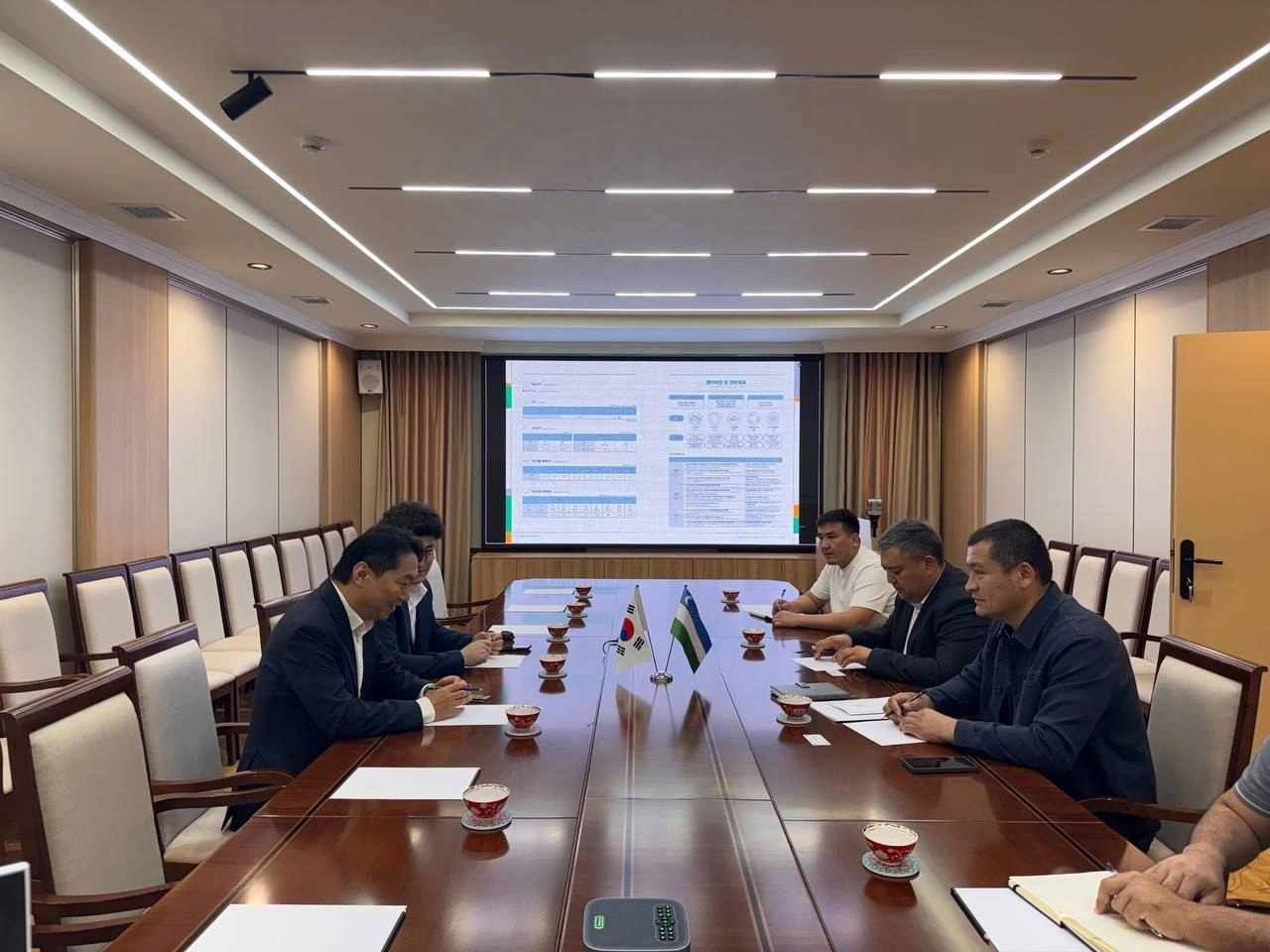
This was eflected in the statement by the Tashkent regional
administration, following a meeting between Khurshid Qoraboyev,
first deputy governor of Tashkent region for agriculture and water
management, and a delegation from Hwaseong.
The sides discussed establishing exchanges of experience and
modern agricultural technologies, as well as developing practical
cooperation between the two regions.
Particular attention was given to arrangements for sending
seasonal agricultural workers from Tashkent region to Hwaseong. The
sides discussed the possibility of establishing cooperation in this
area and working toward the necessary agreements.
“Strengthening direct cooperation between regions creates
opportunities not only to exchange agricultural experience and
technologies, but also to develop practical projects that can
benefit both sides,” the Tashkent regional government said.
The discussions reflect broader efforts by Uzbekistan’s regions
to build direct international partnerships and attract modern
technologies and expertise to the agricultural sector.
For Tashkent region, cooperation with Hwaseong could provide
opportunities to learn from South Korea’s experience in modern
agricultural production, technology application and workforce
management. For Hwaseong, closer ties with Uzbekistan could support
cooperation with agricultural producers and institutions in one of
the country’s key agricultural regions.
The two sides identified further practical cooperation in
agricultural technologies and seasonal labor mobility as priority
areas.
The regional government said the agreements and initiatives
discussed at the meeting are expected to provide a foundation for
further cooperation between Tashkent region and Hwaseong.
The partnership also comes as Uzbekistan seeks to expand
international cooperation at the regional level, using direct ties
with foreign cities and provinces to promote technology transfers,
workforce opportunities and practical economic projects.