On September 4, Siranush Sahakyan, who describes herself as an “advocate” for Armenian war criminals convicted and imprisoned in Baku, once again sought to inject a religious dimension into the Armenian-Azerbaijani agenda. According to her claim, “Christian identity is becoming an additional vulnerability factor for Armenian prisoners held in Azerbaijan.” She alleged that the prisoners are being subjected to pressure on religious grounds, including the alleged removal of Christian symbols, restrictions on receiving the Bible, and being forced to read the Quran. In support of her claims, Sahakyan cited international sources, including the U.S. Commission on International Religious Freedom (USCIRF).
The USCIRF report published in March 2026 does indeed contain a claim that the prisoners were prohibited from “receiving religious items,” including the Bible. However, this information is based exclusively on statements from family members. This raises an obvious question: has anyone independently verified these allegations? Especially since the same report cites the Azerbaijani government’s position that prisoners have access to religious materials.
According to Sahakyan, “the religious factor could complicate dialogue with Baku.” But what exactly is she seeking to achieve by portraying the issue in religious terms and thereby artificially aggravating Armenian-Azerbaijani relations?
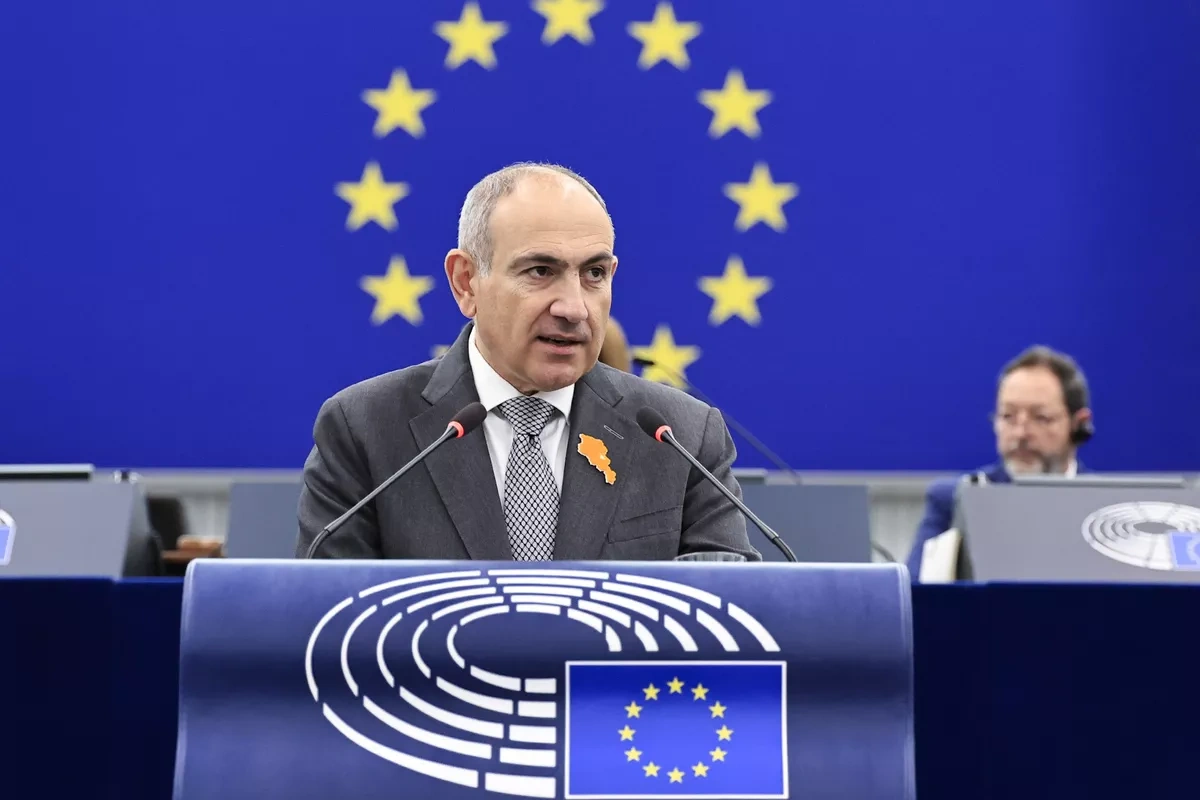
It is telling that almost simultaneously with the publication of the USCIRF’s March report, Armenian Prime Minister Nikol Pashinyan, speaking at the European Parliament, expressed his gratitude to Azerbaijani President Ilham Aliyev for facilitating the delivery of cargo to the neighbouring country through Azerbaijani territory. Pashinyan described it as a great honour to brief members of the European Parliament on developments in the South Caucasus that have “century-long, if not millennia-long significance,” and which, he said, were brought about by the signing in Washington on August 8, 2025, of a joint declaration between Azerbaijan and Armenia that “essentially established peace” between the countries.
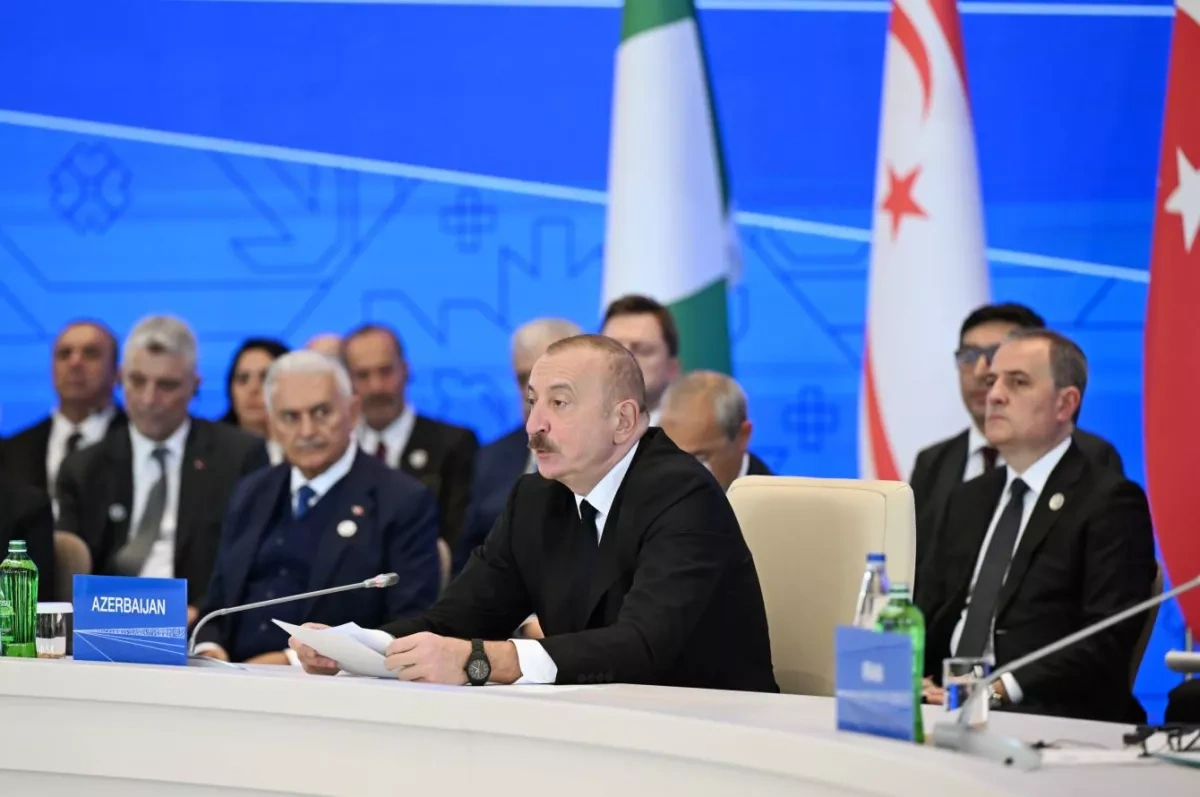
And just a week ago, a press statement issued in connection with the meeting between the President of Azerbaijan and the Prime Minister of Armenia on the sidelines of the SCO summit in Bishkek once again demonstrated the practical substance of this peace. The export of Azerbaijani petroleum products to the neighbouring country, as well as the transit of grain and other goods from third countries through Azerbaijani territory, were described as important manifestations of the dividends of peace. The sides also welcomed contacts between their business communities and discussed opportunities for further expanding mutually beneficial economic, trade and energy cooperation.
Whose interests is Sahakyan serving? In any case, let Armenia’s official authorities consider that question, if they are genuinely interested in this aspect. Talk of “violations of religious rights” in Azerbaijan sounds particularly cynical when one recalls the consequences of Armenia’s 30-year occupation of Azerbaijani territories. Back in 1996, National Leader Heydar Aliyev spoke of the destruction in the occupied territories of homes, schools, administrative buildings, mosques and places of worship; the desecration of Muslim cemeteries; the burning of copies of the Holy Quran; and the destruction of monuments of ancient Islamic culture.
During the 30 years of occupation, 20 per cent of Azerbaijan’s territory was completely devastated: of the 67 mosques there, 65 were destroyed, while the remaining two were severely damaged and used as stables for pigs and cows. President Ilham Aliyev described this as “disrespect and insult toward the Islamic faith and Muslims around the world.” In vandalising cemeteries, the occupiers also looted and transported gravestones to Armenia.
Against this backdrop, attempts to portray Azerbaijan as a state that systematically violates religious rights appear not merely unfounded, but also historically and morally untenable. Is this not a similar picture to that of present-day Armenia, from which indigenous inhabitants — Azerbaijanis — were forcibly expelled from their ancestral lands?
Speaking about the Goychay Mahal and Zangezur, National Leader Heydar Aliyev noted: “Now, when you speak of the Goychay Mahal and Zangezur, the heart of our people bleeds; they live with thoughts of those lands.” He also recalled the Azerbaijani Blue Mosque in Yerevan (Göy məscid), built in the second half of the 18th century during the Erivan Khanate. Heydar Aliyev noted that, along with other mosques destroyed in Armenia, the Blue Mosque had been handed over by the Armenian authorities to the Iranian side, after which it began to be presented as an Iranian rather than an Azerbaijani mosque. Describing this as a fraud, he stressed that he could cite numerous similar examples.
Today, not a single Azerbaijani remains in Armenia, while Azerbaijani cemeteries, cultural sites and religious monuments have been subjected to destruction and demolition.
In 2024, representatives of Azerbaijani NGOs and civil society activists, in an open letter to the Director-General of UNESCO, pointed to the destruction of more than 500 Azerbaijani cemeteries in Armenia. The letter also cited specific examples, including the Demirbulag Mosque in Yerevan, which was demolished by bulldozers, the 16th-century Sardar Mosque, destroyed in several stages, and other places of worship. In total, the authors listed more than 300 religious and cultural heritage sites.
The ethnic cleansing also inflicted damage on the intangible cultural heritage of Azerbaijanis. Yet, as the saying goes, the cart remains where it was: biased individuals and international organisations continue to apply a policy of double standards toward Azerbaijan.
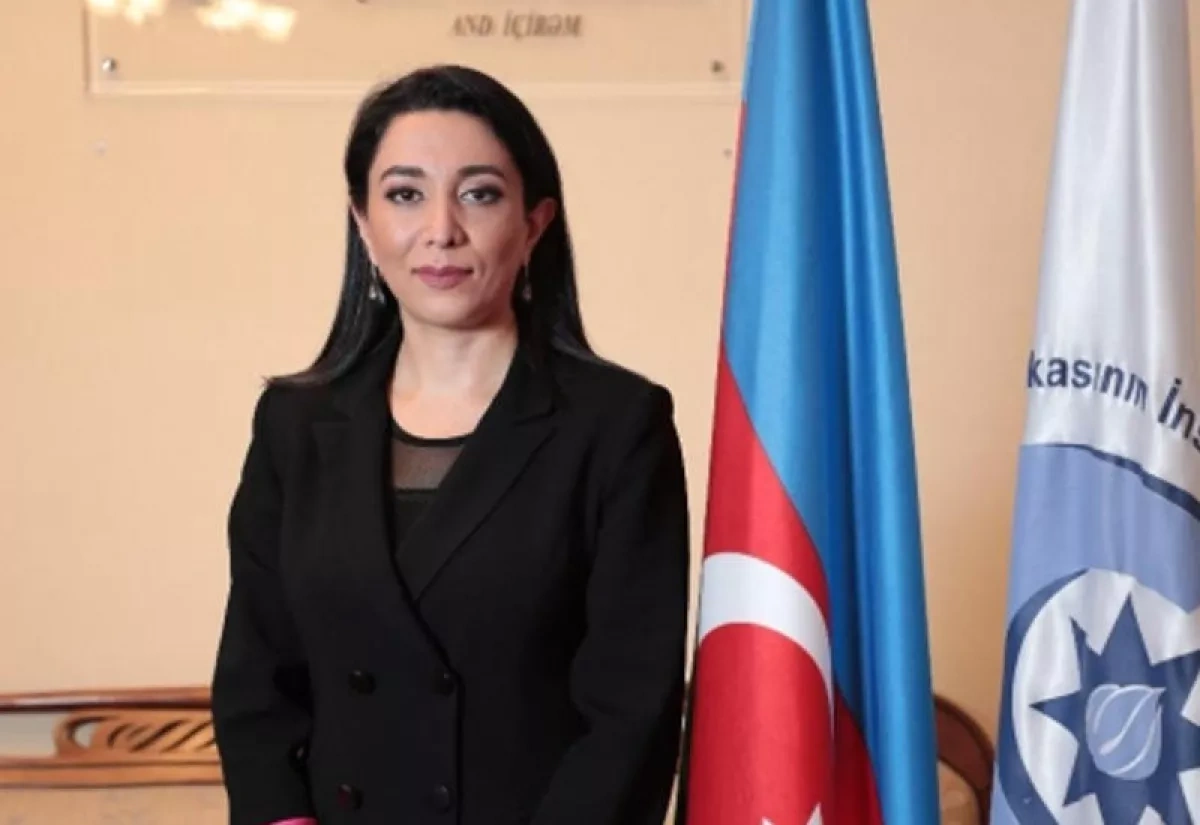
Nevertheless, Baku continues to pursue a policy aimed at advancing the peace process. As Azerbaijan’s Ombudsperson Sabina Aliyeva emphasised, presenting unverified information on religious grounds deepens mistrust between the societies and undermines the atmosphere necessary for peace and reconciliation. She also noted that human rights protection does not allow facts to be distorted for political purposes or an image of the enemy to be created along religious lines. Therefore, those working in this field should rely on objective and verified facts and avoid rhetoric that could undermine peace and mutual trust.
Will those who continue to pursue a policy of double standards toward Azerbaijan heed this call?