BAKU, Azerbaijan, September 7. The Convention
on the Legal Status of the Caspian Sea provides an important
framework for cooperation among the five littoral states, UN
Resident Coordinator in Turkmenistan Xiaojun Grace Wang said.
According to the press service of the UN Resident Coordinator in
Turkmenistan, Wang made the statement at the opening of the
international training course “The Caspian Sea: Sustainable
Development and Management” in Ashgabat.
“The five littoral states have established important foundations
through the Convention on the Legal Status of the Caspian Sea, the
Tehran Convention and its Protocols,” Wang said.
She noted that international law establishes rights and
responsibilities, provides predictability and trust, and enables
countries to address shared challenges through agreed rules and
institutions.
“International law can support sustainable development - not
simply through agreements, but through their effective
implementation,” Wang said, referring to the Caspian Sea as a
practical example.
Wang also linked the issue to 2028, which was proclaimed by the
UN General Assembly, at Turkmenistan’s initiative, as the
International Year of International Law.
She said the UN is ready to work with the Caspian countries on
implementing these principles and connecting regional commitments
with national action.
“The United Nations stands firm to partner with the Caspian
countries,” Wang said.
According to Wang, the UN can also help connect environmental
science with economic and social policy and support the development
of solutions through technology, financing and partnerships.
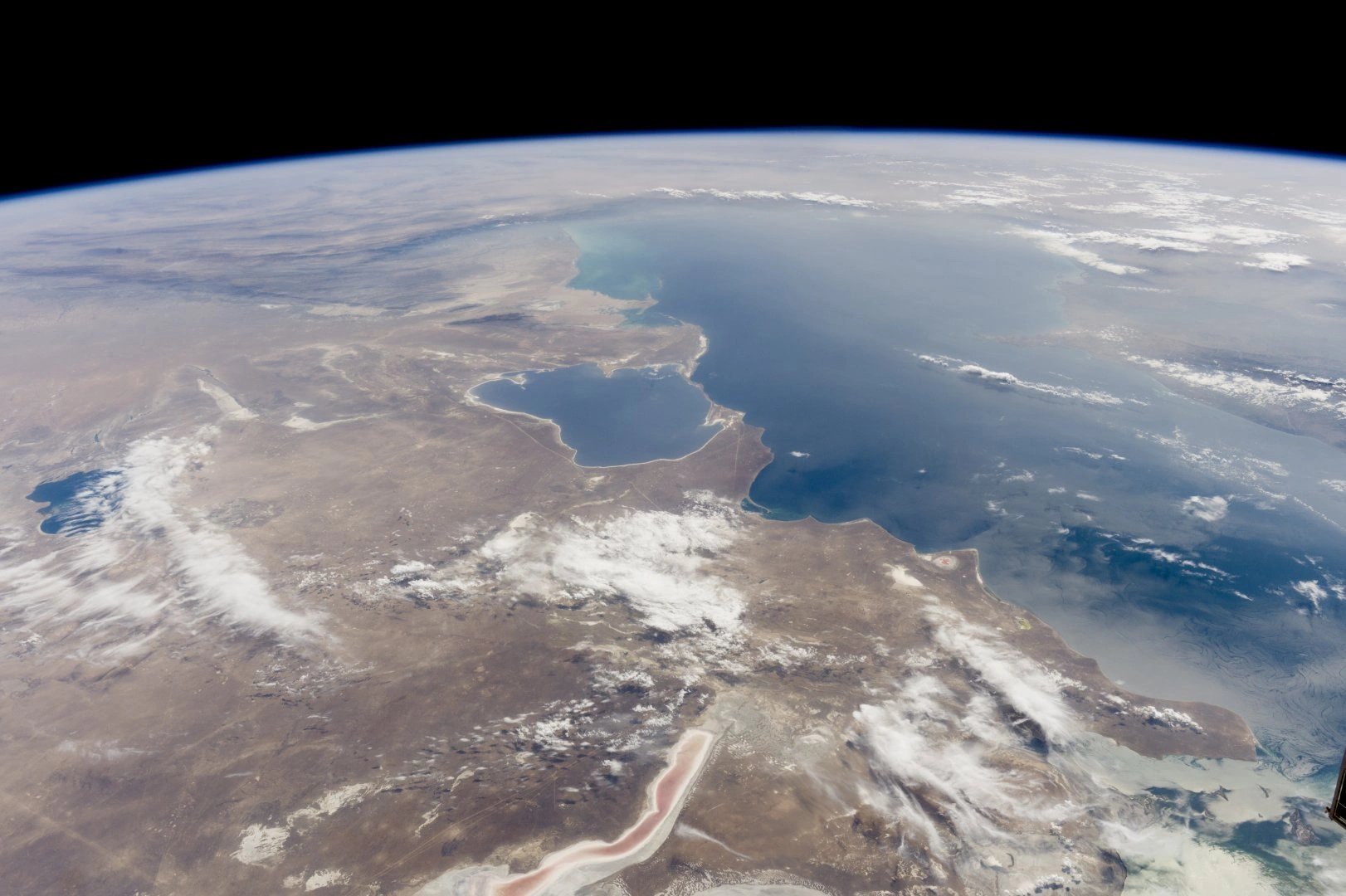
Meanwhile, the Caspian Sea plays an important economic role for
the five countries on its shores, supporting energy production,
maritime transport, fisheries, trade and regional connectivity. Its
location between Central Asia, the South Caucasus and the wider
European market also gives the sea importance for the development
of international transport routes linking landlocked countries with
global markets.
The Caspian Sea has become particularly important for the
development of the Trans-Caspian International Transport Route,
also known as the Middle Corridor. The route connects China and
Central Asia with the South Caucasus and Europe, with maritime
links across the Caspian connecting ports in Kazakhstan and
Turkmenistan with the Port of Baku in Azerbaijan. Turkmenbashi,
Aktau and Kuryk on the eastern coast and Baku on the western coast
are therefore becoming increasingly important elements of
multimodal cargo transportation between Asia and Europe.
For Turkmenistan, the Caspian Sea is particularly significant
because it provides access to international maritime trade despite
the country's landlocked position in Central Asia. The Turkmenbashi
International Seaport has become a key part of the country's
transport infrastructure, linking Turkmenistan with Azerbaijan and
other markets through maritime and multimodal routes. Cooperation
between the ports of Turkmenbashi and Baku is aimed at increasing
cargo traffic across the Caspian and strengthening their role as
logistics hubs along the East-West transport corridors.