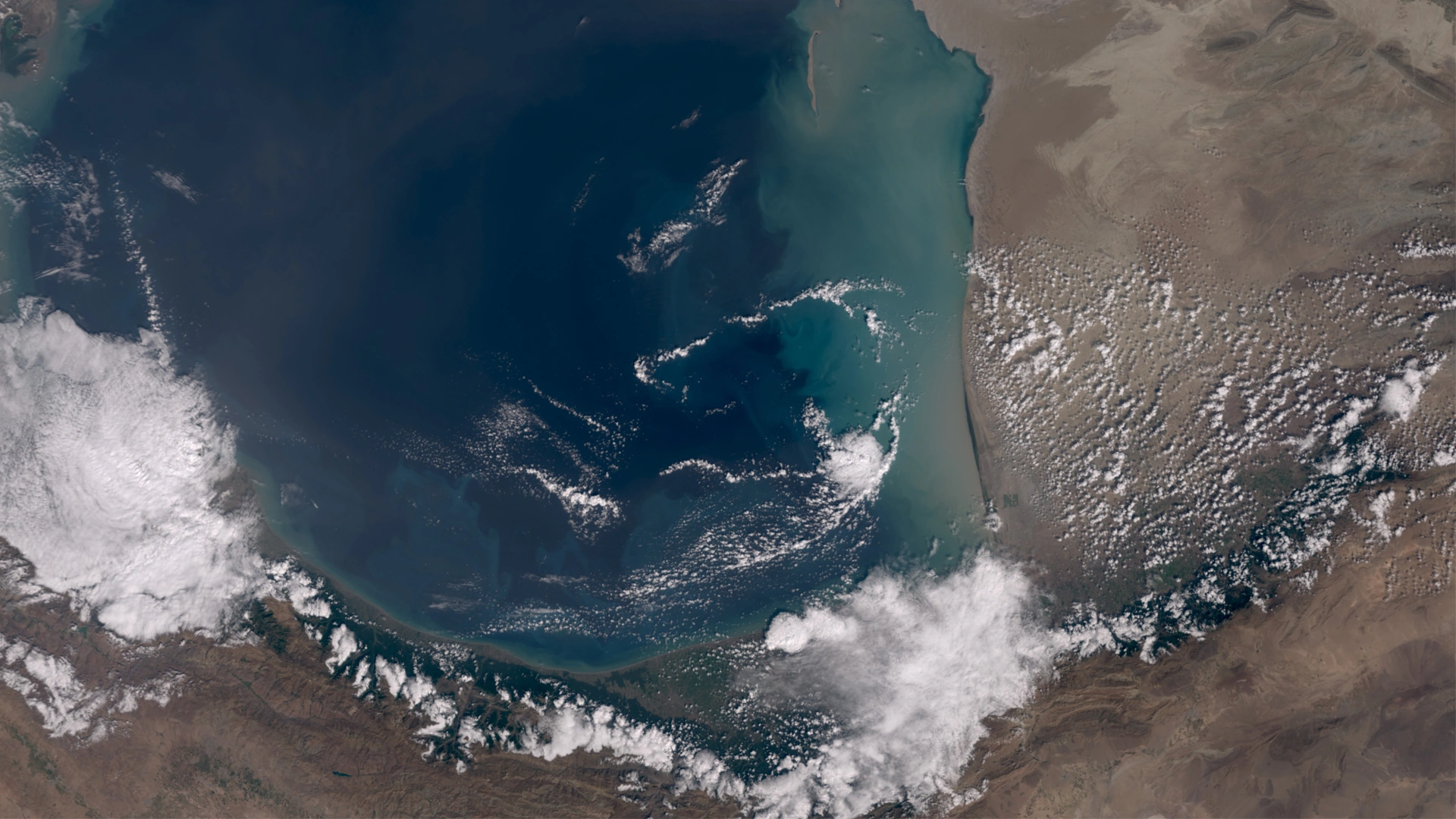
BAKU, Azerbaijan, September 7. The Caspian Sea
is a strategic space for sustainable development, supporting
energy, ports, transport corridors, trade, and connectivity, UN
Resident Coordinator in Turkmenistan Xiaojun Grace Wang said.
According to the press service of the UN Resident Coordinator in
Turkmenistan, Xiaojun Grace Wang made the statement at the opening
of the international training course “The Caspian Sea: Sustainable
Development and Management” in Ashgabat.
“The Caspian Sea is a strategic space for sustainable
development,” Wang said.
She noted that the sea is increasingly affected by climate
change, pollution and changing water levels, making it necessary to
balance economic development with environmental sustainability.
According to Wang, governments need reliable data on water
levels, biodiversity, pollution and climate risks to make better
policy and investment decisions, while international law provides a
predictable framework for cooperation among the five Caspian
states.
She also said the UN is supporting regional initiatives linking
environmental protection with economic development, including the
GEF-backed Blueing the Caspian Sea initiative and ESCAP's work on
sustainable transport, connectivity and regional economic
cooperation.
Notably, the Caspian's economic role has gained increasing
attention as changing water levels affect ports, shipping routes
and coastal infrastructure across the region. For Turkmenistan,
whose Turkmenbashi International Seaport serves as a key gateway
for Trans-Caspian cargo flows, maintaining efficient maritime
connectivity has become increasingly important for trade and
logistics.
The sea is also central to offshore energy production,
fisheries, and regional transport projects linking Central Asia
with Azerbaijan and onward to Europe, making its long-term
management an increasingly important issue for both economic
planning and regional cooperation.