BAKU, Azerbaijan, August 25. Kazakhstan has
allocated 384 billion tenge (about $809.0 million) for repair
programs at power plants ahead of the 2026-2027 heating season.
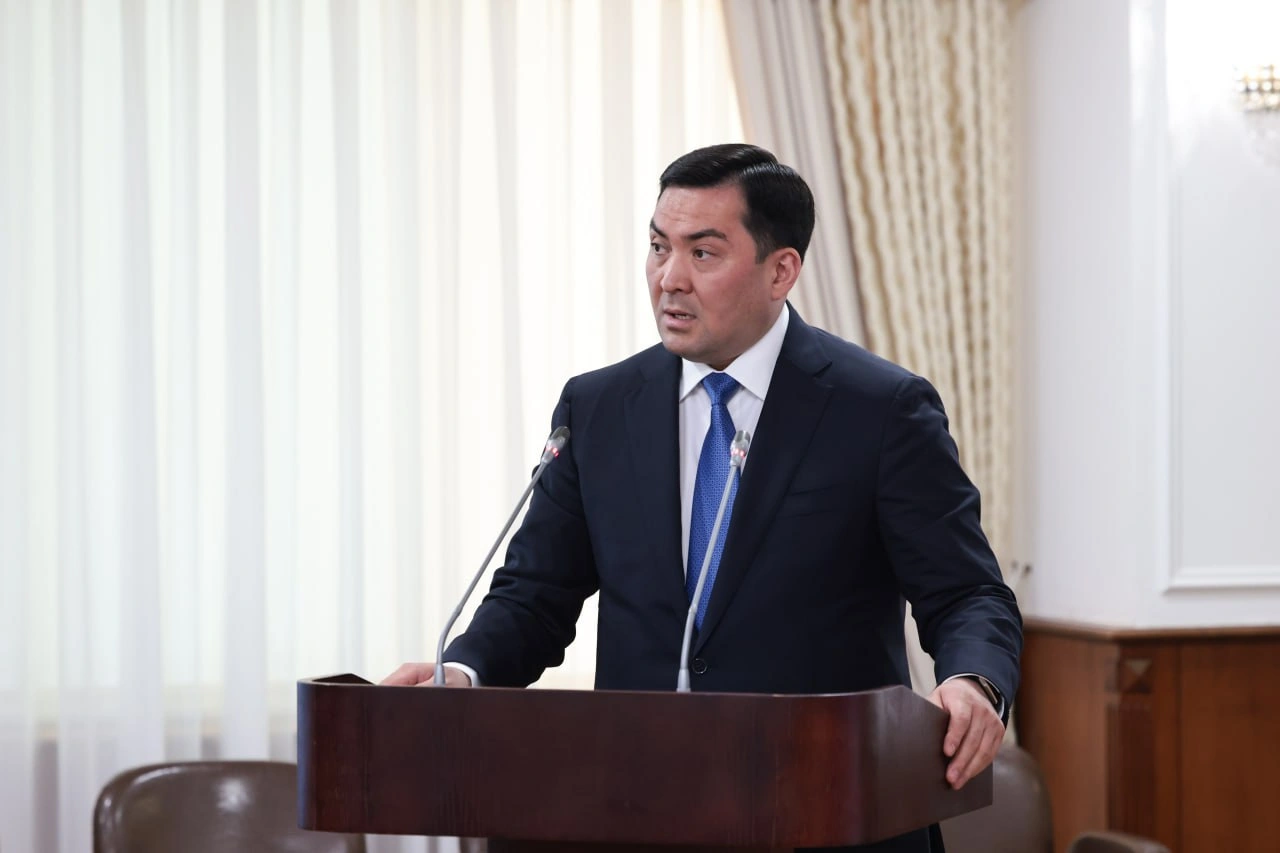
This was announced by the press service of the Kazakh
Government, citing Energy Minister Yerlan Akkenzhenov's remarks at
the Government meeting.
According to the information, the meeting reviewed preparations
for the country's energy and utilities infrastructure for the
upcoming autumn-winter period, including repair works, fuel
reserves and digital monitoring tools.
Under the system operator's schedule, nine power units, 55
boilers and 51 turbines are due to undergo repairs this year. Work
is already underway at various stages on three power units, 33
boilers and 24 turbines.
The total funding for power plant repair programs has increased
by 9% compared with last year.
Regional electricity grid companies have planned repairs on
17,100 km of transmission lines and 444 substations. Readiness
currently stands at 91% and 84%, respectively.
The number of technological incidents at power plants decreased
by 5.6% year-on-year to 891 in the first seven months of the year.
At the same time, increased accident rates at several facilities
were investigated by the Committee for Atomic and Energy
Supervision and Control, with relevant measures taken.
The minister said that to take urgent measures to prepare energy
infrastructure, 27.9 billion tenge (about $58.8 million) has been
allocated from the Government reserve. Of this amount, 12.7 billion
tenge ($26.8 million) was allocated for the repair and construction
of heat sources, 8.4 billion tenge ($17.7 million) for heating
networks, and 6.8 billion tenge ($14.3 million) for the
reconstruction of power grids.
A total of 196.8 billion tenge ($414.7 million) has been
allocated for the reconstruction and overhaul of 377 km of heating
networks. This includes 82.5 billion tenge ($173.8 million) in
budget funds, 98.1 billion tenge ($206.7 million) under the
National MEXS Project, and 16.2 billion tenge ($34.1 million) under
tariff estimates.
Funding for heating network preparations has increased by 34%,
while the volume of work has grown by 14%. So far, 246 km, or 65%
of the planned volume, has been upgraded.
Energy facilities have also accumulated the required fuel
reserves, including 4.2 million tons of coal and 137,000 tons of
fuel oil, 2% more than last year's level.
A schedule has been approved for the delivery of 255,000 tons of
socially important fuel oil starting in September. At the same
time, Akkenzhenov called for the prompt repayment of energy
companies' outstanding debts for supplied gas. Their debt to
QazaqGaz Aimaq currently amounts to 71.9 billion tenge ($151.5
million).
Households and the utilities sector are expected to require 7.3
million tons of coal during the upcoming heating season, including
1.6 million tons for the utilities sector and 5.7 million tons for
households.
Demand has declined from 8.3 million tons last year due to the
implementation of Kazakhstan's General Gasification Scheme through
2035.
To prevent shortages of solid fuel, the Energy Ministry has
launched a unified digital platform incorporating artificial
intelligence and predictive analytics. The system integrates data
from 36 coal mining companies, 29,000 railway gondola cars, 586
coal terminal operators, and more than 1.2 million consumers,
enabling real-time monitoring of supply chains and automatic
identification of logistics risks.