BAKU, Azerbaijan, August 25. Uzbekistan
presented a series of initiatives aimed at attracting new
investment for land restoration, climate resilience and sustainable
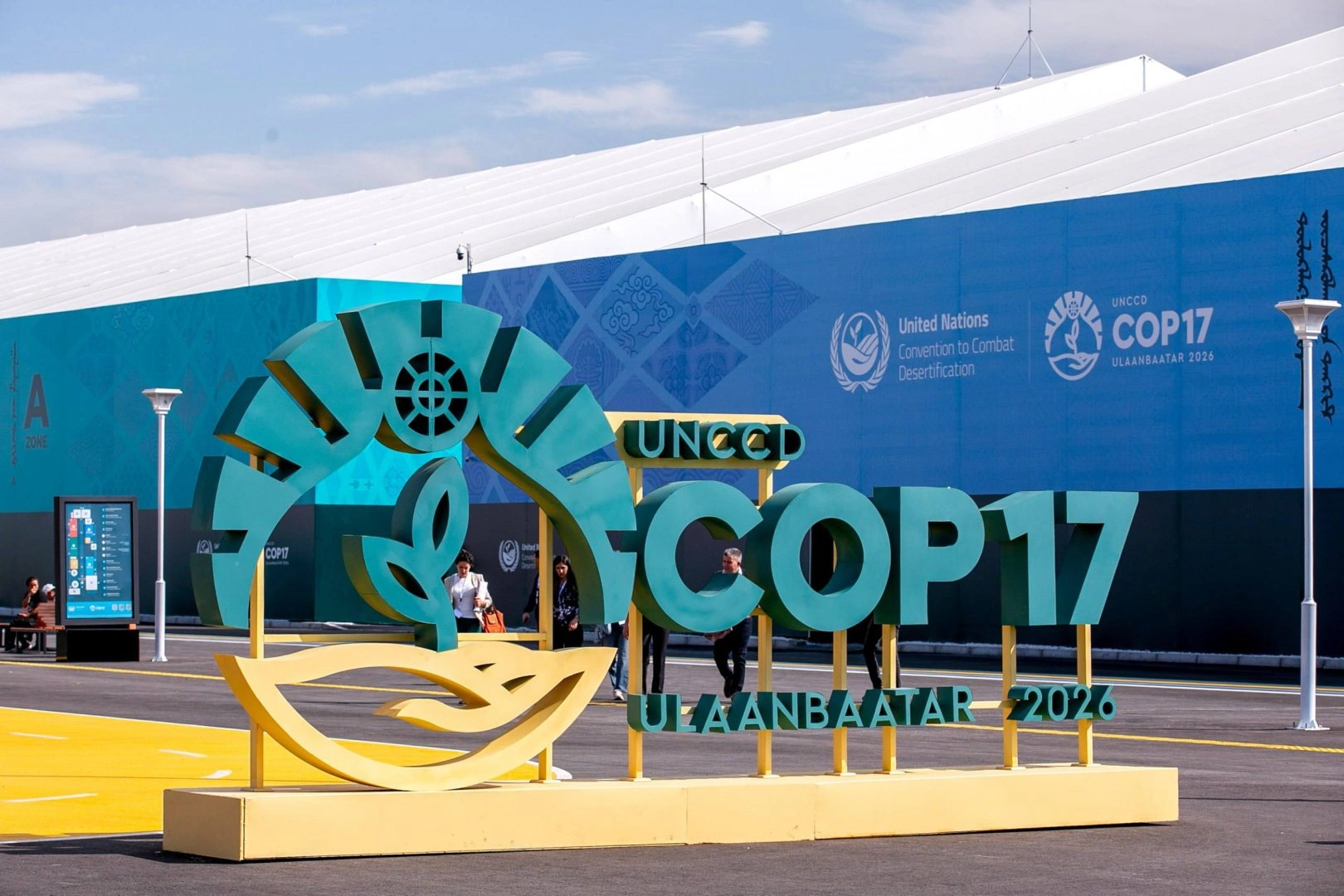
agriculture at the UN Convention to Combat Desertification’s COP17,
highlighting projects designed to turn successful environmental
investments into scalable, finance-ready programs.
This was reflected in the statement by the National Committee on
Ecology and Climate Change of Uzbekistan, following a side event
titled “From Investment to Impact” at the Uzbekistan National
Pavilion.
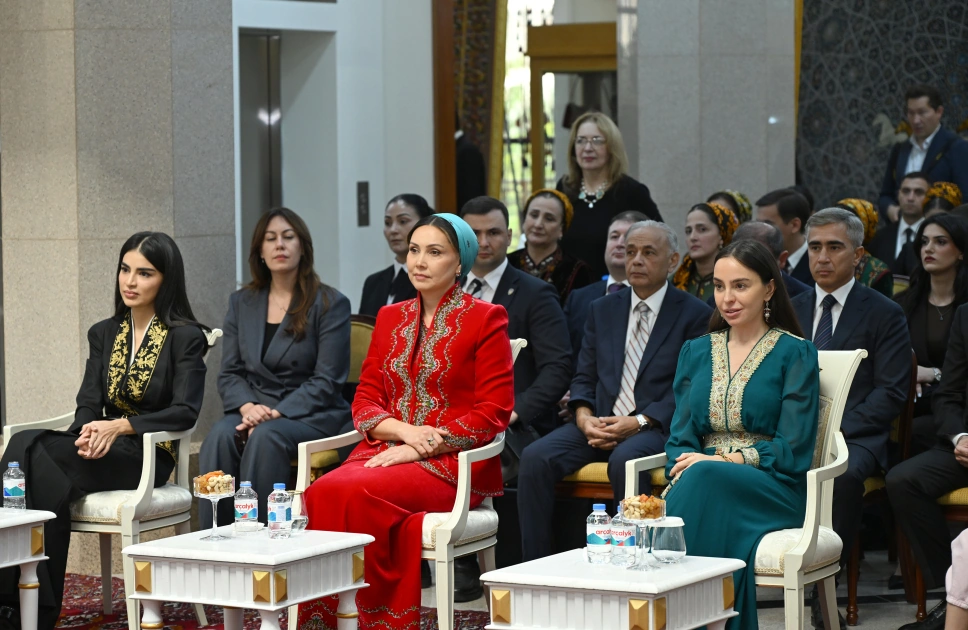
The event brought together Aziz Abdukhakimov, presidential
adviser on environmental issues and chairman of the National
Committee for Ecology and Climate Change; ICBA Director General
Tarifa Alzaabi; Green University Rector Bakhtiyor Pulatov; and ICBA
CAC postdoctoral researcher Marguba Rejapova.
Abdukhakimov highlighted Uzbekistan’s experience in
Karakalpakstan, where a $5.1 million grant from the Abu Dhabi Fund
for Development supported a project to develop climate-resilient
agricultural systems on degraded land in 2023.
The project established three demonstration sites, tested
climate-resilient crops, and developed approaches to soil, water
and agricultural management.
“Today, the task is not only to assess the results of initial
investments, but to institutionalize successful solutions, scale
them up and attract the next generation of investment,”
Abdukhakimov said.
The program expanded in 2025-2026 to reach 4,144 additional
farmers across all 15 districts of Karakalpakstan, while more than
20.9 tons of quality seeds were produced and distributed.
Participants also presented a proposal to establish the Central
Asian Center for Biosaline Agriculture and Climate Resilience
(CABACRH) at Green University. The center would combine field
projects, laboratory research, workforce training and the practical
application of climate-resilient technologies.
A planned $5 million spirulina research laboratory would focus
on microalgae, water resources and salinity while also providing
training facilities for students, researchers and farmers.
Another proposal calls for establishing a Drylands Project Lab
at Green University to develop investment-ready land restoration
projects. The lab would prepare projects using baseline data,
budgets, environmental and social safeguards, key performance
indicators and potential financing sources.
The first international cohort is proposed for 2027, involving
specialists from Central Asia, Mongolia and other dryland
regions.
Participants also discussed developing a regional standard for
land restoration quality and a monitoring, reporting and
verification system to measure not only restored land area but also
vegetation recovery, soil health, water balance, productivity and
socioeconomic outcomes.
The initiatives are intended to help Uzbekistan build a pipeline
of bankable environmental projects that could attract financing
from international financial institutions, climate funds, bilateral
partners and private investors.