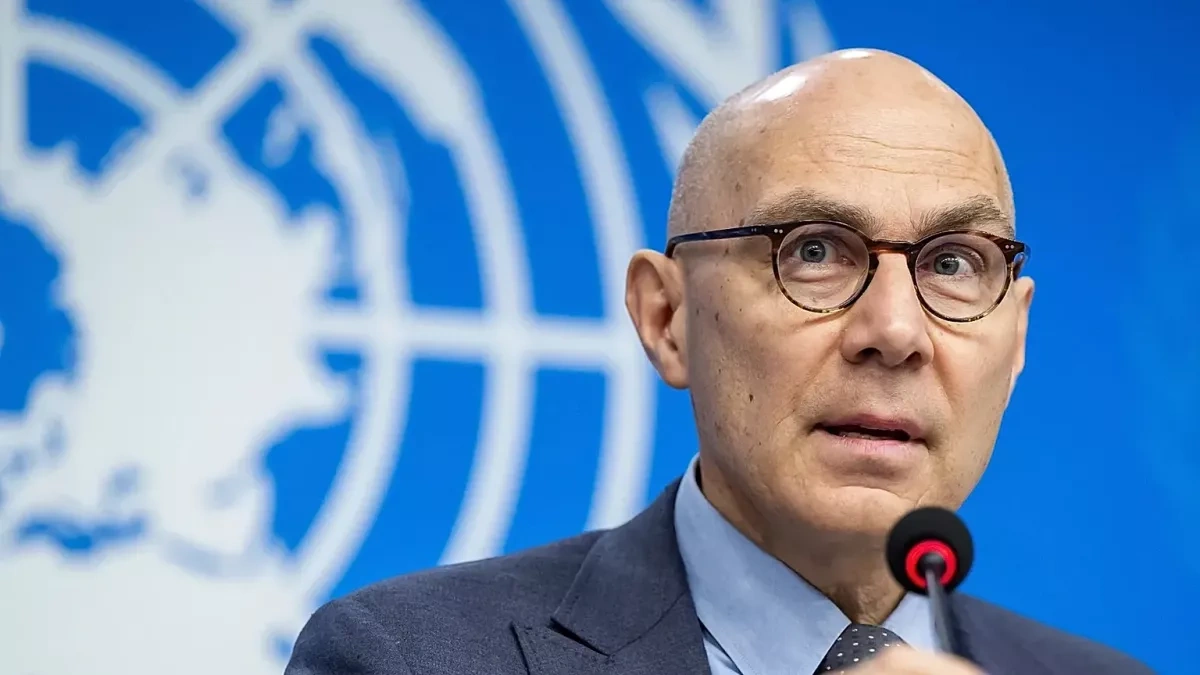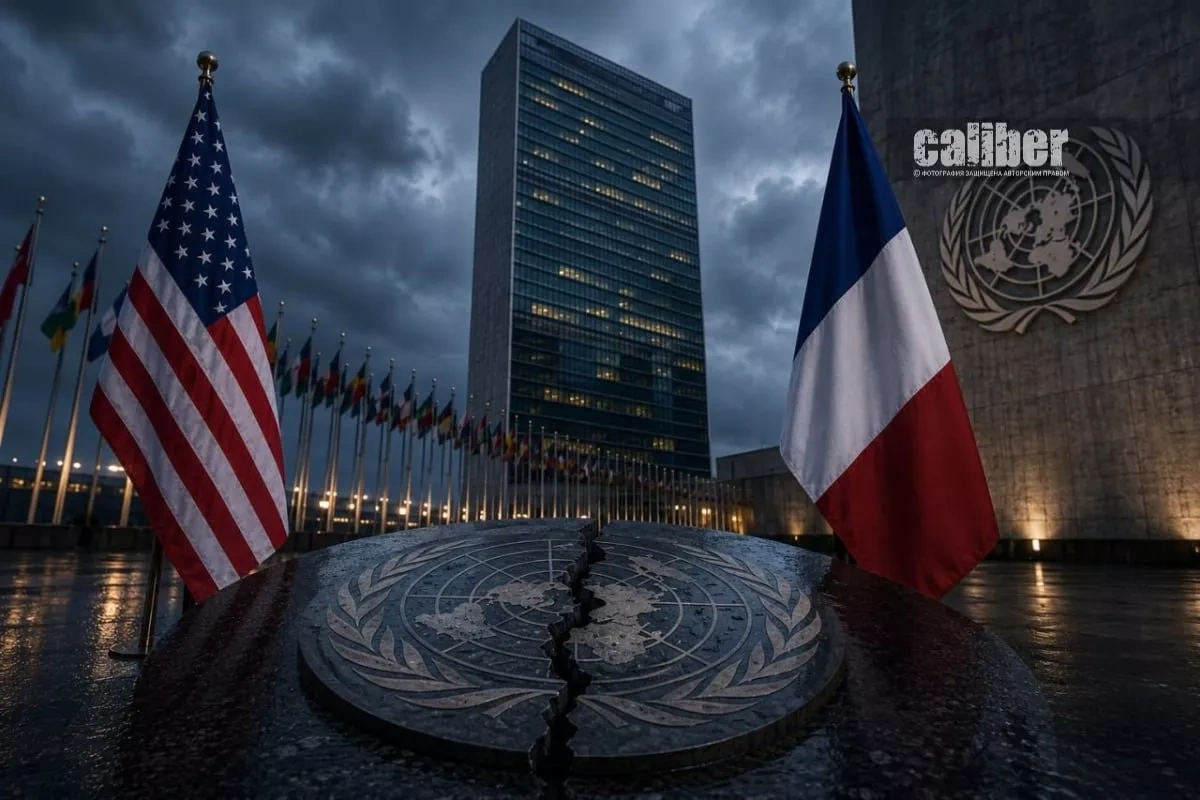
France and the United States have once again found themselves on opposite sides of the barricades. This time, the source of disagreement is the issue of reappointing the United Nations High Commissioner for Human Rights, Volker Türk, to a new four-year term.
The extension of Türk's mandate was supported by member states, with only 10 voting against the proposal and 13 delegations abstaining. Those voting against included the United States, Israel, Russia, and North Korea.
Washington's move was enough for members of France's Permanent Mission to the United Nations to accuse the United States, saying that it "used to be a beacon of human rights. Not anymore. Today, it stands alongside North Korea, Nicaragua, Mali & Russia, isolated. And the world no longer listens to it."
In response, U.S. Ambassador to the United Nations Mike Waltz accused France of enabling "some of the worst human rights abusers," particularly by supporting "someone who has been lecturing, free, sovereign democracies like the United States, the UK, and Israel, while cozying up to the world’s worst oppressors."
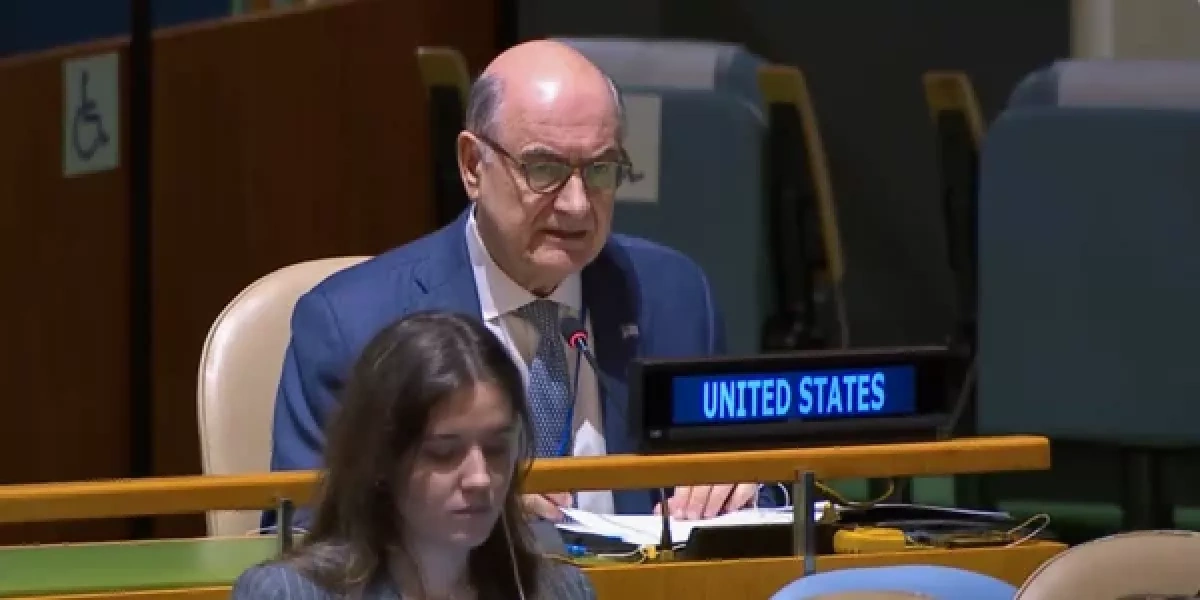
The political scandal escalated further on Monday when American diplomats demonstratively walked out of the UN meeting hall during the speech of the French representative.
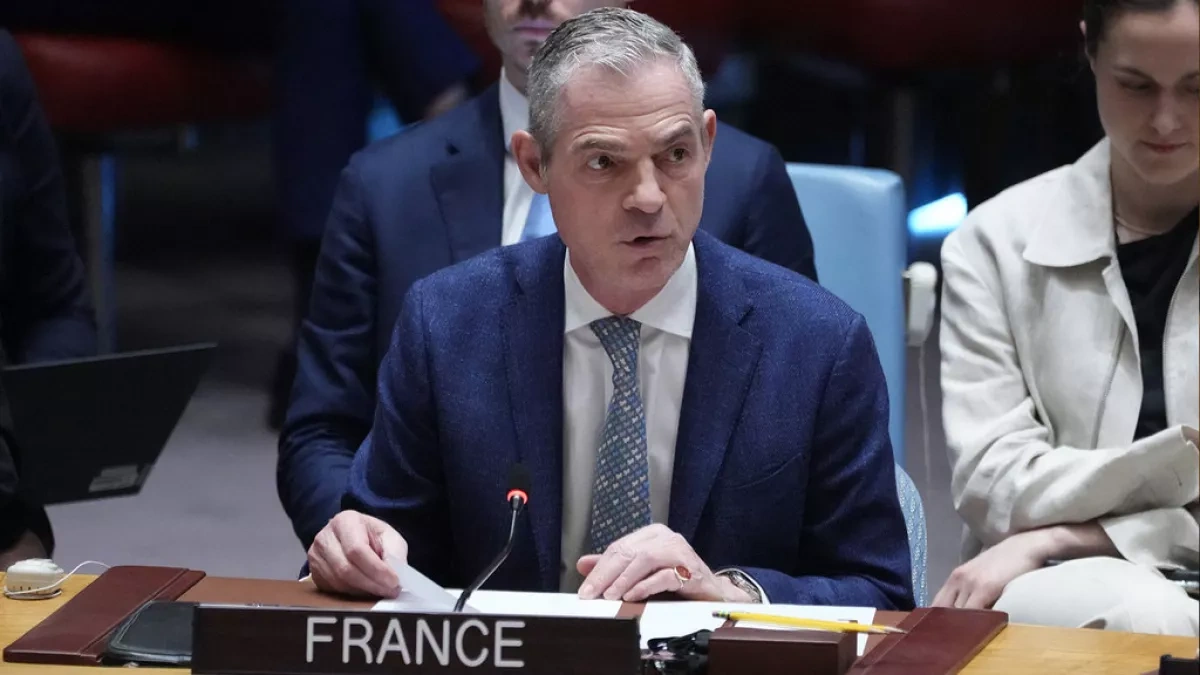
At the conclusion of the session, France's Ambassador to the United Nations, Jérôme Bonnafont, emphasising Paris's efforts "to preserve this institution, its independence, its ability to act in service of the charter and act to serve human rights and peace," reminded those present that France had once helped the United States gain its independence.
This final remark immediately prompted many observers to recall U.S. President Donald Trump's statement at the World Economic Forum in Davos in January 2026, when he said that if the United States had not come to Europe's aid during the Second World War, "you'd all be speaking German and little Japanese perhaps."
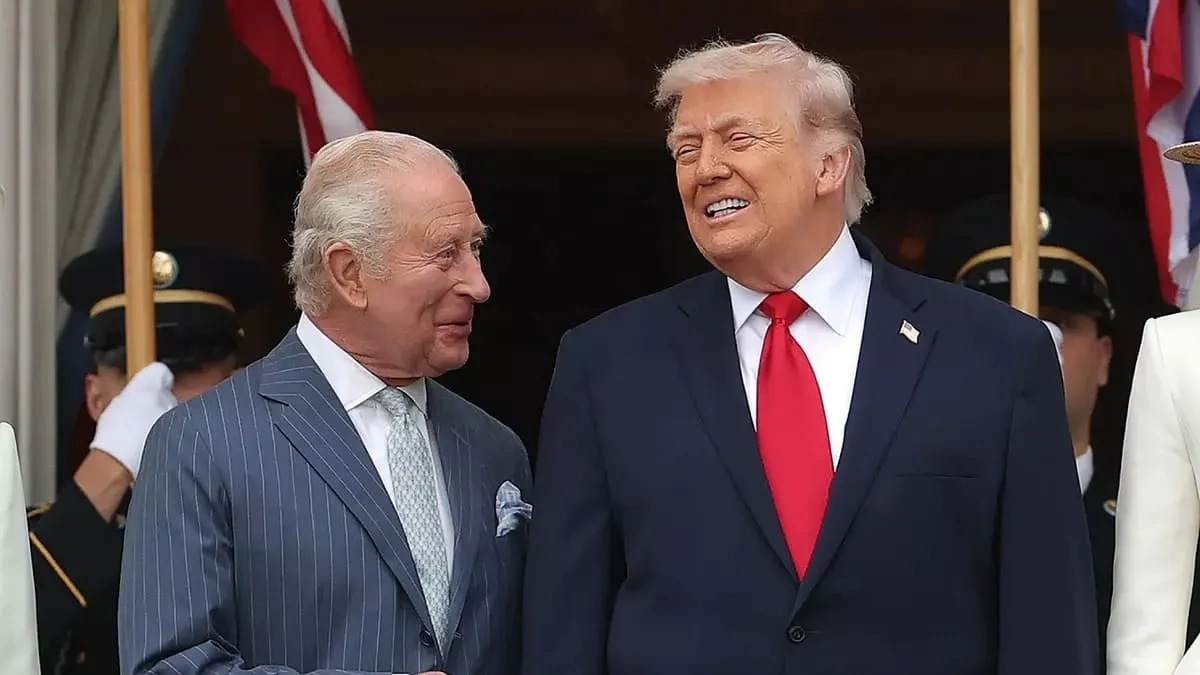
Therefore, Bonnafont's emphasis on France's role in helping the United States achieve independence was interpreted by a number of analysts as a belated, yet nevertheless direct, response to Trump's remarks. This was further reinforced by the fact that during his state visit to the United States in April 2026, King Charles III of the United Kingdom, in characteristically British fashion, also responded to Trump's Davos comments by saying: "If it wasn't for us, you'd be speaking French," referring to the eighteenth-century struggle between Britain and France for control of North America.
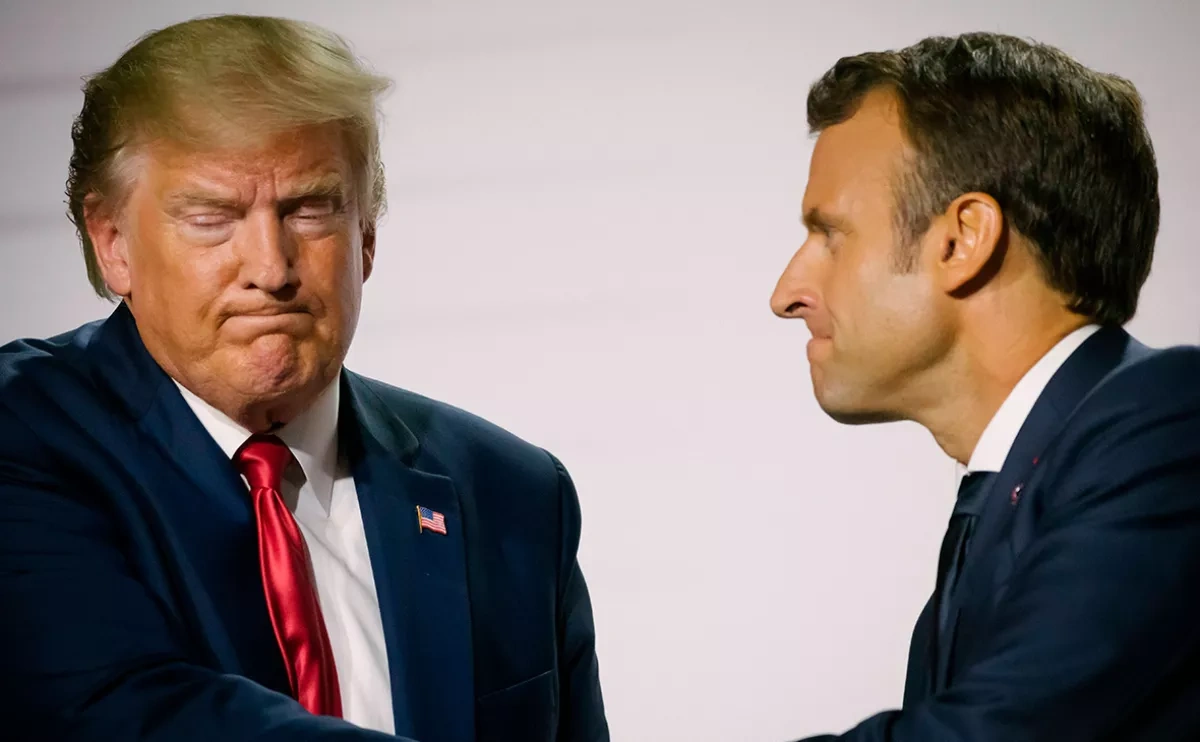
Thus, the current exchange of barbs between Paris and Washington is far from being a recent phenomenon. Moreover, Trump has repeatedly made rather caustic remarks about Emmanuel Macron.
For example, in January, after Macron rejected Trump's proposal to join his newly established "Board of Peace," citing the body's limited authority, the U.S. president said that the French leader would join as soon as the White House imposed a 200 per cent tariff on French wines and champagne. He then added that "nobody wants” to see Macron, because “he's going to be out of office very soon."
Trump made similar remarks about Macron in March 2026 after the French president announced that France would not join the operational task force to reopen the Strait of Hormuz until hostilities had ended.
Some experts also do not rule out the possibility that Washington reacted with a degree of jealousy to Paris's proposal to extend France's "nuclear umbrella" over Europe.
Incidentally, France's long-standing geopolitical rival, Germany, has already expressed its agreement with Paris on the issue of "nuclear participation." In July, the two sides identified the objective of their cooperation in this area as strengthening the security of both countries and the European continent as a whole in order to create “greater uncertainty for our adversaries.”
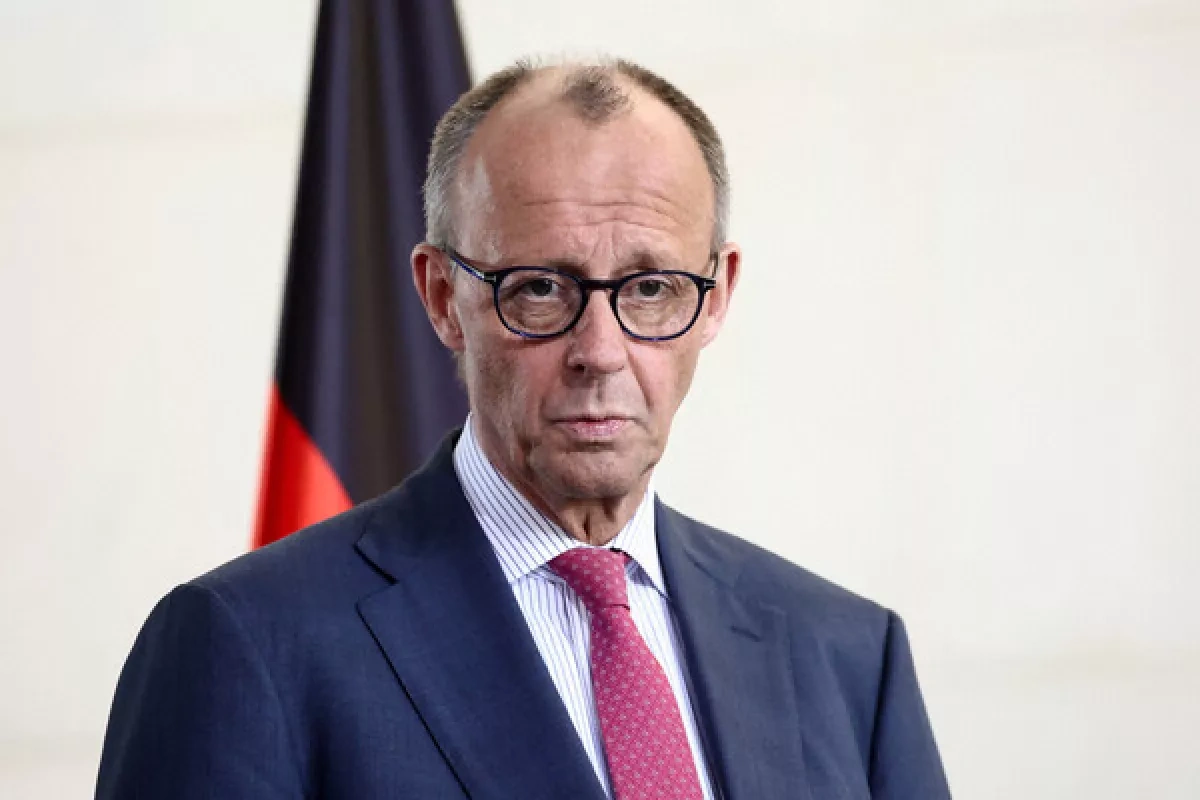
Chancellor Friedrich Merz, recalling that Germany had previously declined to come under the French "nuclear umbrella," stated that "the world we live in today requires new answers."
In July, Poland also held its first consultations with France within the framework of the Nuclear Cooperation Steering Group. More broadly, Norway, Lithuania, the Netherlands, Belgium, and Denmark have also joined France's "nuclear umbrella" initiative.
In light of the above, one of the key questions in global geopolitics in recent days has been the form that this, so to speak, ideological confrontation between Paris and Washington will take going forward. It is quite evident that Trump will not ignore either France's position or Paris's assessment of the United States' role as a global leader in the protection of human rights.
At present, it is known that Dan Negrea, the U.S. Ambassador representing the United States at the UN Economic and Social Council, has stated that the U.S. delegation to the United Nations will continue its anti-French protests until France abandons what he described as its "condescending and disrespectful rhetoric."
As for Paris, Macron is unlikely to retreat from the call he made in July urging European allies to move forward with projects such as the Jewel early warning system (a European initiative for the rapid detection of threatening missile launches), the development of indigenous long-range strike capabilities, and numerous other initiatives aimed at transforming Europe into a genuine industrial power.
At this stage, according to the majority of experts, the ball in the U.S.-French geopolitical game is in Trump's court.