Despite the ongoing crisis in relations between Moscow and Yerevan, it is still premature to speak of a complete rupture between them. Armenian-Russian relations can currently be described as a “controlled cooling”: the two sides regularly exchange harsh statements, yet continue to maintain dialogue and avoid open confrontation.
The reason for this approach is largely evident. Armenia remains heavily dependent on Russia economically: the Russian market continues to be one of the key destinations for Armenian exports, while remittances also play an important role. In addition, Yerevan remains a member of the Eurasian Economic Union (EAEU), and the Russian 102nd Military Base continues to operate in the Armenian city of Gyumri, with Armenian authorities not currently considering its withdrawal. Moscow, for its part, is also not interested in a breakdown of relations: the Kremlin seeks to preserve its influence in the South Caucasus and does not intend to let Armenia move fully into the embrace of the West. Therefore, despite the tough rhetoric, both sides prefer negotiations over open confrontation.
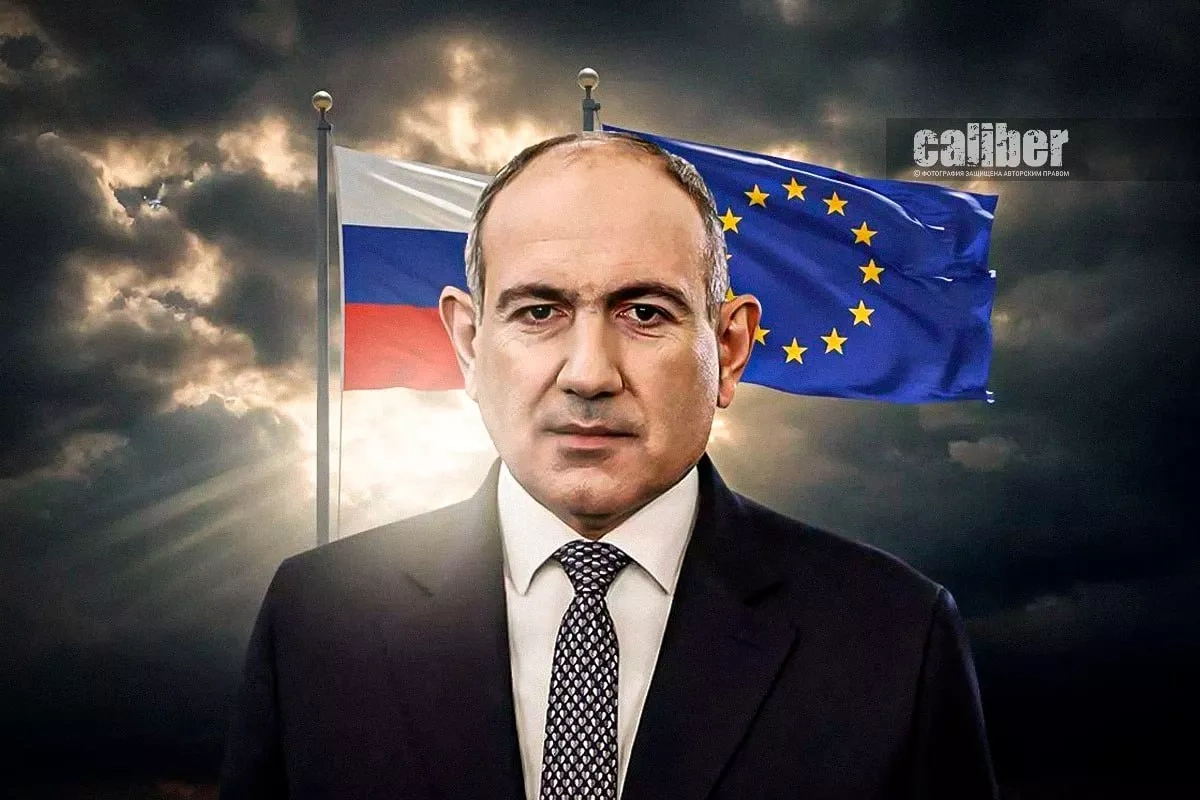
This was most clearly demonstrated during the recent phone conversation between Vladimir Putin and Nikol Pashinyan, which was initiated by Yerevan. This, without a doubt, can be viewed as a certain signal aimed at both domestic and international audiences. During the conversation, the two leaders discussed two key issues — Russia’s economic restrictions on Armenian goods and Armenia’s European integration.
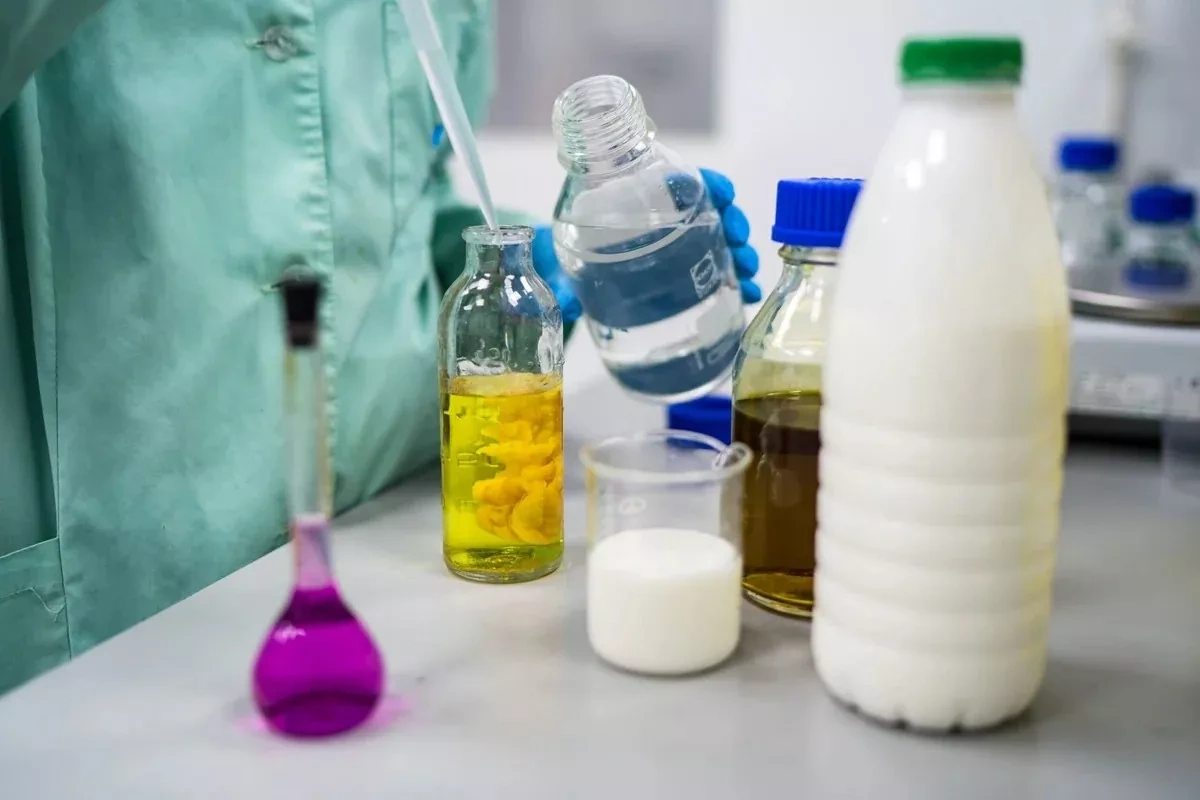
On July 27, Russia imposed a ban on the import of dairy products from Armenia. The Russian Federal Service for Veterinary and Phytosanitary Supervision (Rosselkhoznadzor) explained the decision by citing inspections at Armenian factories, where unsafe raw materials were reportedly found, and violations of quality control procedures were identified.
According to a letter from Rosselkhoznadzor Deputy Head Konstantin Savenkov addressed to the heads of the agency’s territorial offices and the Russian Federal Customs Service, the authority requested that Armenia’s Food Safety Inspection Body suspend, starting from July 27, 2026, veterinary certification for dairy products from all Armenian enterprises destined for Russian recipients.
“I order that measures be taken to prevent the import of dairy products from Armenia into the Russian Federation starting from July 27, 2026,” the document stated. At present, imports of fish and all types of regulated agricultural products, including flowers, from Armenia are also prohibited.
As we can see, economic issues are particularly sensitive for Yerevan today, as it views Moscow’s actions in this area as both trade and political pressure. According to media reports, Pashinyan openly told the Russian president that restrictions on the supply of Armenian products contradict both bilateral agreements and the rules of the Eurasian Economic Union (EAEU).
A noteworthy point here is that the prime minister chose to address the issue directly with the Kremlin first, rather than turning the dispute into a public confrontation. This indicates an attempt by the Armenian side to maintain a balance in its relations with Russia while avoiding crossing Moscow’s “red lines.”
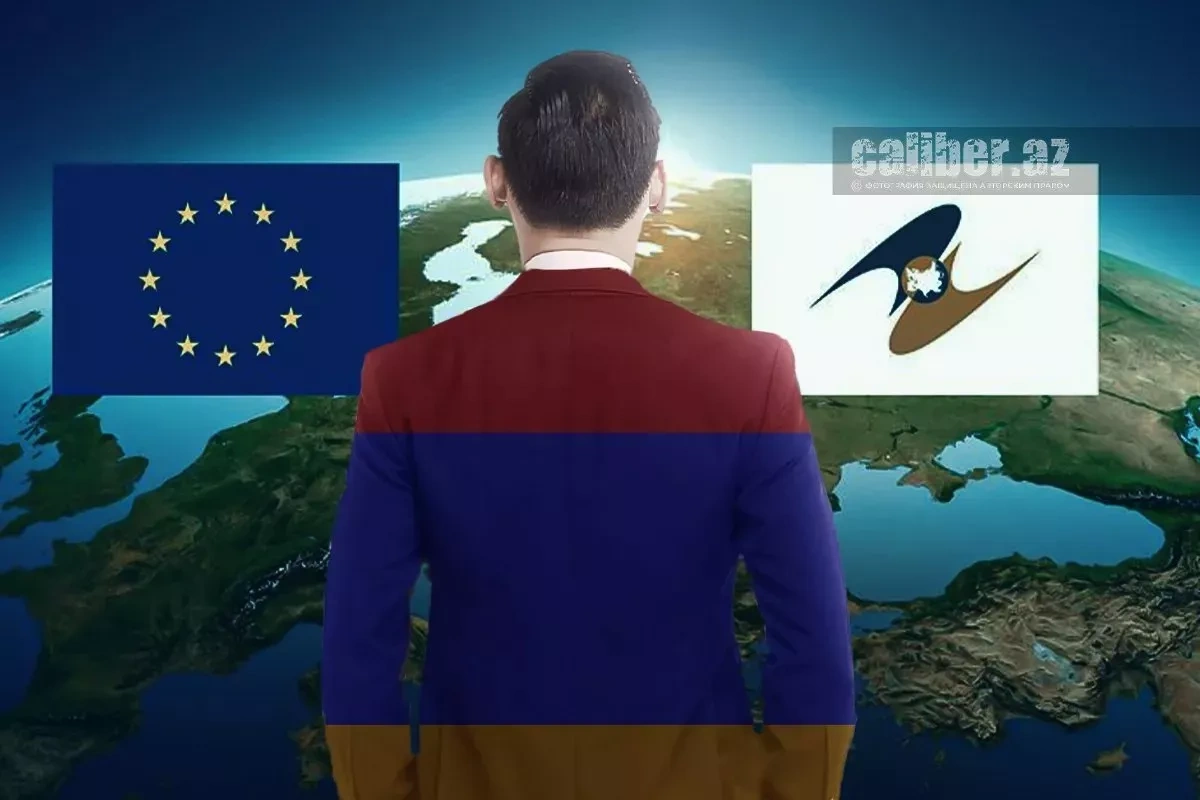
An equally important topic was Armenia’s European integration. Moscow once again reiterated its position: it believes that combining membership in the Eurasian Economic Union (EAEU) with a course toward joining the European Union is impossible, and therefore Yerevan must make a choice. This is why the Russian side insists that the issue should be put to a nationwide referendum.
According to the Kremlin press service, during the conversation, “Vladimir Putin reaffirmed his commitment to the Joint Statement adopted at the May 29, 2026 EAEU summit in Astana by the leaders of Belarus, Kazakhstan, Kyrgyzstan, and Russia regarding the actions of the Republic of Armenia aimed at joining the European Union.”
In particular, the statement emphasised the need for Armenia to hold, “as soon as possible,” a nationwide referendum on either joining the EU or continuing its membership in the EAEU.
Pashinyan’s response to this was rather cautious. According to him, a referendum can only be discussed after an official application for EU membership has been submitted. In other words, judging by his remarks, Yerevan is not yet ready to accelerate this process.
This is where the main feature of Armenia’s current foreign policy becomes apparent: the country continues to balance between Russia and the West, seeking not to sever ties with either side. Moscow, in turn, has calculated this strategy and is consistently “tightening the screws.”
The further development of Armenian-Russian relations will largely depend on the Kremlin’s response following the leaders’ conversation. If restrictions on Armenian exports are eased, it would indicate that Moscow is still prioritising negotiations. Conversely, if the situation remains unchanged, Armenia will likely accelerate efforts to find new markets and give fresh momentum to expanding cooperation with the European Union, Middle Eastern countries, and other partners.
However, regardless of how events unfold, neither Moscow nor Yerevan appears ready for a complete break in relations at this stage. In the foreseeable future, ties between Russia and Armenia are likely to remain in the category of a “managed crisis,” where economic pressure will be combined with the preservation of dialogue.