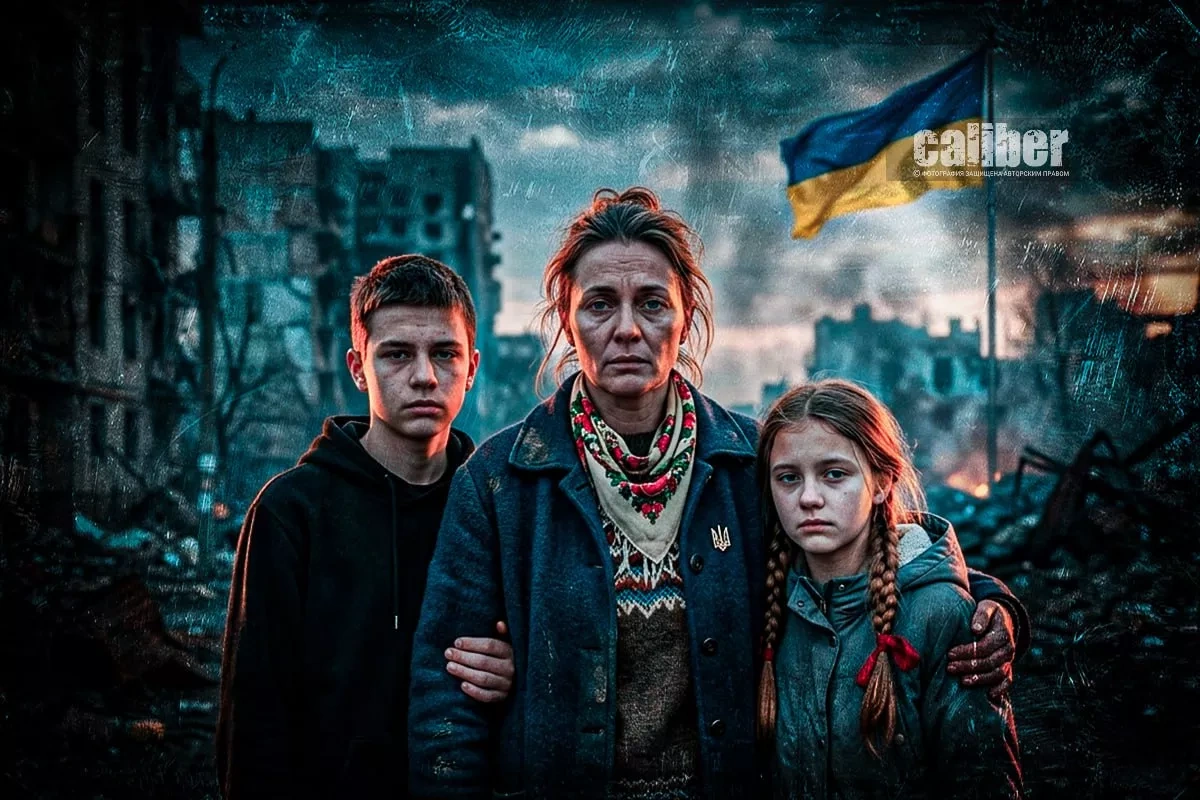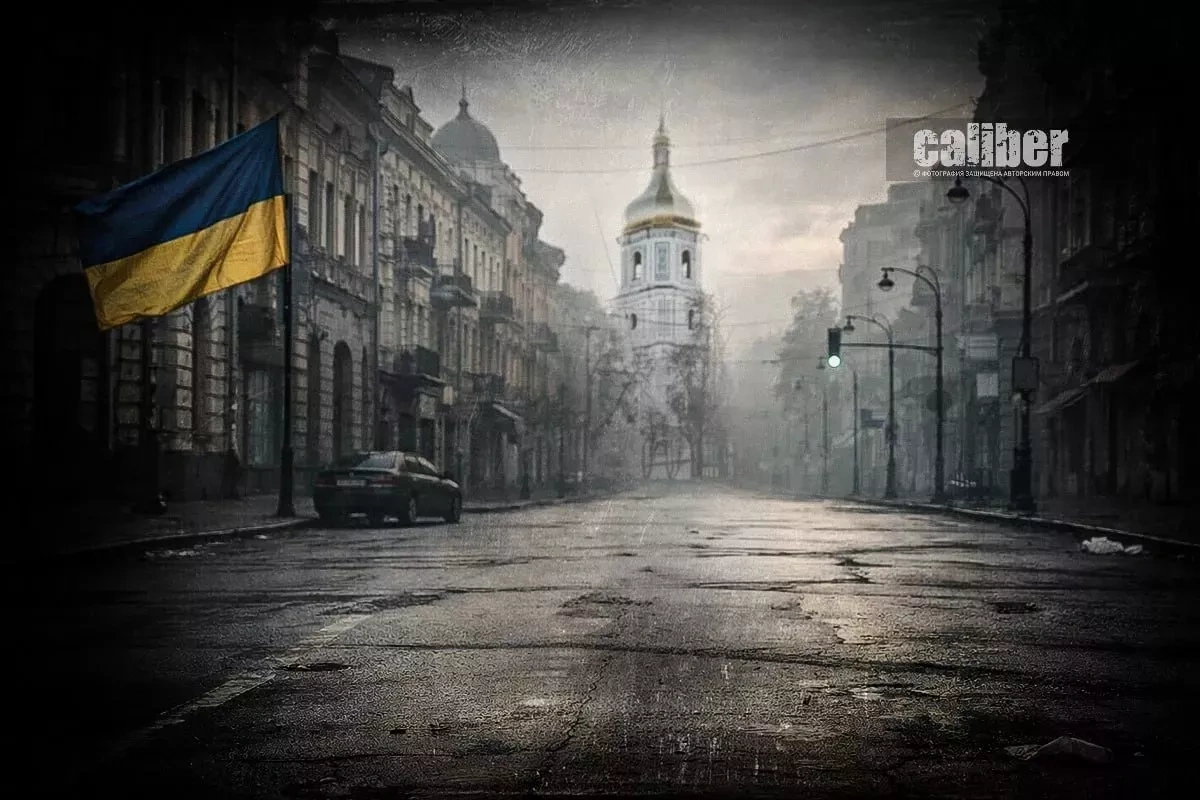
The upcoming winter season will be the fifth since the start of the full-scale Russian-Ukrainian war. During this time, Ukraine's energy sector has endured unprecedented strikes, while the country's critical infrastructure has faced the most severe challenges.
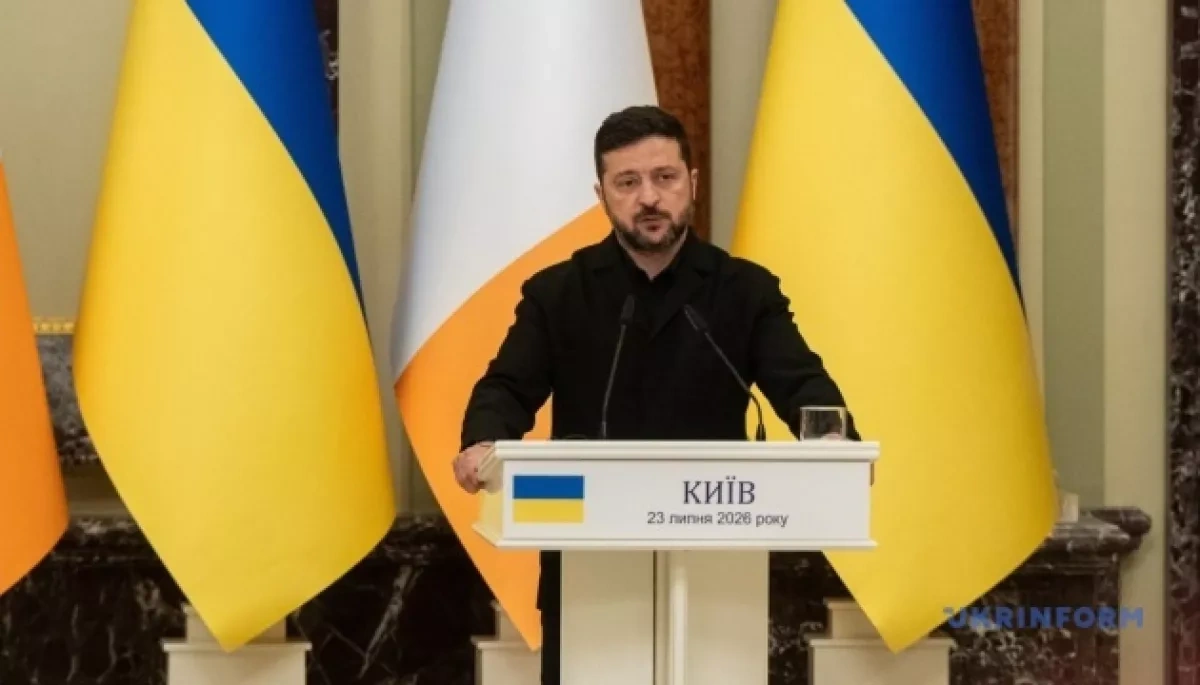
Against this backdrop, President Volodymyr Zelenskyy's statements about the possibility of a "very difficult" winter served as an important political signal both to Ukrainian society and to the country's international partners, as Ukraine has been forced to withstand a major nuclear power for more than four years. During a joint press conference with Irish Prime Minister Micheál Martin, the Ukrainian leader effectively acknowledged that the country's preparations for the autumn-winter season are raising serious concerns.
According to him, the implementation of the so-called Resilience Plans is not progressing quickly enough. After reviewing the reports, he expressed dissatisfaction with the level of progress and stressed the need to accelerate the work urgently. Moreover, the president directly pointed to the personnel aspect of the problem, stating that the country needs a manager with extensive experience in the energy sector who is capable of bringing the situation under control. All of these remarks by the Ukrainian leader came amid growing criticism from his political opponents, whose arguments, somewhat surprisingly, are resonating with part of the public. In particular, they point out that for the past eight years it has been Zelenskyy who has shaped the executive branch, determined the composition of the government and, accordingly, bears political responsibility for its actions. In this context, questions about the effectiveness of the management of the energy sector appear entirely justified.
Zelenskyy's opponents are placing particular emphasis on what they describe as failures in implementing energy resilience programs. These include the slow pace of deploying distributed power generation, inadequate protection of gas fields and key energy infrastructure facilities, as well as chronic problems in the management of the sector. Additional controversy has been fueled by corruption scandals related to the energy industry, including the case involving Timur Mindich and Herman Halushchenko. According to the president's critics, such cases undermine confidence in the governance of one of the country's most critical areas of national security, especially given that Mindich has always presented himself as someone close to the leader.
In addition, the scale of the required investment further complicates the situation. According to estimates, Ukraine will need at least €5.4 billion to prepare for the 2026–2027 heating season. These funds are expected to be directed toward restoring infrastructure, protecting energy facilities, and related measures. However, the dilemma is not limited to the availability of resources but also concerns how effectively they are used. This is where the main disagreement arises: the authorities argue that greater urgency and additional mobilisation of efforts are now required, while their opponents maintain that the most important opportunities had already been missed earlier.
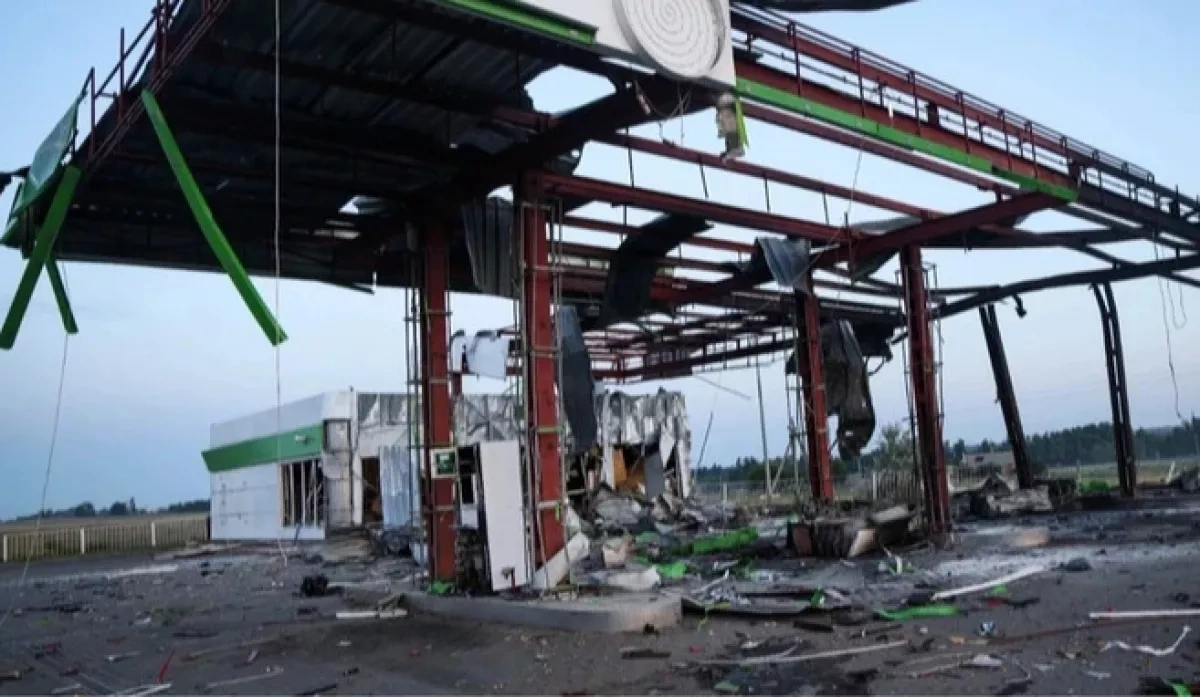
At the same time, the objective dimension of the crisis cannot be ignored. Russian strikes on Ukraine's energy infrastructure continue and have taken on a systematic character. Power plants and substations, gas infrastructure, and logistics facilities have all become targets. The situation in the Kharkiv region is particularly illustrative in this regard. According to regional council deputy Oleksandr Skoryk, more than 80 gas stations have been destroyed in the region, leaving the entire Kharkiv–Poltava highway without a single operational filling station. Nationwide, the total number of destroyed gas stations has exceeded 200. These facts demonstrate that Ukraine's energy crisis is not only the result of management decisions but also a consequence of the ongoing war, in which infrastructure has become one of the primary targets.
However, even taking the wartime factor into account, questions about governance remain. Critics recall that warnings of a possible escalation had been voiced even before the start of the full-scale hostilities, and, in their view, insufficient preparation for such a scenario also contributed to the current problems. Against this backdrop, domestic political tensions have continued to grow. In particular, Kyiv Mayor Vitali Klitschko has repeatedly stated publicly that there are serious problems with the capital's preparations for winter, effectively accusing the central authorities of failing to deliver in several key areas.
Against this backdrop, former Ukrainian Foreign Minister Dmytro Kuleba's statement that Kyiv residents may have to leave the capital no longer appears surprising. His remarks effectively amounted to an indirect acknowledgement of the scale of the problems facing the country's energy sector and critical life-support systems. At the same time, despite leaving office, Kuleba continues to act as something of a spokesperson for Bankova, promoting narratives favourable to the authorities and attempting to shift responsibility for the shortcomings onto external circumstances or other actors. However, as these problems become increasingly apparent, such rhetoric is gradually ceasing to serve as a screen that obscures the question of how effective the government's management decisions over the past several years have actually been.
Thus, the coming winter is shaping up to be more than just a seasonal challenge—it is becoming a kind of test for the entire system of governance. On the one hand, there are the objective difficulties caused by the war and the widespread destruction; on the other, there are the accumulated criticisms of the authorities regarding personnel decisions and strategic planning. Ukraine is likely to continue relying on the support of its international partners, but even with external assistance, the decisive factor will remain the country's ability to organise and manage its internal processes effectively.
In this context, Zelenskyy's remarks about a "very difficult" winter can be interpreted not only as a warning but also as an acknowledgement of the magnitude of the challenges facing the country. The ability of Ukraine's state institutions to respond to these challenges will determine not only how the country weathers the coming cold season but also the level of public confidence in the government in the future.