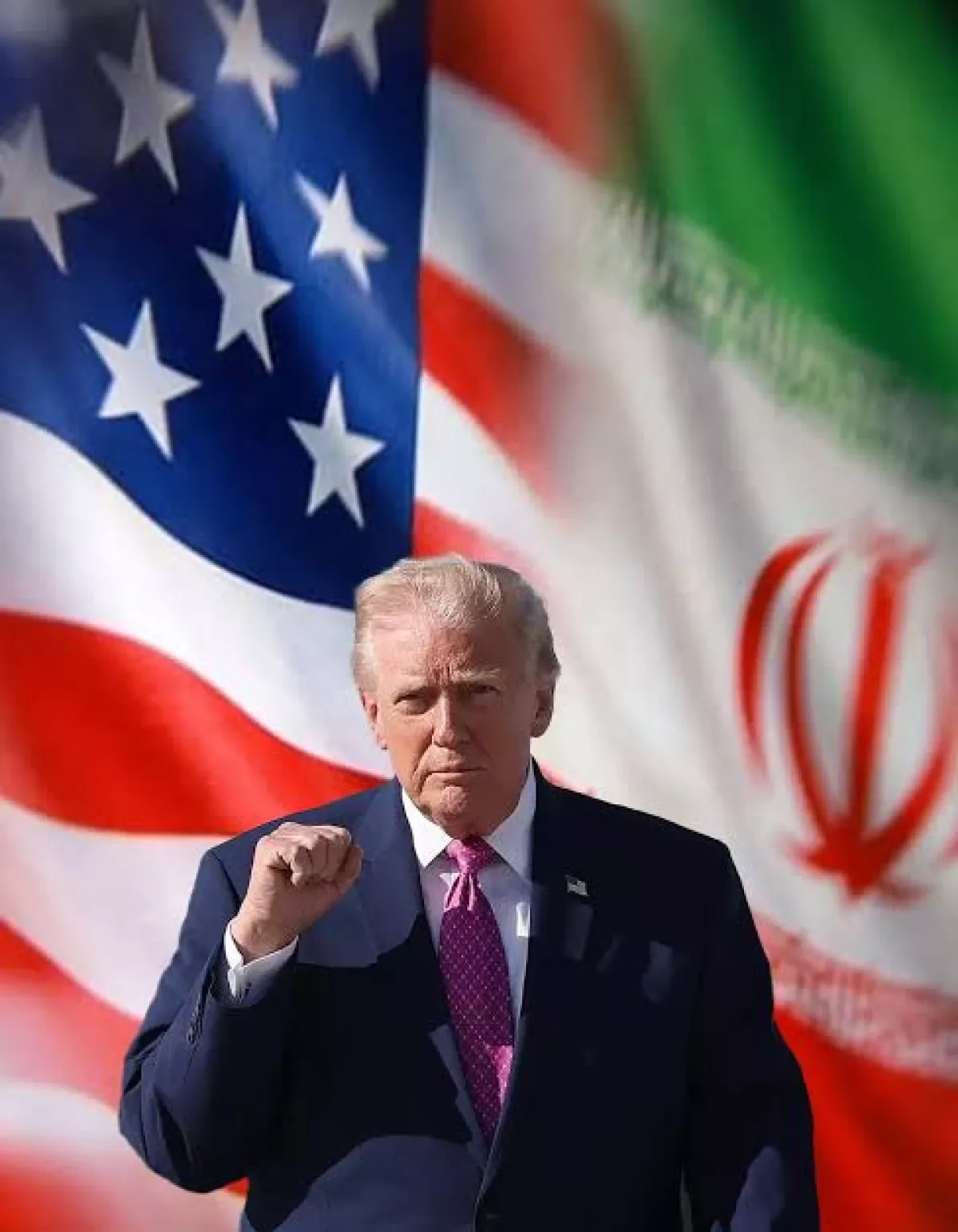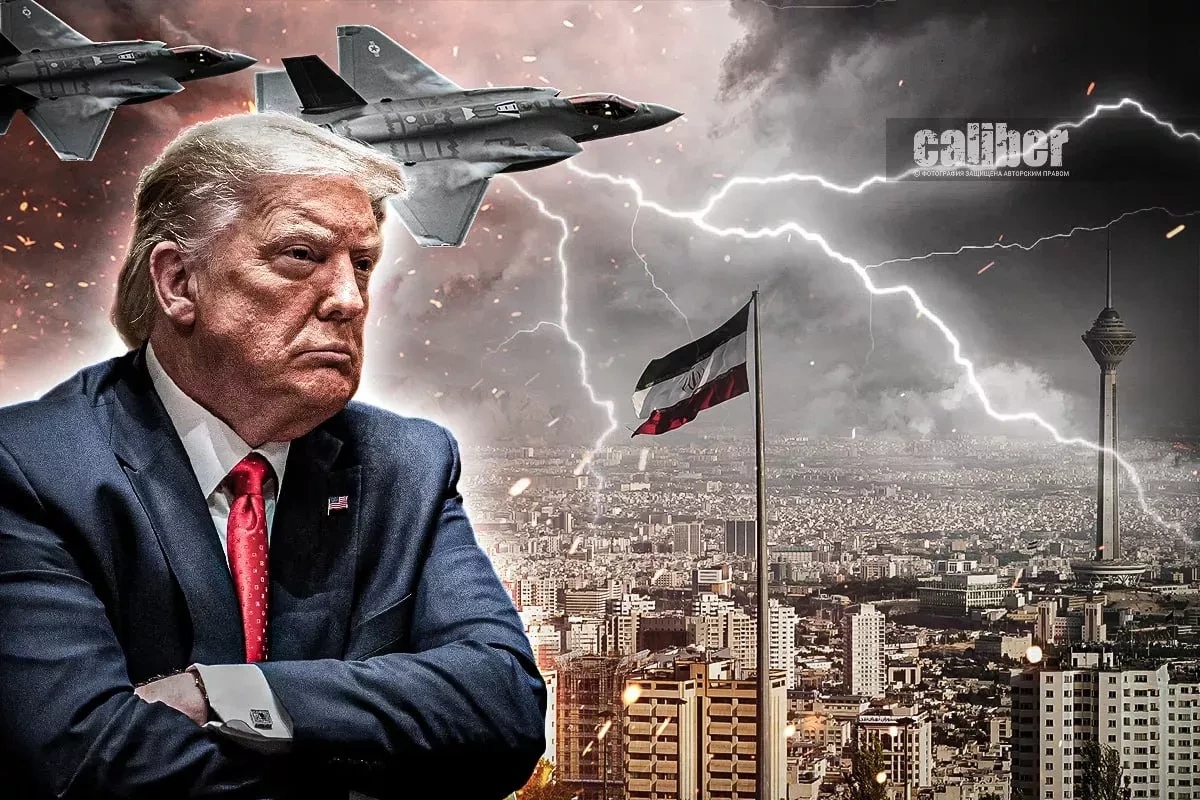
In his recent statement to Axios, U.S. President Donald Trump justified his decision to suspend American strikes against Iran by saying that he was giving the diplomatic process another chance. In doing so, he once again contradicted media reports claiming that a large-scale military campaign against Iran had been postponed due to concerns over the further depletion of Patriot missile stocks and air defence systems.
Earlier, Trump stressed that the United States has “far more munitions than anyone in the world, and far more than we need.”
This aspect has further fueled doubts among some members of the international expert community regarding the real reasons behind Trump’s decision to halt attacks on Iran, especially as only a few hours earlier he had said that he could order an expansion of military operations if diplomacy failed.
Israeli sources, while insisting that the United States and Israel still retain their full strike capabilities against Iran, argue that the claim that a planned U.S. military operation was suspended due to a shortage of fighter jets or interceptor missiles “does not stand up to scrutiny.” They therefore believe that direct physical confrontation between the United States and Iran remains only a matter of time.
On the other hand, the Institute for the Study of War (ISW) and analysts from the Critical Threats Project (CTP) at the American Enterprise Institute (AEI) have assessed that the latest scale and type of U.S. strikes may have been insufficient as a means of coercing the Iranian regime into accepting Washington’s strategic objectives, particularly Tehran’s abandonment of long-term control over the Strait of Hormuz.
At the same time, the researchers noted that although Tehran portrayed its attacks on U.S. bases in regional countries as retaliatory and purely defensive measures, Iran had in fact carried out a number of active military operations aimed at achieving specific military objectives.
Meanwhile, some observers, citing the unpopularity of military action among parts of Trump’s own Republican Party, have not ruled out this factor as another possible reason behind the U.S. president’s decision to suspend the military campaign.
They point, in particular, to the House of Representatives’ approval on July 22 of a resolution directing the president to end the use of U.S. armed forces in combat operations against Iran (214 votes in favour, 208 against).
The nuance is that four Republican members of the lower chamber of Congress were among those who supported the initiative. While the document is not legally binding on the White House, the very fact that it was adopted is significant and unfavourable for Trump, as this has already happened for the second time.
Experts are also discussing the critical situation that emerged last week, when media outlets and lawmakers raised concerns over the Pentagon after the Defense Casualty Analysis System (DCAS) reduced the reported number of killed and wounded amid ongoing Iranian attacks.
As a result, 12 Democratic members of the Senate Armed Services Committee sent a letter to Defense Secretary Pete Hegseth requesting an explanation for the reasons behind the changes.
Acting Pentagon Press Secretary Joel Valdez attributed the reduction in the number of wounded personnel to “temporary data disruptions on the Defense Casualty Analysis System (DCAS) website.” CNN later requested more detailed information from the Pentagon regarding these disruptions, but as of Sunday, no response had been provided.
In this regard, some experts argue that the “manipulation of figures” may not have been accidental — once again, due to the unpopularity of the U.S. war against Iran, especially given the confirmed deaths and numerous injuries among American service members.
At the same time, another possible factor behind Trump’s decision to suspend military operations is believed to be the surge in U.S. gasoline prices a week earlier, when they reached $4 per gallon (after being 13 cents lower just one week before).
Against this backdrop, analysts, taking into account the upcoming U.S. midterm elections in the fall, do not rule out that Trump may be unwilling to allow further increases in gasoline prices, which would inevitably fuel dissatisfaction among a significant portion of the American public. Continued military operations, they argue, would only intensify this trend.
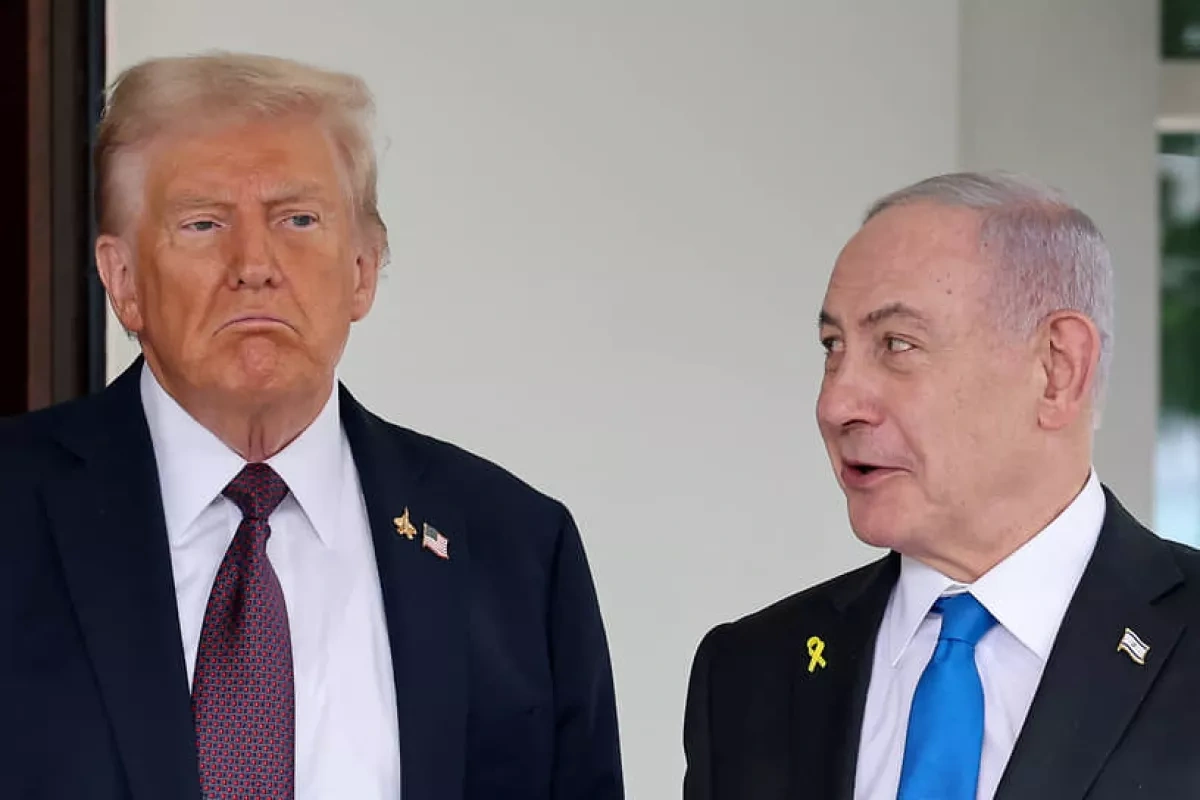
At the same time, some members of the expert community have suggested that Trump took a time-out ahead of his scheduled July 28 talks with Israeli Prime Minister Benjamin Netanyahu, during which important decisions regarding Iran could be made. However, this interpretation also has many critics, who point to the tensions that have recently emerged in relations between the U.S. and Israeli leaders.
In support of their argument, they cite Trump’s response a day earlier to a question about his views on Netanyahu’s position regarding Washington’s potential sale of F-35 fighter jets to Ankara. Trump responded sharply, saying: “Nobody tells me what we should be selling.”
At the same time, when asked whether his views on the war against Iran aligned with those of the Israeli prime minister, Trump acknowledged that there were some disagreements between them, but added that overall “pretty close.”
In the same Axios interview, speaking about his upcoming meeting with Netanyahu, Trump said that he planned to “talk to Bibi about the fact that if I weren't president, Iran would have had nuclear weapons by now and Israel would have been destroyed.” It is also worth noting that, according to Israeli sources, Netanyahu’s message to Trump is based on providing the White House with intelligence indicating that Tehran has no intention of abandoning its pursuit of nuclear weapons capabilities.
Thus, there are numerous theories explaining Trump’s decision to suspend anti-Iran strikes. Additional details may emerge in the coming days.
However, one fact remains: at present, the diplomatic track is indeed being represented by Pakistan, Qatar, and Oman. At the same time, China’s less-publicised role in the process has also been noted. The only question is how realistic and effective the emerging peace efforts on the U.S.-Iran track will prove to be.