BAKU, Azerbaijan, July
28. Iran supports joint diplomatic efforts to restore
stability in the region.
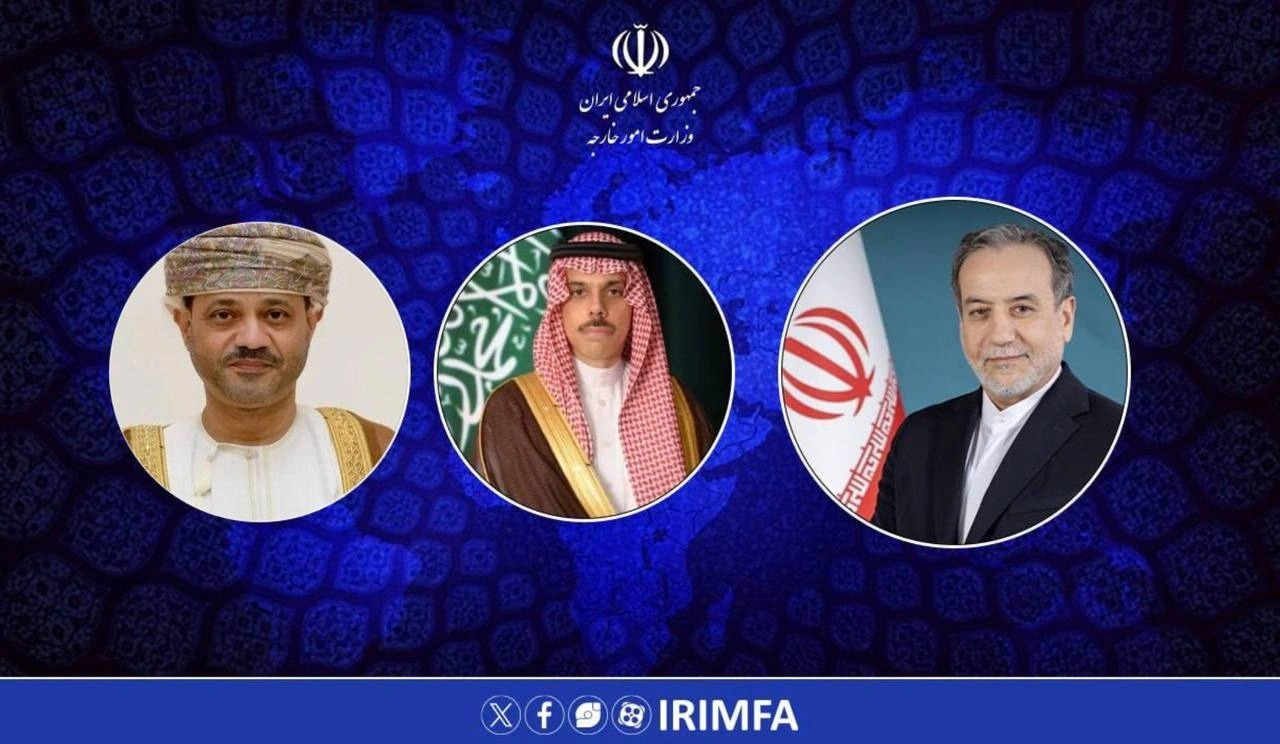
This was announced by Iranian Foreign Minister Seyed Abbas
Araghchi in a separate phone conversation with Omani Foreign
Minister Badr Albusaidi and Saudi Arabian Foreign Minister Faisal
Bin Farhan.
"Joint diplomatic efforts and strengthening cooperation are
necessary to eliminate the unstable situation in the Strait of
Hormuz as a result of U.S. attacks and restore stability in the
region," he said.
Meanwhile, as no tangible progress was made in the nuclear
negotiations between the U.S. and Iran, the situation escalated on
February 28, when the United States and Israel launched military
airstrikes against Iran. In retaliation, Iran initiated missile and
drone strikes targeting Israeli and U.S. installations in the
region. Following these developments, a two-week ceasefire
agreement was brokered on April 7 through Pakistan's mediation.
A peace memorandum was signed between Iran and the U.S. on June
18. The memorandum was signed by Iranian President Masoud
Pezeshkian and U.S. President Donald Trump. The memorandum came
into effect on June 19.
Meanwhile, the latest escalation in U.S.-Iranian relations began
on July 8. On that day, for the first time since the signing of the
memorandum between Washington and Tehran, the U.S. military carried
out several waves of strikes on Iranian territory, claiming that
this was in response to an attack on a merchant ship in the Strait
of Hormuz. On the same day, U.S. President Donald Trump announced
the end of the ceasefire with Iran. In response, Tehran began
attacking U.S. facilities in Bahrain, Jordan, Qatar, Kuwait, the
UAE, and Oman.