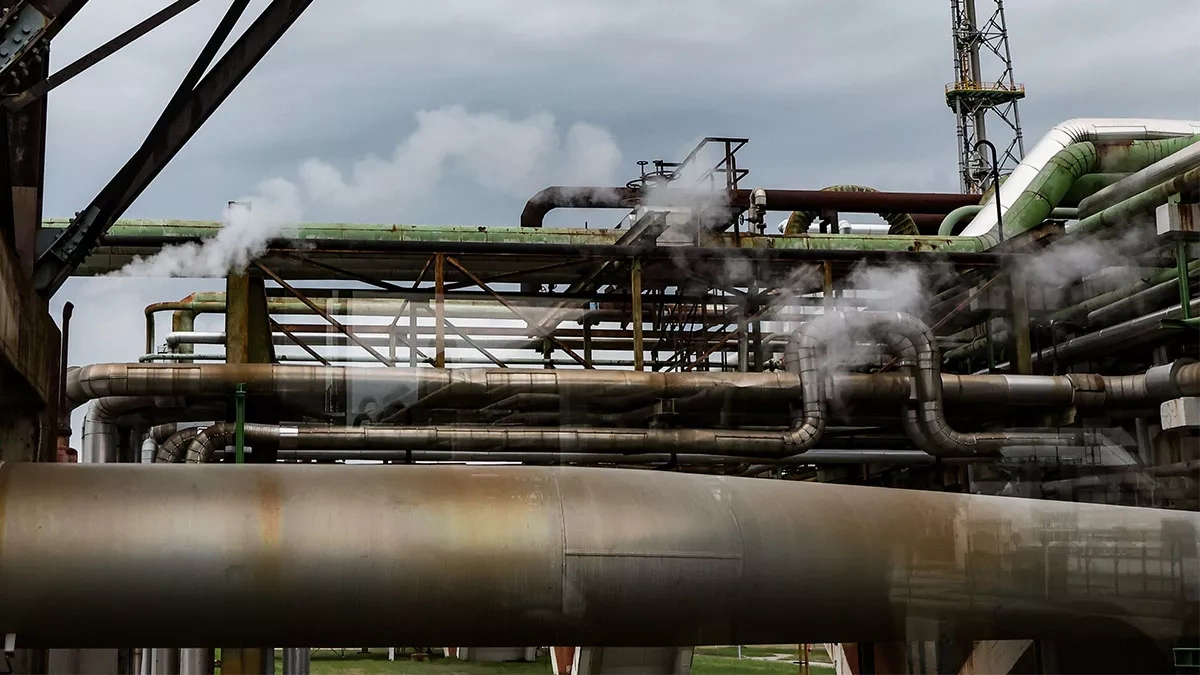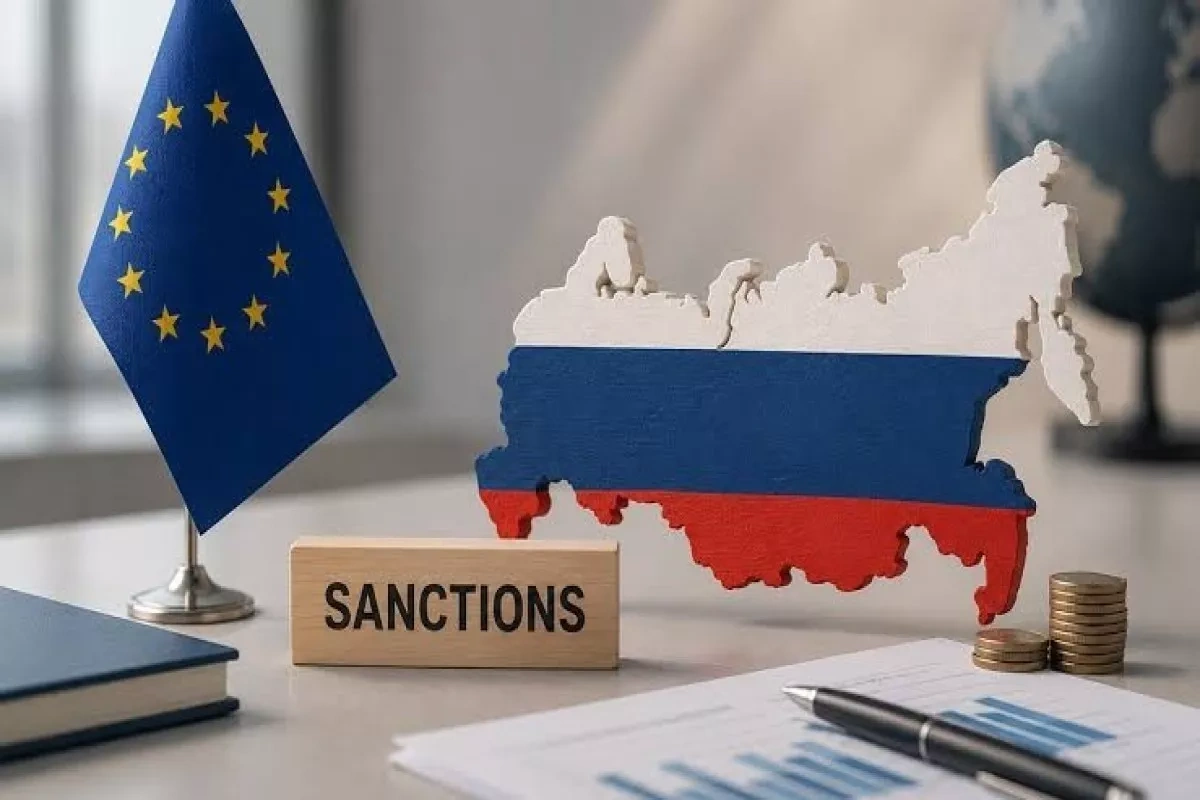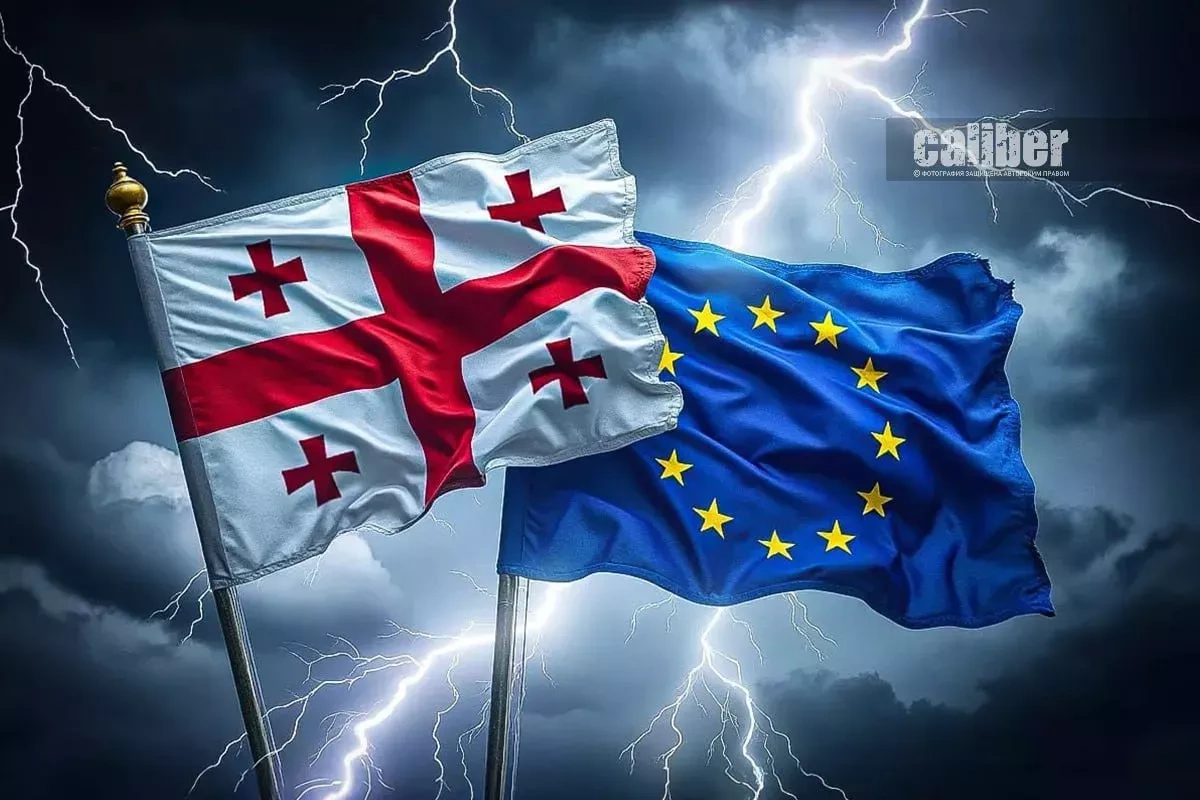
On July 23, 2026, the Council of the European Union adopted the 21st package of sanctions against Russia in response to its war against Ukraine, effectively imposing a total "oil blockade" on Russia. Transactions with oil refineries outside Russia that process Russian crude oil are prohibited. Transactions involving the new Georgian oil refinery in Kulevi are also subject to the ban; however, this measure will enter into force in six months, in January 2027. During this period, the Georgian side must prove that the enterprise has completely ceased processing Russian crude oil.
Representatives of Georgia’s pro-Western opposition welcomed the inclusion of the Kulevi oil refinery in the 21st package of sanctions, viewing it as confirmation of their claims that the ruling Georgian Dream party is allegedly “working for Russia.”
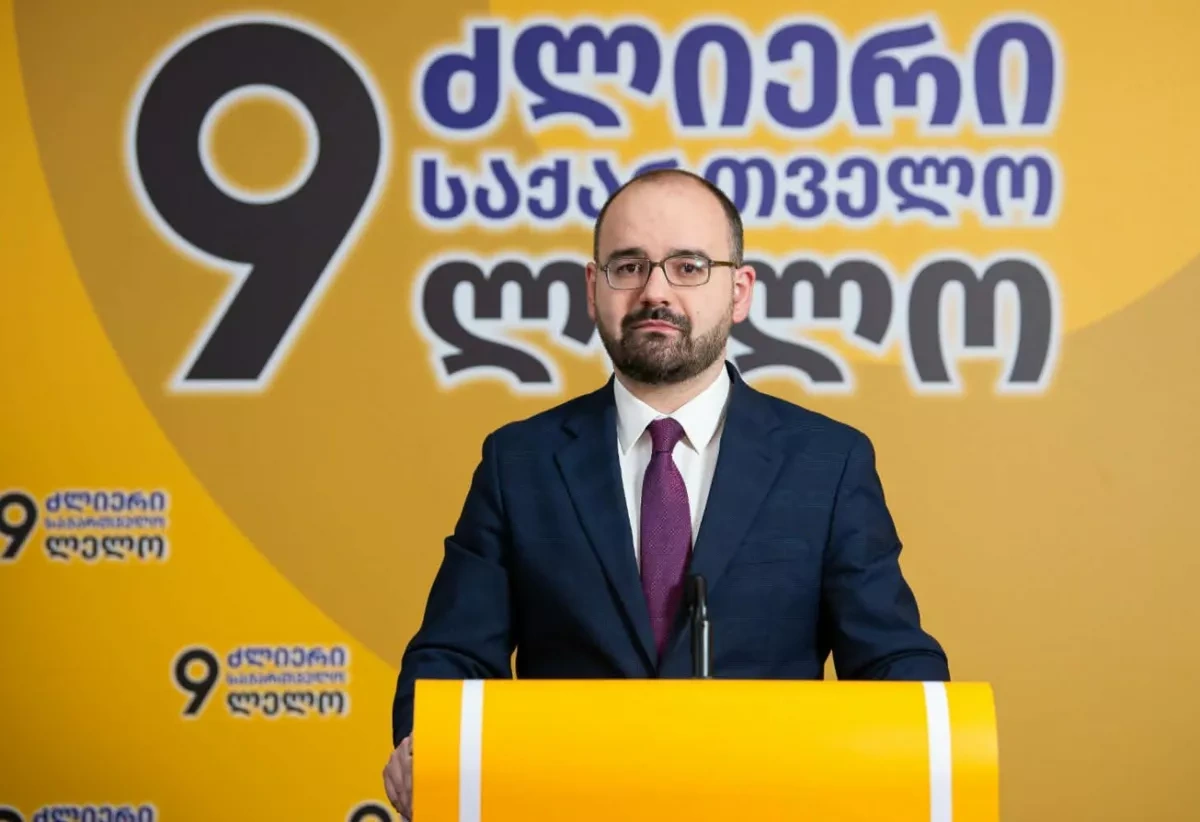
According to Grigol Gegelia, a member of the Lelo – Strong Georgia party, by including the Kulevi oil refinery in the sanctions package, "our nation is officially perceived as an element of Russia’s war economy."
At the same time, Guram Macharashvili, Executive Secretary of the People’s Power party, believes that the EU is imposing sanctions on the Kulevi oil refinery because of Georgia’s refusal to open a "second front" in the war against Russia and to comply with other ultimatums from the Brussels bureaucracy.
"First of all, it is necessary to examine the approach of the European bureaucracy toward Georgia, which is completely unfair and unfounded. This includes the so-called system of sanctions against individuals, public officials, and businesses. What is all this connected with? The only reason is that Georgia is not starting a war with Russia, is not approving gay pride parades, and is not legalising same-sex marriage," Guram Macharashvili said.
He also did not rule out the possibility that the sanctions against the Kulevi oil refinery are a form of "punishment" imposed on Georgia by the Brussels bureaucracy and the "Global War Party."
"If such a decision is made, it will be based solely on the approach of the European bureaucracy—the same approach as that of the Global War Party: let us punish Georgia, its society, and its businesses in order to somehow bring them over to our side, that is, to the side of the Global War Party," Guram Macharashvili said.
Georgia's Ministry of Foreign Affairs expressed regret over the European Union's decision to include the oil terminal and oil refinery complex in Kulevi in the 21st package of sanctions. In its statement, the Ministry emphasised that Georgia fully complies with the EU sanctions regime, understands its objectives, and is taking all necessary measures to ensure that the country's territory is not used to circumvent the restrictions.
The Ministry of Foreign Affairs expressed hope that, during the six-month period provided for by the decision, the relevant services of the European Commission and the EU member states would be guided by the principle of fairness and reconsider the decision.
Against the backdrop of the adoption of the EU's 21st sanctions package, Ukrainian drone strikes on Russian oil refineries continue.
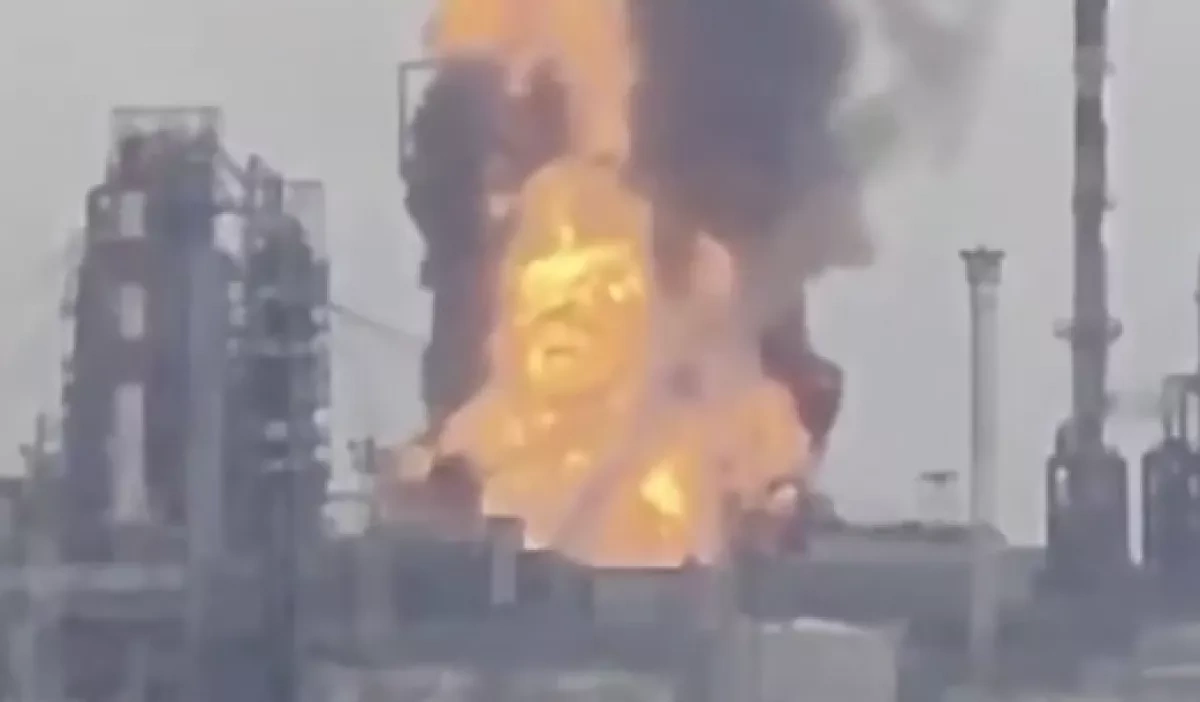
On July 25, 2026, the Tyumen Oil Refinery, located more than 2,000 kilometres from the Ukrainian border, came under attack. This indicates that there are virtually no "safe" oil refining facilities left in Russia, while the country's fuel crisis continues to deepen.
Russia will be forced to try to increase its crude oil exports and somehow reimport gasoline and diesel fuel produced from that crude at foreign refineries.
However, the EU has also anticipated this scenario. Under the 21st package of sanctions, the sale of oil and petroleum products confiscated from vessels belonging to Russia's "shadow fleet" is permitted. In the future, this could lead to a genuine "hunt" for shadow fleet vessels, significantly complicating the maritime transportation of Russian crude oil for subsequent refining.
Belarus's second-largest oil refinery, the Mozyr Oil Refinery, has also been included in the scope of the EU's 21st sanctions package (sanctions against the Naftan refinery in Novopolotsk had been imposed earlier). It should be recalled that after the fuel crisis in Russia, triggered by Ukrainian drone strikes, Belarusian refineries sharply reoriented their supplies toward the Russian market, helping to partially ease the gasoline shortage. Now, through the EU sanctions, Belarus is effectively being compelled to abandon such "fuel assistance" to Russia.
Georgia's Kulevi oil refinery, with a processing capacity of 1.2 million tonnes of crude oil per year, is an order of magnitude smaller than the Belarusian refineries in Mozyr and Novopolotsk, each of which processes up to 12 million tonnes of crude oil annually. Nevertheless, judging by the EU's actions, it intends to eliminate even the slightest possibility for Russia to mitigate the effects of the "fuel blockade" through Georgia.
The Kulevi refinery will not only be barred from processing Russian crude oil for the subsequent supply of petroleum products to Russia. Under the threat of sanctions, Georgia is effectively being compelled to abandon even the hypothetical possibility of transshipping Russian crude oil and facilitating the return shipment of petroleum products through its ports.
In essence, through strikes on Russian oil refineries and oil terminals, Ukraine, and through sanctions and the encouragement of the confiscation of vessels belonging to Russia's "shadow fleet," the EU are carrying out a form of "compellence to peace" against Russia by creating critical problems in its most important industry—the oil sector.
It is noteworthy that the term "compellence to peace" was used by Russian propaganda during the war against Georgia in August 2008. Today, the EU is effectively threatening sanctions against Georgia's only oil refinery should the country's authorities refuse to join the operation aimed at "compelling Russia to peace," which the EU and Ukraine are conducting on the "fuel front."
More broadly, Russia is also being pushed toward a peaceful settlement of the conflict by other countries, including its partners in the Eurasian Economic Union (EAEU), which are likewise suffering economic losses as a result of the Russia–Ukraine war.
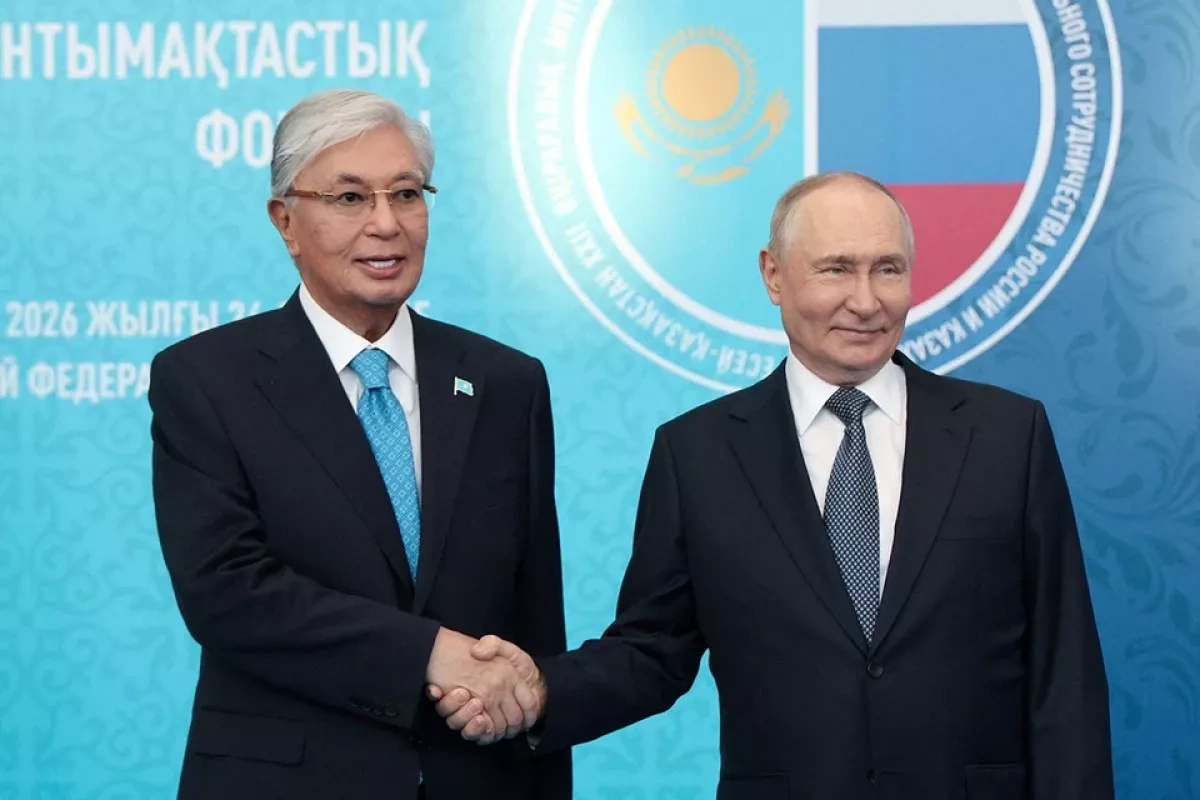
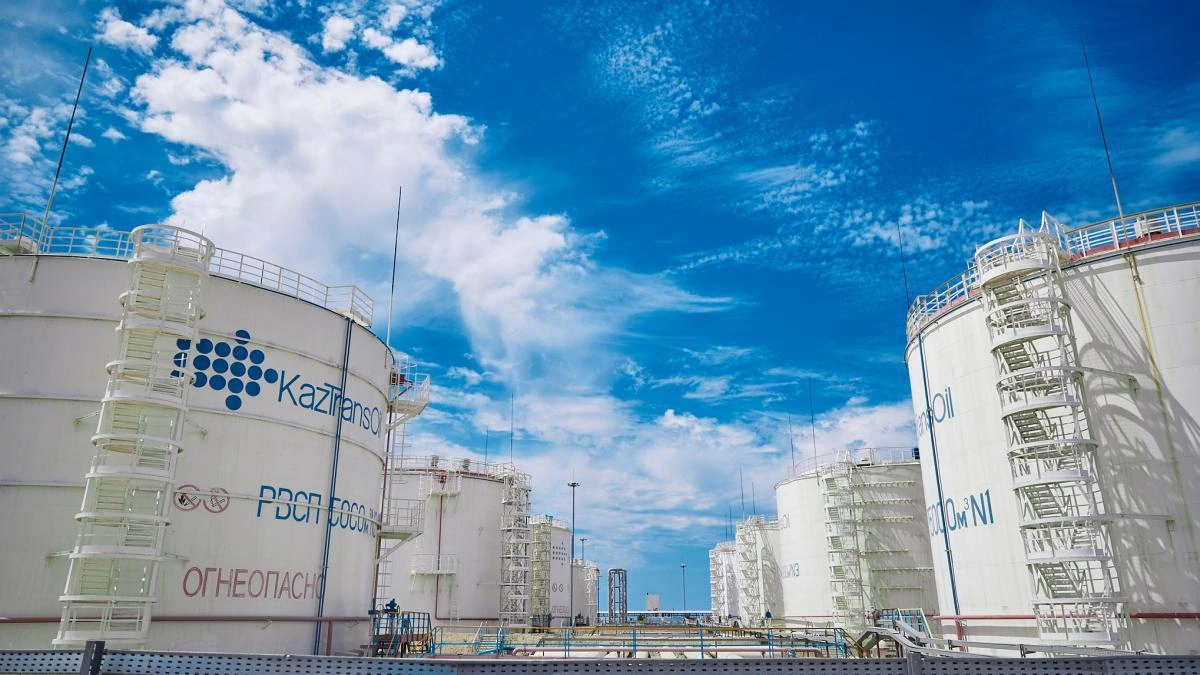
In particular, Kazakhstan has been forced to suspend exports of its crude oil through Russian ports on the Black Sea. It is therefore no coincidence that, during his meeting with Russian President Vladimir Putin in Omsk on July 25, 2026, Kazakh President Kassym-Jomart Tokayev stated that a swift peace with Ukraine would be desirable.
Political and military analysts are already discussing possible timelines for a potential freeze in the war. One of the timeframes being mentioned is the autumn of 2026. Otherwise, the situation for Russia could become significantly more difficult due not only to Ukrainian drone strikes on oil refineries and Wildberries warehouses, but also to attacks on energy infrastructure facilities, which could create serious problems during the winter period.
The fact that the EU granted the Kulevi oil refinery a grace period until January 2027 is, most likely, not a coincidence either. By that time, it should become clear whether the Russian leadership intends to pursue a course toward freezing the war. In that case, Moscow may hope for an easing of European sanctions, while the restrictions imposed on the Georgian refinery would lose their relevance.
However, if the EU continues its efforts to "compel Russia to peace" on terms that Moscow considers tantamount to capitulation, the Kremlin may reject such a scenario and opt for further escalation, including a large-scale mobilisation. In that case, the risk of further escalation of the war would increase. At the same time, the danger of Georgia being drawn into the conflict would once again intensify. Brussels, judging by current developments, does not appear willing to stop exerting pressure on the Georgian authorities, who are unwilling to fully follow the European line, and the inclusion of even the small Kulevi oil refinery in the 21st sanctions package only reinforces this trend.
By Vladimir Tskhvediani, Georgia, exclusively for Caliber.Az