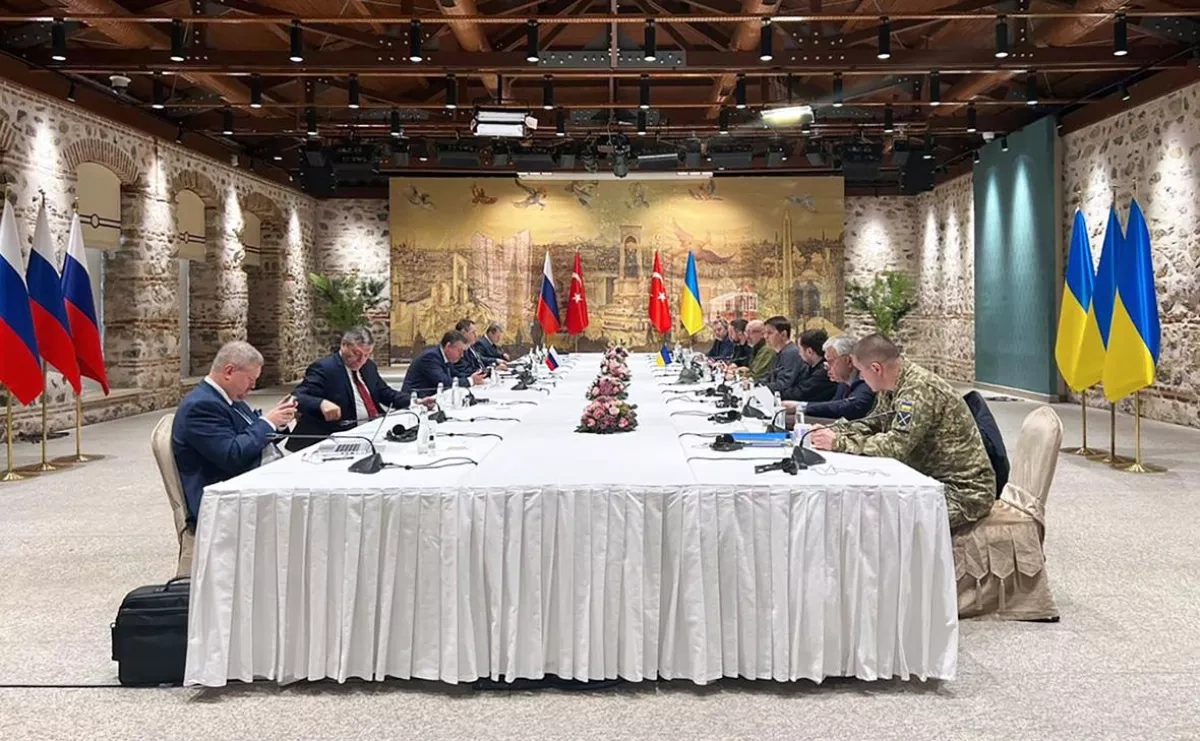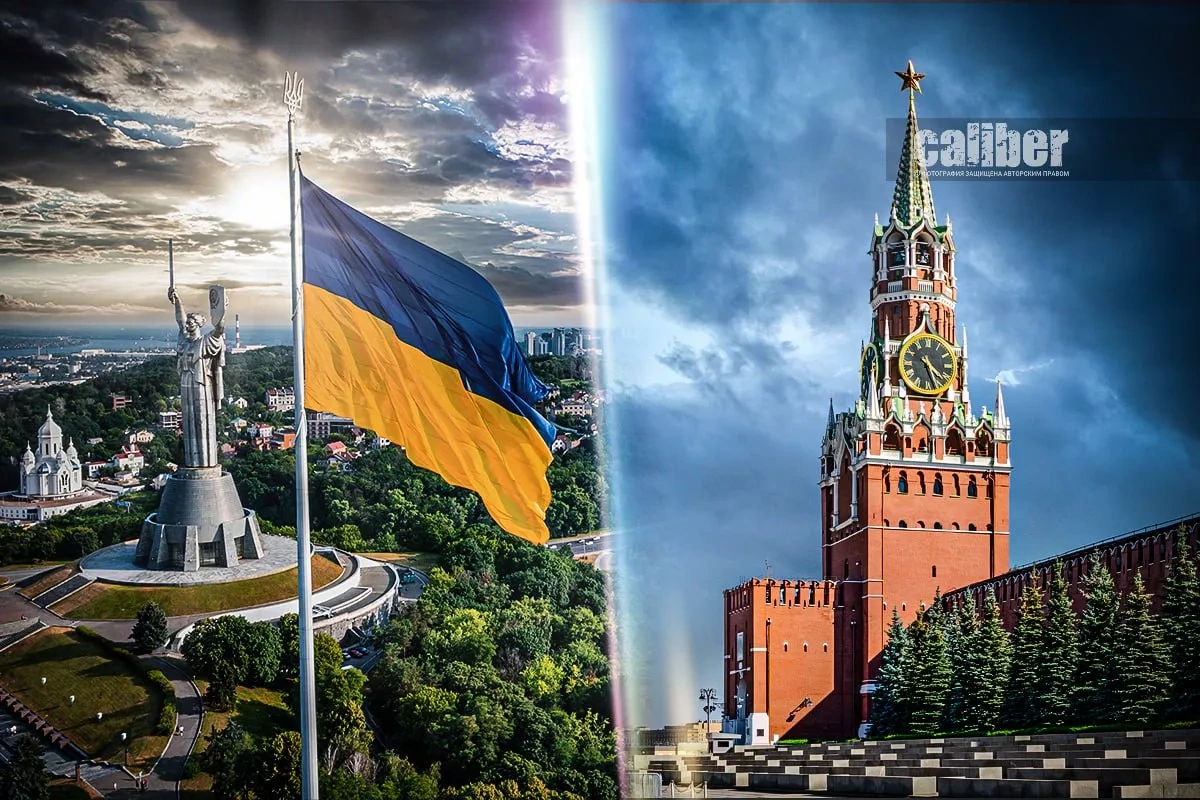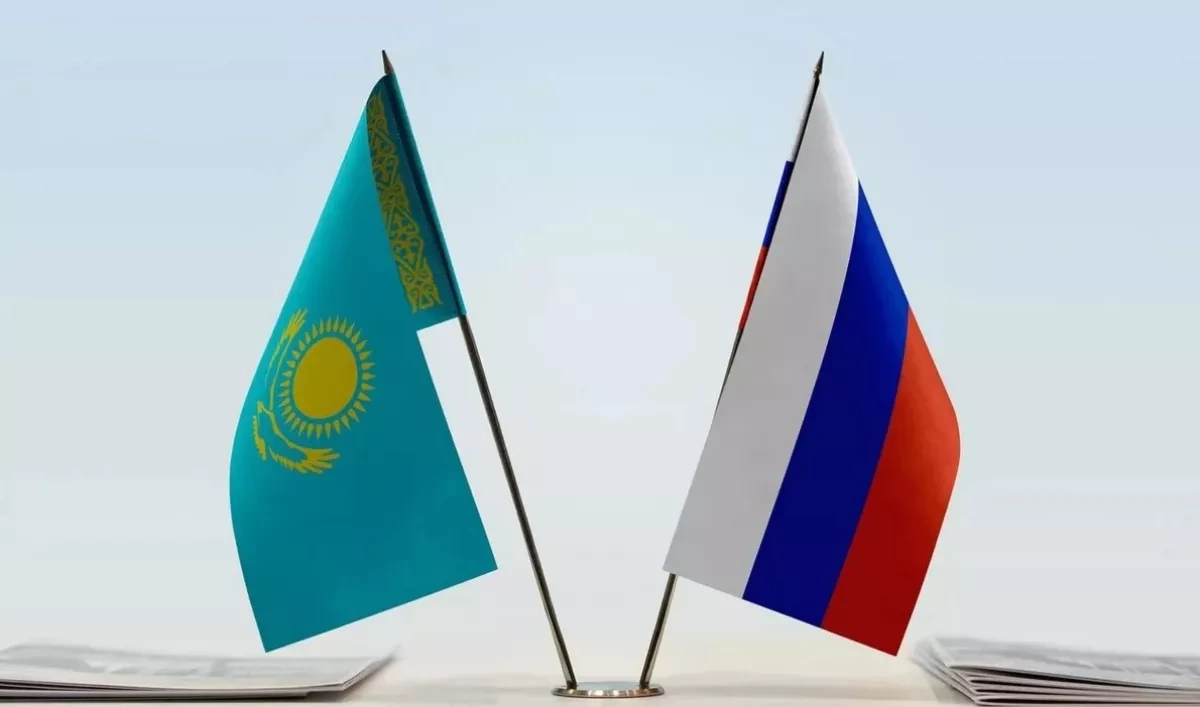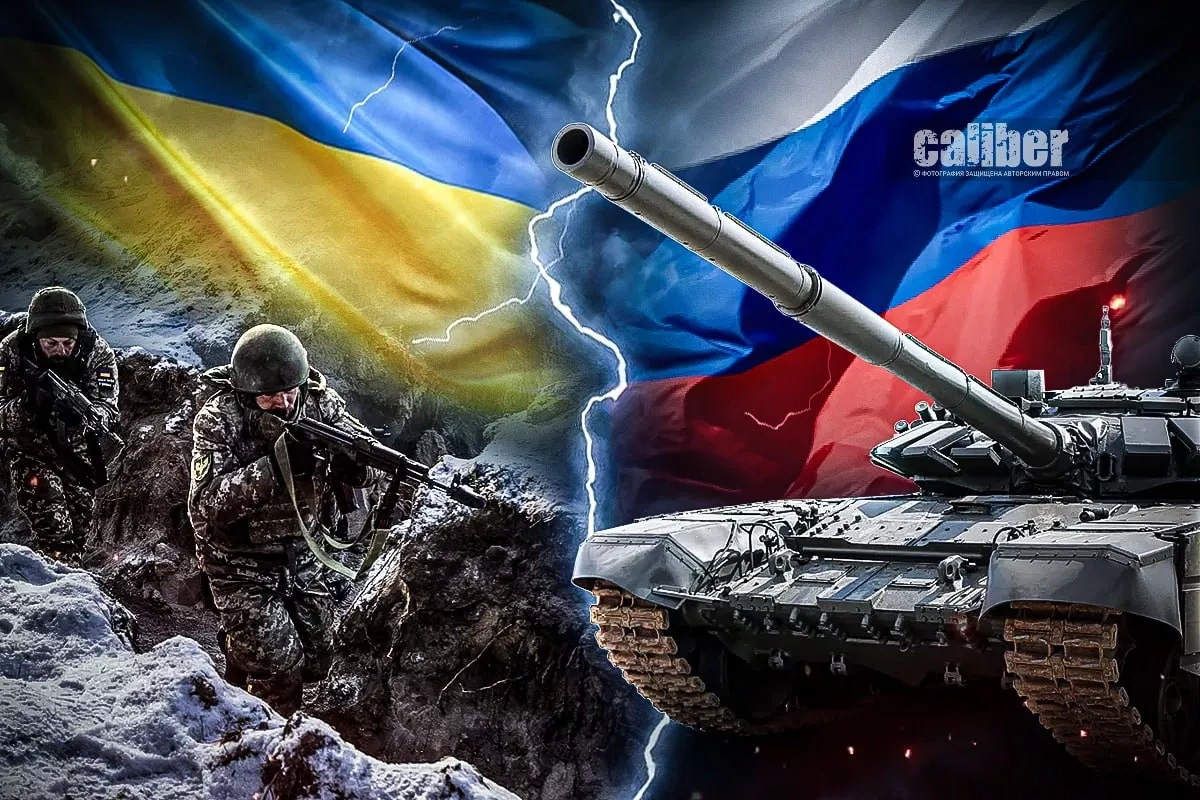
One of the most widely discussed diplomatic signals of recent weeks was the statement by Kazakh President Kassym-Jomart Tokayev on the need to “freeze” the Russian-Ukrainian conflict and return to the so-called “Istanbul Formula 2.0.”
Made during a meeting with Vladimir Putin, the proposal was presented as a pragmatic
This is primarily because the “Istanbul Formula” itself is not a neutral platform for negotiations, as it originates from the talks of spring 2022, when Russia proposed that Kyiv abandon its course toward NATO membership, enshrine a neutral status, and effectively postpone the issue of territories indefinitely.
The Ukrainian side viewed those proposals at the time as an ultimatum rather than a compromise. Since then, Russia’s position has not fundamentally changed: Moscow continues to insist on the recognition of the “new realities,” which would mean formalising Ukraine’s territorial losses.
Nevertheless, Kyiv responded diplomatically to the Kazakh leader’s proposal with a statement by Acting Foreign Minister Andrii Sybiha, who noted that the call for an end to the war was timely and wise. At the same time, he stressed that Russia was rejecting any genuine opportunities for peace.
This key conclusion was also reinforced by the remarks of Russian presidential spokesperson Dmitry Peskov — Moscow once again linked the end of the war to the achievement of its own objectives, effectively ruling out the possibility of a “freeze” on terms unfavourable to it.
This is the main structural obstacle to any mediation efforts. Russia views the war not as a crisis that must be urgently resolved, but as a tool for achieving long-term geopolitical goals. Under such circumstances, any proposals — even those coming from its allies — cannot alter its strategic course.
At the same time, it is telling that Kassym-Jomart Tokayev, while proposing a “freeze” of the conflict, simultaneously declined the role of mediator. His argument that Russia “can handle it on its own” appears more like a diplomatic gesture than an assessment of the actual situation.
Thus, Astana is demonstrating a cautious position: on the one hand, it is interested in ending the war, but on the other, it is not prepared to assume responsibility for the process.
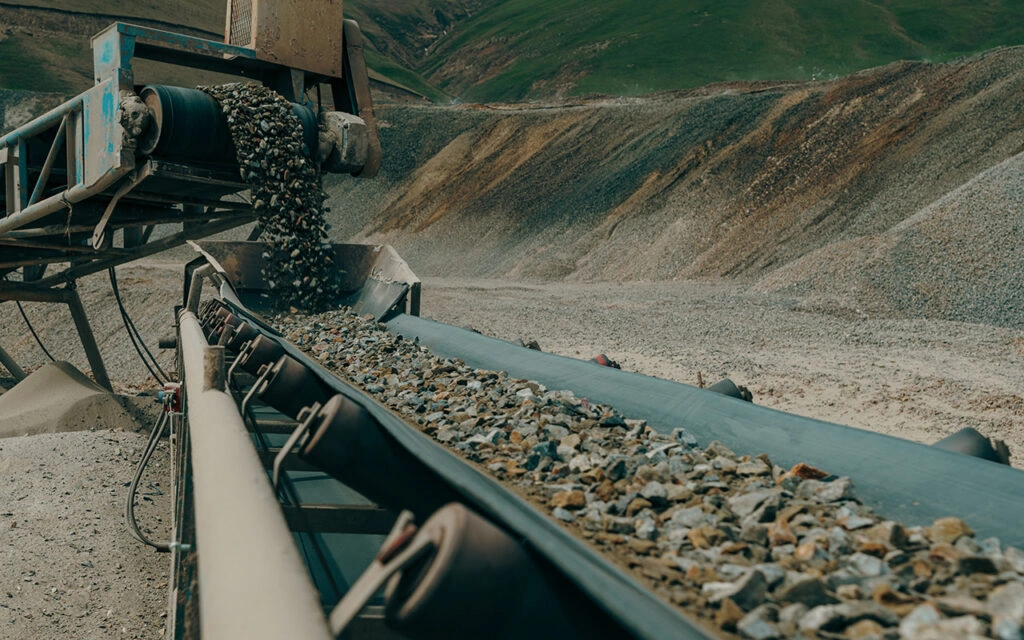
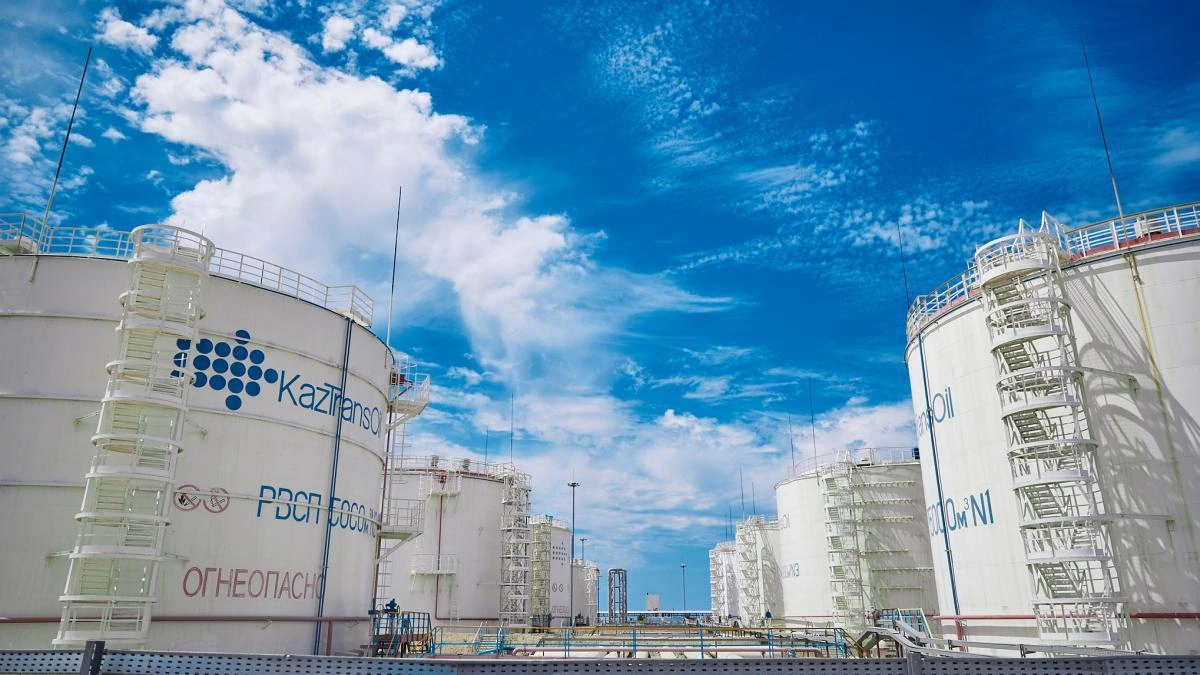
At the same time, as Russia’s ally within the CSTO, the Eurasian Economic Union and other integration structures, Kazakhstan is suffering direct economic losses due to the war. A vivid example is the situation surrounding the Caspian Pipeline Consortium, through which around 80% of Kazakhstan’s oil exports pass. Any disruptions linked to military activity have a direct impact on the country’s budget.
This should also be accompanied by growing instability in logistics routes and a decline in the region’s investment attractiveness. Against this backdrop, it becomes entirely clear why Astana is interested in a “freeze” of the conflict.
And here the paradox becomes evident: despite the damage the war is causing both to Russia itself and to its allies, Moscow shows no willingness to take anyone’s interests into account.
Moreover, the intensification of military operations, including strikes on infrastructure, points to the opposite trend — escalation. Statements by Volodymyr Zelenskyy also confirm this assessment.
According to Ukrainian intelligence, Russia is preparing for further expansion of mobilisation, and even casualty figures — more than 225,000 in less than seven months — have not deterred the Russian side. This indicates its intention to continue the conflict at any cost.
In this context, any mediation initiatives serve a political and diplomatic function primarily, but they are incapable of changing the behaviour of the key participant in the conflict — Russia. This means that Ukraine and its allies must plan for a scenario in which the war continues rather than expecting its imminent conclusion.
At the same time, as the experience of recent months demonstrates, Ukrainian strikes on infrastructure and restrictions on Russia’s logistical capabilities are creating tangible costs for Moscow.
Based on this clear conclusion, one can state with complete confidence the following: it is precisely military and economic pressure that remains the only factor capable of influencing the Kremlin’s plans, and increasing the intensity of such pressure could prove to be a far more effective instrument than any diplomatic formulas.