The economic repercussions of the war in the Middle East are being felt by countries across the globe. The nations of the Asia-Pacific region have also come under this pressure, particularly Australia, once regarded as a model of stability and prosperity. Today, the "Lucky Country" finds itself in the grip of a genuine economic crisis, leaving many Australians bewildered—a sentiment that could well give way to outright despair.
As recently as March this year, the Australian media remained optimistic about the country's economic prospects. Having avoided recession after the 2008 global financial crisis thanks to its raw material exports to China, and with public debt standing at less than half the OECD average, Australia posted solid economic growth in the final quarter of last year. Some analysts even suggested that the country was on course to become one of the strongest economies in the developed world.
But as the saying goes, don't count your chickens before they hatch. Events unfolding in the Middle East—a region far removed from Australia—dramatically altered the outlook, wiping out the optimists' projections almost overnight. Growth forecasts have since been revised downward, while economists are warning of recession and a range of "nightmare scenarios" under which inflation could double by the end of the year and millions of Australians could lose their jobs.
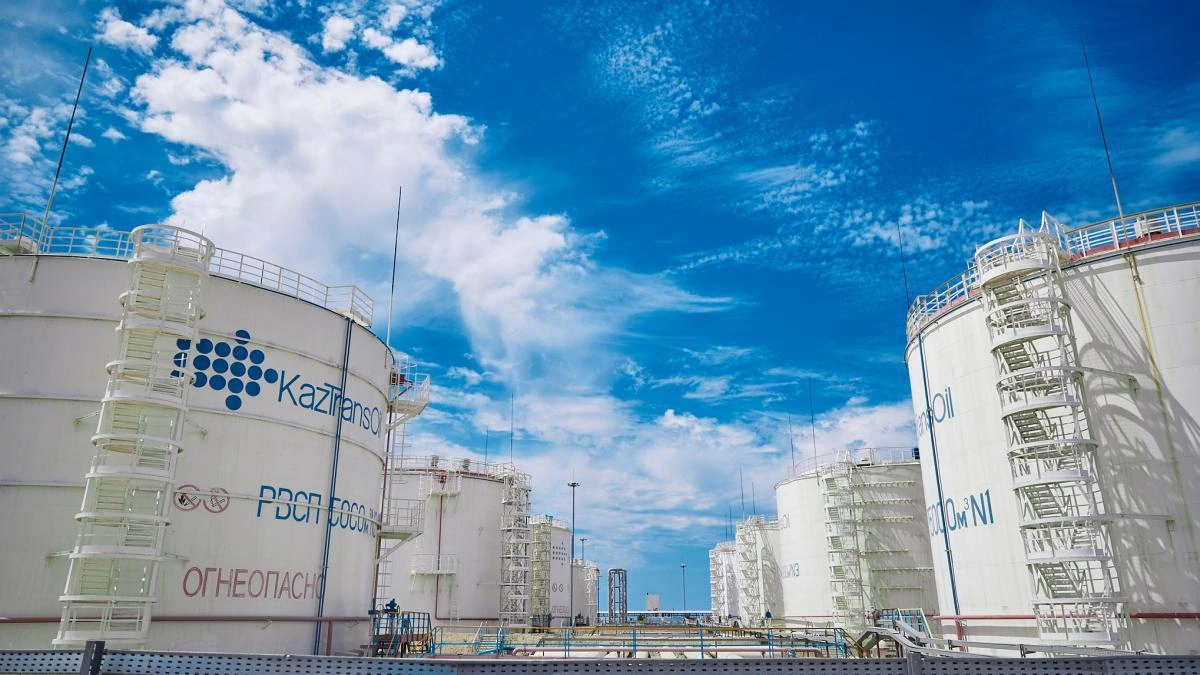
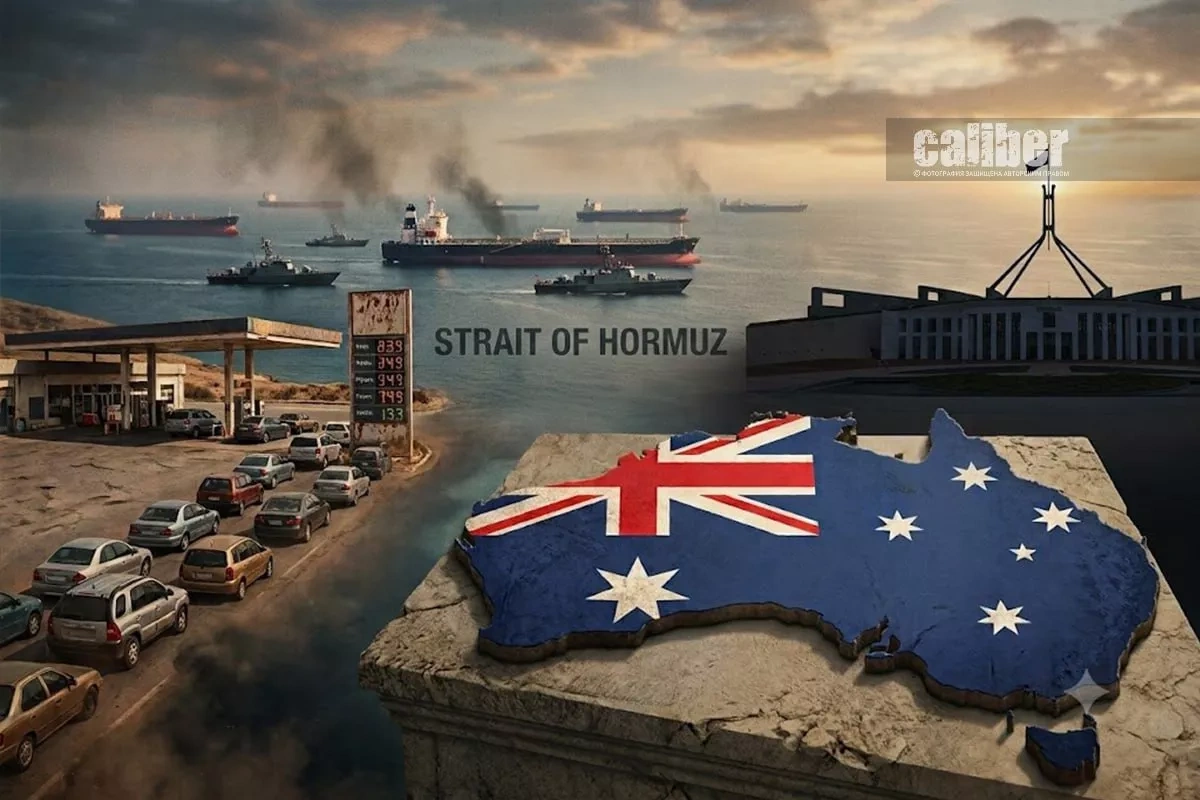
At the heart of the problem lies the fact that, despite possessing substantial energy resources of its own, Australia relies on imports for 90 percent of its liquid fuel. Most of these supplies come from South Korea, Singapore, Malaysia, Taiwan, and Brunei, which themselves import crude oil shipped through the Strait of Hormuz. As soon as this vital maritime artery was effectively blocked by the confrontation between the U.S.–Israel bloc and Iran, Australia immediately began to experience fuel shortages.
As of early April 2026, more than 500 Australian petrol stations were reporting shortages of at least one type of fuel, while gasoline prices had surged severalfold across the country. For a nation with a predominantly rural population and an economy that depends heavily on transporting raw materials from mines and farms by road, such fuel shortages amount to an economic catastrophe.
However, the Middle East conflict is not the only factor to blame for Australia's current predicament. The country's own authorities also bear a significant share of the responsibility. At the beginning of the 21st century, Australia produced enough oil to meet 98 percent of its domestic demand. Yet in less than three decades, its oil production has fallen by 87 percent. Six of the country's eight oil refineries have been shut down, while the remaining two depend on imported crude because they are unable to process Australia's ultra-light oil. At the same time, alongside the decline of its refining industry, Australia's strategic oil reserves remain alarmingly low. Among the 32 member states of the International Energy Agency (IEA), Australia has the smallest petroleum reserves.
The Australian establishment is now being forced to deal with the consequences of its short-sighted policies. Energy Minister Chris Bowen has unveiled a hastily drafted plan described as "one of the most drastic market interventions since petrol rationing during World War II." At the same time, the media are increasingly discussing the prospect of an economic shock comparable to the damage inflicted by the COVID-19 pandemic, when the resulting economic collapse plunged Australia into its first recession in three decades and triggered the country's largest quarterly GDP contraction on record.
In an effort to save face, the government has resorted to unprecedented measures. As a major commodity exporter, Australia has historically relied on stable trade relations—particularly with Asia. For that reason, Canberra has long championed free trade, low tariffs, predictable commercial ties, and an open trading system. Now, confronted with a structural economic crisis, the Labor government is dismantling many of these long-standing principles and calling into question trade relationships that have taken decades to build.
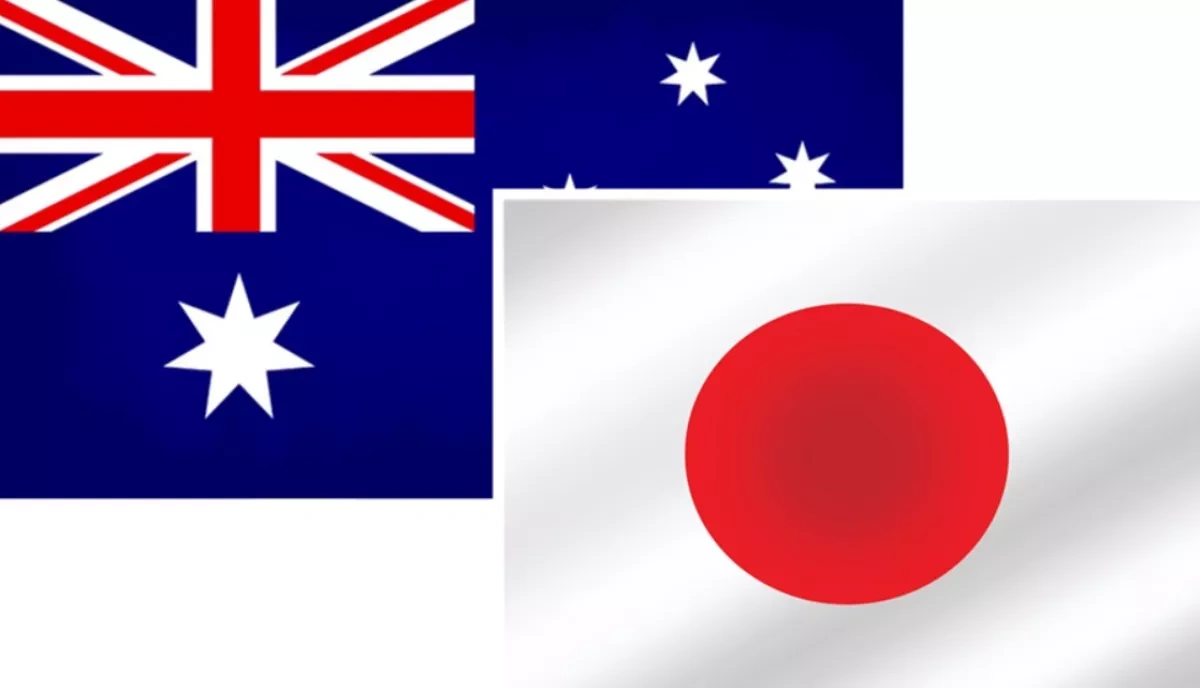
Against this backdrop, economic tensions with Tokyo have also intensified. Faced with the risk of disruptions to oil shipments through the Strait of Hormuz, the government of Prime Minister Anthony Albanese has begun negotiations with several Asian countries to secure guaranteed supplies of refined fuel for Australia.
At the same time, Australia's parliament has begun debating a sharp increase in taxes on windfall profits from liquefied natural gas (LNG) exports. The proposal has drawn a strong reaction from Japan, which imports more than 40 percent of its natural gas from Australia. Commenting on the proposed tax changes, Japan's ambassador to Australia, Kazuhiro Suzuki, stated bluntly: “In [the] Japanese business dictionary, there’s no word called good surprise. Surprise, in the Japanese business dictionary, it’s always bad. If there’s a retrospective taxing or something, I think that would be really bad news.”
As commentators have wryly observed, "while Iran is choking off global oil flows, Australia, in an effort to patch up its budget, is prepared to play the 'gas card' against some of its closest friends." In doing so, Canberra risks triggering a domino effect that could disrupt the Asian trade networks painstakingly built over decades following the Second World War. The problem, however, is that economic boomerangs have a habit of returning to the very hands that set them in motion.
The economic crisis has also quickly spilled over into domestic politics. In the recent elections to the South Australian Legislative Council, the right-wing populist One Nation party, led by Senator Pauline Hanson, dramatically increased its share of the vote—from less than 3 percent in 2022 to 23 percent.
Against this backdrop, Prime Minister Anthony Albanese sought to reassure the nation in an address delivered in April, acknowledging that "months ahead may not be easy... these are uncertain times." Many Australians, however, interpreted those remarks as an admission of the government's weakness as it struggles to cope with the consequences of its own misguided policies across virtually every sphere of life on the island continent.