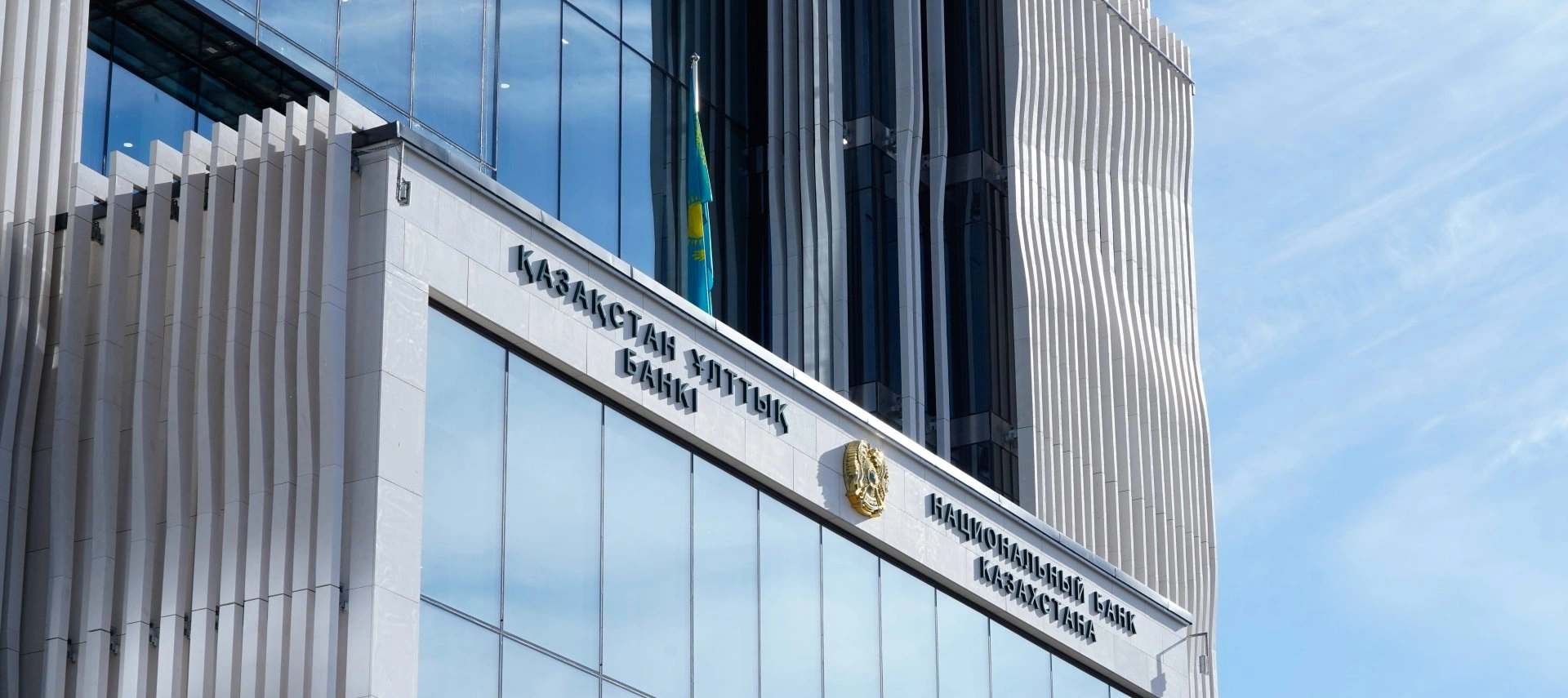
BAKU, Azerbaijan, July 24. The Monetary Policy
Committee of the National Bank of Kazakhstan has decided to reduce
the base rate from 17% to 16.75% per annum with a corridor of +/- 1
percentage point, the bank's press service reports.
"Annual inflation slowed down for the ninth consecutive month,
standing at 10.3% in June compared to 10.4% in May. Food inflation
declined from 10.7% to 10.4%, while non-food inflation remained
steady at 11.7%. Meanwhile, service inflation rose to 9% (up from
8.7% in May) driven by rising prices for unregulated services,
despite an ongoing annual decrease in regulated utility tariffs",
the bank said.
Monthly inflation in June reached 0.8%, with the median estimate
of seasonally adjusted core inflation at 0.9%. The ongoing
disinflationary trend is supported by monetary policy, the
strengthening exchange rate of the tenge, stabilized consumer
activity, and anti-inflationary measures by the Government and the
National Bank.
Inflation expectations for the year ahead increased to 13.4% in
June from 12.7% in May. Professional market participants maintain
their 2026 forecast at 10% and have revised their 2027 expectations
downward to 7.8%.
According to the NBK, in the external sector, volatility
persists due to renewed conflict escalation in the Middle East
pushing up energy prices, alongside accelerating inflation in
Russia and tight global monetary conditions maintained by the ECB
and US Federal Reserve.
Despite global pressures, domestic economic activity is
accelerating. Kazakhstan's GDP grew by 4.1% in the first half of
2026, driven by a 5.3% expansion in non-mining sectors. Total
investments grew by 9.6 percent, while non-resource private
investment surged by 28.9%.
The National Bank noted that while current monetary conditions,
reserve requirements, and synchronized quasifiscal measures are
anchoring inflation, the balance of risks remains tilted toward the
pro-inflationary side due to volatile expectations, potential
tariff increases, and external fuel dynamics.
The central bank emphasized that future decisions on the base
rate will depend on incoming data regarding inflation dynamics and
external market stability, maintaining a moderately tight policy to
achieve its medium-term 5 percent inflation target.