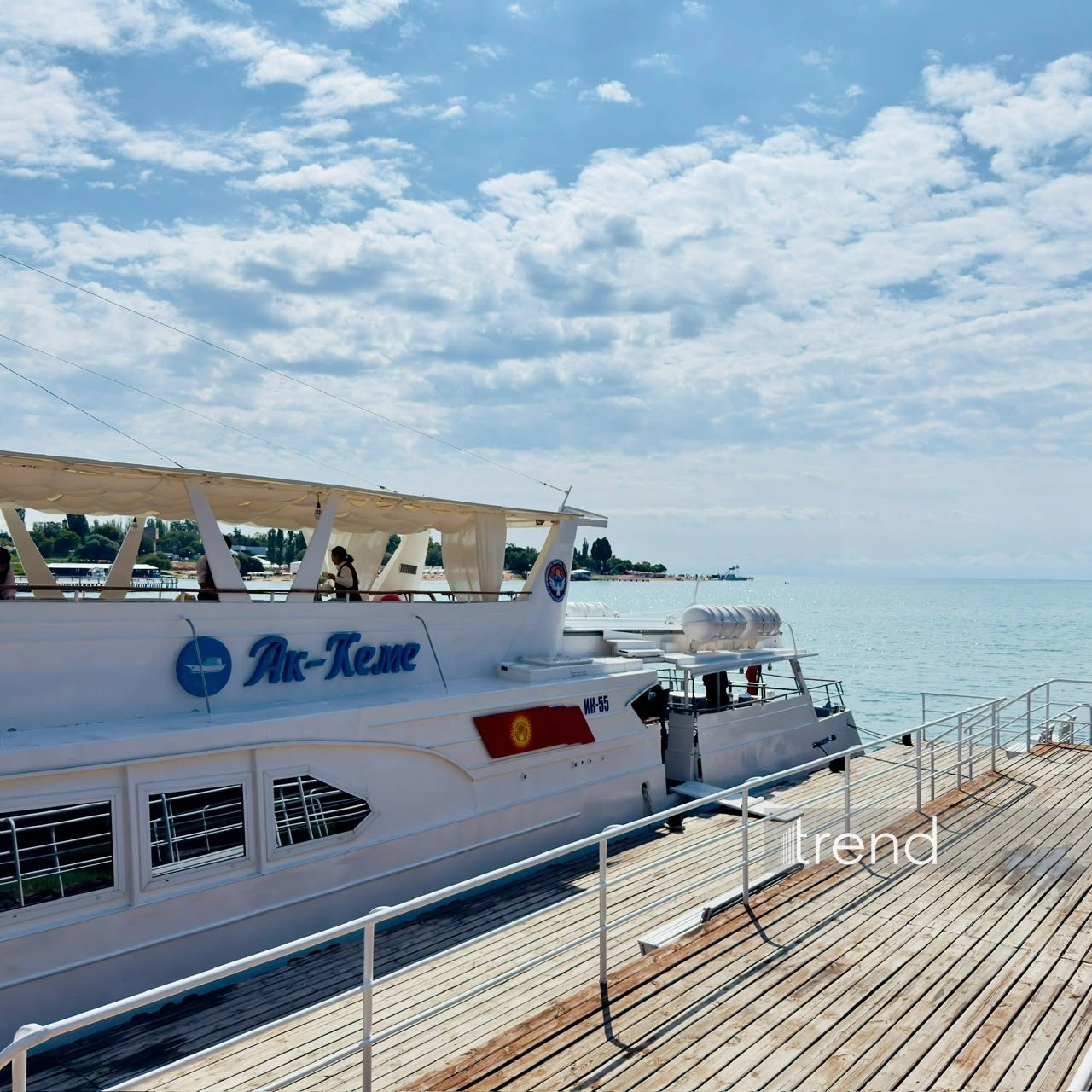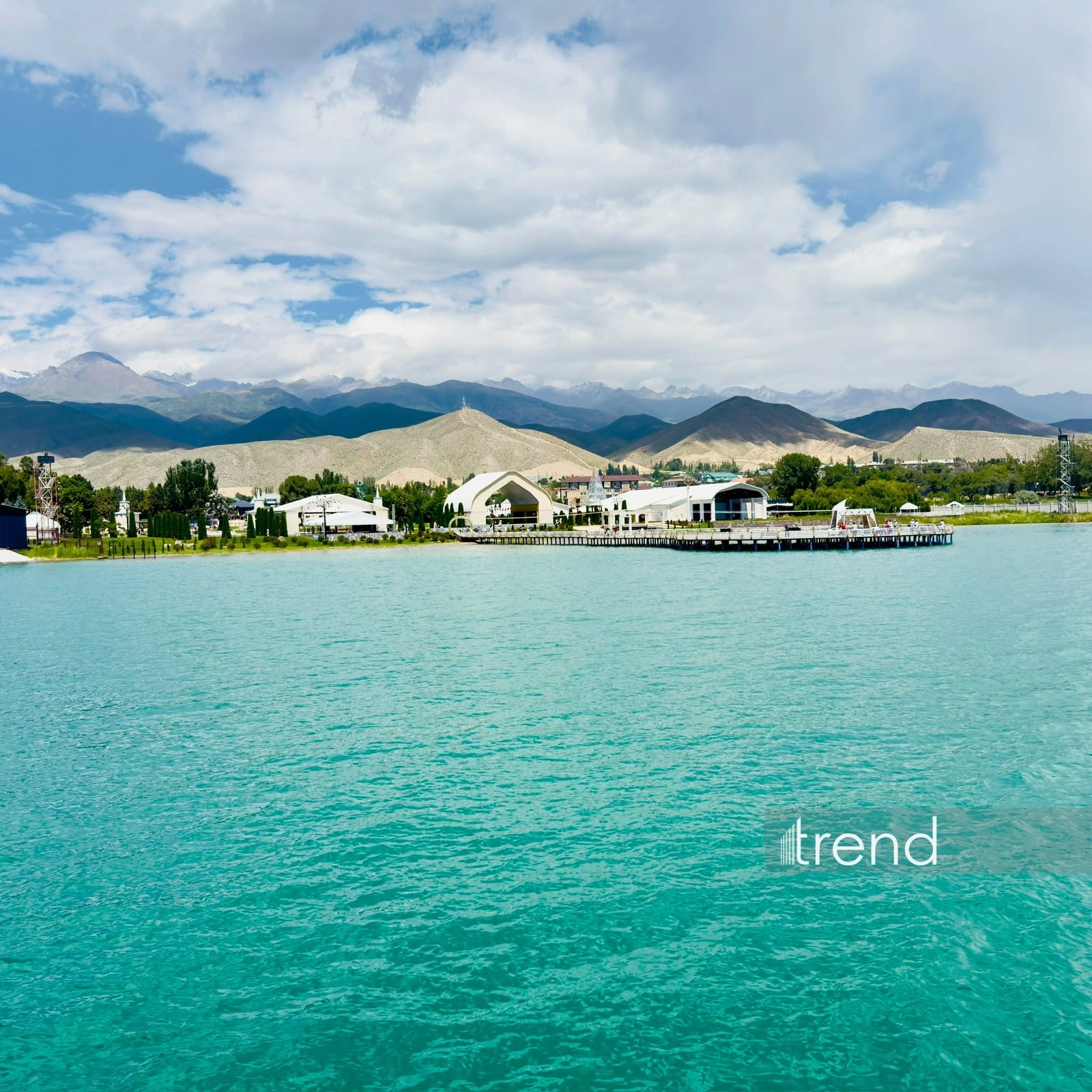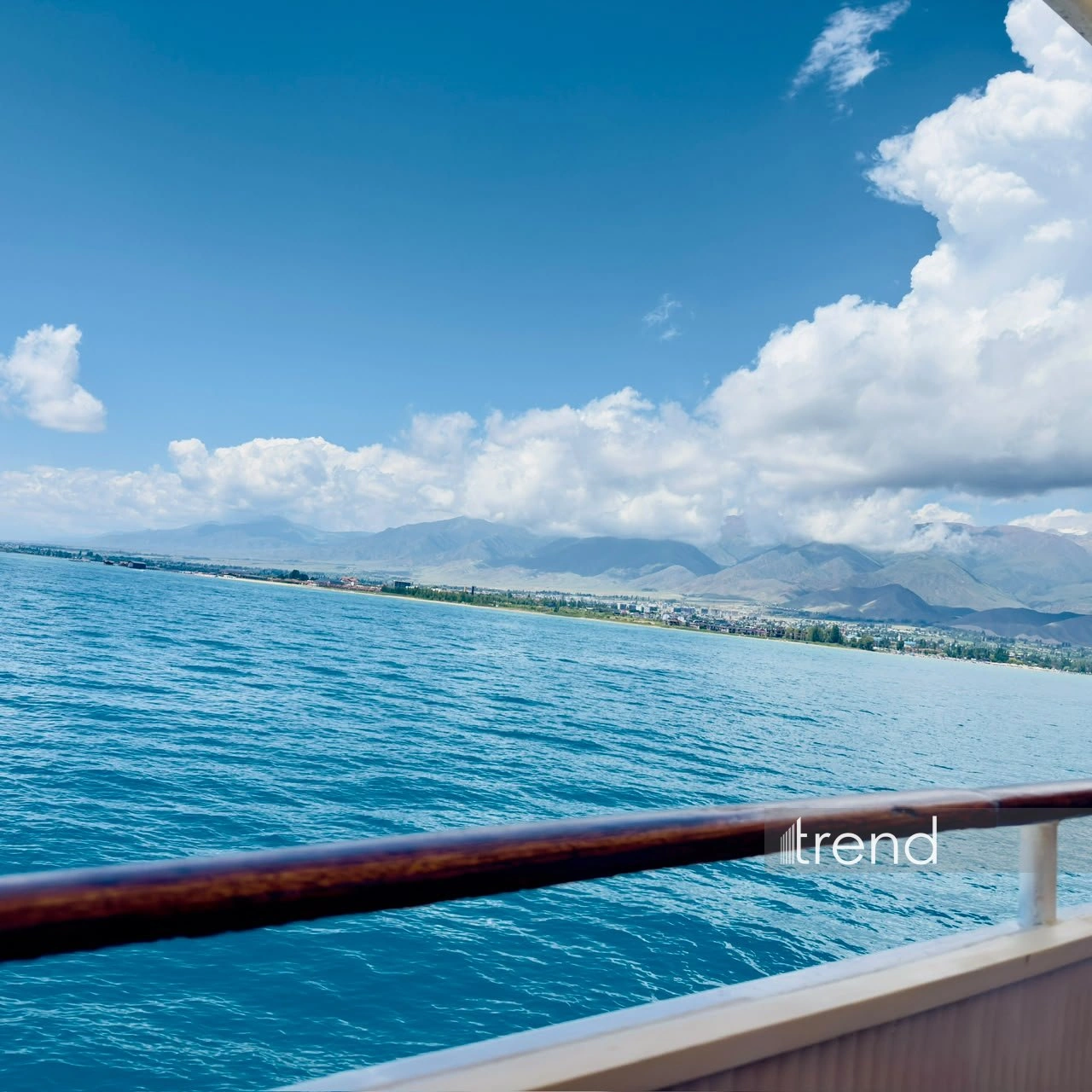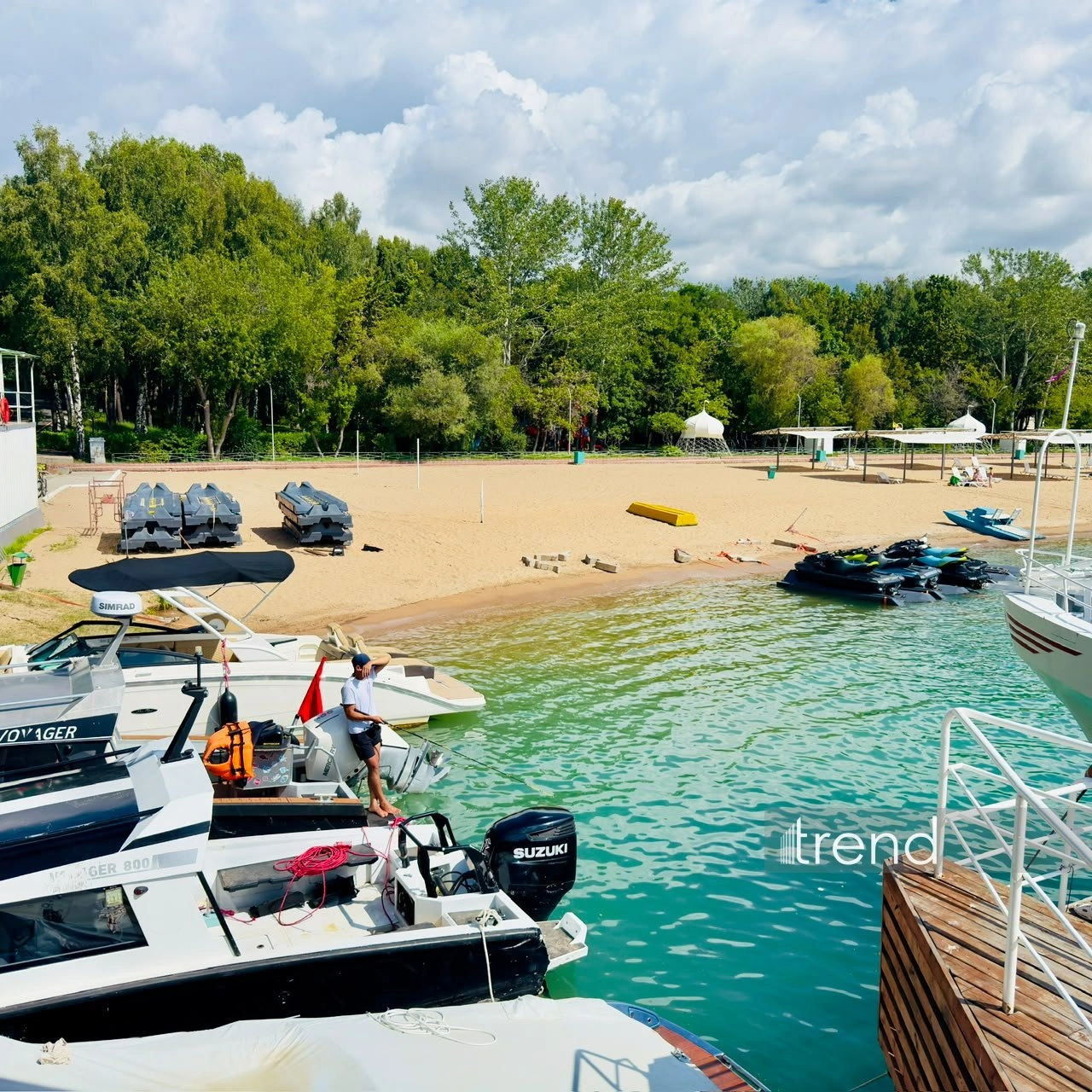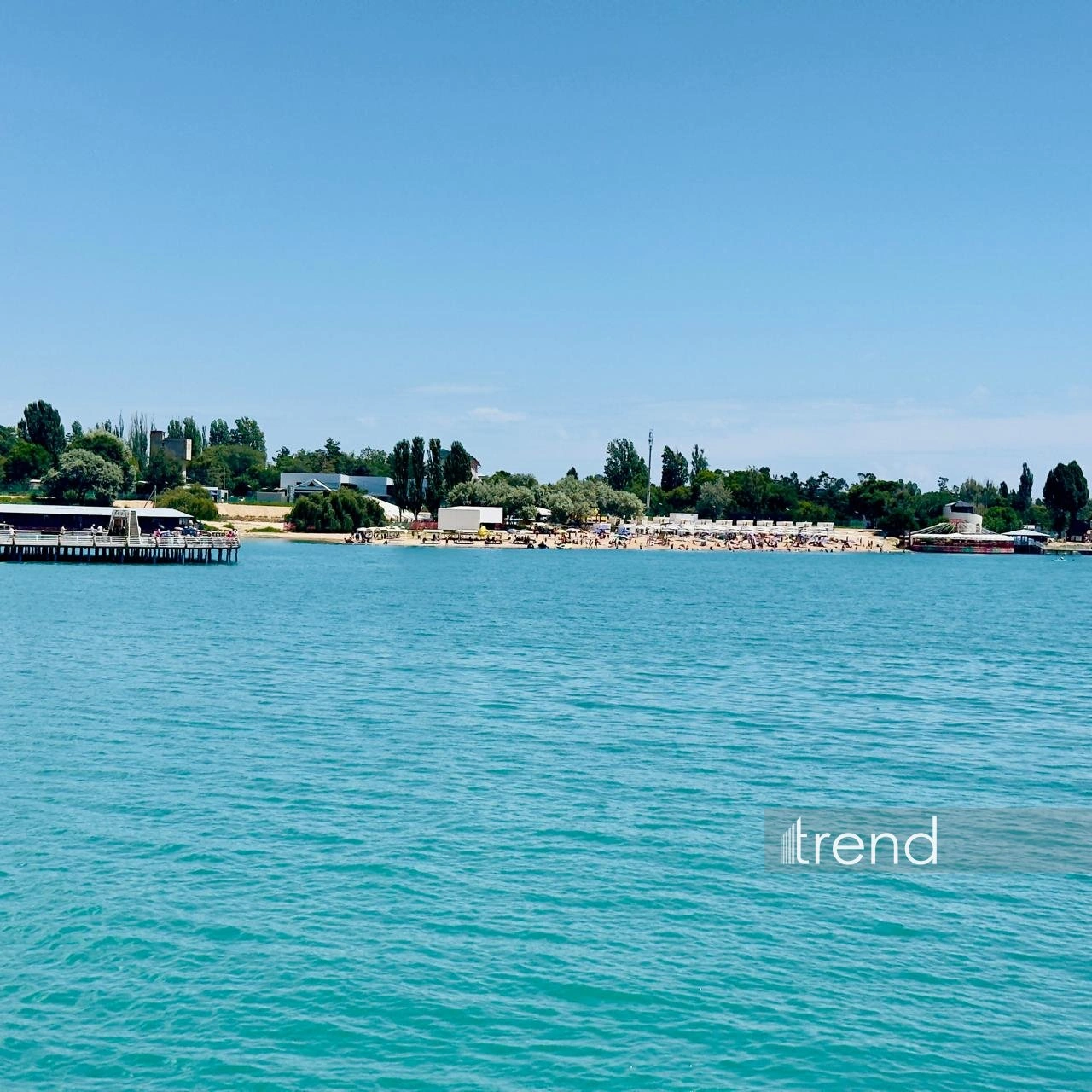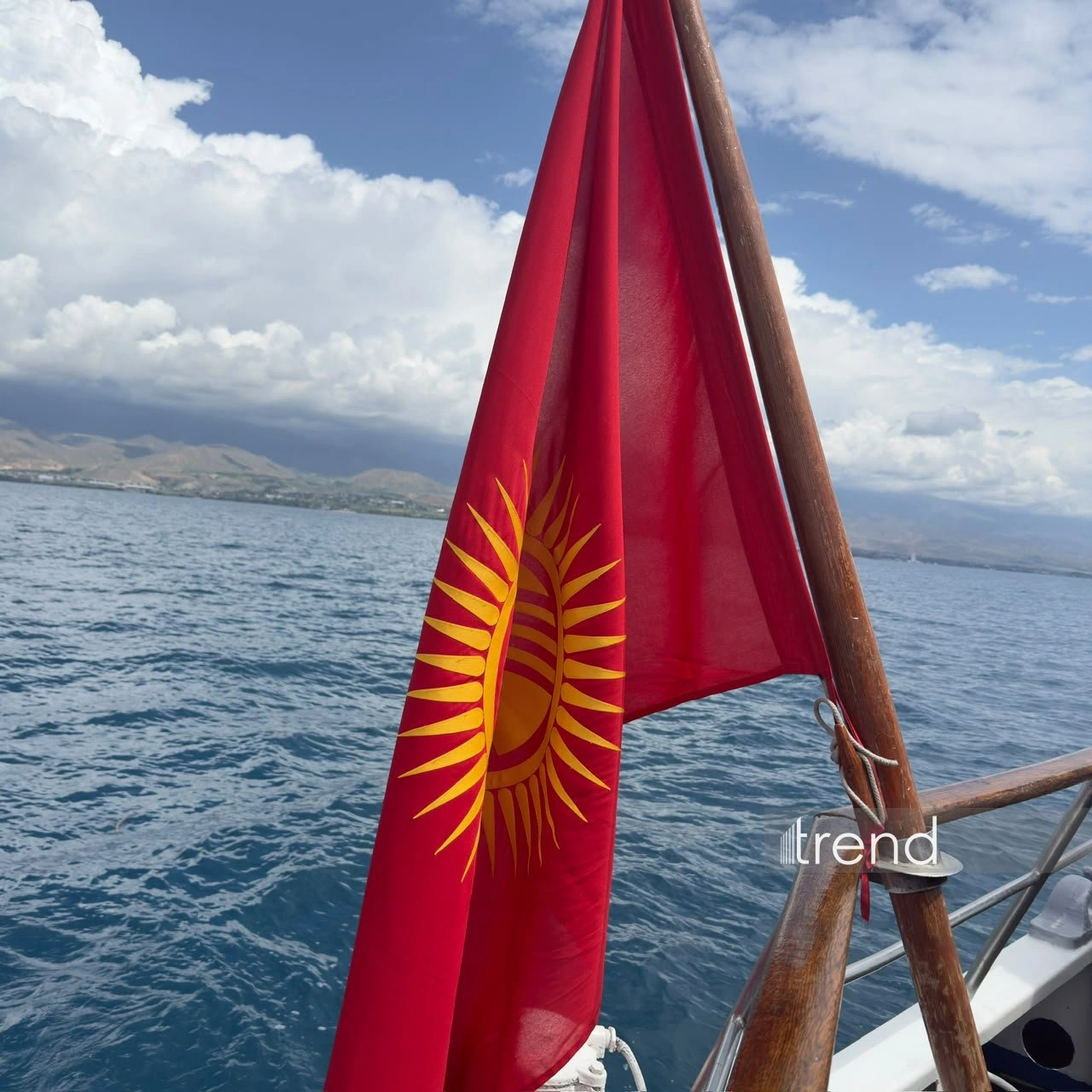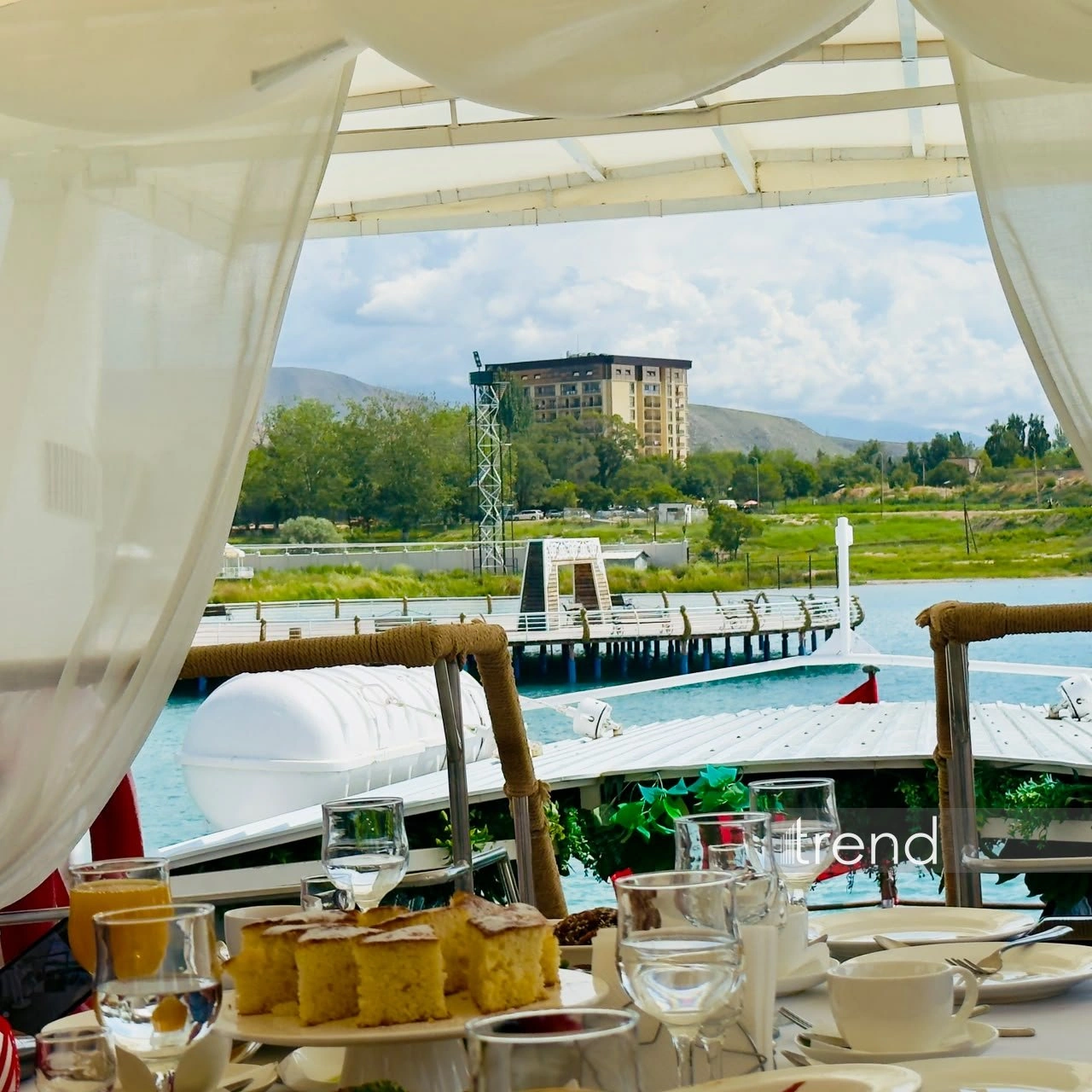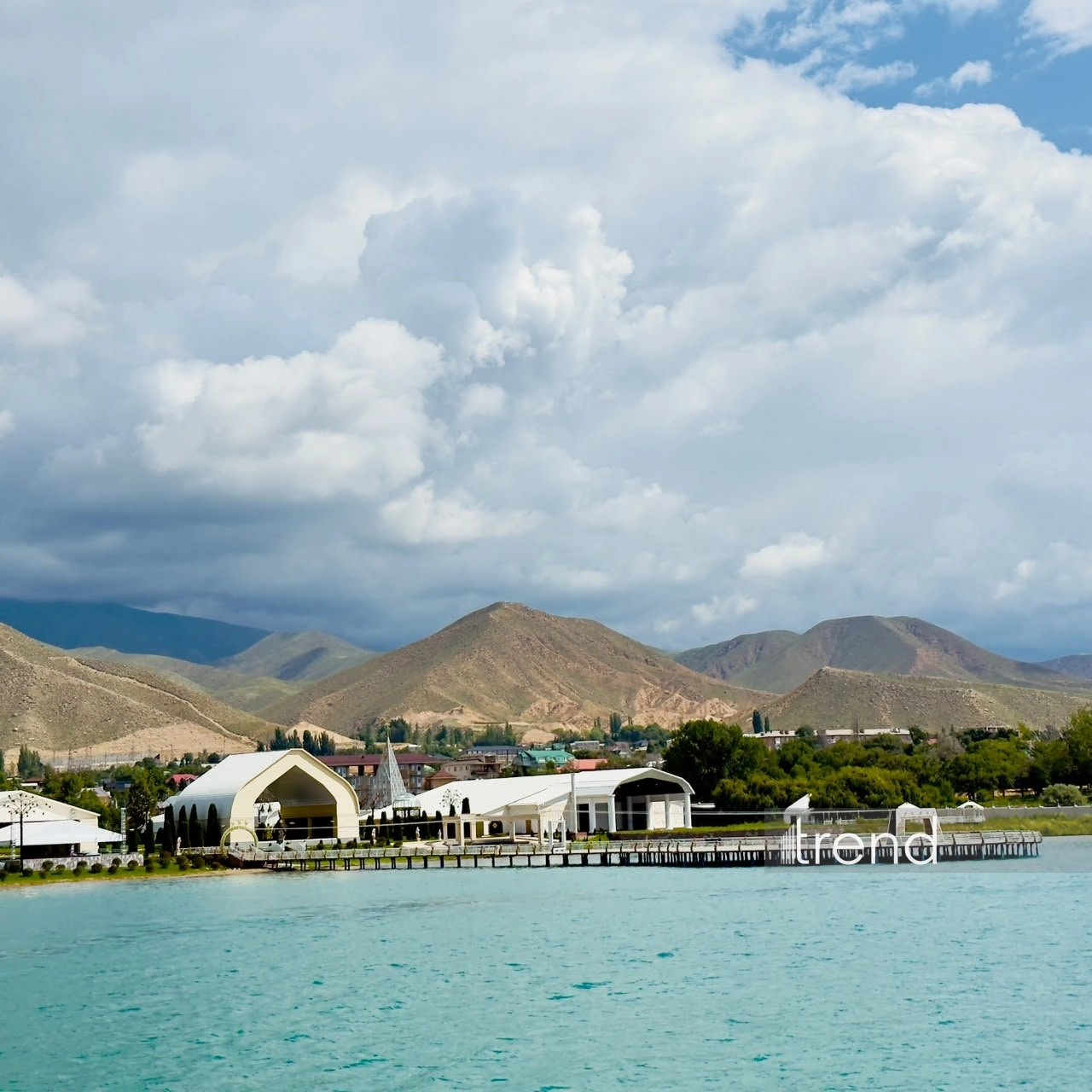
CHOLPON-ATA, Kyrgyzstan, July 24. A boundless
expanse of water stretching to the horizon, cool mountain air, and
the majestic Tien Shan ranges all around—this is how Azerbaijani
media representatives saw Issyk-Kul during a media tour organized
by the Kyrgyz side.
It's no coincidence that this lake is called one of Kyrgyzstan's
greatest natural gems. For the Kyrgyz people, Issyk-Kul has been
considered a sacred place since time immemorial. According to
legend, until the late 19th century, locals didn't even bathe in
its waters. They came to the shore to wash, pray, and honor the
lake, considering it sacred. Historians note that the first bathing
traditions emerged only after the Russians settled here.
Despite Issyk-Kul's location high in the mountains, it never
freezes. This is why its name is translated as "warm lake."
However, "warm" here doesn't necessarily mean hot. Even in the
height of summer, the water remains cool, refreshing, and
invigorating. For those accustomed to the warm Caspian Sea, the
waters of Issyk-Kul will seem noticeably colder, but it is
precisely this freshness that makes every dive especially
enjoyable.
The main tourist season is in July and August. In recent years,
thanks to warmer weather, the first vacationers arrive in May,
although the water at this time is still quite cool.
Issyk-Kul fascinates not only with its landscapes, but also with
its unusual natural features. More than 170 rivers and numerous
underground springs feed the lake, but not a single river flows out
of it. Thanks to this, a unique ecosystem has formed here,
requiring especially careful treatment.
There are many beautiful stories associated with the lake. One
of the most famous was popularized by Ilf and Petrov in the novel
“The Twelve Chairs,” which mentions the legend that the heart of a
beautiful girl warmed the waters of Issyk-Kul. Local residents note
that the main miracle of the lake is not myths at all, but its
amazing ability to change the color of the water depending on the
color of the sky: from rich turquoise to deep blue.
Kyrgyzstan places particular emphasis on preserving the natural
environment of Issyk-Kul. At the initiative of the country's
president, anti-poaching raids are regularly conducted, during
which illegally installed fishing nets are removed from the lake.
The head of state is also reported to personally participate in
such environmental campaigns.
A number of restrictions have been introduced to protect the
unique ecosystem. Driving directly to the shoreline, washing
vehicles near the lake, and bathing pets are prohibited.
Furthermore, authorities are consistently reducing the use of
plastic bags and other polluting materials.
At the same time, programs are being implemented to restore the
population of native fish species.
For some of them, a moratorium on commercial fishing is in
effect. In particular, experts note a gradual recovery in the
population of the famous Issyk-Kul chebachok, considered one of the
lake's symbols.
For the media tour participants, their introduction to Issyk-Kul
was an opportunity to see a place where pristine nature, a rich
history, and careful environmental stewardship create a special
atmosphere. Here, people want to not just take beautiful photos,
but linger longer, breathe in the fresh mountain air, and at least
once take a dip in the clear, cool water of one of Central Asia's
most famous lakes.