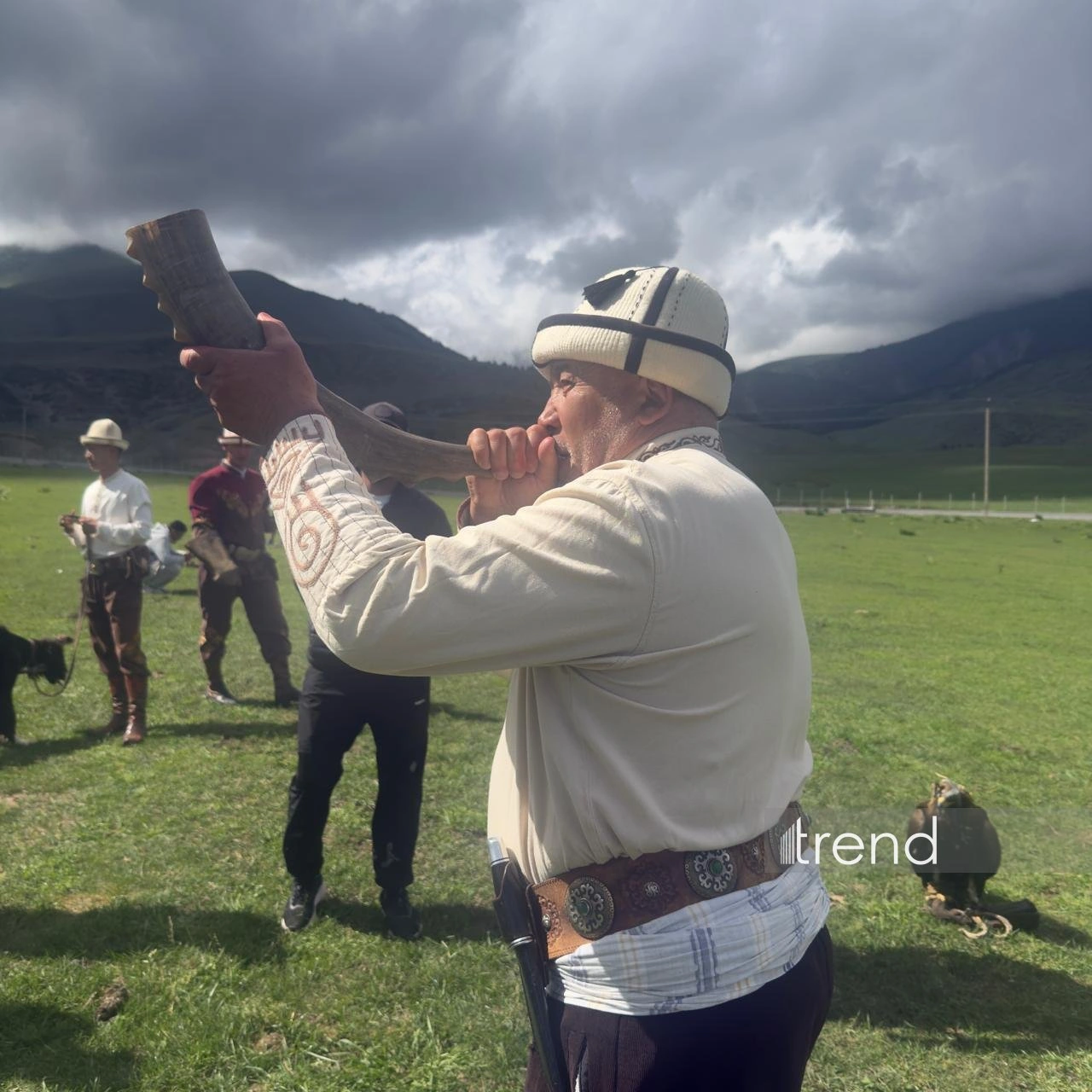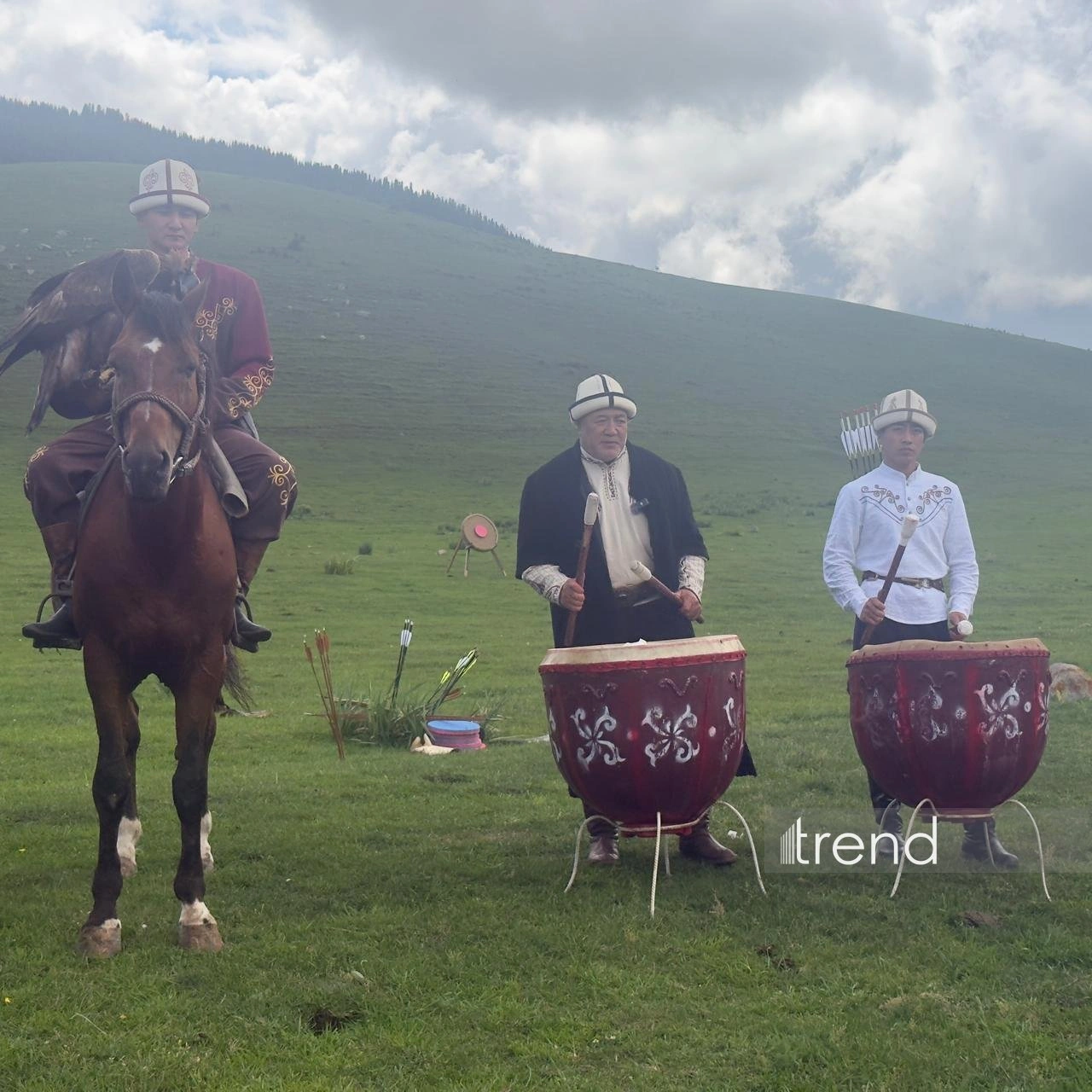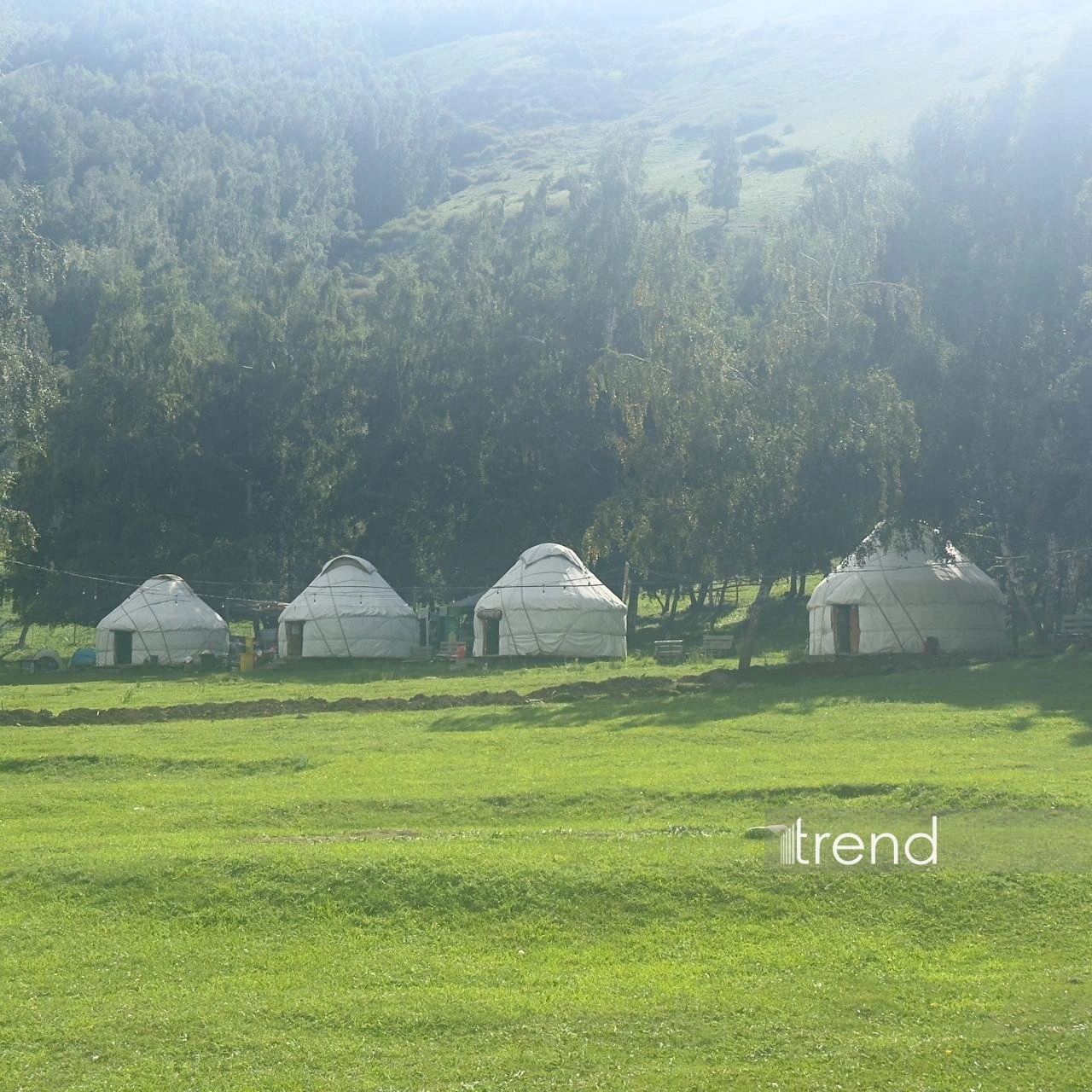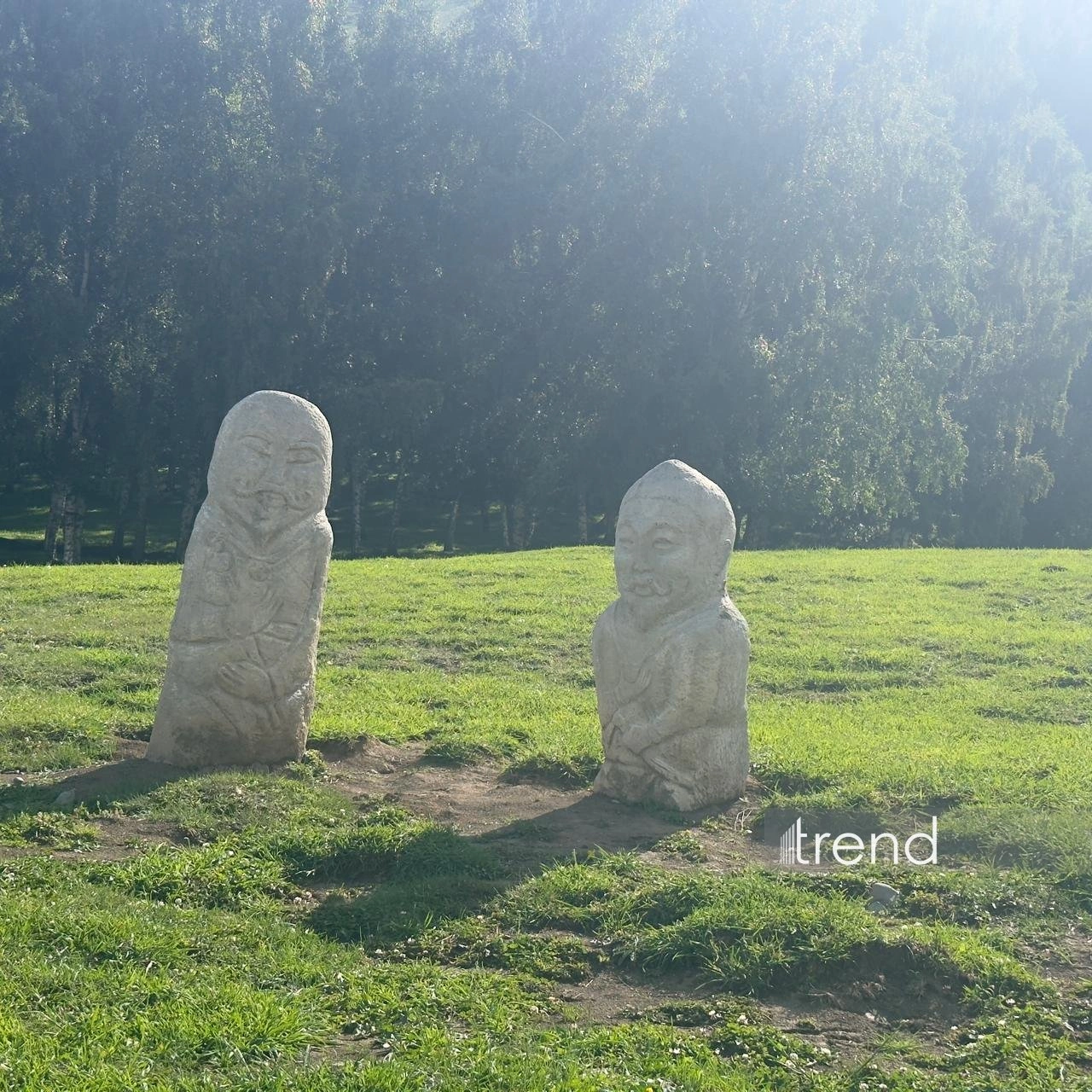
CHOLPON-ATA, Kyrgyzstan, July 23. Salbuurun, a
unique hunting culture encompassing the art of falconry, working
with hunting dogs, and traditional archery, occupies a special
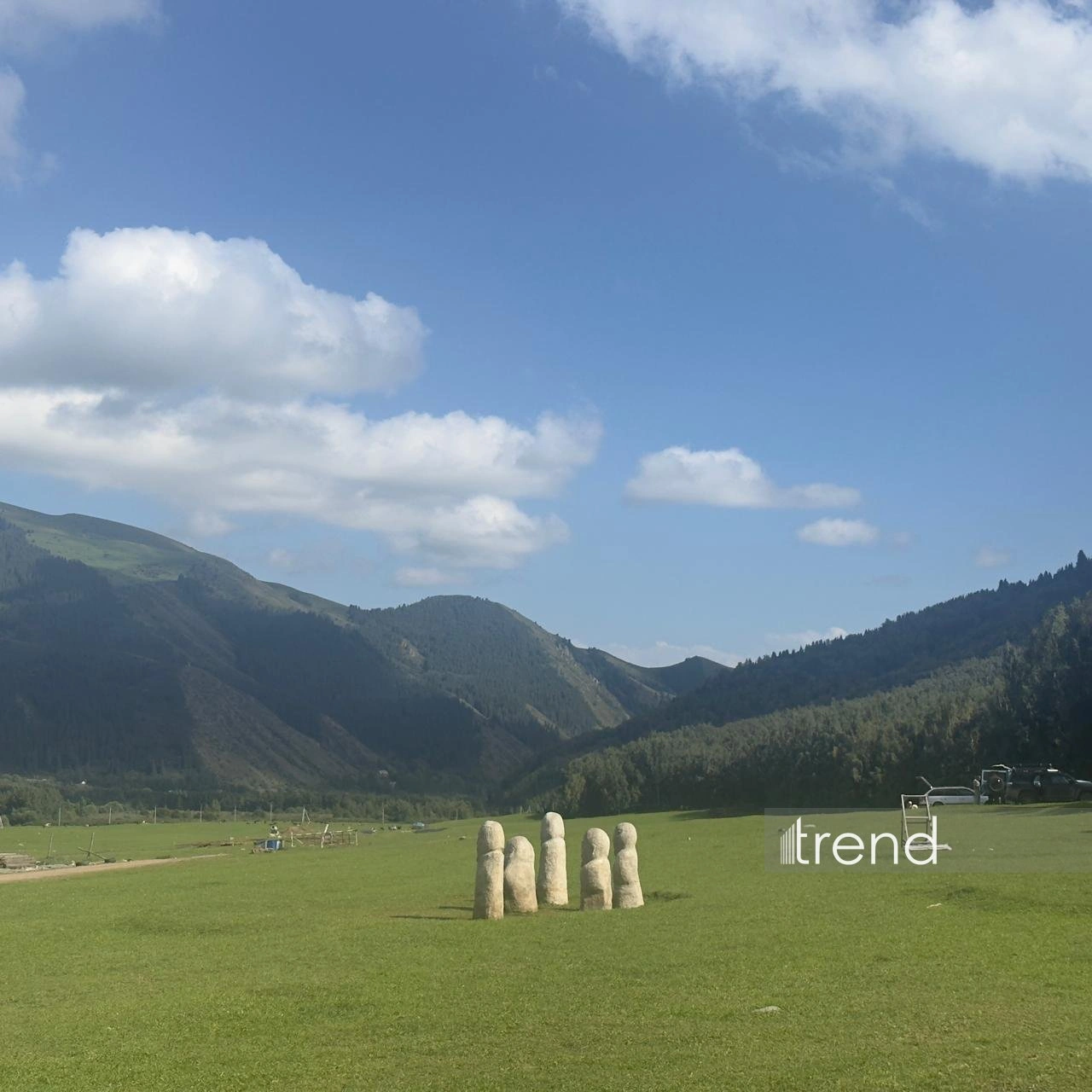
place in the picturesque Kyrchyn Gorge, where ancient nomadic
traditions come to life against the backdrop of majestic
mountains.
It was here that Azerbaijani media representatives, as part of a
media tour, learned about one of the most striking elements of
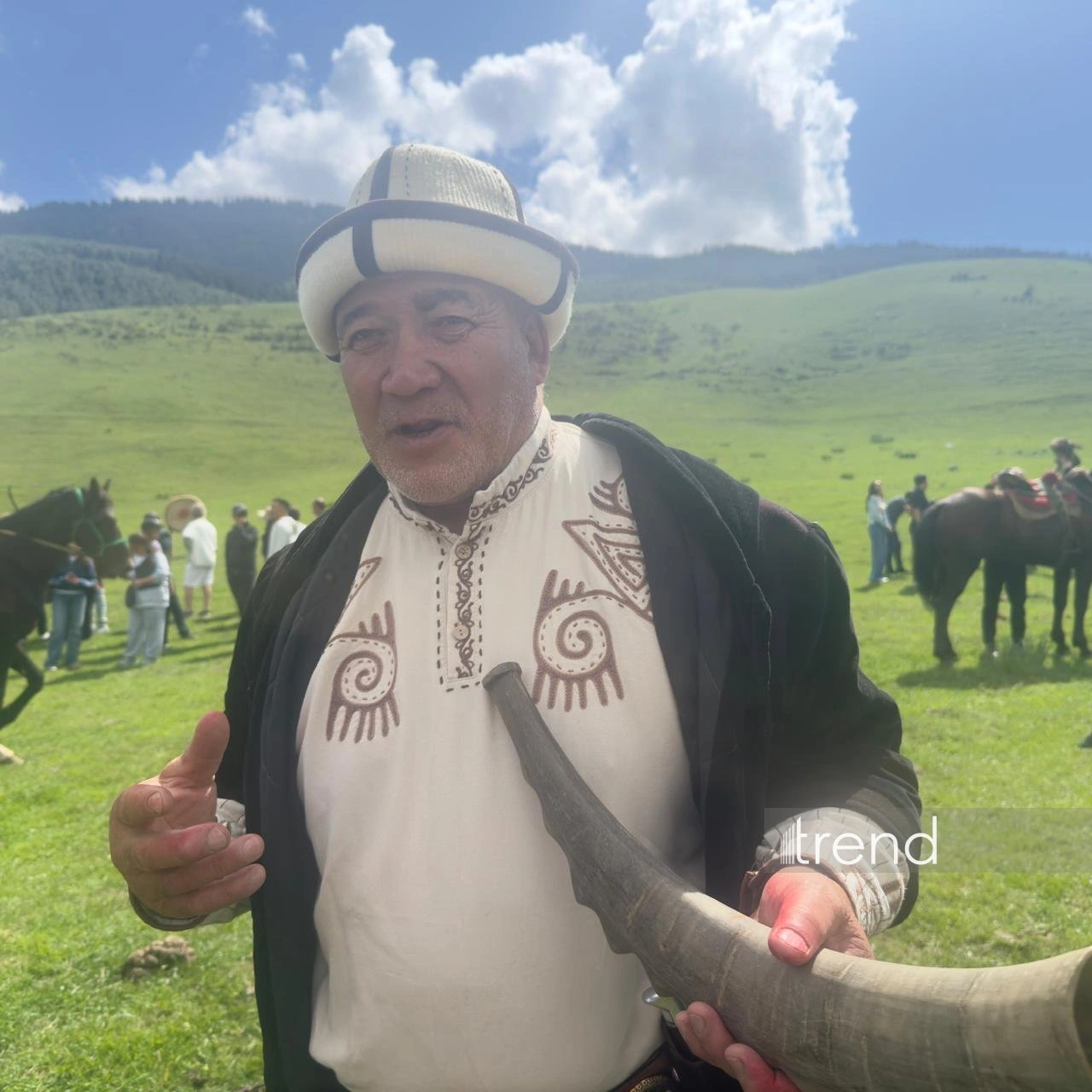
Kyrgyzstan's intangible cultural heritage. Almaz Akunov, founder
and president of the Salbuurun Federation, spoke with Trend's special
correspondent about its revival.
According to him, Salbuurun is more than just hunting in the
traditional sense. For nomadic peoples, it has been a way of life
for centuries, a means of survival, a means of protecting family
and household, and an important part of their spiritual and
cultural traditions.
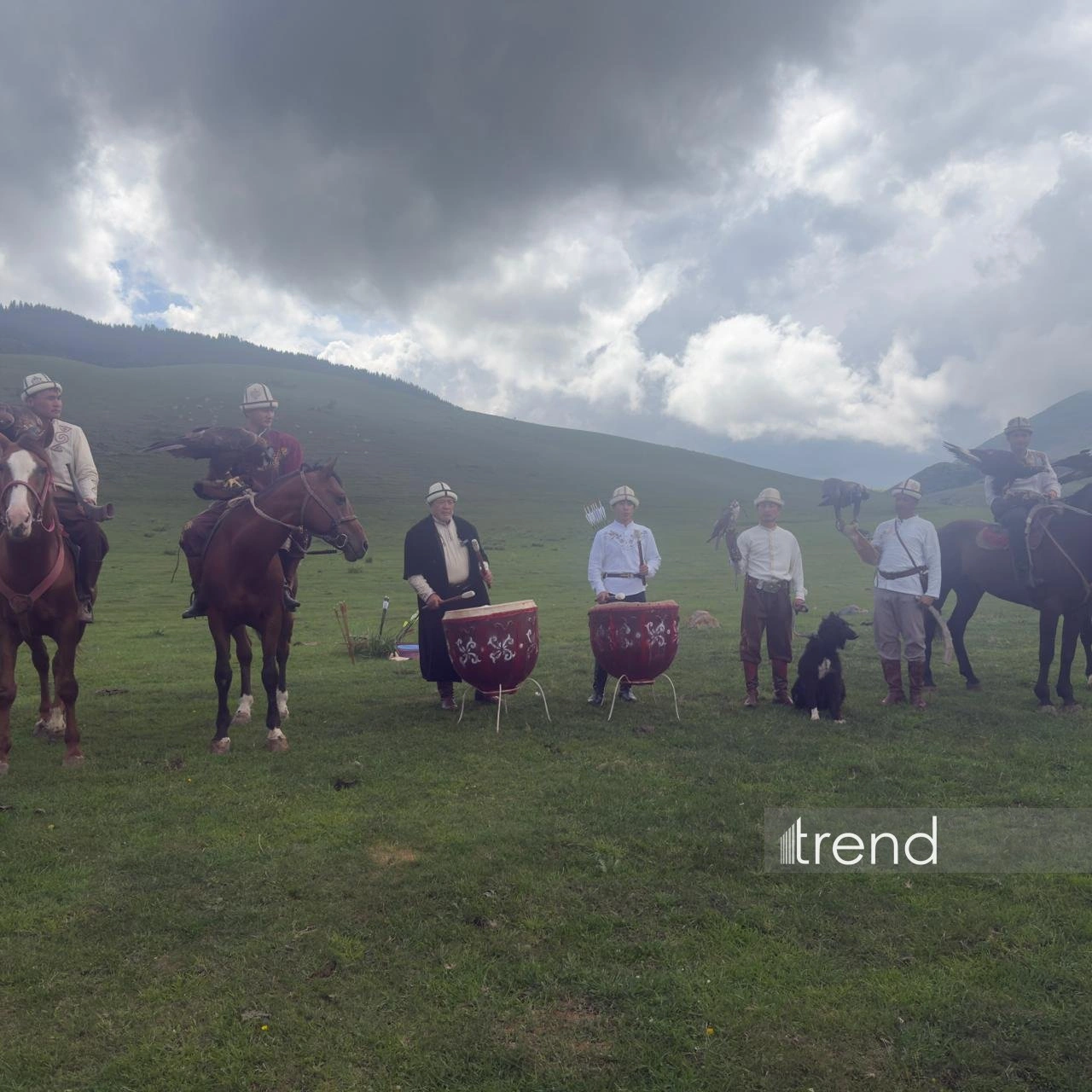
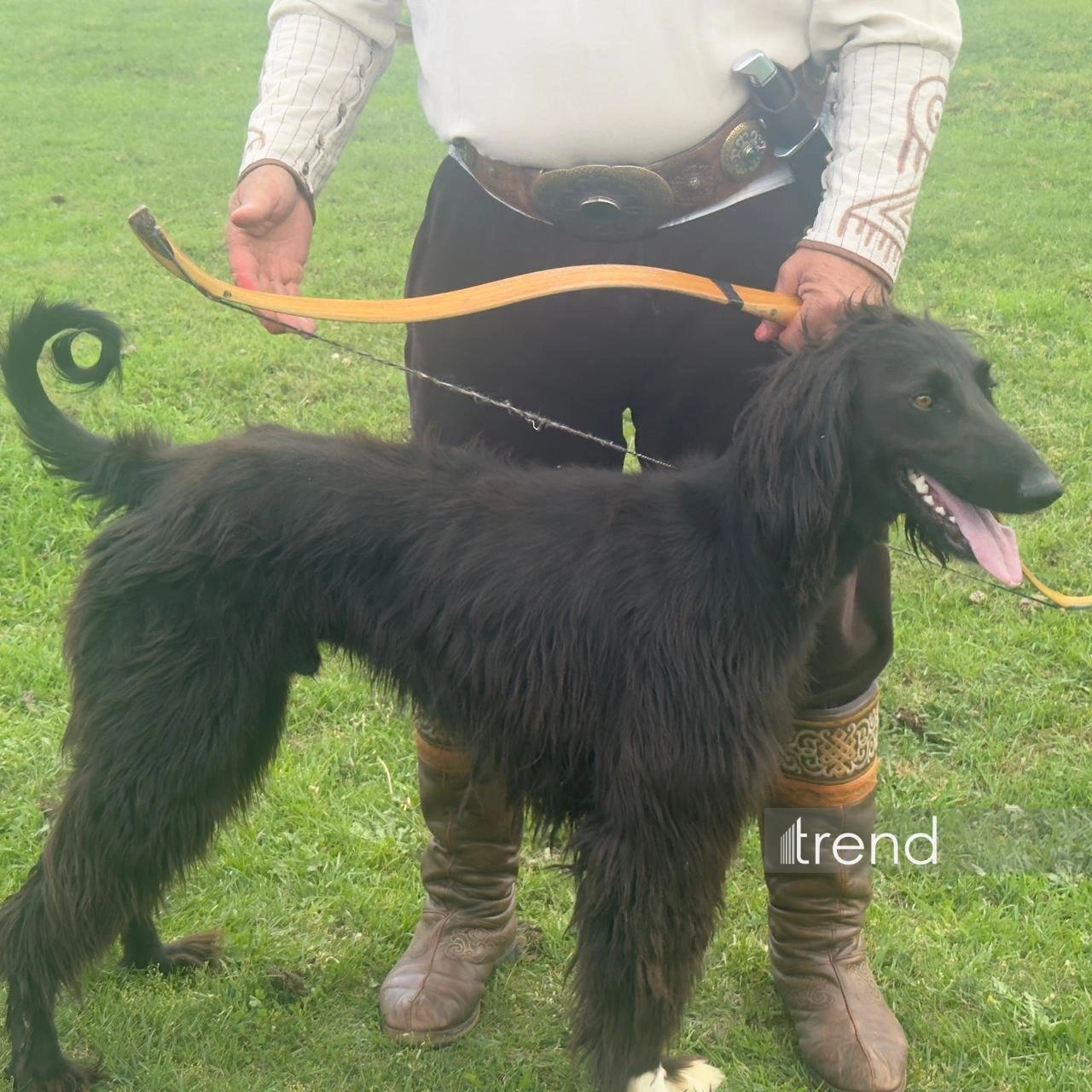
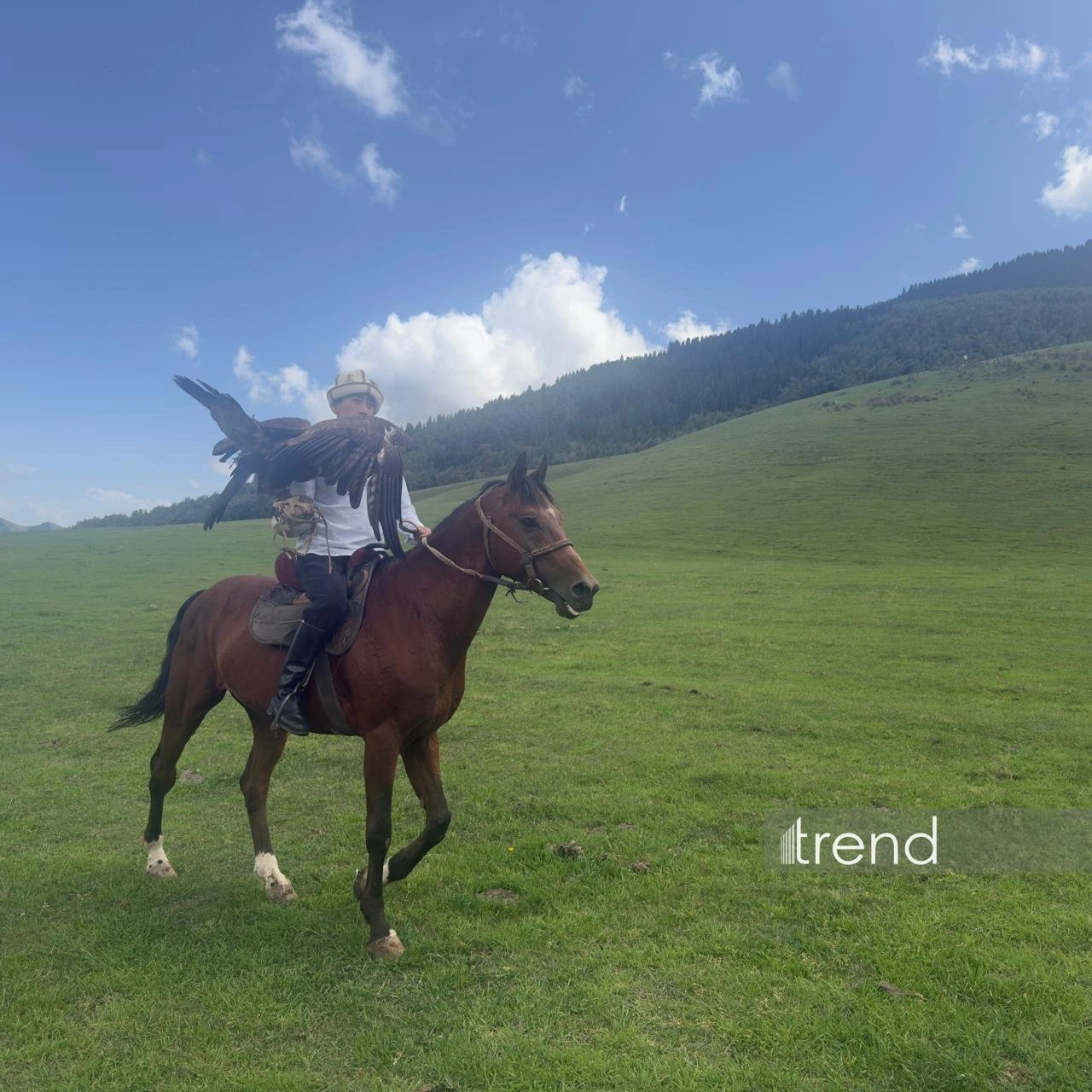
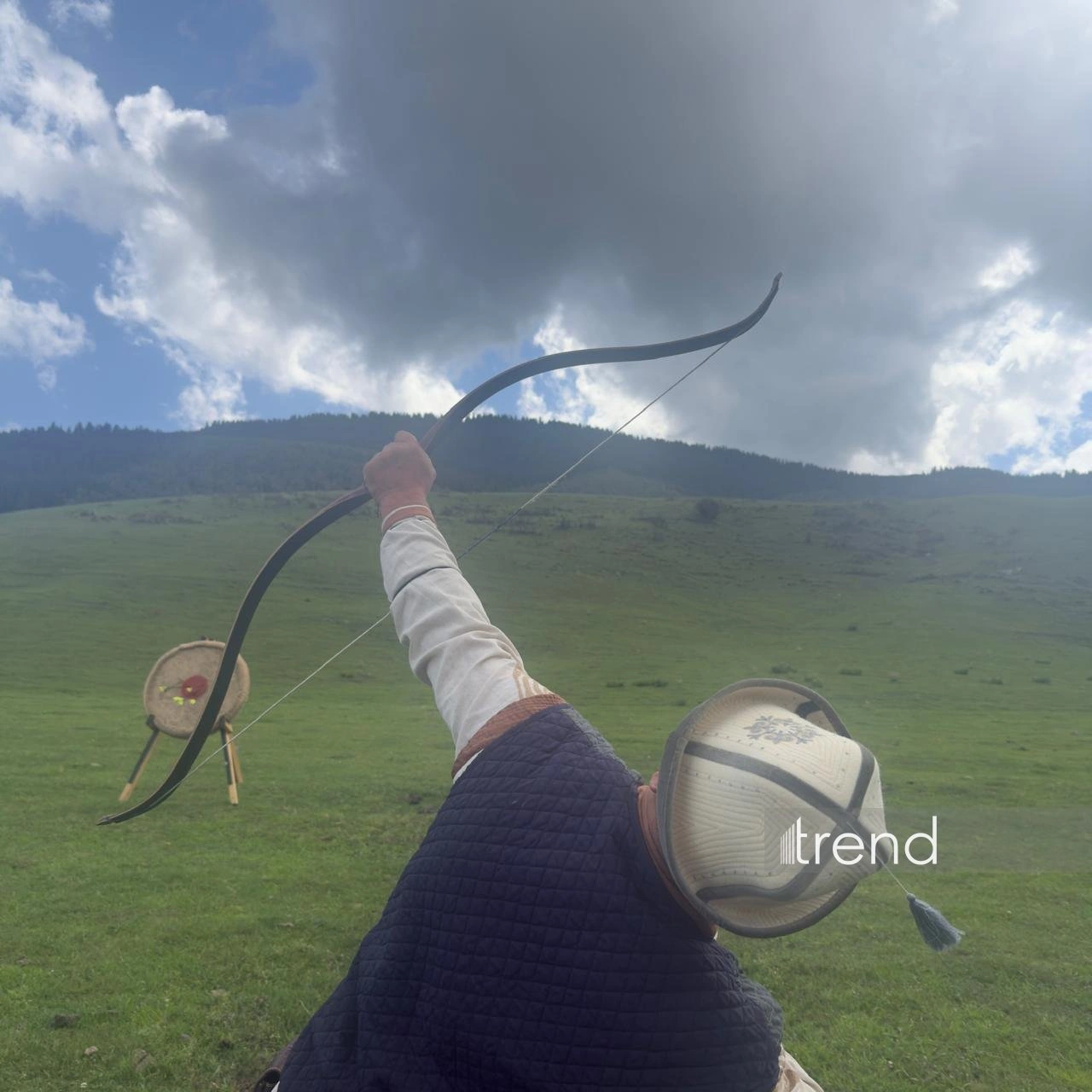
"Salbuurun is an ancient nomadic hunting culture based on the
integrated use of falcons, hunting dogs, and the traditional bow.
It was once more than just a craft, but a means of survival, a
means of protection and defense. This tradition was passed down
from generation to generation, but over time, it began to fade. In
2006, we began its revival. I am a former athlete myself, a master
of sports in freestyle wrestling, and thanks to the creation of the
Federation, we were able to reconstruct this complex hunting
culture and transform it into a national sport," Akunov
explained.
Today, the Kyrchyn Gorge has become one of the main venues where
ancient traditions are given new life. It's here that young people
can not only witness ancient customs but also become part of
them.
"This place is very helpful in engaging young people in the
study of traditional knowledge and cultural heritage. Traditional
hunting is being promoted throughout Kyrgyzstan today. The word
'hunting' should be understood first and foremost as part of
culture and tradition," he noted.
According to Akunov, in recent years, several national sports
that were recently on the brink of extinction have been brought
back to life.
"We have succeeded in reviving several traditional Kyrgyz
sports. We have also restored falconry schools, where young people
learn to care for, train, and use birds of prey, both in
competitive and legal hunting," he said.
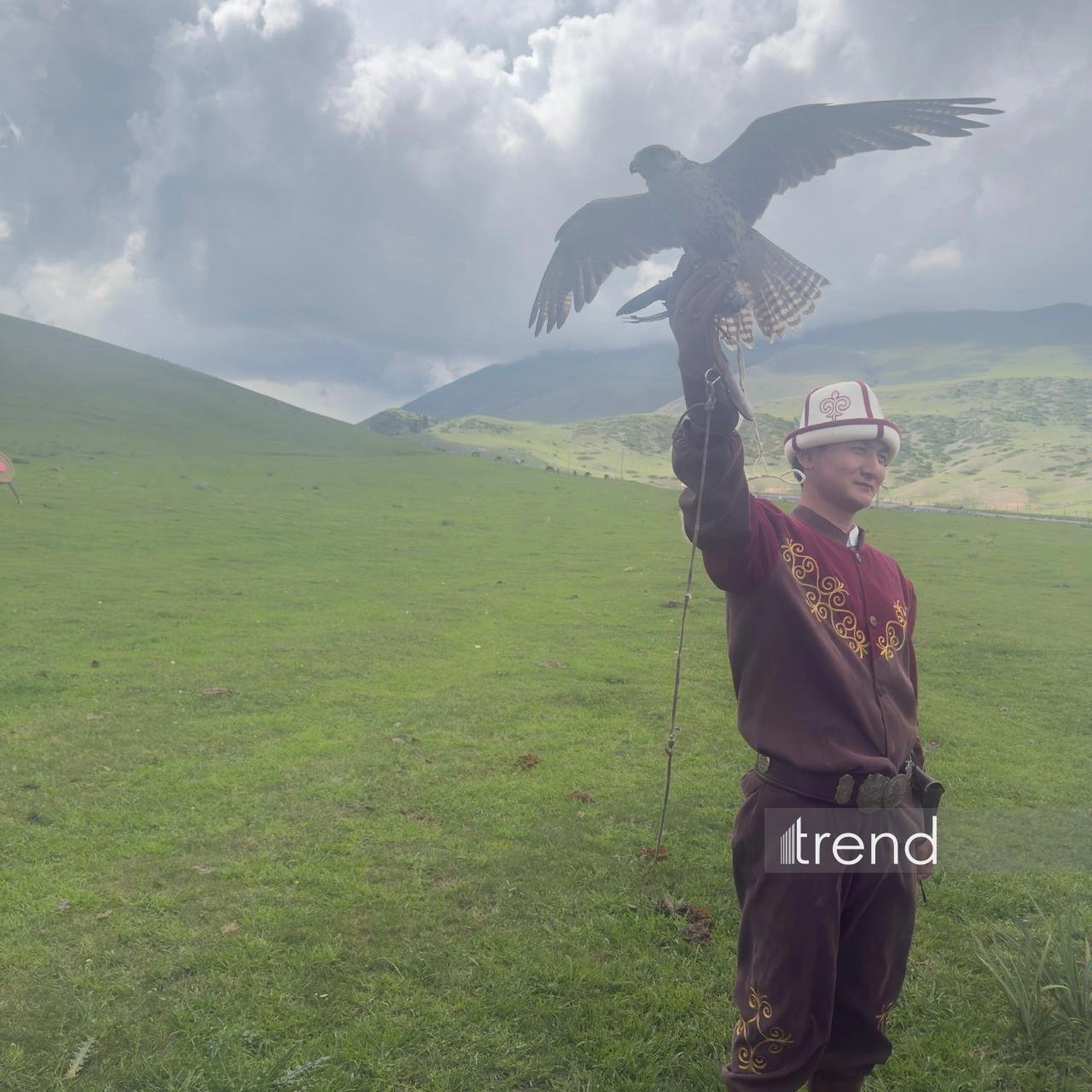
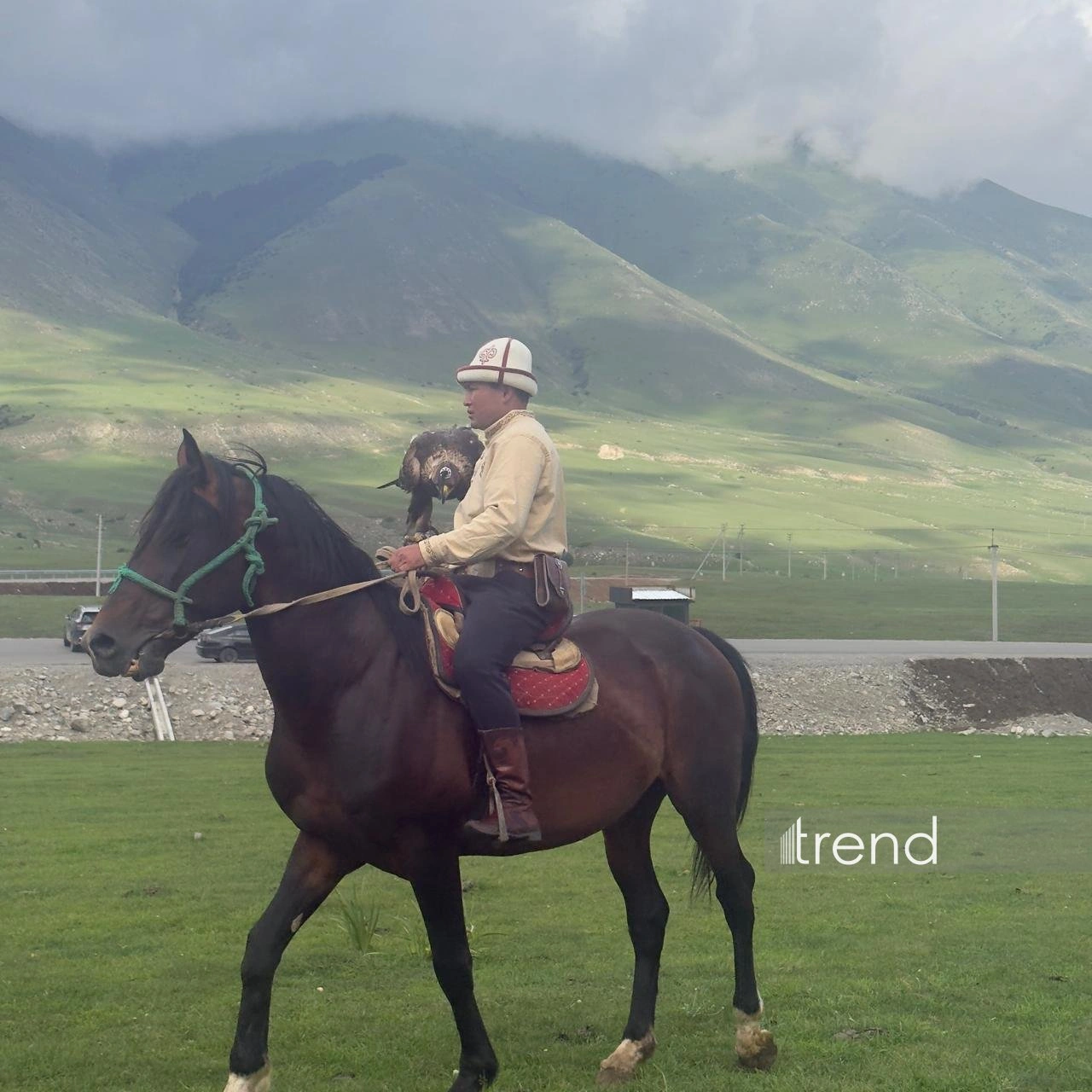
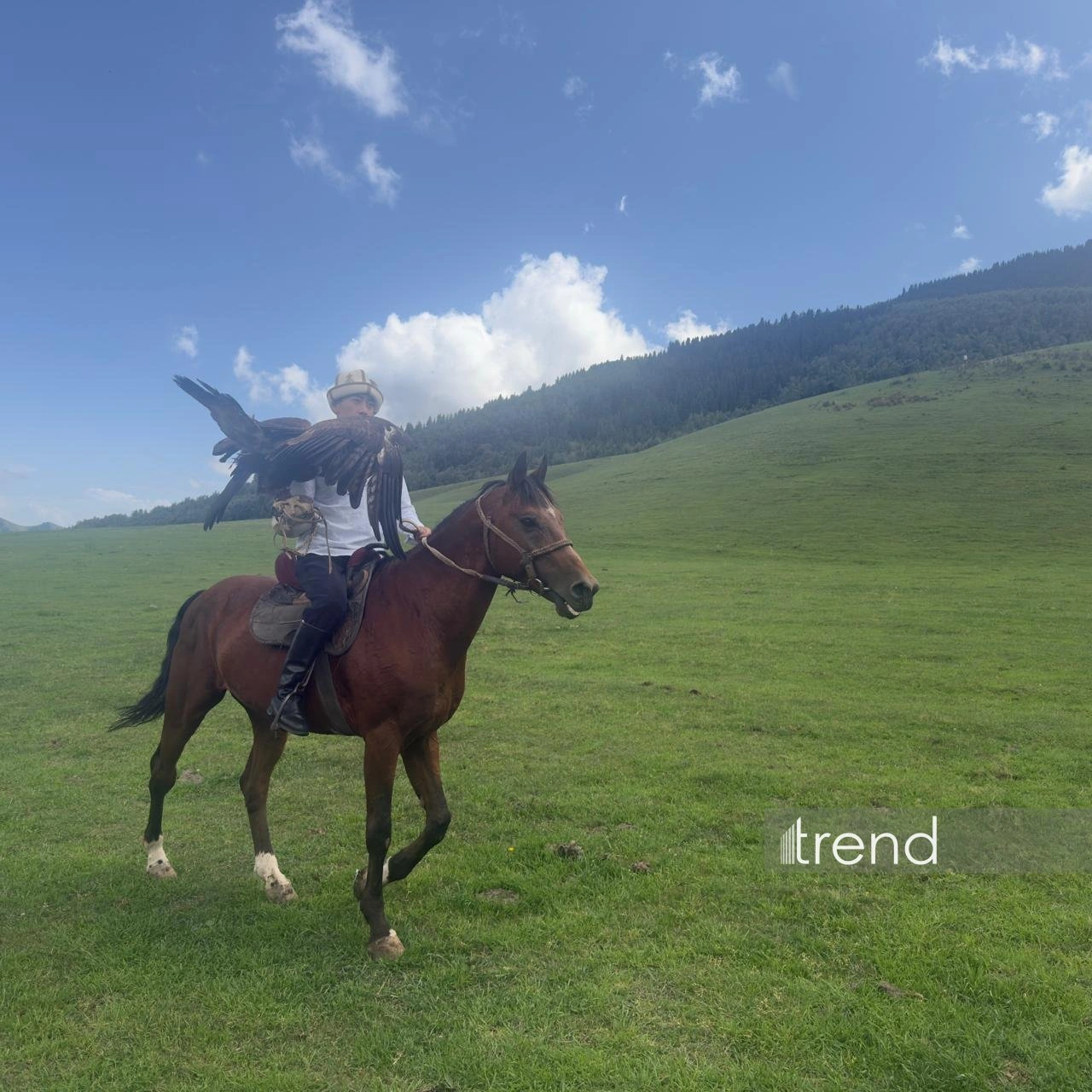
Falcons and golden eagles were of particular interest to the
media tour participants.
However, caring for birds of prey requires daily work and
dedication.
"Birds of prey need to be trained daily. If not, they lose their
motor and hunting skills. That's why we train them year-round. This
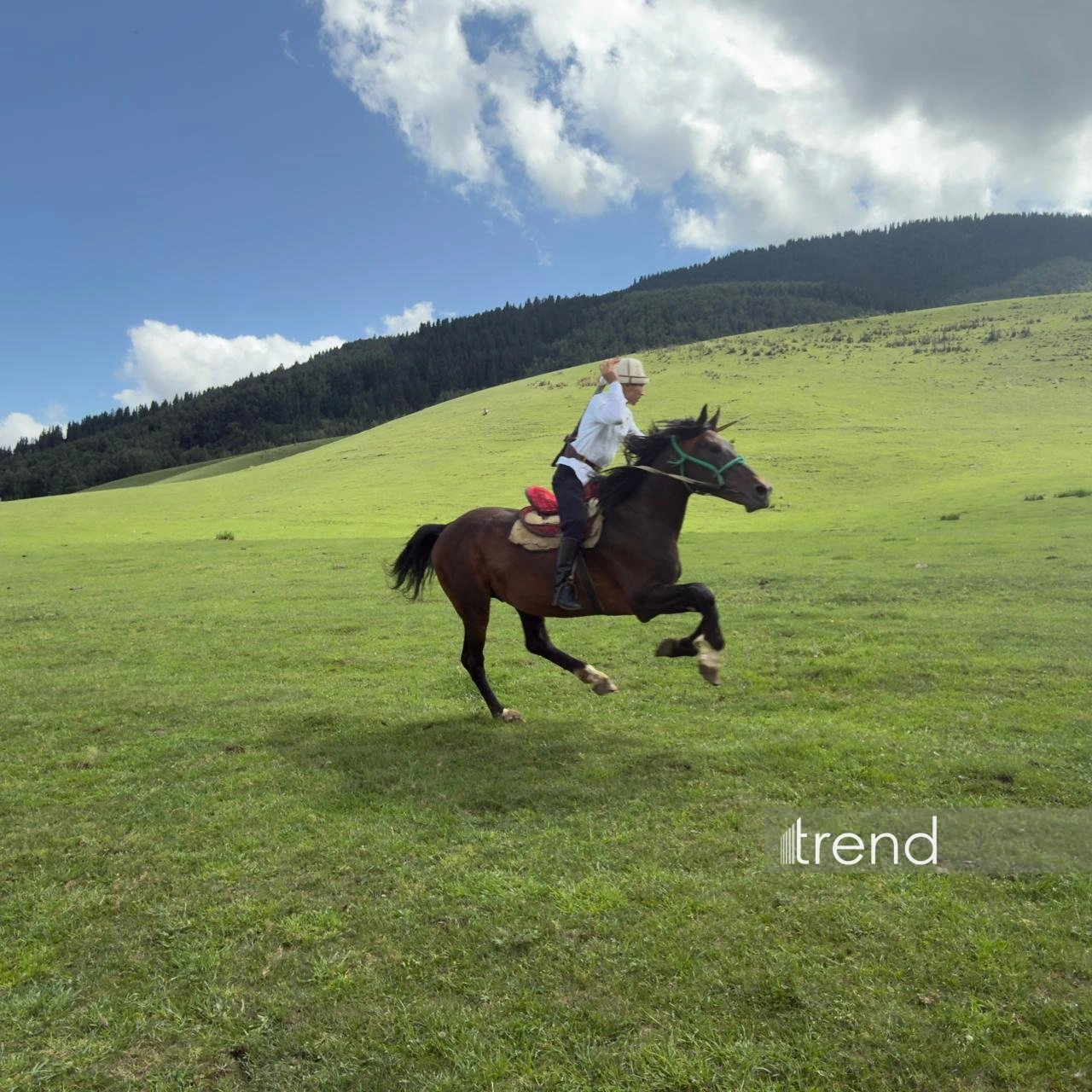
lifestyle also instills discipline in young people: they need to
care for horses, feed dogs and birds, and practice traditional
archery. There's hardly any time left for idle leisure," he
said.
By reviving ancient traditions, the federation is focusing not
only on preserving cultural heritage but also on developing modern
national sports.
"This is both a national sport and an important part of our
cultural heritage. We hold competitions that evaluate the speed and
accuracy of falcons, the performance of golden eagles, and the
skill of traditional archery. All of this is based on practical
skills that were once essential to nomads' daily lives," Akunov
emphasized.
Today, the salbuurun is once again becoming a symbol of the
connection between generations. Here, among the Kyrchyn mountains,
traditions that until recently might have been relegated to the
pages of history are once again brought to life—in the flight of
golden eagles, the whistle of arrows, and the daily work of people
for whom preserving their ancestral heritage has become their
life's work.