BAKU, Azerbaijan, July 13. The United States is
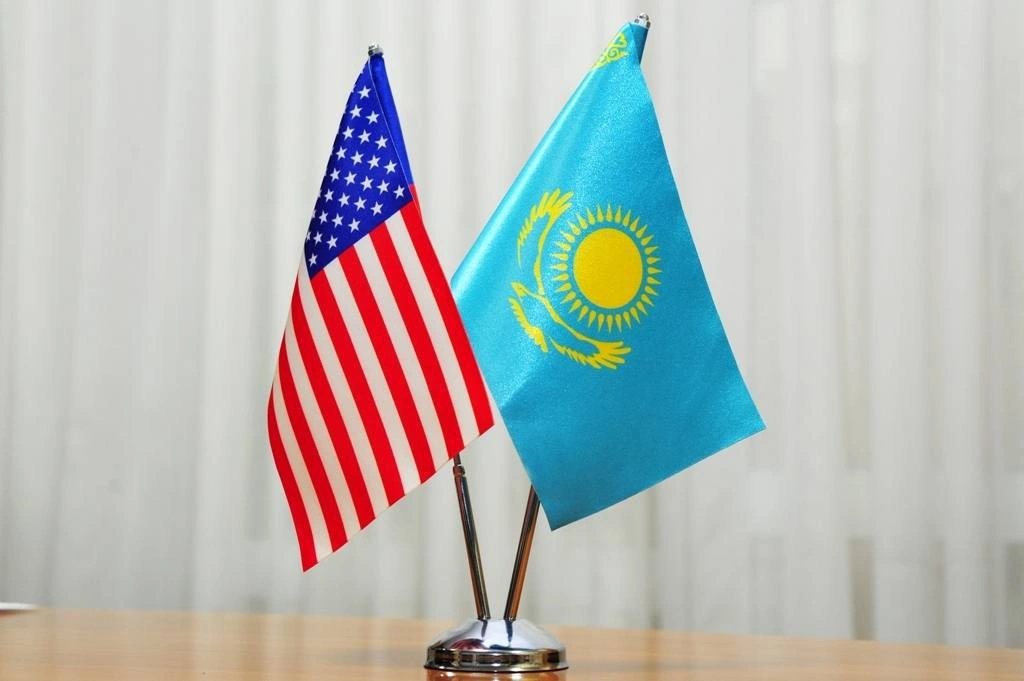
among Kazakhstan’s largest foreign investors. Speaking at the
business roundtable “The Republic of Kazakhstan – The United States
of America” in Astana, Kazakhstan’s Deputy Minister of Foreign
Affairs Alibek Kuantyrov noted that more than 600 American
companies operate in the country, while the total volume of US
investments in Kazakhstan has exceeded $100 billion. This figure is
expected to reach $137 billion in the future.
At the same time, the profile of US presence in Kazakhstan has
changed significantly in recent years. Historically, oil and gas
projects have formed the basis of investments. American companies
Chevron, ExxonMobil, and other participants in international
consortia remain among the largest investors in the sector and are
involved in the development of fields that account for a
significant share of Kazakhstan’s oil production.
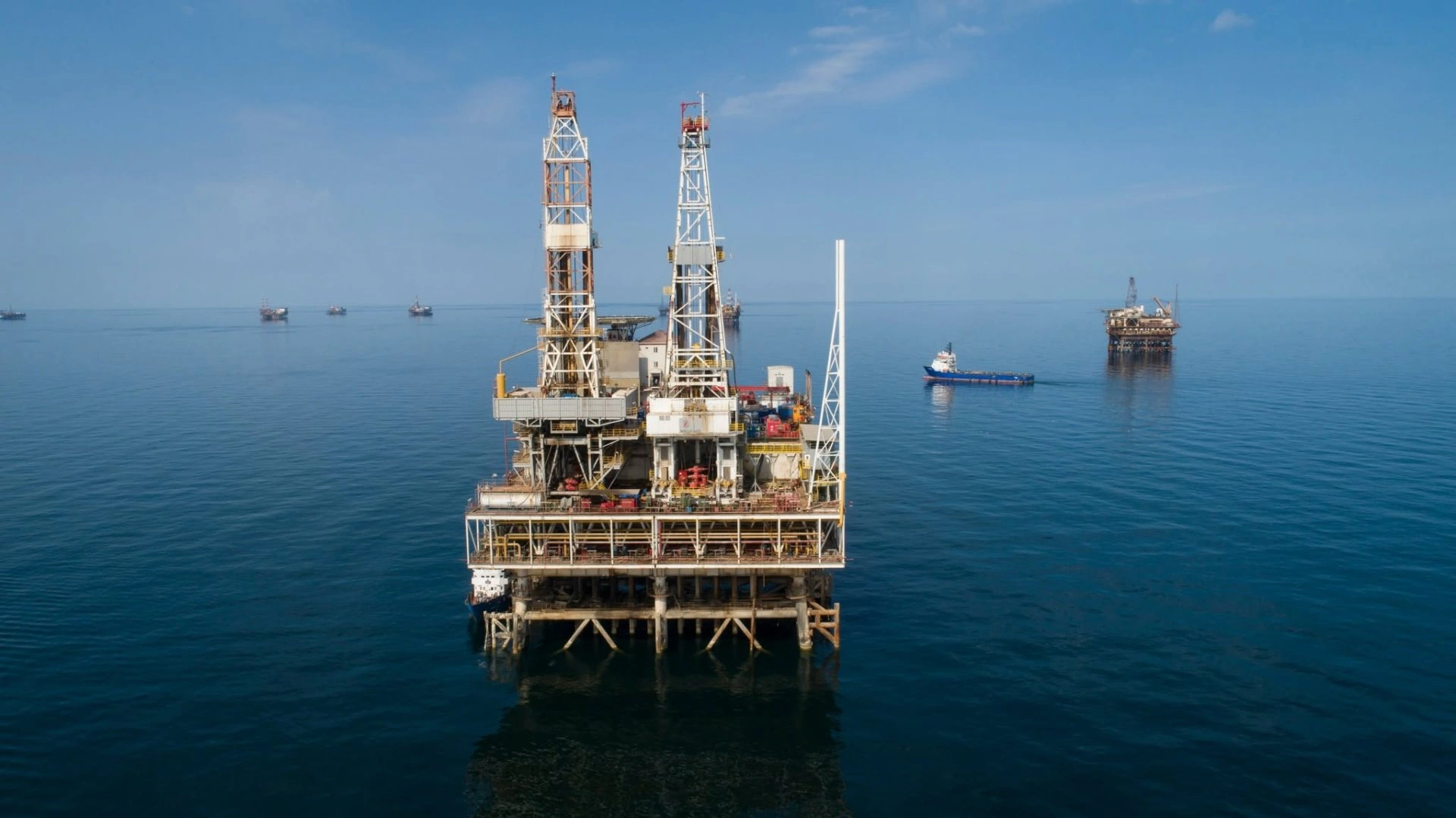
The Tengiz field, operated by Tengizchevroil, remains the most
illustrative example. The Future Growth Project (FGP), with an
estimated cost of about $48.9 billion, reached full production
capacity after the completion of commissioning works in January
2025.
At the same time, US investments are gradually expanding beyond
the oil and gas sector. One of the largest examples of the past
year was the agreement between Kazakhstan and US corporation
Wabtec, worth around $4.2 billion, which envisages the development
of railway engineering and service infrastructure.
The changing priorities of American investors are also reflected
in the talks held in early July between Kazakhstan’s President
Kassym-Jomart Tokayev and Khush Choksy, Senior Vice President of
the US Chamber of Commerce for the Middle East, Türkiye, and
Central Asia. The parties discussed further development of business
cooperation, including projects in critical minerals, energy,
digital infrastructure, artificial intelligence, transport,
advanced technologies, agriculture, and financial services.
One of the most notable stages in the development of bilateral
economic cooperation was Tokayev’s visit to the United States in
November 2025, following which Kazakh and American companies signed
29 agreements worth a total of around $17 billion.
One of the largest deals was an agreement between Tau-Ken Samruk
JSC and US company Cove Capital on the joint development of the
Severny Katpar and Verkhnee Kairakty tungsten deposits in
Kazakhstan’s Karaganda region. The project is estimated at
approximately $1.1 billion.
Such projects align with US efforts to diversify supply chains
for strategic materials. Washington has been consistently reducing
dependence on individual foreign suppliers, primarily China, which
holds leading positions in the global market for rare earth
elements and the processing of many types of mineral resources.
For Kazakhstan, such projects create an opportunity to move from
exports of unprocessed raw materials to the production of goods
with higher added value. This allows the country to increase
economic returns from mineral resource development. Kazakhstan has
significant reserves of uranium, tungsten, chromium, and other
resources in demand on global markets.
Energy remains a key area of cooperation. Kazakhstan ranks first
in the world in uranium production, making it one of the key
partners for countries developing nuclear energy. Astana has
previously identified the creation of a complete nuclear fuel cycle
within the country as a long-term goal — from uranium production to
manufacturing products with higher added value.
For US energy companies, diversification of nuclear fuel
supplies has gained additional importance amid changes in global
energy markets and efforts to reduce dependence on Russian
suppliers. Kazakhstan, with its large resource base, may become one
of the elements in the restructuring of international supply chains
in the nuclear sector.
At the same time, Kazakhstan’s key task is not only to increase
production volumes but also to develop processing capacities. A
transition to deeper stages of production is expected to provide
greater economic returns from natural resources.
The other area of cooperation is digital technologies and
financial instruments. In 2026, Kazakhstan continued developing its
regulatory framework for digital assets. The country has introduced
a legal framework for cryptocurrencies and digital financial
instruments. At the same time, the National Digital Investment
Platform, operating on a “one-stop shop” principle, and the Altyn
Visa program for foreign entrepreneurs are being developed.
For American technology and financial companies, these
instruments are of interest as part of Kazakhstan’s broader digital
transformation. At the same time, Kazakhstan seeks to strengthen
its position as a regional hub for fintech companies and
international investors working with digital solutions.
However, further development of this area will depend on the
quality of regulation, investor protection, and Kazakhstan’s
ability to attract not only financial capital but also modern
technologies and expertise.
The expansion of the US presence is taking place against the
backdrop of Kazakhstan’s active cooperation with other major
economic partners. According to President Kassym-Jomart Tokayev,
Kazakhstan accounts for about 70% of all attracted foreign
investment in Central Asia.
In this context, the importance of US investments is determined
not only by their volume but also by access to technologies,
expertise, and Western markets. For Astana, the development of
cooperation with the United States also corresponds to its policy
of diversifying foreign economic ties and reducing dependence on
individual partners.
The further dynamics of the partnership will depend on how
quickly the agreements reached move into the implementation stage.
For American companies, key factors include legislative stability,
regulatory transparency, and the economic efficiency of projects.
For Kazakhstan, the priority remains attracting not only capital
but also technologies, expertise, and new production
capacities.
US interest in Kazakhstan’s resources reflects broader changes
in the global economy, where countries are seeking access to
critical materials needed for energy, industry, and high-tech
manufacturing.
For Kazakhstan, this creates an opportunity to increase the
share of domestic processing and expand production of higher
value-added goods. However, the long-term impact of US investments
will depend on how successfully the country can localize new
industries, introduce modern technologies, and transform capital
inflows into sustainable industrial growth.