Fever, headaches, and muscle aches do not always indicate a routine seasonal viral illness. These non-specific symptoms can also mark the onset of potentially deadly diseases such as Ebola Virus Disease (EVD) and hantavirus infection, according to a series of articles published in the Canadian Medical Association Journal (CMAJ).
Researchers highlighted hantavirus as a particular concern. The virus is widespread in Canada and the United States, where it is typically transmitted through contact with infected rodents. Specialists noted that the Andes virus is especially alarming because, unlike most hantavirus strains, it can spread from person to person, including through respiratory transmission.
There are currently no specific antiviral treatments or approved vaccines for hantavirus infection. Medical care is largely supportive and focuses on managing severe complications, including cardiopulmonary syndrome and kidney damage. As a result, early detection and strict isolation of infected individuals remain critical.
The articles also underscored the continuing threat posed by Ebola. Fruit bats are considered the natural reservoir of the virus, while human infection occurs through contact with bodily fluids or contaminated surfaces.
The greatest progress has been achieved against the Zaire ebolavirus strain, where the use of vaccines and antiviral therapies has helped reduce mortality rates to around 35%.
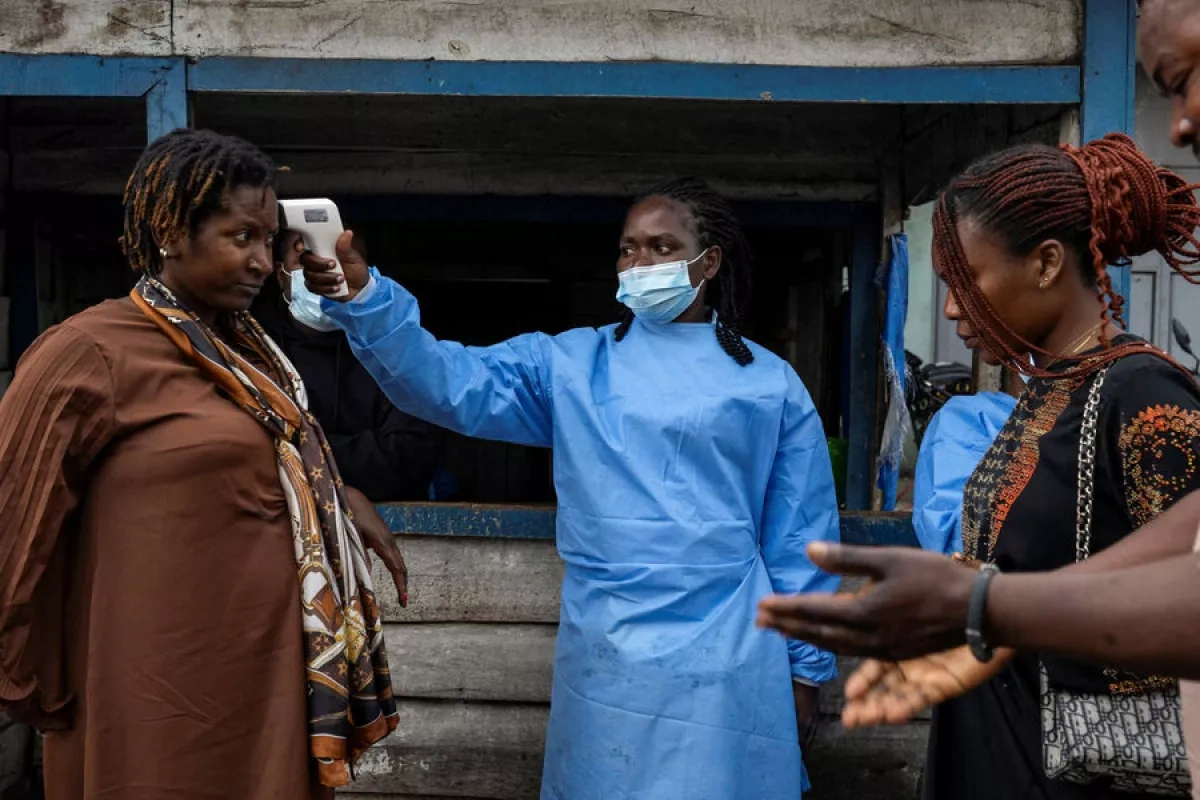
However, the current outbreak in the Democratic Republic of the Congo is linked to the Bundibugyo ebolavirus strain, for which no officially approved vaccine is currently available. According to experts, the fatality rate associated with this strain can reach 50%.
The authors emphasized that the similarity of the early symptoms to influenza and other common viral illnesses significantly complicates early diagnosis. They advise anyone who may have been exposed to a potential source of infection or traveled to affected regions to seek immediate medical attention, noting that prompt diagnosis can substantially improve survival chances.
By Jeyhun Aghazada