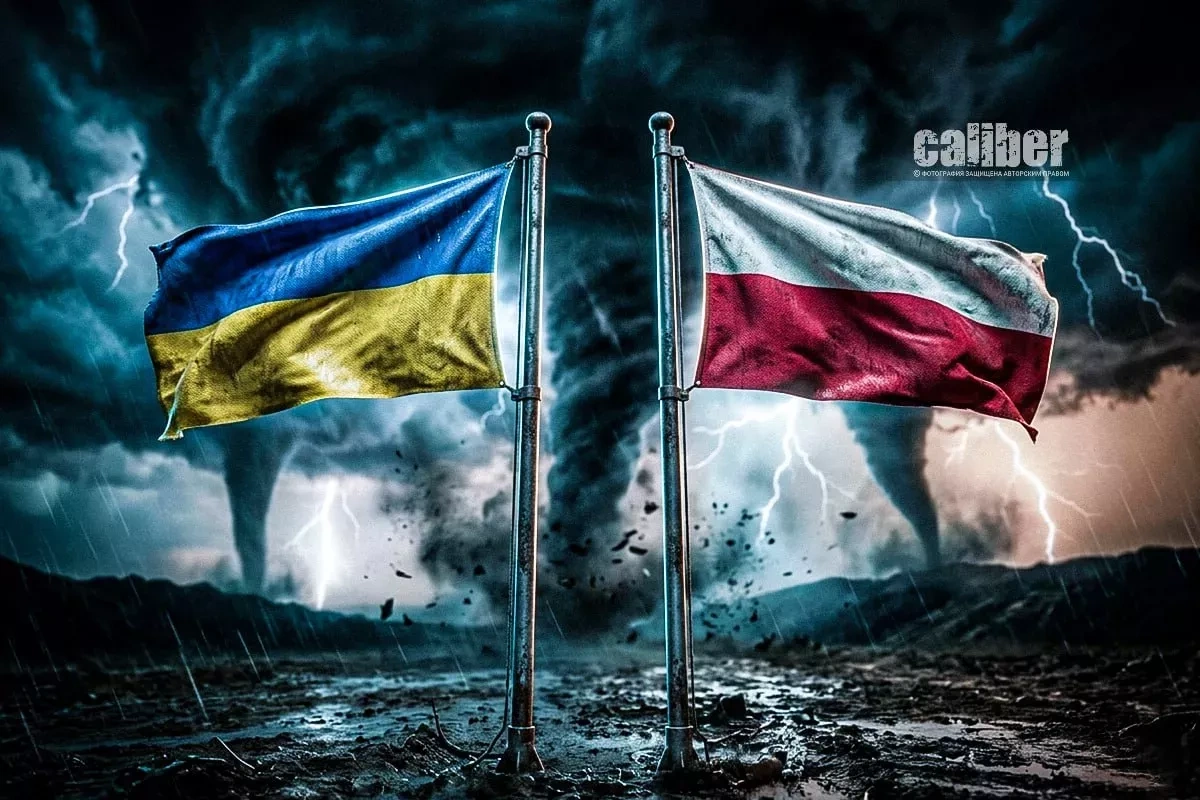
In recent days, Kyiv and Warsaw have exchanged a series of unfriendly diplomatic gestures. The trigger was events from a relatively distant past. However, many are puzzled as to why President Zelenskyy would choose to escalate tensions with the main regional ally — right in the middle of a war.
“Heroes” of the UPA versus the Polish eagle
The intensity of the confrontation between Poland and Ukraine has reached a point where the European Commission has announced its readiness to mediate in the dispute between the two countries.
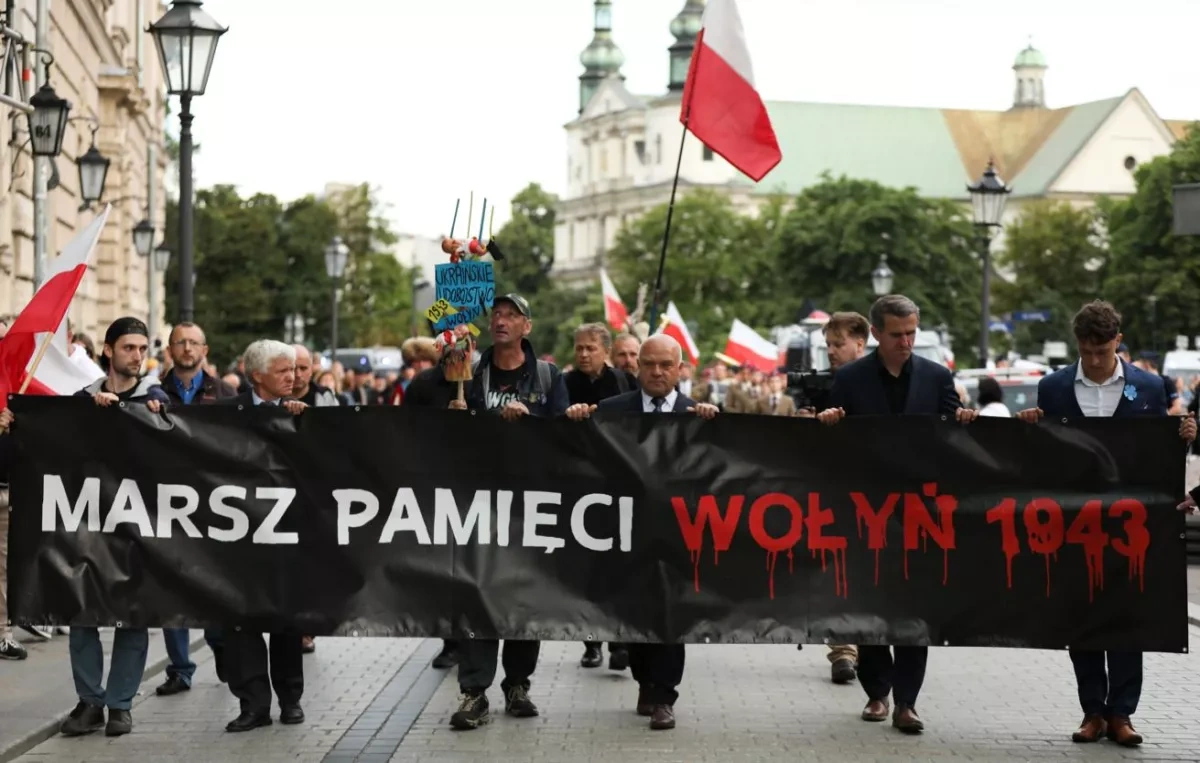
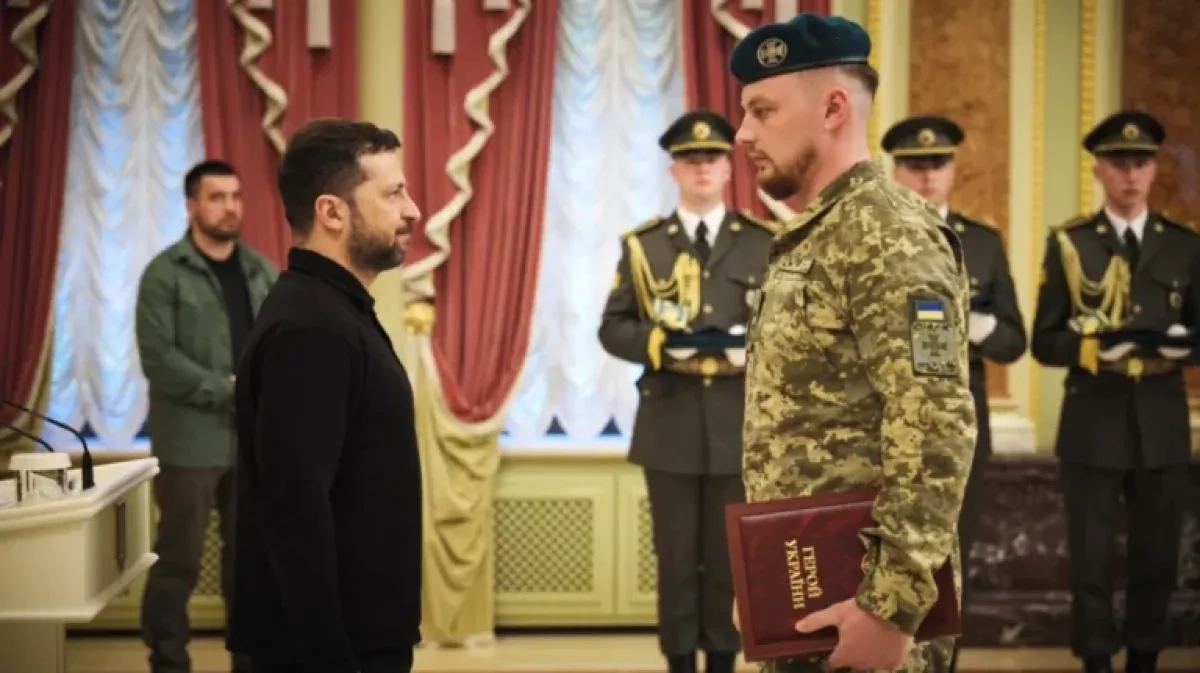
It all began when, by decree of Volodymyr Zelenskyy, the Separate Special Operations Centre “North” of the Armed Forces of Ukraine was named after the “heroes of the UPA” (the Ukrainian Insurgent Army) — a Ukrainian nationalist armed formation from the Second World War era. Since UPA units were involved in the killing of Polish civilians in Volhynia, yet another act of their glorification provoked a negative reaction in Poland.
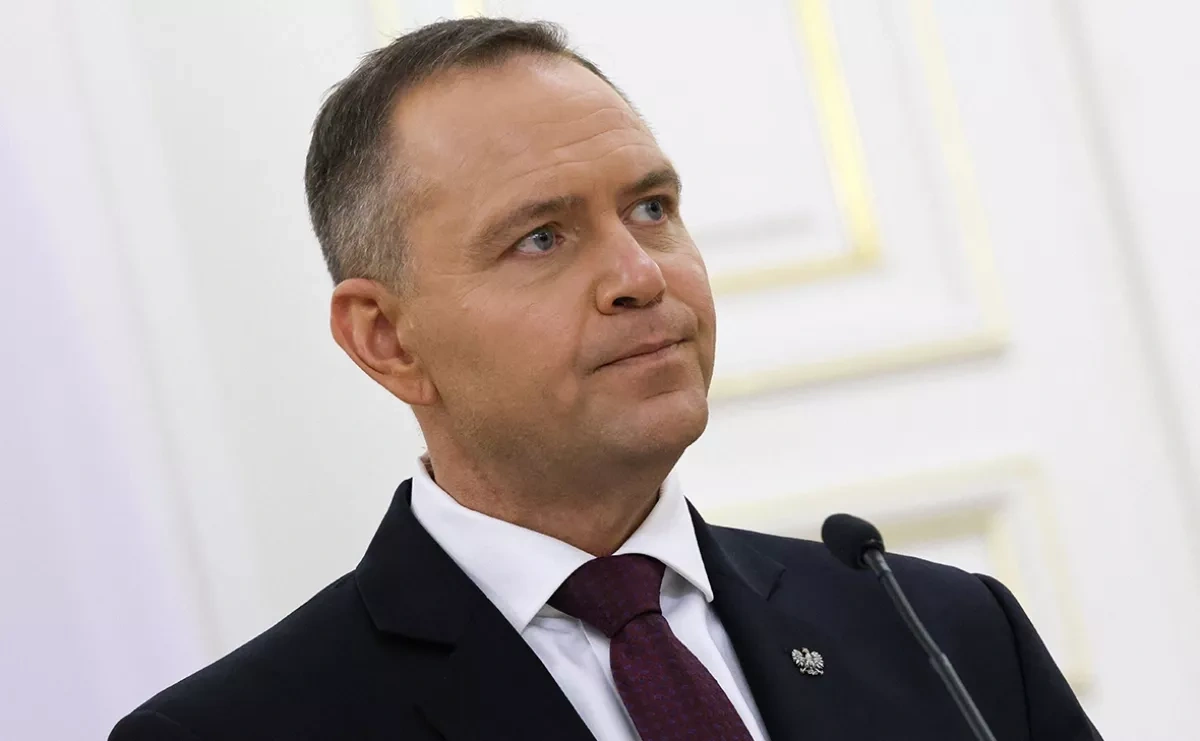
The President of Poland, Karol Nawrocki, ultimately demanded that the decree be revoked.
“The authorities’ decision in Ukraine to glorify the UPA is not only outrageous but incomprehensible. It is a blow to trust that has been built over years. It is a blow to the fundamental principles of reconciliation,” Nawrocki stated.
However, Volodymyr Zelenskyy twice refused to hold a scheduled discussion of this issue with Karol Nawrocki and declined a personal meeting with the Polish president in Warsaw. As a result, on June 19 Nawrocki stripped Zelenskyy of Poland’s highest state award, the Order of the White Eagle, which had been conferred on him in 2023. Zelenskyy promptly returned the decoration by post, which in Poland was perceived as an additional insult.
Meanwhile, in Ukraine, the glorification of the UPA has long been underway. The publication Wirtualna Polska also reports that preparations are being made in Kyiv for the reburial of Ukrainian nationalist leader Stepan Bandera, who at one point collaborated with the Nazis, as well as for the creation of a national pantheon for his supporters and collaborators. Recently, the remains of Andriy Melnyk — the leader of the faction of the Organization of Ukrainian Nationalists (OUN) that split from Bandera and who long remained an ally of Hitler — were also transferred to the Ukrainian capital.
Why, then, did Zelenskyy’s latest decision regarding the “heroes of the UPA” trigger such a strong reaction from Warsaw? Some experts link this to the fact that, this time, the glorification of Bandera’s supporters directly involved the Armed Forces of Ukraine. In other words, Poland’s military assistance, including volunteers, would now be going to an army that honours formations implicated in the mass killings of Poles. Whether this interpretation is correct will be examined below.
It is also noteworthy that Zelenskyy’s decision was made shortly before the Day of Remembrance of the Victims of the Volhynia Massacre, which is observed in Poland on July 11. Commenting on Nawrocki’s decision to strip him of the award, Zelenskyy chose to escalate the dispute further, stating that Karol is a name, not a position.
After this, the spiral of mutual unfriendly actions began to unfold rapidly.
Several former Ukrainian presidents — Leonid Kuchma, Viktor Yushchenko, and Petro Poroshenko — as well as Ukraine’s ambassador to Poland Vasyl Bodnar, head of the presidential office Kyrylo Budanov, and Foreign Minister Andrii Sybiha, declined various Polish honours.
At the same time, a social media campaign began spreading in Ukraine calling for a boycott of Polish goods, including demonstrative videos of Polish products being thrown into rubbish bins.
President of the Union of Ukrainians in Poland, Myroslav Skirka, described the stripping of Zelenskyy of the Order of the White Eagle as a “slap in the face” to the Ukrainian president and stated that it could lead to a breakdown in high-level contacts. For example, Zelenskyy may never again visit Poland. Ukraine’s Foreign Minister also threatened a “mirror response” to the Poles.
However, shortly afterwards, the Ukrainian Foreign Ministry seemed to reconsider and began taking steps to normalise the situation. A spokesperson for the ministry stated that Ukraine and Poland share a common enemy — Moscow — and that disputes between allies in the current circumstances are unacceptable.
Wars over a complicated history
But it was already too late — a real storm had erupted in Poland’s political and information space.
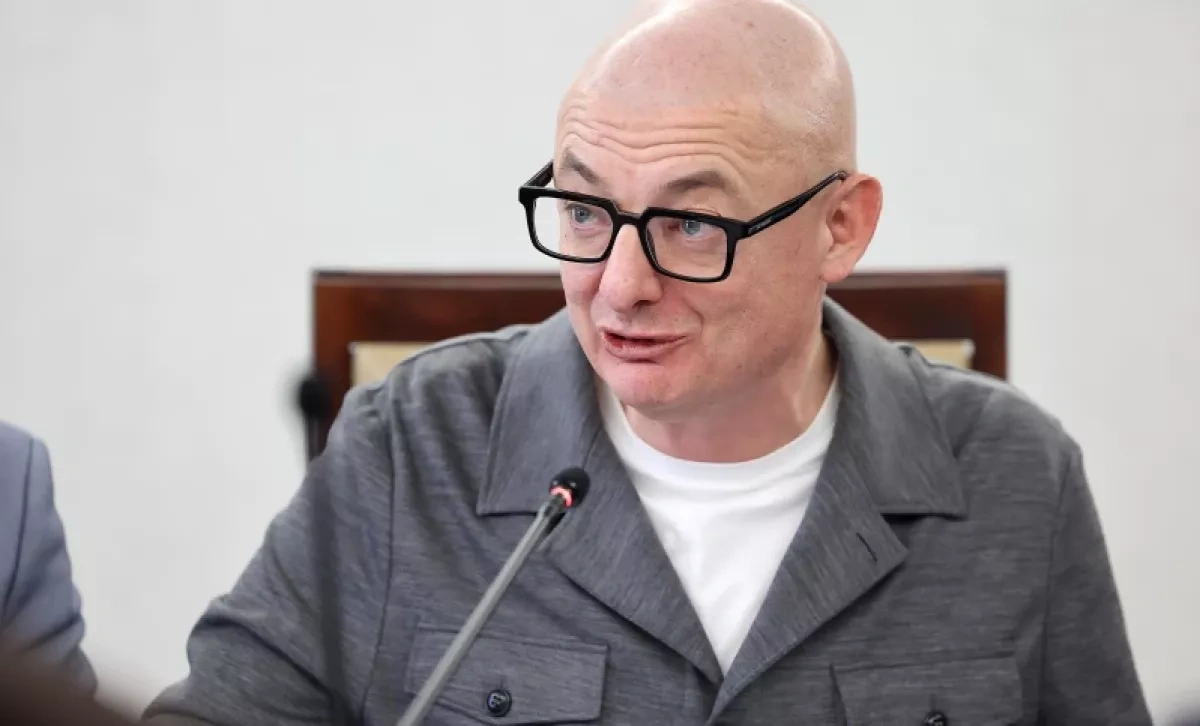
On June 23, Deputy Speaker of the Senate Michał Kamiński returned the Ukrainian orders “For Merit” and of Yaroslav the Wise.
“Over many years, we have consciously limited historical disputes, understanding that the future of Polish–Ukrainian relations requires responsibility and goodwill. Today it is difficult to escape the impression that this goodwill has not received a proper response,” Kamiński said.
Former Polish ambassador to Kyiv Bartosz Cichocki stated that an anti-Polish campaign has long been underway in Ukraine, and that Polish arguments on the issue of the UPA are effectively excluded from public debate. In his view, since 1991 there has been systematic discrimination against Poles in Ukraine. He claims that Polish believers are unable to reclaim their churches, and that opportunities to receive education in the Polish language are being restricted. Cichocki also believes that the current crisis could even lead to a rupture of diplomatic relations between Kyiv and Warsaw.
A group of well-known public figures — including editors-in-chief of newspapers, professors, doctors of science, MPs, filmmakers, and publicists — sent a letter to the Polish president demanding the return of Ossolineum library collections from Ukraine. The Ossolineum is one of the largest centres of Polish science and culture, which existed in Lviv before 1939. However, the issue is not limited to books and newspapers: such a demand touches upon the sensitive and potentially explosive “Lviv question” for both Poland and Ukraine.
In addition, the Institute of National Remembrance of Poland launched a series of social media materials titled “Ukrainian Nationalism: Between Ideology and Crime.” In Poland, the mass killing of Poles in Volhynia is regarded as an act of genocide. A similar Ukrainian institute tends to view the Volhynia massacre as merely one of the bilateral Ukrainian–Polish conflicts. Meanwhile, some Ukrainian historians go as far as claiming that part of the brutal killings were allegedly carried out and photographed by NKVD special groups in order to discredit Ukrainian nationalists.
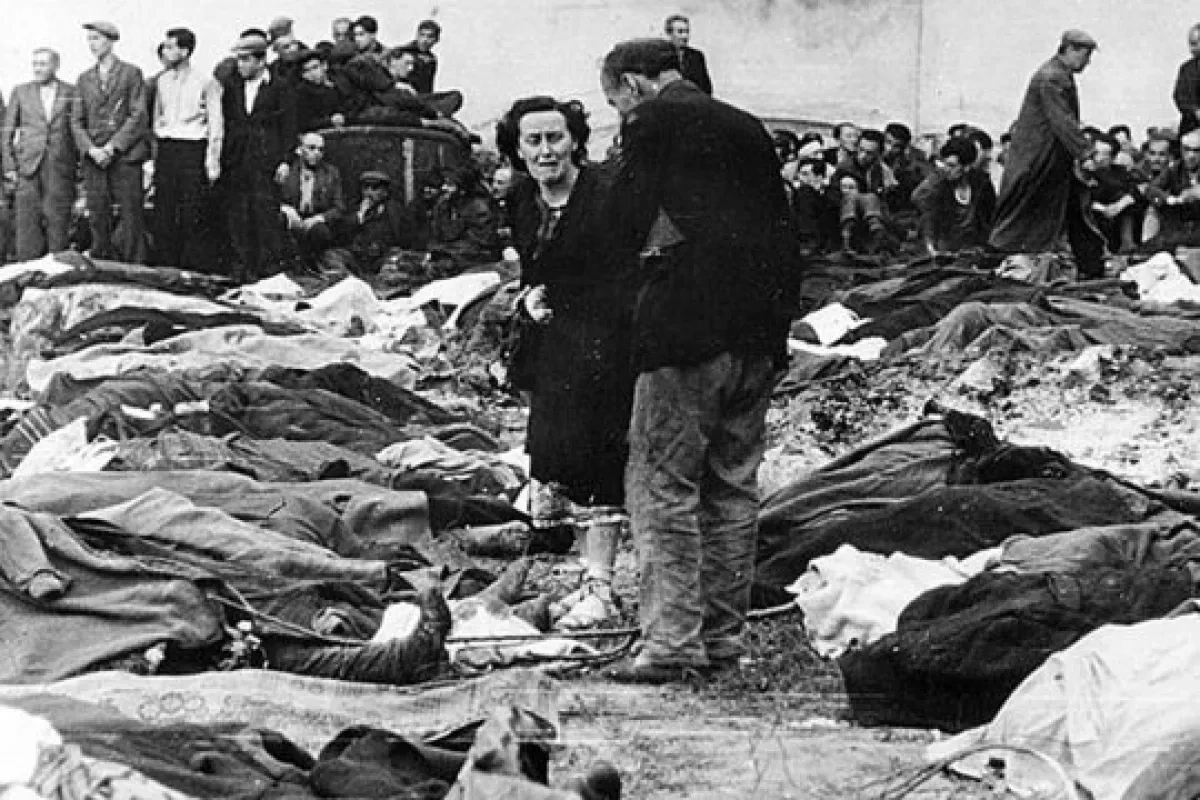
During the Volhynia Massacre, carried out by UPA militants as part of an ethnic cleansing campaign, between 50,000 and 100,000 Polish civilians were killed, including women and children. In order to conserve ammunition, victims were often hacked to death with axes and other cold weapons. Polish nationalist formations in Western Ukraine also carried out retaliatory terror against Ukrainian civilians.
Despite the adoption in Ukraine of several joint statements expressing regret over the Volhynia tragedy and the need for reconciliation, the specific responsibility of the UPA is not formally acknowledged. In reality, Warsaw and Kyiv became such close allies only against the backdrop of Ukraine’s war with Russia. Historically, however, Ukrainians had their most complex relations precisely with the Polish–Lithuanian Commonwealth.
Friendship is friendship, but money is money?
On June 25, the Ukraine Recovery Forum opened in Gdańsk, but Volodymyr Zelenskyy and Speaker of the Verkhovna Rada Ruslan Stefanchuk did not attend. The First Lady, Olena Zelenska, also declined to come.
Meanwhile, on the Polish side, calls were made to arrest the mayor of Lviv, Andrii Sadovyi, who arrived in Gdańsk, as a fraudster. Critics accuse him of unlawfully terminating a contract with the Polish company “Control Process” after it had almost completed the construction of a waste-processing plant in Lviv.
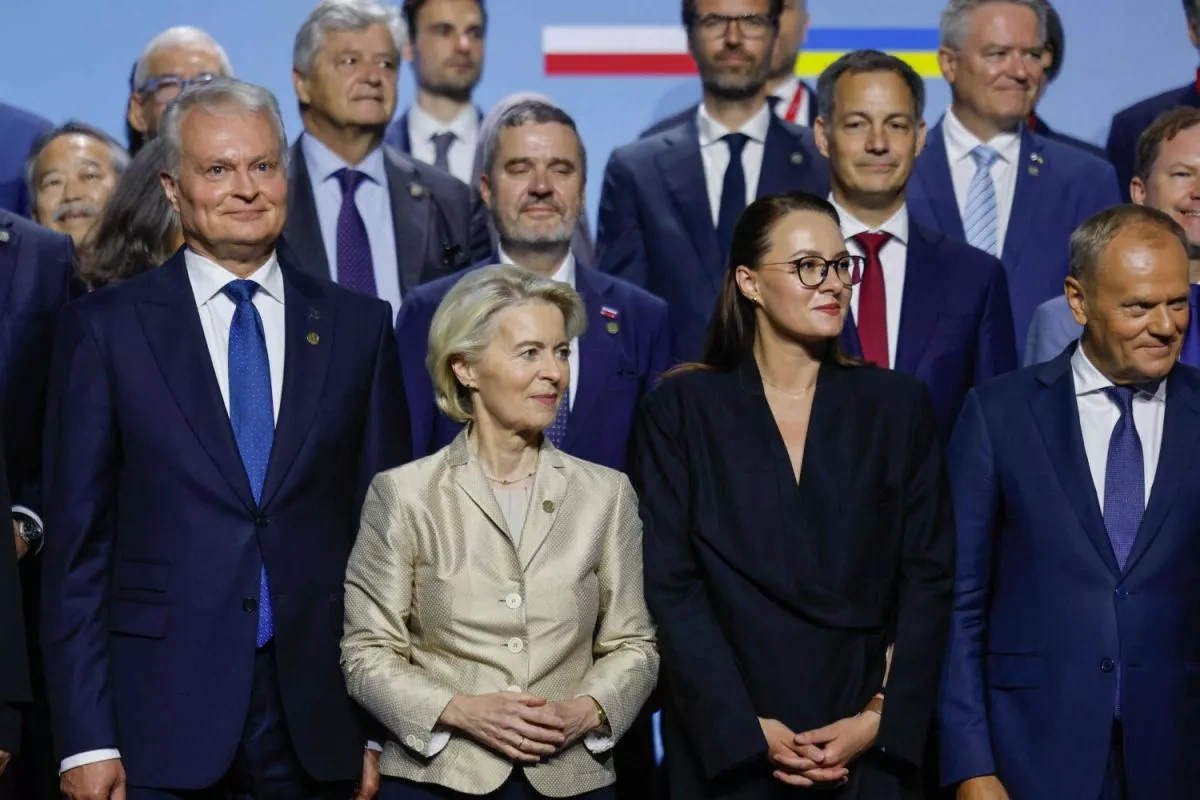
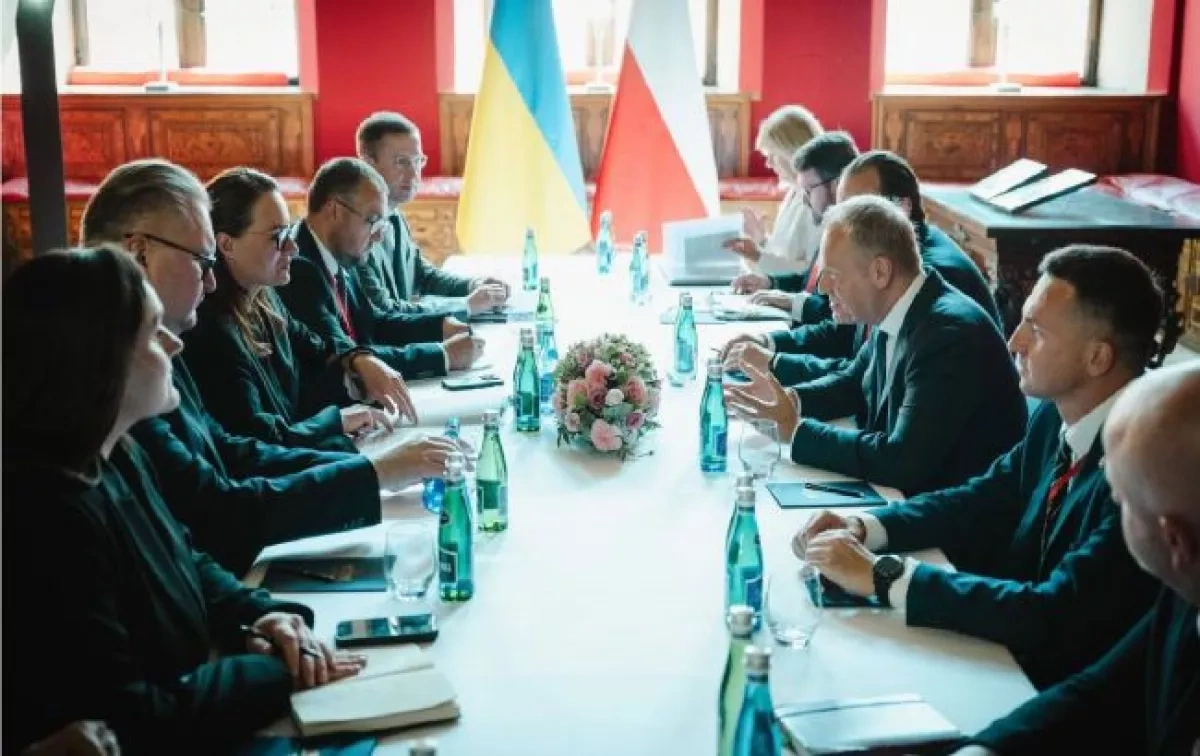
Prime Minister of Poland Donald Tusk delivered a joint communiqué at the forum together with Ukrainian Prime Minister Yulia Svyrydenko, in which the parties reaffirmed strategic cooperation, joint efforts to counter Russian aggression, and the importance of historical reconciliation.
However, the leader of the Law and Justice party (PiS), Jarosław Kaczyński, also refused to accept the Order of Yaroslav the Wise and called on Poland to block Ukraine’s accession to the EU.
While opposition to the “cult of Stepan Bandera” has been most strongly promoted by conservative and far-right politicians, liberal forces have traditionally been seen as the most pro-Ukrainian. Yet even within PiS, statements about a “Bandera fifth column” in Poland are increasingly heard, as the party fears losing voter support.
Such a sharp Polish reaction to yet another act of glorification of the UPA appears to have come as a surprise to the Ukrainian side. What, then, is the reason behind it?
In autumn 2027, parliamentary elections to the Sejm will be held in Poland. At the same time, public sentiment toward Ukrainian migrants is deteriorating: today, 43% of Poles view Ukrainians negatively, compared to 17% in 2023. In addition, 79.7% of respondents believe that Ukraine is doing too little to condemn the Volhynia Massacre.
Therefore, the strategy of Polish right-conservative politicians focused on fighting “Bandera ideology” appears to be paying off — Karol Nawrocki is leading in the latest polls with a record 54.7% voter approval. Over the past month, the President of Poland has improved his position by 8.4%.
“Notably, Karol Nawrocki’s high ratings may be linked to the decision to strip Volodymyr Zelenskyy of the Order of the White Eagle,” the portal Onet.pl suggests.
However, the main reason for the current escalation likely lies in the perception of Ukraine as a potential competitor — both externally and within Poland itself.
The dynamically developing Polish state today ranks among the leading countries in the EU and traditionally aspires to the role of a regional great power in Eastern Europe. However, it now faces a highly militarised Ukraine with the largest army in Europe on its borders. In addition, Ukraine’s accession to the EU could create serious challenges for Polish agriculture due to competition from one of the largest grain exporters.
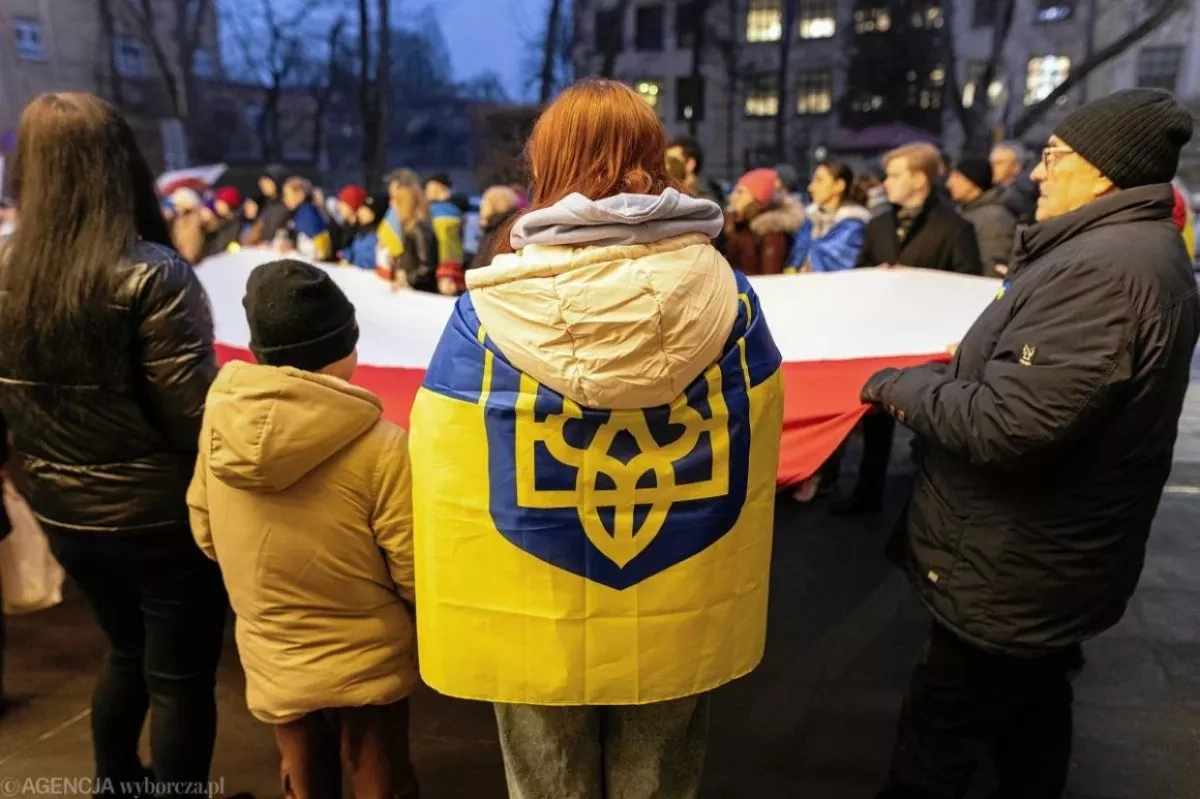
An additional factor is the economic presence of Ukrainians within Poland itself. Today, around 27,000 companies with Ukrainian capital operate there. According to calculations by the newspaper Rzeczpospolita, they constitute the largest group among all foreign companies operating in the country, accounting for nearly 28% of the market. Moreover, the Ukrainian community is already expressing a desire to have its own deputies in the Polish Sejm. At the same time, Polish capital benefits from keeping Ukrainian labour migrants as a source of cheap and manageable workforce.
However, the current crisis in Ukrainian–Polish relations is unlikely to lead to a serious rupture. Warsaw will remain one of Kyiv’s key military allies in its confrontation with Russia, which is of paramount importance for Ukraine.
Nevertheless, the struggle over who is the “master” in the region and who is the “subordinate” is likely to continue. And those who will first feel the consequences of this confrontation will be ordinary Ukrainians who fled the horrors of war to Poland.