A 25-year-old researcher has identified a previously overlooked mechanism that could help explain why footballers face an elevated risk of neurodegenerative diseases, with findings suggesting some modern footballs may transmit more energy to the brain than traditional leather balls.
Dr Ieuan Phillips of Loughborough University began investigating the issue during the COVID-19 lockdown after reading studies linking professional football careers to higher rates of dementia and other neurological conditions, BBC writes.
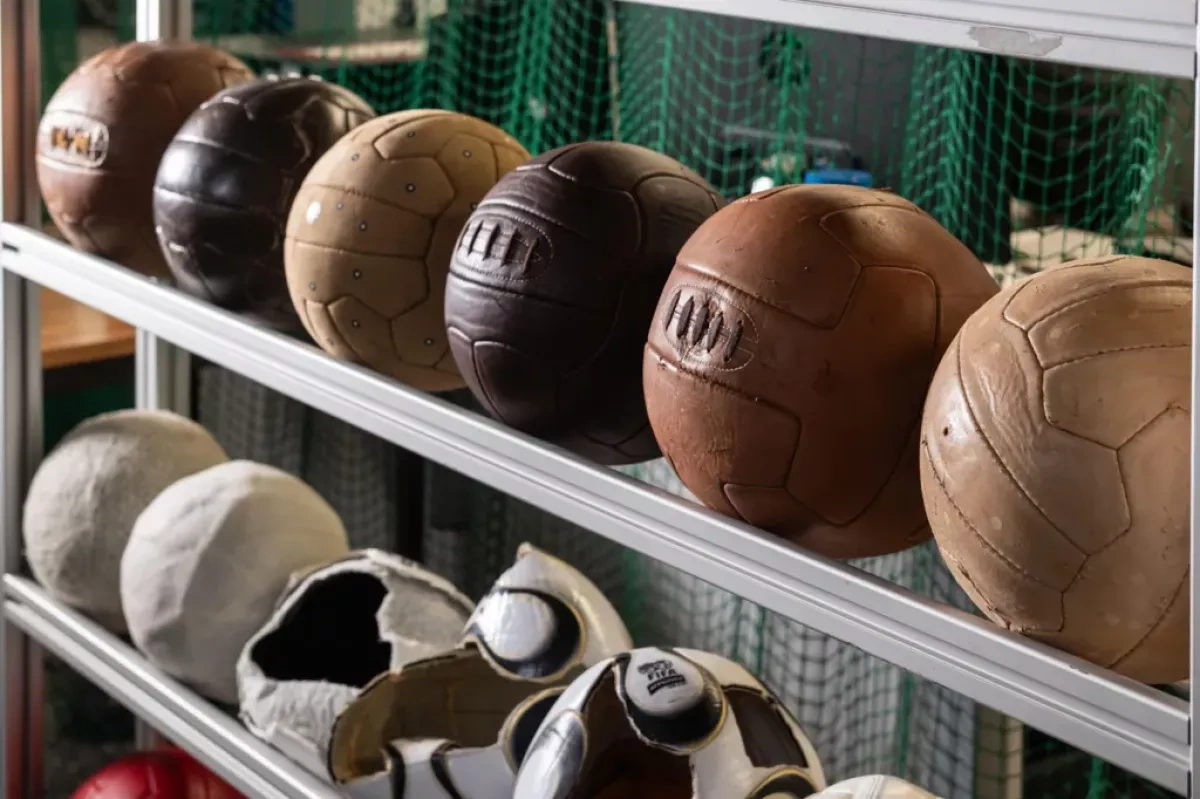
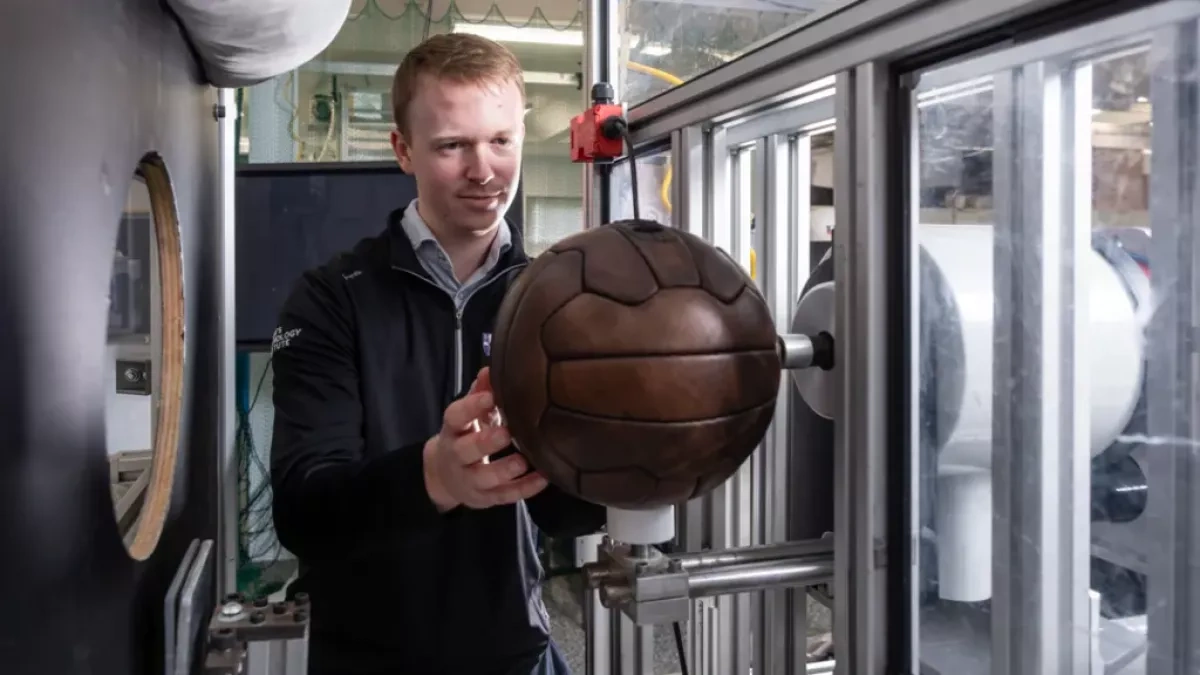
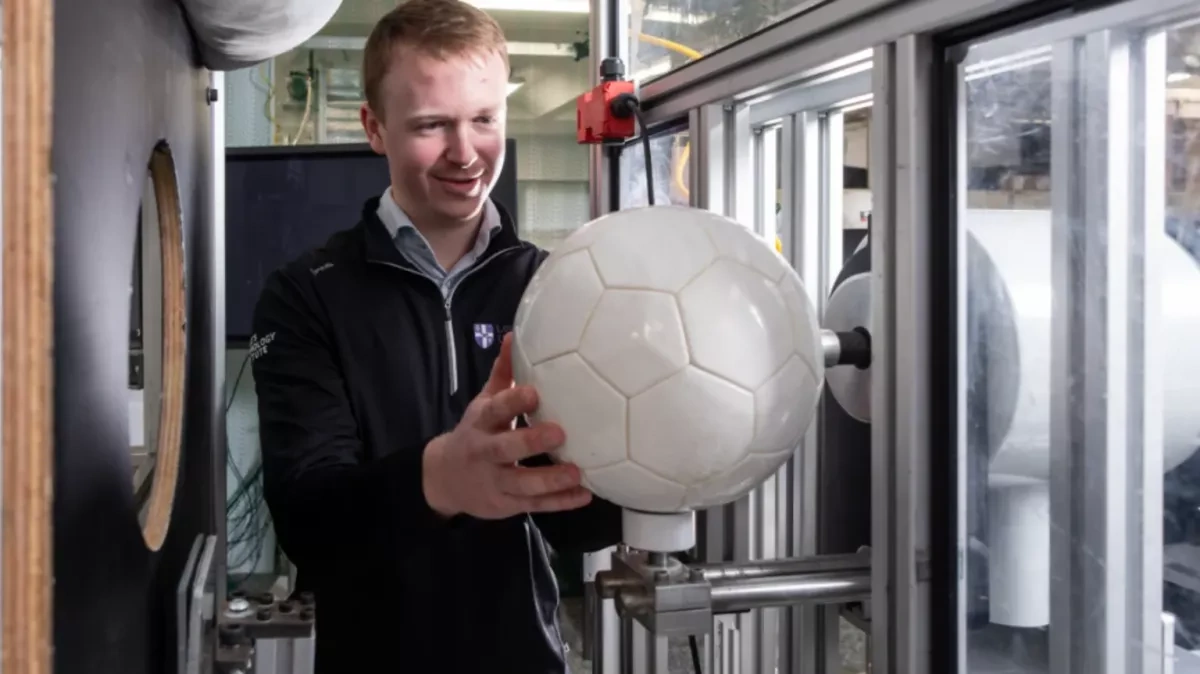
Using a specially designed test model fitted with pressure sensors, Phillips and his team measured how pressure waves travel through the skull when a football is headed. The researchers fired 20 different footballs, ranging from historic leather designs to modern match balls, at speeds representative of passes, corners and shots.
The study found that heading a football generates a pressure wave that passes through the skull almost instantly, before the head begins to move. Such waves are already recognised as a cause of brain injury in other settings, including repeated exposure to weapon blasts.
Contrary to longstanding assumptions, Phillips said the results did not support the view that old waterlogged leather footballs posed the greatest risk. While wet leather balls produced stronger impacts than dry ones, several modern footballs generated similar or even higher levels of energy transfer.
In some tests, dry leather balls transferred up to 55 times less energy than the highest-impact modern designs, according to the research.
Phillips attributed the differences largely to ball construction. Many modern footballs contain multiple laminated layers of foam, textiles and synthetic materials that can create a stiffer structure than traditional leather designs.
The researcher cautioned that the study measured energy transfer in laboratory conditions rather than direct effects on the human brain. However, he said the findings provide a foundation for further work to determine whether specific impact thresholds contribute to long-term neurological damage.
Phillips hopes future research could lead to the development of a football designed to reduce pressure-wave exposure while preserving the sport's performance characteristics.
"If we get this right, we can protect players without changing the game," he said.
By Aghakazim Guliyev