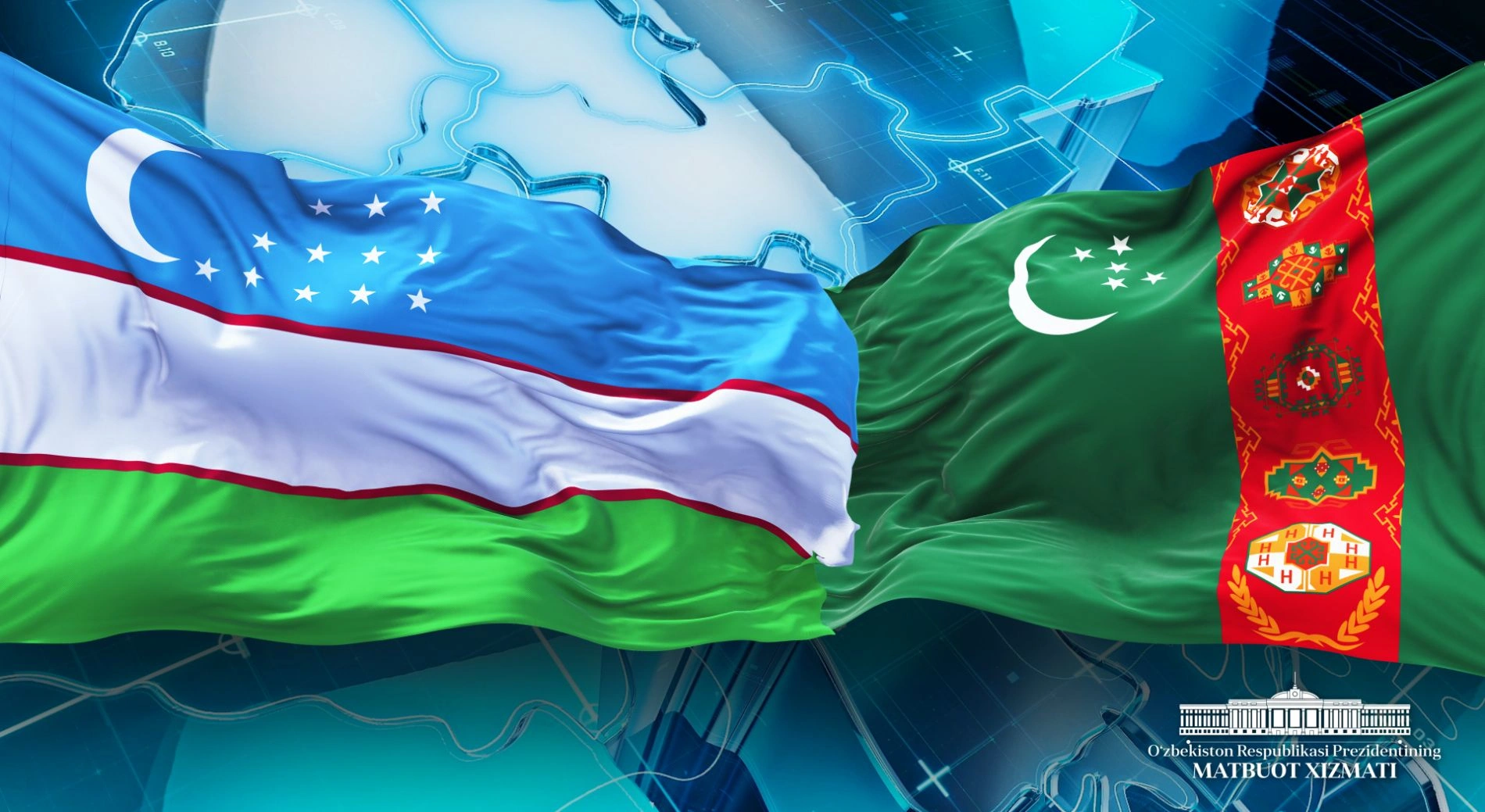
BAKU, Azerbaijan, June 22. Turkmenistan and
Uzbekistan discussed cooperation in energy, transport, agriculture,
trade and joint infrastructure projects during talks in
Ashgabat.
This was reflected in a press release published by the Ministry
of Foreign Affairs of Turkmenistan on June 22.
“On June 20, 2026, President Serdar Berdimuhamedov received
Jamshid Khodjaev, the Deputy Prime Minister of the Republic of
Uzbekistan, who arrived in Turkmenistan for a visit to participate
in the regular meeting of the Joint Turkmen-Uzbek Commission on
Trade-Economic, Scientific-Technical, and Cultural Cooperation,”
the press release says.
According to the ministry, President Berdimuhamedov named
energy, transport, agriculture and trade among the promising areas
of partnership, as well as the joint implementation of major
infrastructure and investment projects.
The press release noted that the sides expressed satisfaction
with the steady development of bilateral trade and economic
relations.
According to the ministry, special attention was given to the
role of the intergovernmental commission in coordinating
cooperation and developing measures to advance bilateral
objectives.
The press release also highlighted that the opening of the
Turkmen-Uzbek border trade zone in November 2025 provided an
additional boost to the growth of mutual trade turnover.
The sides additionally emphasized the importance of
strengthening cultural and humanitarian ties and confirmed their
commitment to further expanding the strategic partnership between
the two countries, according to the ministry.
To note, Turkmenistan and Uzbekistan have significantly expanded
economic cooperation in recent years, with bilateral trade reaching
a record $1.2 billion in 2025, according to Uzbekistan’s official
statistics. Trade between the two countries surpassed $1.2 billion
in 2025.
Cooperation has been advancing across transport, energy,
industry and border trade. In November 2025, the two countries
inaugurated the joint Shavat-Dashoguz border trade zone, while
their leaders have repeatedly identified transport and logistics as
priority areas, including the expansion of cargo flows through the
Port of Turkmenbashi and the development of regional transit
corridors.