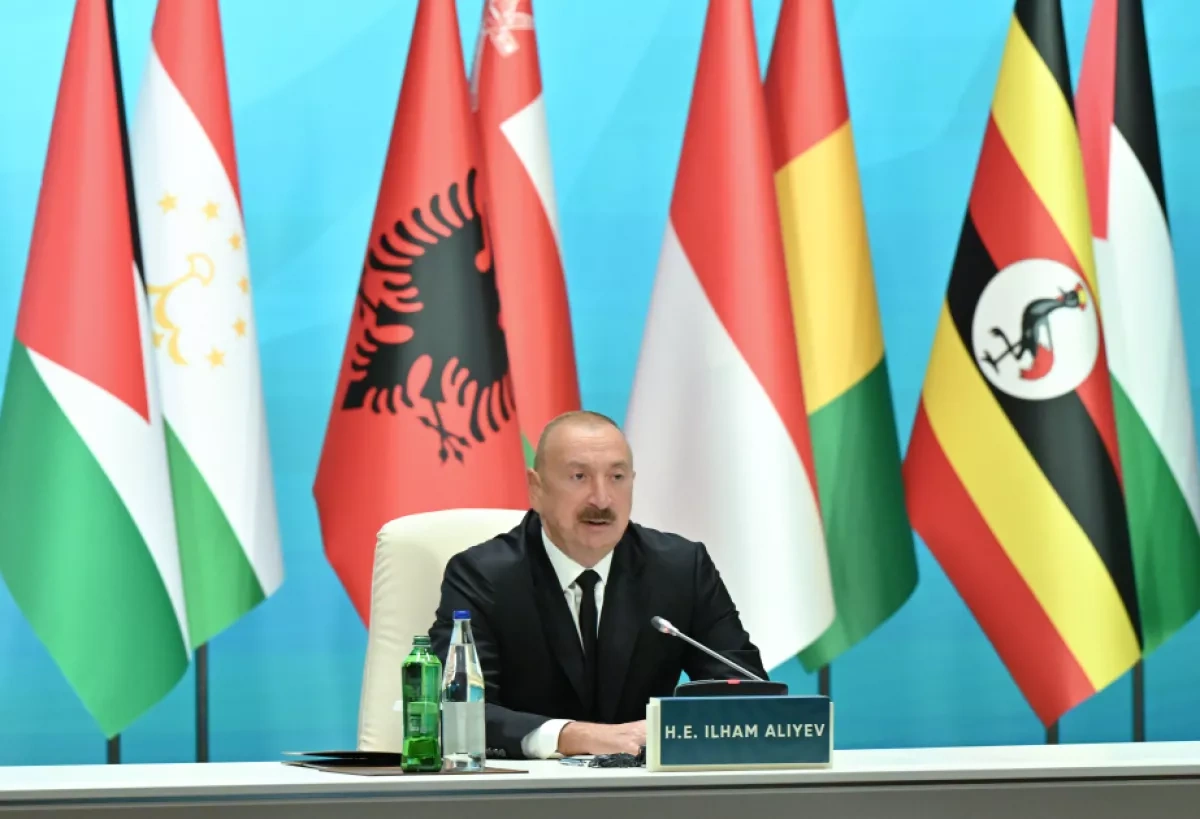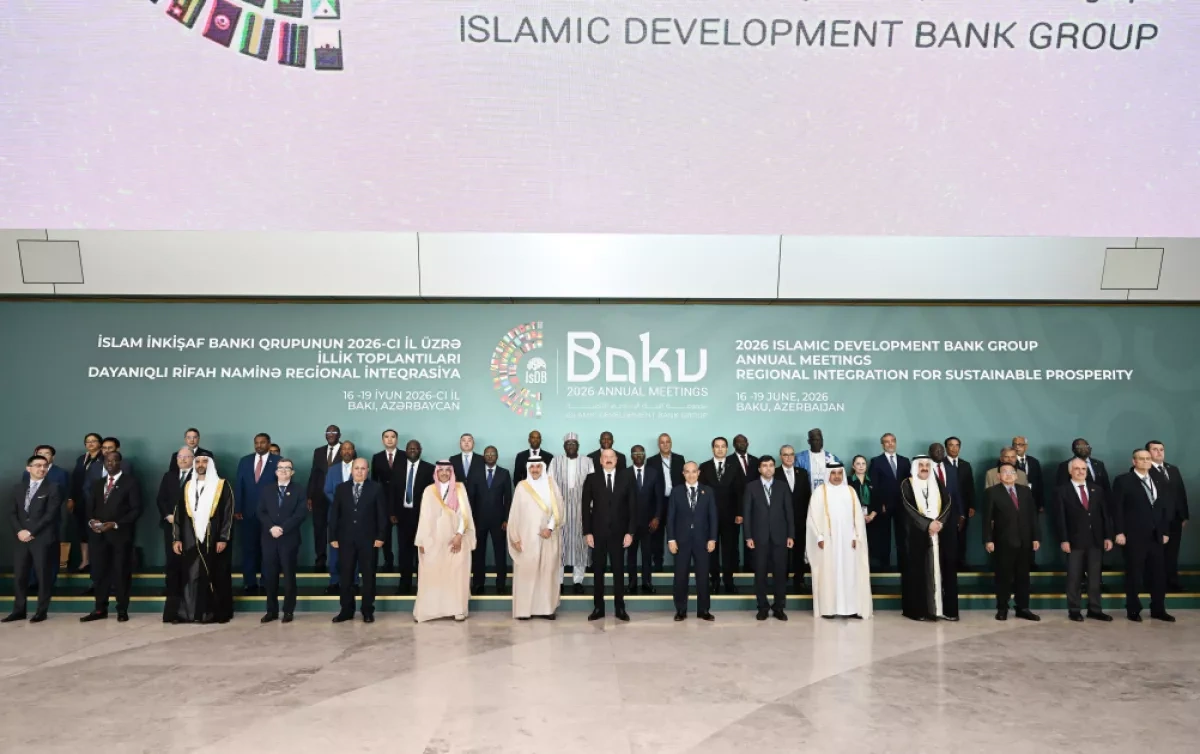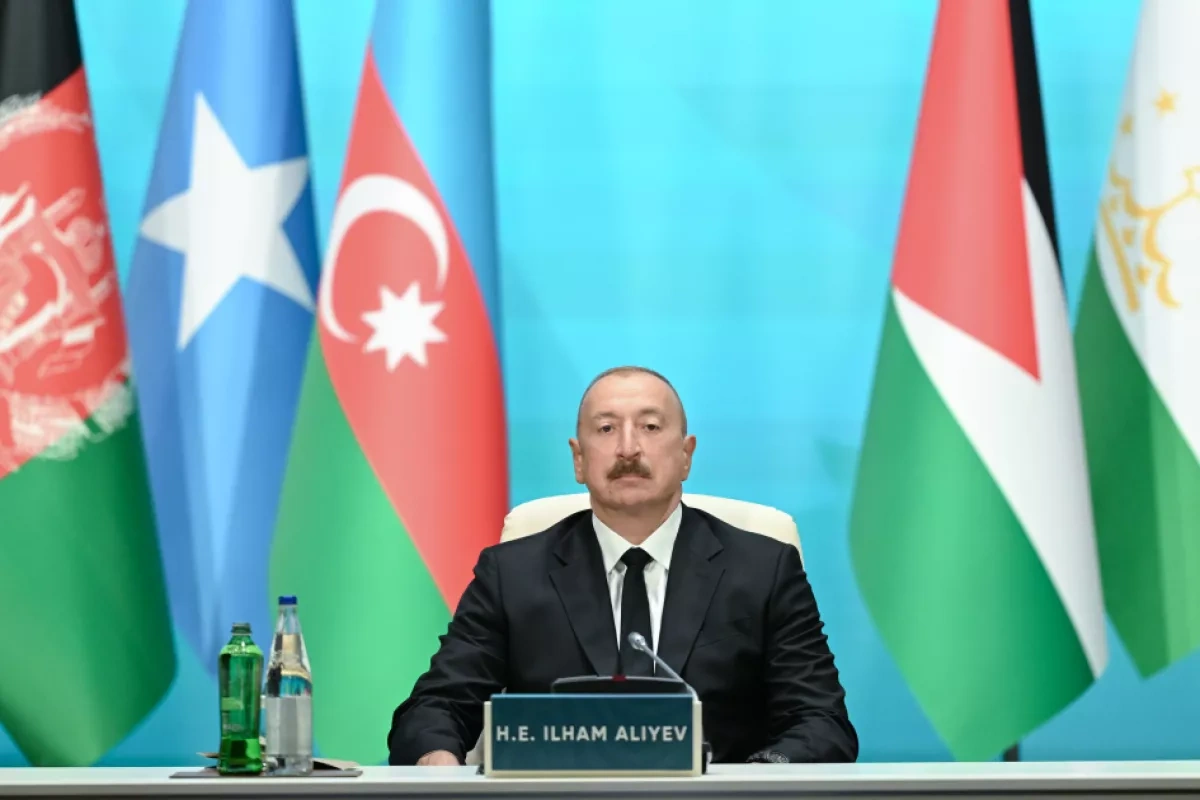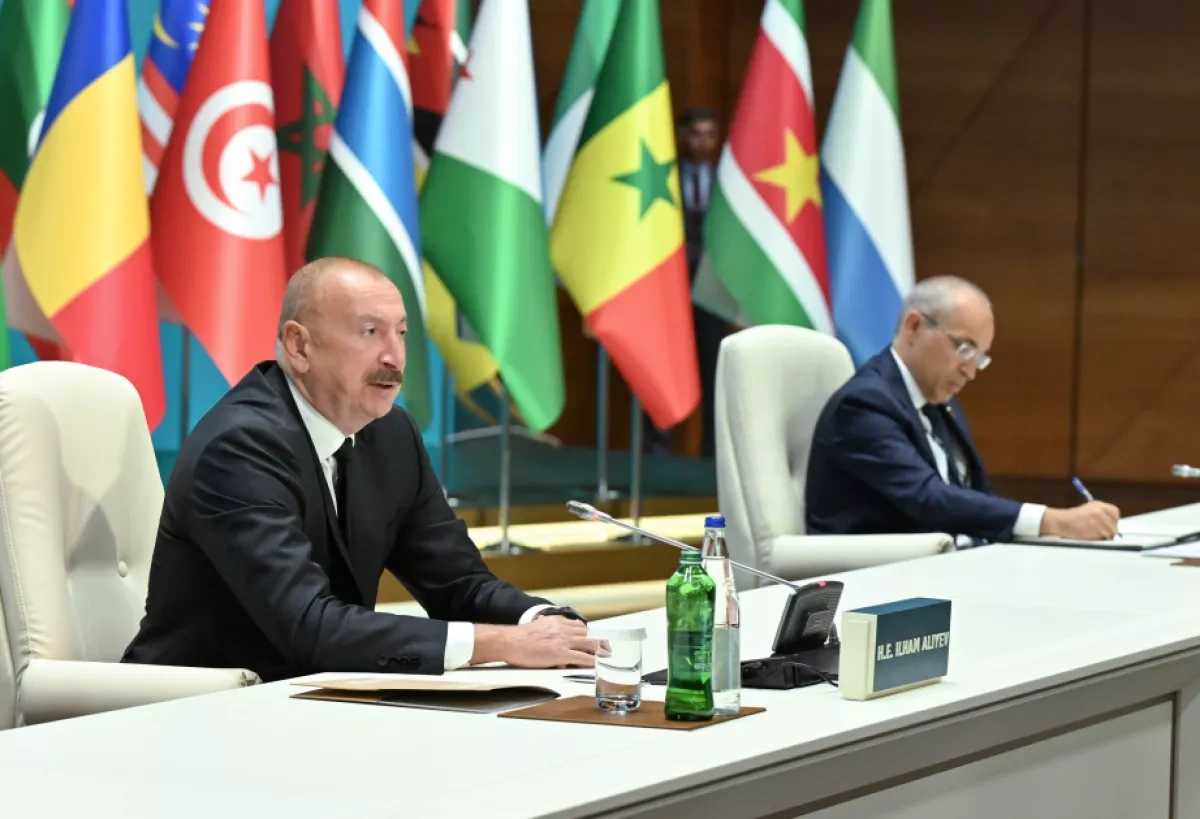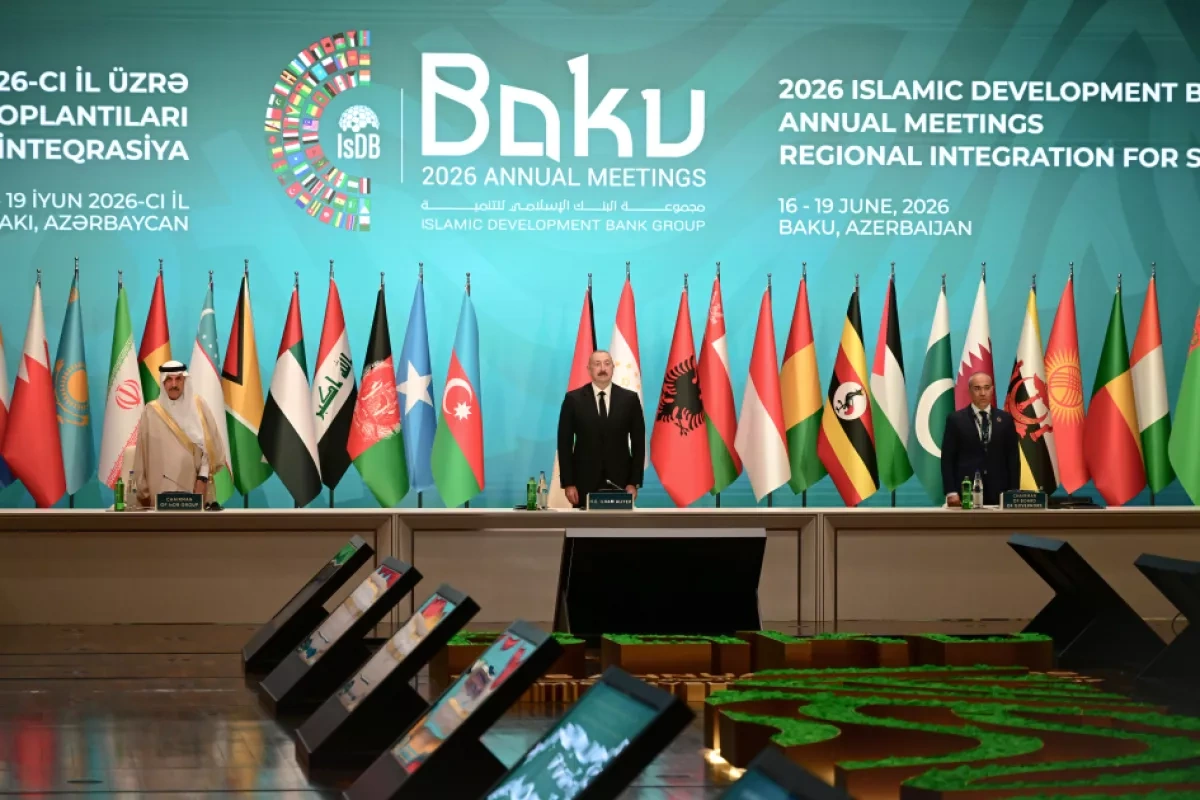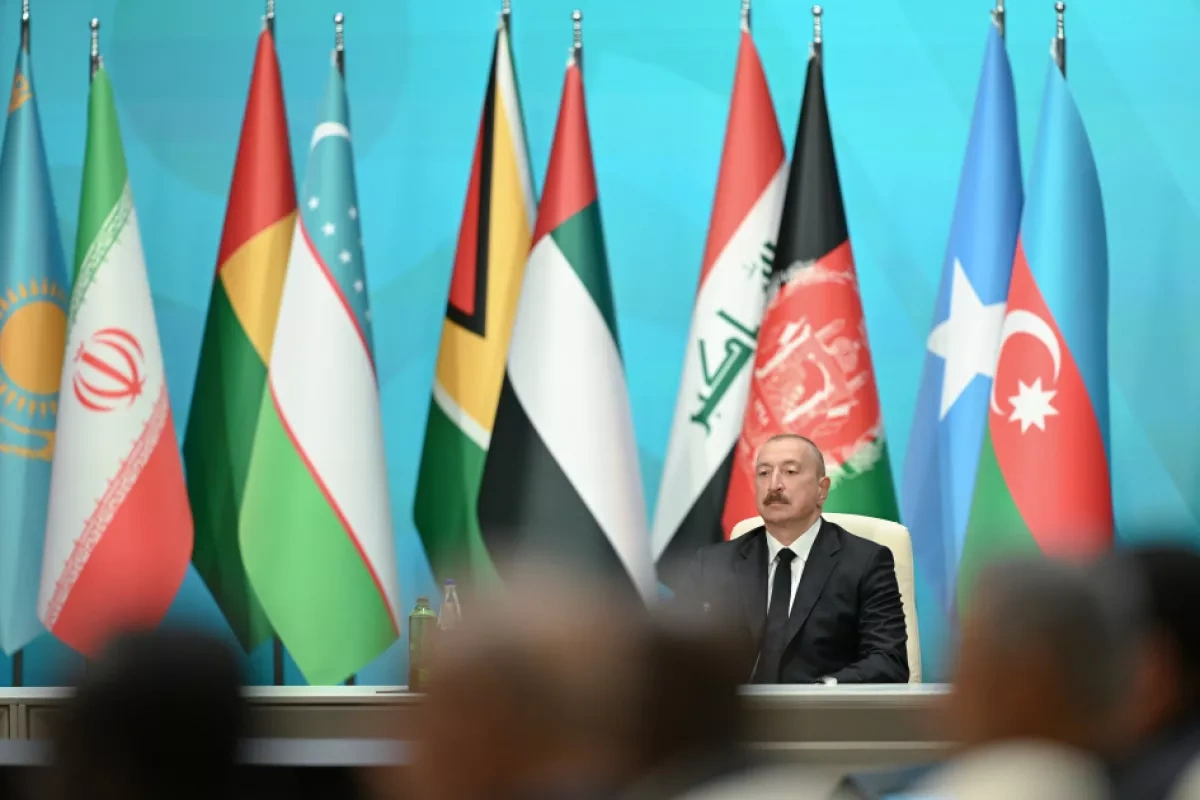
On June 18, Baku hosted the opening ceremony of the 2026 Annual Meetings of the Islamic Development Bank (IsDB) Group, where President Ilham Aliyev highlighted Azerbaijan’s growing role in global energy markets.
Caliber.Az presents the full speech of President Ilham Aliyev, along with remarks by other speakers, published by AZERTAC.
Speech by President Ilham Aliyev
- Dear Mr. Chairman of the Islamic Development Bank Group,
Dear guests, ladies and gentlemen,
I greet all the participants of the Annual Meeting. Welcome to Azerbaijan.
I am very grateful to the Group, its chairman, and all the team for selecting Azerbaijan as the host country for the Annual Meeting. It’s a big honor for us. Once again, it demonstrates the strong bonds between us. I’d like to personally thank Mr. Chairman, Dr. Al Jasser, for his continuous support for the reforms in Azerbaijan, for his vision in moving the bank to the future and for his cordial attitude to our country.
Dr. Al Jasser has already visited Azerbaijan many times and has also twice visited the liberated territories, which is of special pleasure for all of us.
As you know, Azerbaijan hosts the Annual Meeting for the second time, which also is a clear demonstration of our close ties, the level of cooperation, and the scope of joint activity. I remember very well 2010, when we were the host country for the first time.
And that Annual Meeting gave a strong boost to our partnership with the Group and also to the reforms Azerbaijan was implementing in order to diversify its economy, conduct reforms, and reduce dependence on the energy sector. Many things have changed since that time in Azerbaijan and around. One of the things that has not changed is Azerbaijan’s stable, successful development.
This is the demonstration of the policy we conduct, a policy based on our national interests, on good relations with all the actors on the global arena and on a strong commitment to our successful development. Successful development is based on a variety of factors. Azerbaijan is only 35 years independent. And except for the first two years of war, occupation, humanitarian catastrophe, civil war and other difficulties, the rest was a stable development of the country, and this is one of the main pre-requisites for success for every country. Where stability is undermined, we cannot talk even about development. So stability - political, economic, and social stability, which today is a reality of Azerbaijan - is not only the main factor for our development, but also it is a factor in regional development. Because with strong ties on a regional scale and also on the global arena, Azerbaijan has already become an important actor in many aspects.
Our independent foreign policy gained strong support in the international community. The number of our friends is growing year after year. And the support from the international community is reflected in very illustrative moments when our candidacy was among the list of candidates for different institutions and we got overwhelming support. That was the case when we were a candidate for the United Nations Security Council some years ago, and got the support of 155 countries.
That was the case when we were a candidate for the chair of the Non-Aligned Movement, the second largest after the United Nations international institution, consisting of 120 countries, and unanimously we were elected, and not only elected, but also our chairmanship was unanimously prolonged. So this is a demonstration of international support. Sometimes, when we hear words such as international community, some may think it's kind of a limited group of countries, developed countries, which, how to say, have awarded themselves this name. But this is a wrong approach.
International community is the whole world, countries, members of the United Nations, and to gain the support of the absolute majority of countries of the world, this really demonstrates, as I already said, respect based on practical steps, not only based on statements. We were the successful host country for many international events since the 2010 ISDB Group Annual Meeting. Among the recent ones, I would name the successful COP29 held in 2024 with remarkable results. And also, last month’s World Urban Forum, one of the big international gatherings, also was successfully held in Azerbaijan, and many more are to come.
So this once again demonstrates a diversified agenda of our activity. Azerbaijan became an important actor on the global energy arena, initiating, financing, and implementing large-scale energy infrastructure projects, which connect countries across Eurasia, which provide the necessary energy supply to those who need it, especially in times when energy supply chains are not safe, and when energy security becomes one of the main factors for every country's national security.
A very positive investment policy allowed us to attract billions of investments in different areas, including in the energy area, and the construction of the pipelines, which connect the Caspian Sea with the Mediterranean, with the Black Sea, which connect Caspian offshore gas fields with European markets.
This really needed a lot of effort, diplomacy, political conduct, good relations with neighbors, with the neighbors of our neighbors, financing, a good reputation, and a resilient economy. So the combination of these factors allowed Azerbaijan now to become one of the important energy suppliers.
With respect to the supply of natural gas, today Azerbaijan is number one from the point of view of the geography of gas pipeline supply. We supply natural gas to 16 countries, and their number is growing year after year and will continue to grow. Oil supplies cover even more countries, and this is all to the benefit of producers, transit countries, and consumers.
So, a kind of teamwork, which has been created, really is unique in the sense of the complexity of the implementation of projects from the point of view of financing, the point of view of terrain, the point of view of different political obstacles, which we had in front of us.
Investing largely in infrastructure, we also concentrated not only on infrastructure inside the country, but also infrastructure inside the country, which has an international dimension. In other words, we tried to transform Azerbaijan from a landlocked country, as you know, we don't have access to world oceans, to an international transportation hub, to use our geography as a foundation for building strong transportation infrastructure. Because geography of course is important. But if it is not added by infrastructure, it doesn’t mean a lot. So today East-West and North-South corridors crossing Azerbaijan provide very important supply routes for growing number of countries. And if one just looks at the map, one can see that Azerbaijan is situated between Europe and Asia. And geographical location of course is depending on the agenda, can be a headache, can be an advantage. In our case, it’s really an advantage not only for us, but for many more countries. And today the corridors which I already mentioned crossing Azerbaijan really create a kind of a connected and coordinated transportation artery for many countries. And of course, a lot needs to be done and this is by the way, one of our priorities.
Economic development of Azerbaijan was positive, and, as I said, economy is stable. We managed to attract more than $350 billion of direct investments, almost half from foreign sources in the last 20 years. Our investment plans continue because today investors look for stable places. Unfortunately, as time passes, the number of stable locations does not grow. This is unfortunate—today's reality. Therefore, good investment climate, investment protections, legislative base, and also already accomplished projects allow us to attract investments now not only in energy but the non-energy sector, which is, by the way, one of our priorities. We spoke about that 16 years ago at the ISDB Annual Meeting in Baku, and since that time we managed to transform.
So today the share of the non-oil and gas sector in our GDP is more than 70%, which is a remarkable achievement, but still we have to work hard in order to continue to change the balance of oil, gas, and the non-oil and gas sector in our export. Today, absolute majority of our export is energy resources. So we are working very hard in order to change the situation, and for that, of course, we need more reforms, more investments, and also we need new markets, and this is a problem. Because the struggle for markets has become very active, I would use this word. So diversification of economy is already a reality, but we have to continue, definitely.
We managed to reduce our foreign debt, that was a target put by me some years ago, and we achieved it, and even maybe more than we planned. Today our foreign debt is only 6% of our GDP, so we started to borrow again. There was a break, but we started to borrow again, and of course, the first financial institution we approached was the Islamic Development Bank, because of our strong connections, because of our shared history, and a very productive and constructive relationship.
During the meeting, many agreements will be signed in order to give a boost to new infrastructure projects, which in their turn will lead to added value in the non-oil sector. So, a low level of foreign debt, of course, is a big advantage. So, we can borrow more, but we will do it very cautiously. Though today our foreign currency exchange reserves exceed our foreign debt by almost 20 times. By this figure, I think Azerbaijan is one of the leading countries with a very stable financial situation, a balanced budget, and what also is appreciated by the leading rating agencies like Moody's and Fitch, which recently upgraded our ratings to investment grade, and with the prognosis/forecast being positive and stable. So we don't foresee any complications with respect to our economic development, and in line with that, go hand in hand with our social programs, which are large scale. We have implemented several social support packages in the last several years, which cover almost more than 30% of our population. Reduction of poverty and unemployment also was one of the targets, which has been successfully achieved. So today the level of poverty and unemployment is around 5%, and issues related to employment always will be in the center of our attention, as in any other country with a growing population, because when population grows, we all know, and fortunately, in the Muslim countries, this tendency continues. We all know, but at the same time, it brings along with it a lot of challenges, because you have to create jobs, you have to create more social infrastructure and infrastructure in general, so this will always be in the center of our attention, so as to keep the level of unemployment very low.
Of course, one of the main changes, which happened since we had a meeting in 2010, was the restoration of Azerbaijan’s territorial integrity and sovereignty. Our lands were occupied in the beginning of the 1990s, that created a humanitarian catastrophe. We had 1 million refugees and internally displaced persons in the beginning of the 1990s. At that time, our population was 8 million, so one in eight was a refugee, homeless, jobless, without any means for living. That was a real humanitarian catastrophe, and we were left alone. Armenia, which committed war crimes, the Khojaly genocide, destroyed our cities and villages, conducted urbicide on the occupied territories, was not sanctioned.
Today we hear about sanctions—sanctions, sanctions—we hear every day. As soon as something happens, immediately sanctions are imposed, but no one imposed sanctions on Armenia, and this is a clear demonstration of double standards, a clear demonstration of the difference between proclaimed so-called values and real politics. If Armenia was sanctioned because of violation of international law, occupation of the territory of a sovereign country, committing war crimes, then the conflict between two countries wouldn't have lasted so long.
It lasted for almost 30 years, and during these 30 years there were numerous rounds of useless, endless, meaningless negotiations, which had only one aim for those who were providing so-called umbrella for negotiations, only one aim: to keep our lands under Armenian occupation forever. That was the goal of those who had a mandate to achieve peace and achieve liberation of our territories. I mean the OSCE Minsk Group co-chairs, three countries, three permanent members of the UN Security Council—France, Russia, United States—and can you imagine that these countries could not force Armenia to liberate Azerbaijani territory? No, of course not. They didn't want. They wanted our land to be under Armenian occupation. That was a joint decision, but we changed those plans.
We've been very hopeful in the beginning of the negotiation process, and me personally. I'm the President since 2003, and for 17 years I was involved, as I already said, in this useless, as it turned out, negotiations, trying to find a peaceful solution, trying to persuade—you know, big countries—that truth is on our side: “We are right. We are occupied. Look at the map. Look where Armenian forces are standing on our territory.” And what we heard in response? “Go and agree.” One message. Second message: there is no military solution. Third message: you cannot start a war. Fourth message: if you start war, you will be sanctioned, and many more. I don't want to take much of your time.
So, when we realized that those who make decisions in the world decided that our land should be illegally occupied forever, we made our decision, and we changed all the plans. The 2020 Patriotic War lasted 44 days, ended in the capitulation of Armenia. We liberated a large part of the occupied territories, but not all of it. Then, in 2023, we put a final stop, a final full stop, and now the territorial integrity and sovereignty of Azerbaijan are fully restored, and this is accepted by the whole world. And after that, we offered Armenia peace. We, the winners, the country and the people who suffered from occupation and devastation, offered them peace. And now we have this peace.
So already for almost one year, we live in peace, and we see the benefits. We will never forget what Armenian occupation forces have done to our people, to our cities. We will never forget how they destroyed 65 mosques and kept animals, including pigs, in our mosques in order to insult our feelings. That cannot be forgotten. We will never forget the Khojaly genocide, but we need to look to the future, and we took revenge on the battlefield, and that's enough. That war or wars should have stopped, and we stopped it. As a strong side, we stopped it and offered peace. So now peace is reality.
Immediately after we liberated our territories, we started a large-scale reconstruction program. Today, already in Garabagh and East Zangazur, almost 90,000 people live, work, and study. We allocated from our state budget more than $15 billion to different infrastructure and housing projects, but from all sources, the volume of financing to liberated territories is close to $17 billion.
Large-scale infrastructure projects are being implemented, including water storages, water canals, power stations, three international airports already commissioned, tunnels, and bridges. We are grateful to the Islamic Development Bank Group for supporting our efforts in the reconstruction of the liberated territories. This is one of the main priorities now for our government, but not the only one. I'm sure that during this time of interaction of the Group, there have been a lot of discussions on that.
I just want to underline a couple of our priorities for the future. One of them, as I already said, is connectivity. We need to continue to transform Azerbaijan into a transportation hub. Our plan is to double the volume of cargo going through Azerbaijan. Today it's about 14–15 million tons. We look to doubling this figure. Of course, not everything will depend on us, because it will also depend on the geopolitical situation and also the situation in the neighborhood, but these are our plans.
Our plans for food security are very clear. With the recently adopted state program on agricultural development, we are planning to achieve maximum self-sufficiency in the main consumption products. Irrigation—and I'm grateful to ISDB for helping us with irrigation—building canals and water storages will allow farmers to have access to water and to achieve higher productivity of their products.
Renewables—is a big potential. A contract signed already with international and local companies will provide us with eight gigawatts of solar and wind energy by 2032. This is the minimum. This is what has already been signed, not MOUs, but contracts, but it will be more. So now we are working on transmission lines, on how to export, because we will not need as much, as I said. So, transmission lines to those destinations which need energy, and this is primarily Europe, definitely, because everybody knows that they will need electrical energy for many, many years to come.
So all this is in our strategic priority plans, and many other areas. I'm sure that a large part of our plans has already been communicated to the audience. I don't want to take much of your time. Once again, I would like to express gratitude for selecting Azerbaijan as the host country, for being with us, for your support, and wish the Annual Meeting success. Thank you very much.
x x x
Addressing the event, Muhammad Sulaiman Al Jasser, Chairman of the Islamic Development Bank (IsDB) Group, said:
- His Excellency Mr. Ilham Aliyev, President of the Republic of Azerbaijan.
Mr. Mikayil Jabbarov, Minister of Economy of the Republic of Azerbaijan and Chairman of the Board of Governors.
Your Excellencies, Governors and Alternate Governors.
Honorable Executive Directors, distinguished delegates, ladies and gentlemen.
As salamu aleiykum wa rahmatullahi wa barakatuh.
It is an honor to welcome you to this magnificent city of Baku for the 2026 Annual Meetings of the Islamic Development Bank Group. Allow me, at the outset, to express our deepest gratitude to His Excellency, President Ilham Aliyev, and the Government and people of Azerbaijan for the exceptional hospitality and excellent preparations.
It is particularly opportune that our gathering coincides with Azerbaijan’s National Salvation Day — a defining milestone that ushered in a new chapter of stability, resilience, and renewal. From the ancient Silk Road to today’s Middle Corridor, this land has, for centuries, linked East and West, North and South, transforming geography into shared opportunity. Yet Azerbaijan’s story is not only one of connectivity; it is also a story of resilience and renewal. Allow me, in this regard, to share a brief reflection from my recent visit to Shusha—the jewel of Garabagh. Its enduring legacy is embodied in figures such as the poet and benefactor Khurshidbanu Natavan, a timeless symbol of cultural resilience and compassion. I was moved by the words of the People's Poet Mammad Araz:
Come on, rise up now, Azerbaijan, I am with you!
We can divide everything, except you!
These words capture the spirit of a nation that has never relinquished hope — and it is that same spirit that defines our partnership with Azerbaijan.
We are proud to be the first multilateral development bank to visit liberated Garabagh, reaffirming our commitment to Azerbaijan’s reconstruction and development.
Since Azerbaijan joined the Bank in 1992, our cooperation has flourished, with the Islamic Development Bank Group approving approximately US$1.8 billion for 84 projects in infrastructure, energy, agriculture, and social services. Projects like the Baku-Tbilisi-Kars Railway and the Alat Free Economic Zone are not isolated national projects; they are regional arteries of trade that perfectly embody our Annual Meetings theme, “Regional Integration for Sustainable Prosperity.”
Excellency, Mr. President, Ladies and gentlemen,
Our ambitions for regional integration and shared prosperity are unfolding in a global environment tested by inflation, conflicts, and supply chain disruptions. Despite broader global resilience, the economic outlook remains fragile. While growth in our member countries is projected to outpace global and emerging-market averages, this aggregate performance masks a harsher reality: our most vulnerable economies still face a difficult road ahead. It is in this challenging context that the Islamic Development Bank Group has stepped up its response. In 2025, total financing approvals increased by 20% to nearly US$16 billion bringing cumulative approvals since inception to US$209 billion.
But commitments alone are not enough; impact depends on delivery. We therefore also strengthened execution, increasing disbursements to US$11 billion, compared to US$9.2 billion in 2024. At the Islamic Development Bank, the US$5.7 billion in approvals targeted priority sectors, with 46% for transport and connectivity, 20% for water and urban services, and 16% for health financing. Our Group affiliates further amplified this momentum:
The International Islamic Trade Finance Corporation provided US$9.3 billion in trade finance;
The Islamic Corporation for the Development of the Private Sector approved US$556 million in support for the private sector;
And the Islamic Corporation for the Insurance of Investment and Export Credit prompted US$17.8 billion in insured business. This scale of delivery is anchored in financial discipline. Despite global turbulence, we have maintained our AAA credit rating and issued US$5 billion of Sukuk in 2025.
Excellency, Mr. President, Ladies and gentlemen,
Five years ago, when our member countries entrusted me with the leadership of this great institution, I pledged a renewed Islamic Development Bank Group — one that would be more responsive, more impactful, and closer to the people we serve.
That pledge was made in the shadow of the COVID-19 pandemic, a crisis soon compounded by the war in Eastern Europe and its repercussions on food security across our member countries. Faced with these challenges, we chose action over caution. We scaled up our operations because the communities we serve could not afford delays.
The results speak for themselves. We have more than doubled our annual Group approvals – from US$6.8 billion in 2020 to nearly US$16 billion in 2025 – while accelerating disbursements from US$7.1 billion to US$11 billion.
Yet, as you know, development is not measured solely by the billions of dollars invested. Its truest measure lies in the lives transformed and the hope rekindled.
It is the village chief in Cameroon whose day-long journey now takes just one hour.
It is the newborn in rural Uganda who now has a greater chance of survival. It is the 8.5 million people living in urban villages in Indonesia who now enjoy safer and more dignified living conditions.
And it is Ani Badriyah, a community leader in one of those villages, thanking God for moving towards a better life.
From Jakarta to Dakar, from Almaty to Abidjan, and from Dushanbe to Georgetown and Paramaribo, I have seen how IsDB projects—whether small social initiatives or transformational infrastructure programs—are improving lives and expanding opportunities for millions.
Bearing witness to this impact has been one of the most humbling experiences of my life. It has transformed me from a central banker, focused primarily on macroeconomic indicators and monetary policy in my country, into a development banker, confronting daily the immense hardships and the extraordinary potential of our 57 member countries.
Excellency, Mr. President, Ladies and gentlemen,
Over the past five years, my colleagues and I have worked tirelessly to enhance the relevance of the IsDB Group to our member countries, reinforce institutional governance, and safeguard the Group’s long-term sustainability.
Alhamdulillah, we realigned the previous strategy, revitalized our partnerships, and strengthened the position of the Islamic Development Bank Group among the world’s leading multilateral development banks. We also launched a Ten-Year Strategic Framework for the period 2026-2035, anchored in originality, solidarity, and intergenerational prosperity.
That long-term vision is now being translated into concrete action through the new Five-Year Corporate Strategies for the Bank as well as for the Group affiliates.
These strategies set an ambitious course for the years 2026-2030.
Insha’Allah, their implementation will begin as soon as we conclude these Meetings.
At the same time, we have achieved a historic milestone: the IsDB Concessional Fund, which is already operational and supporting a new generation of high-impact projects and helping vulnerable countries address pressing development challenges. I wish to express my sincere appreciation to the member countries that have already contributed to this important initiative. Their support reflects the very spirit of solidarity that defines our institution.
As we move forward, we count on your continued support and generous contributions to strengthen the Fund and ensure that no member country is left behind.
Excellency Mr. President, Ladies and gentlemen,
I am grateful to the Kingdom of Saudi Arabia for nominating me to lead this institution for a second term, and to the esteemed Governors for their endorsement and continued trust.
This renewed confidence further strengthens our determination to advance the Islamic Development Bank Group. As always, our approach will be guided by nationally-led solutions, with investments aligned with the priorities and development aspirations of our member countries.
Our direction is clear: deliver at scale, deliver with excellence, and deliver as one unified Group.
But no institution, no matter how strong its vision or strategy, can deliver meaningful impact without the dedication of the people who carry its mission forward every day. I express my deepest gratitude to the Management and staff of the IsDB Group for their dedication and professionalism.
I also thank all our Governors, Executive Directors, and partners across the Arab Coordination Group and the wider multilateral development bank community. Special thanks to the Annual Meetings organizing team for their tireless efforts, and to the distinguished delegates for their commitment to our shared objectives.
I must reiterate my profound appreciation to His Excellency President Ilham Aliyev for his kind patronage of our Meetings, and to the government and people of Azerbaijan for their gracious hospitality and warm welcome.
Excellency Mr. President, Ladies and gentlemen,
In a world marked by uncertainty, fragmentation, and rising vulnerabilities, solidarity is no longer a choice; it is an imperative.
The Holy Qur’an commands us:
to translates which ”وَتَعَاوَنُوا عَ ىلى الْ بِِِّ وَالتَّقْوَى“
(cooperate in goodness and righteousness).
This timeless principle lies at the heart of our mission. It reminds us that prosperity is a sacred trust — a privilege that must be shared and transformed into dignity, opportunity, and hope for all.
But we cannot speak of prosperity without recognizing the profound humanitarian crises affecting several parts of our membership, where innocent civilians continue to endure immense suffering, loss, displacement, and uncertainty.
These realities remind us that solidarity cannot remain a principle confined to declarations or speeches.
It must be translated into collective action, shared responsibility, and meaningful support for those facing fragility and hardship. Let us leave Baku knowing that —through our collective efforts— a child will access education, a mother will deliver safely, a farmer will secure a better livelihood, and a vulnerable community will look to the future with greater hope and confidence.
Thank you.
x x x
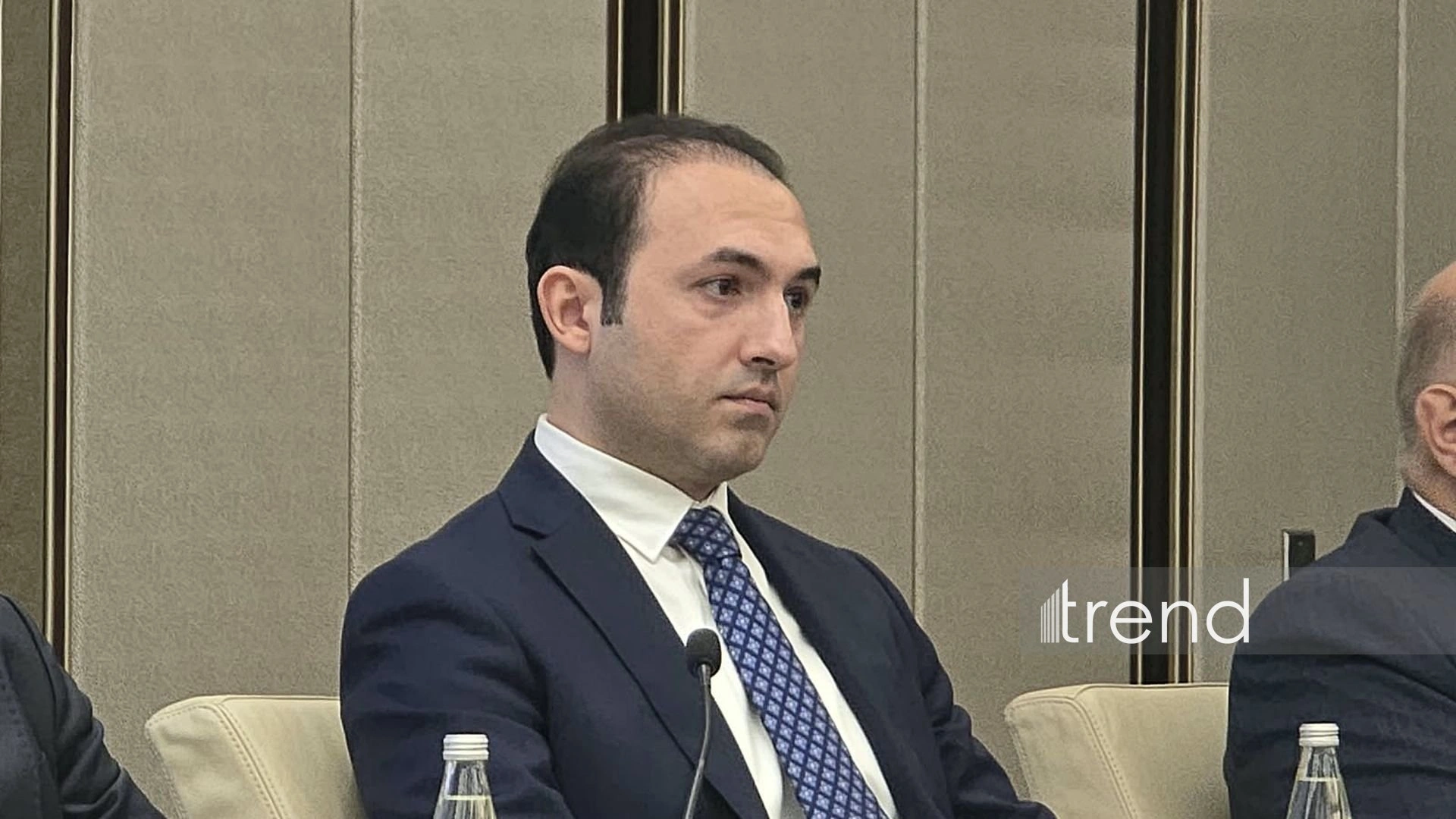
At the event, Minister of Economy Mikayil Jabbarov delivered a speech, highlighting Azerbaijan’s economic development strategy implemented in recent years and the role of international partnerships in this process. He noted that the expansion of cooperation between the country’s banking sector and international financial institutions, particularly the partnerships established within the Azerbaijan-Arab Coordination Group, have contributed to the financing of major infrastructure projects, including pipelines, railways, and highways. He also identified private sector development, human capital development, and technological progress as the main priorities of the country’s economic policy.
The Minister further touched upon the importance of long-term cooperation with the Islamic Development Bank Group and emphasized the need for experience exchange aimed at improving trade and mobility across various countries.
Mikayil Jabbarov stressed the significance of expanding cooperation with international financial institutions and building economic development on sustainable foundations.
x x x
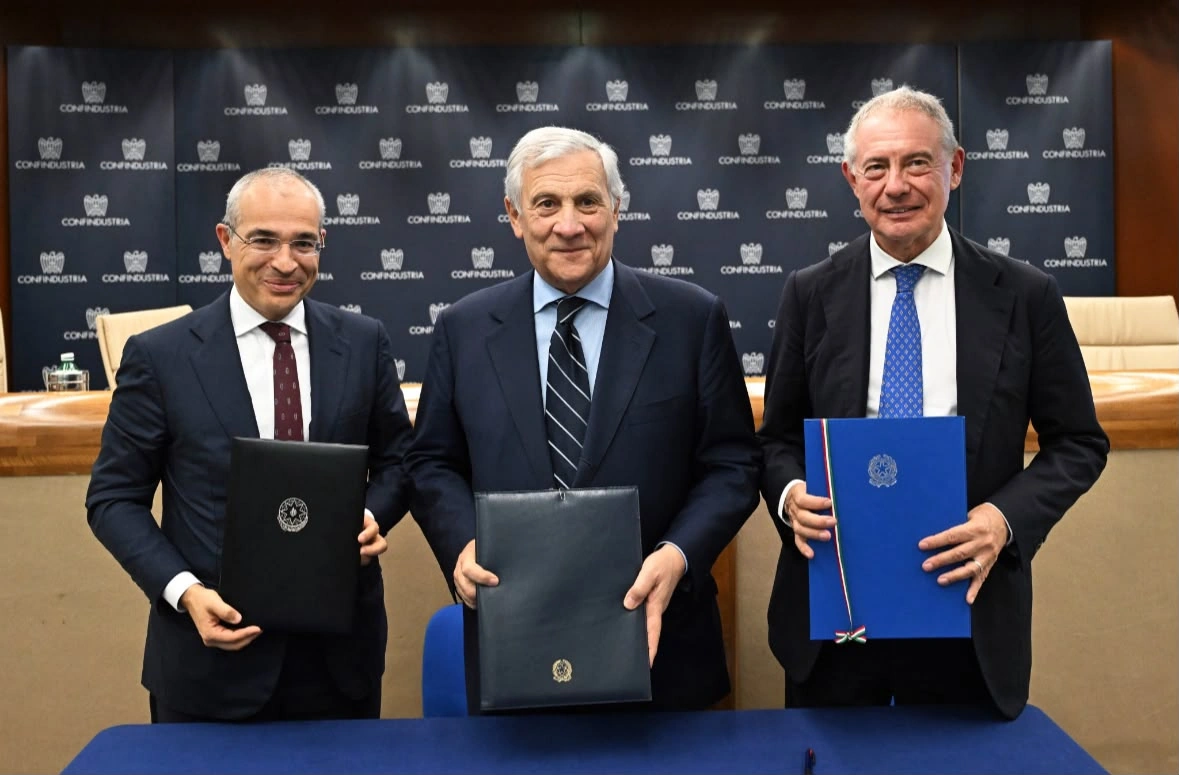
The event concluded with the signing of the Framework (Loan) Agreement on the “Reconstruction of the Karabakh Irrigation Canal” project, the Grant Agreement on the “Reconstruction of the Karabakh Irrigation Canal” project, and the Memorandum of Understanding between the Ministry of Economy of the Republic of Azerbaijan and the Islamic Development Bank on the preparation of the Country Partnership Strategy for the Republic of Azerbaijan.
11:12
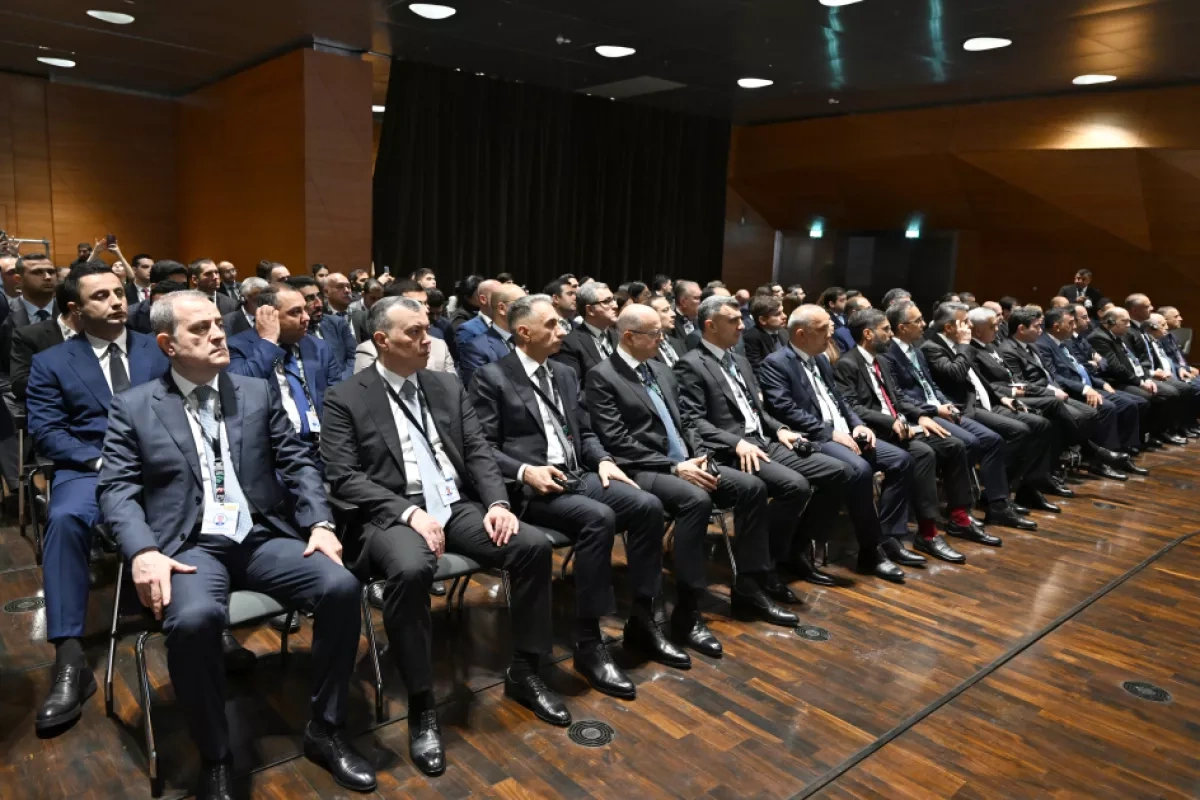
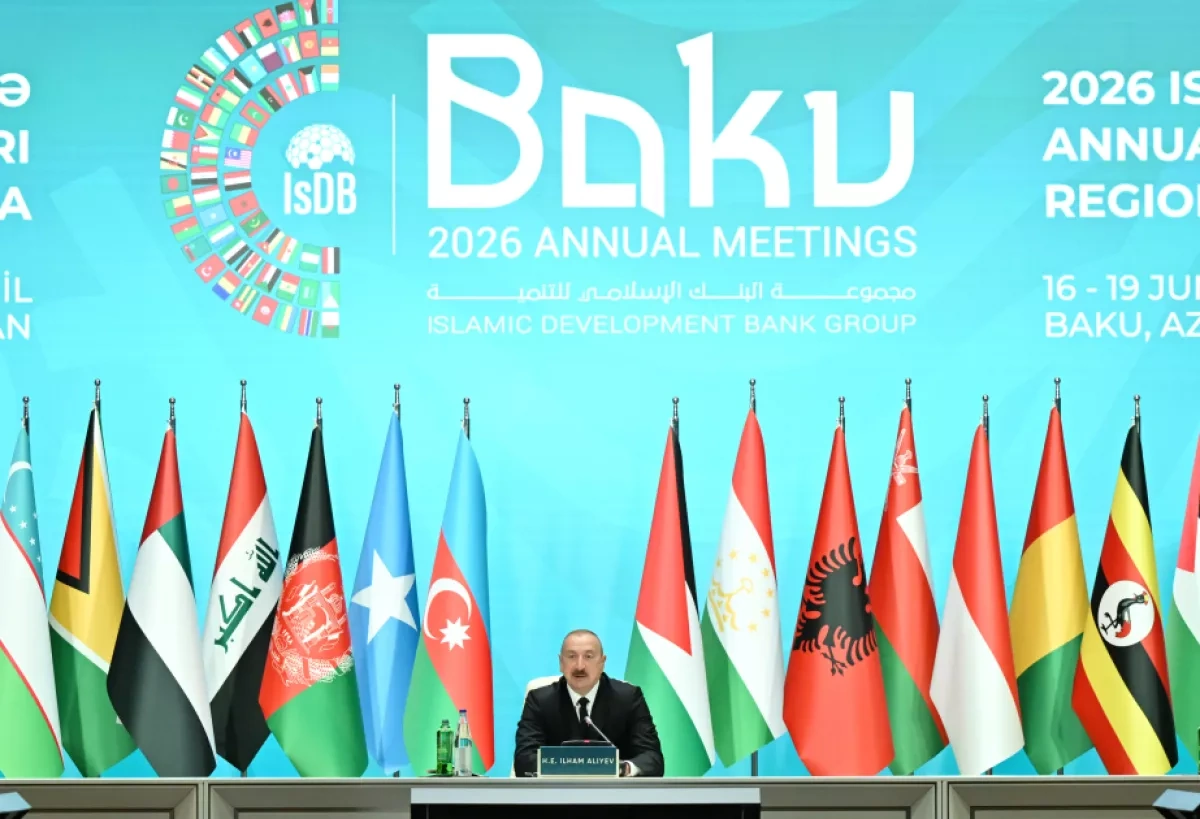
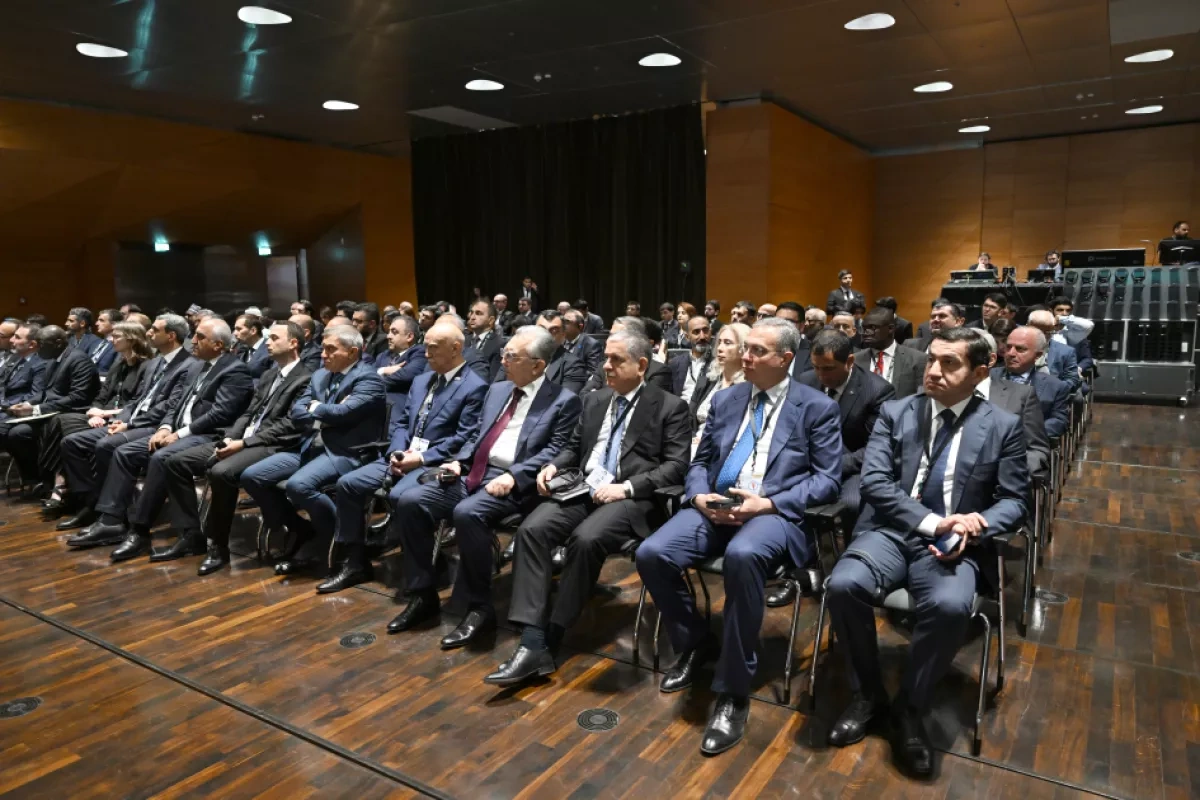
On June 18, the opening ceremony of the Islamic Development Bank Group Annual Meetings 2026 took place in Baku. Azerbaijani President Ilham Aliyev attended the event.
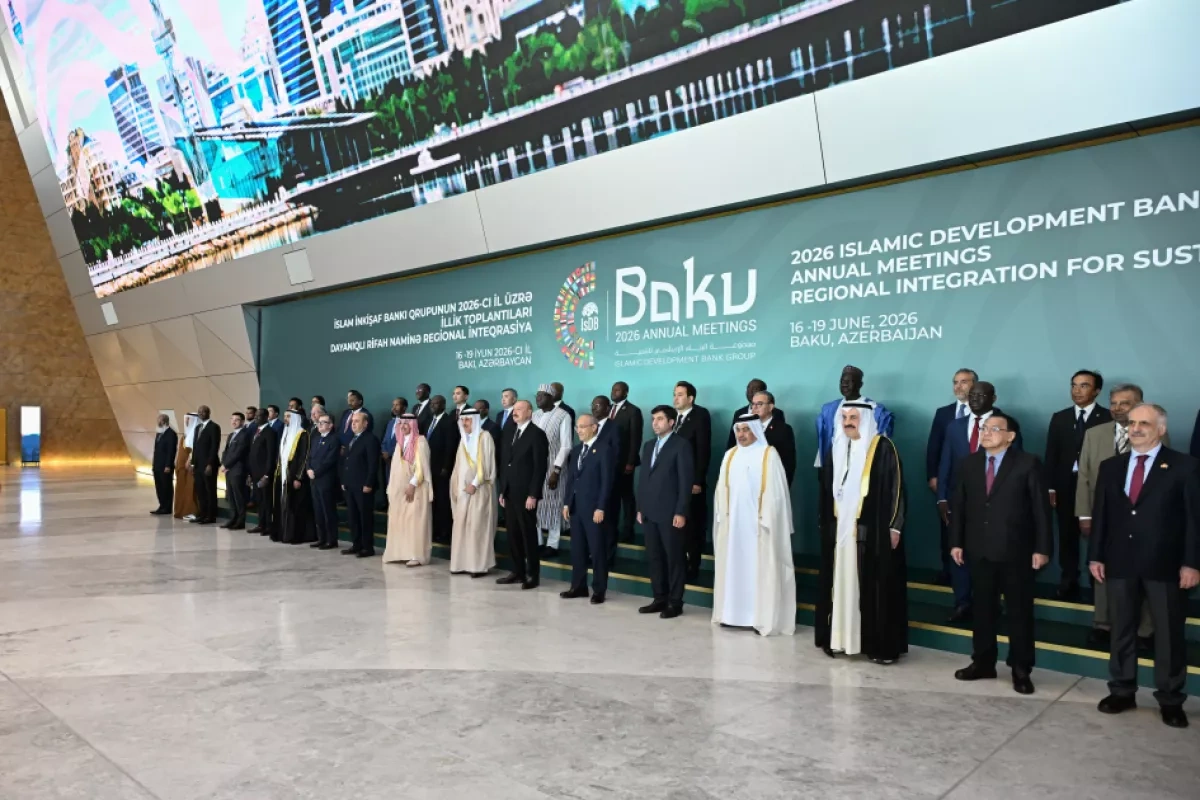
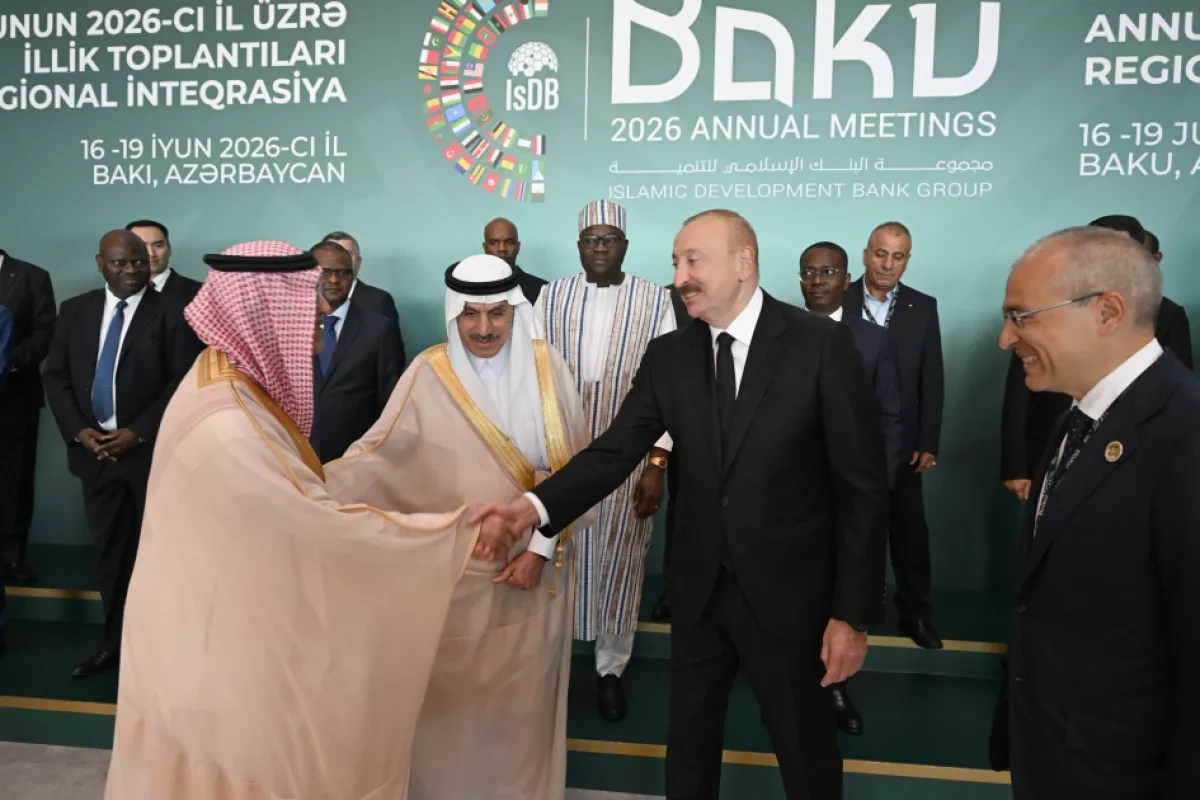
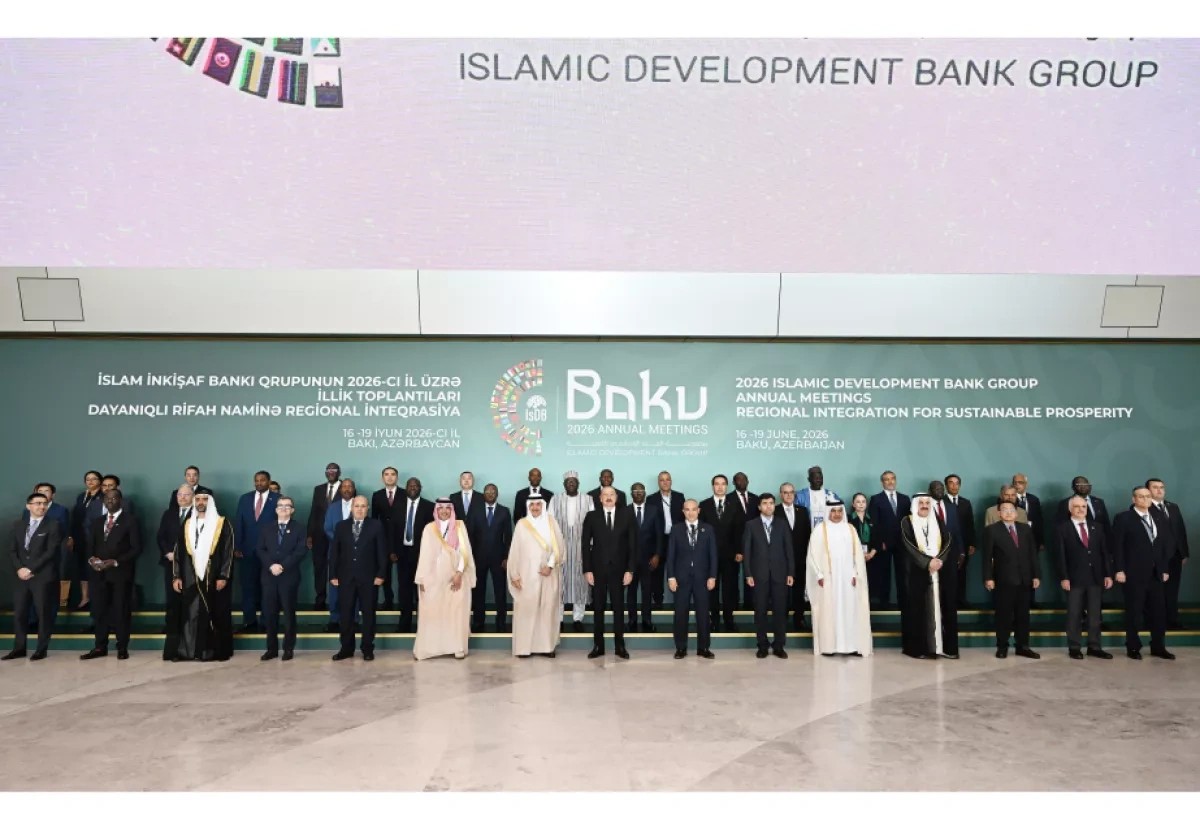
According to Caliber.Az, the information was posted on the official website of the president. A group photo was taken at the beginning of the ceremony.
The National Anthem of the Republic of Azerbaijan was played.
This was followed by the recitation of a verse from the Holy Quran.
A video presentation about the Islamic Development Bank (IsDB) was then shown.
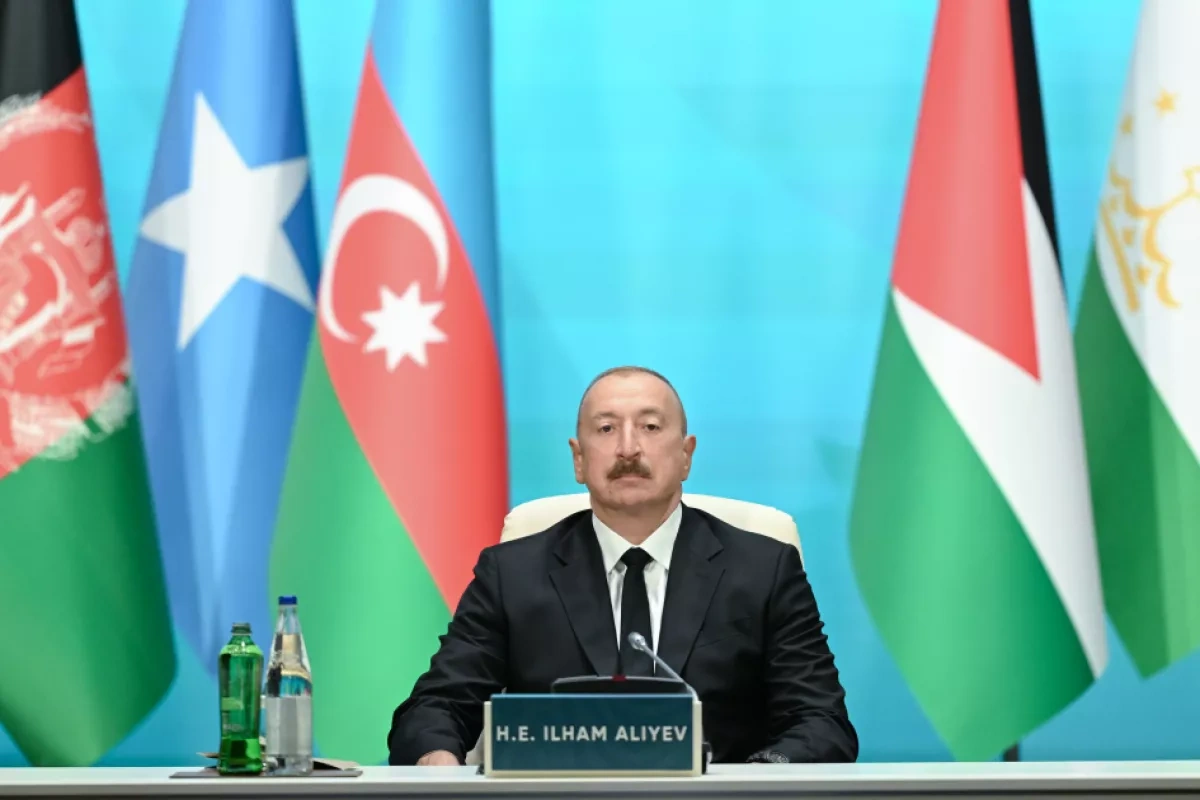
President Ilham Aliyev delivered a speech at the event. Moreover, speeches were also delivered by Islamic Development Bank Group Chairman Muhammad Sulaiman Al Jasser and Azerbaijan’s Minister of Economy, Mikayil Jabbarov. At the conclusion, documents were signed.