BAKU, Azerbaijan, June 17. A delegation from
Uzbekistan, led by National Climate Change Center Director Farrukh
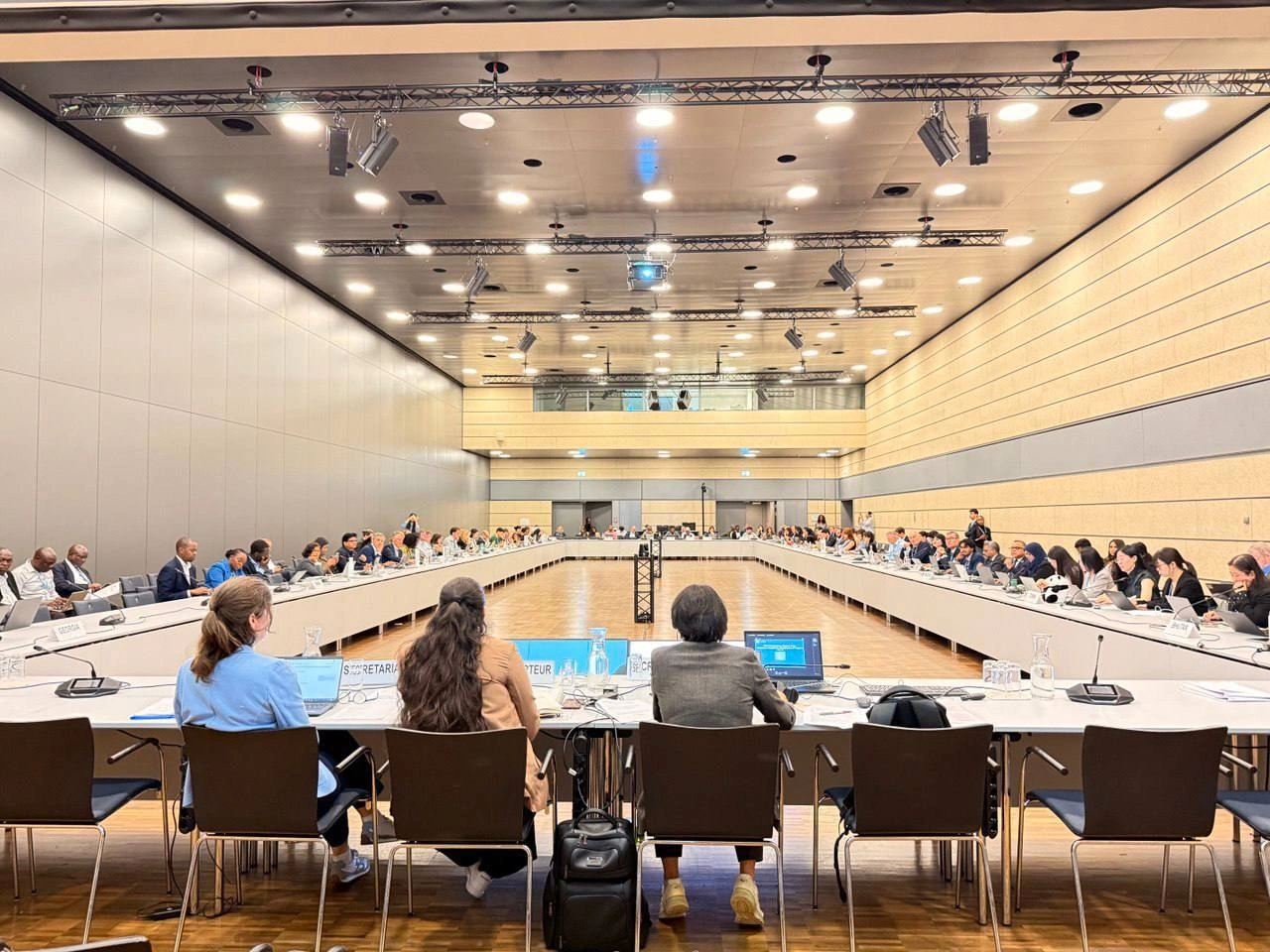
Sattarov, participated in the third session of the Facilitative,
Multilateral Consideration of Progress (FMCP3) on June 13,
presenting the country's efforts to meet its climate commitments
under the United Nations Framework Convention on Climate
Change.
This was reflected in the statement by the National Committee on
Ecology and Climate Change of Uzbekistan.
The session was held as part of the 64th meetings of the
Subsidiary Bodies (SB64) of the UN climate convention in Bonn.
FMCP3 is a key mechanism of the Paris Agreement aimed at enhancing
transparency, strengthening trust among countries, and encouraging
the exchange of information on national climate actions.
During the meeting, the Uzbek delegation outlined reforms and
initiatives focused on fulfilling national climate commitments,
expanding renewable energy capacity, improving energy efficiency,
and increasing the economy’s resilience to climate-related
risks.
Addressing the session, Sattarov said Uzbekistan views
transparency as "an integral element of effective climate policy"
and remains committed to the Enhanced Transparency Framework under
the Paris Agreement. He noted that climate change poses significant
challenges for Central Asia, exacerbating water scarcity, land
degradation, and glacier melt.
The delegation also highlighted Uzbekistan’s updated Nationally
Determined Contribution (NDC), under which the country has pledged
to reduce greenhouse gas emissions per unit of GDP by 50% by 2035
compared with 2010 levels. Officials noted that the previous target
of reducing the carbon intensity of the economy by 35% was achieved
ahead of schedule.
According to the presentation, renewable energy projects have
increased the share of green energy in Uzbekistan’s installed
generating capacity to approximately 30%, with the figure expected
to exceed 50% by 2030.
In the area of climate adaptation, officials emphasized efforts
to improve water management through the widespread introduction of
water-saving technologies, which currently help conserve around 10
billion cubic meters of water annually.
The delegation also reported progress in strengthening the
country's climate governance framework, improving greenhouse gas
inventory systems, enhancing data collection mechanisms, and
building capacity for climate reporting.
Uzbekistan reaffirmed its intention to remain actively engaged
in global climate processes, expand international cooperation,
attract climate financing, and deploy advanced technologies to
achieve the goals of the Paris Agreement and strengthen resilience
to climate change.