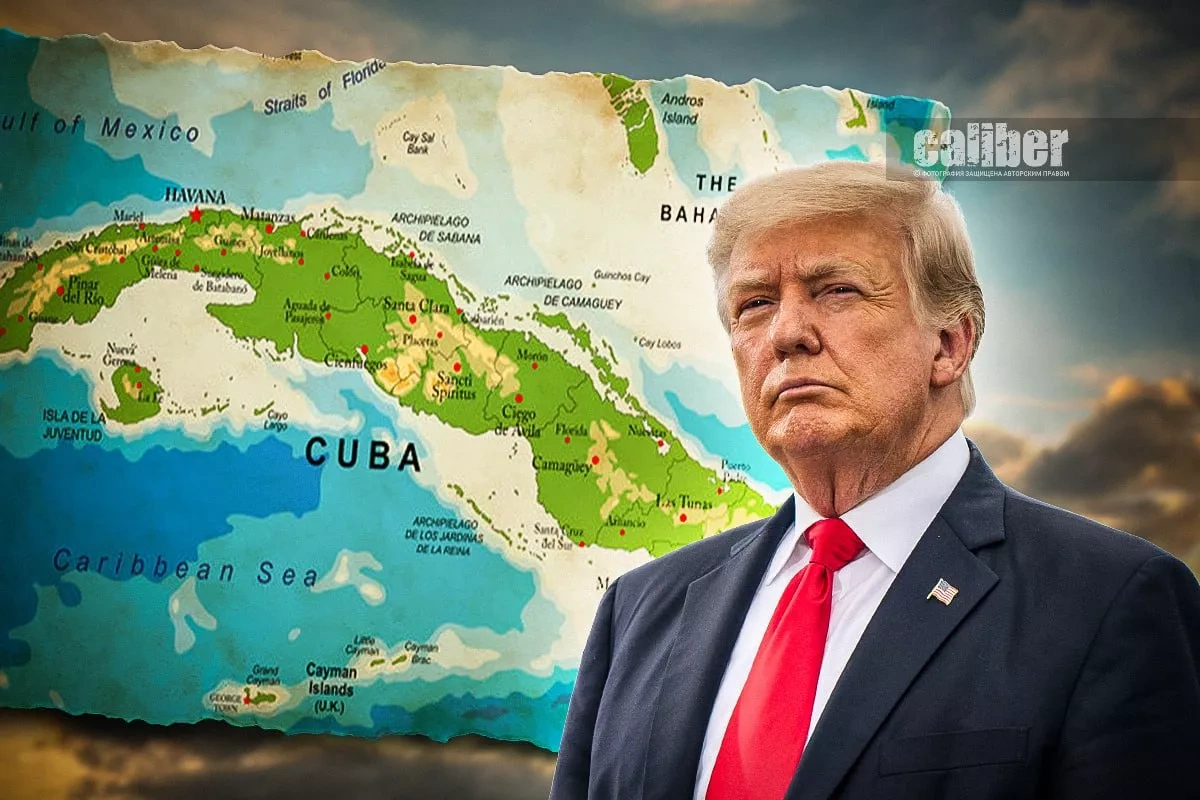
Although the United States’ current focus is concentrated on the Middle East, it is clearly not planning to abandon its agenda regarding Cuba. This is evidenced by recent statements by the U.S. president, as well as steps taken by the American administration: last Thursday, following the signing of an executive order by Trump expanding measures against the island, the White House imposed sanctions on Cuban leader Miguel Díaz-Canel, his wife, and three other individuals.
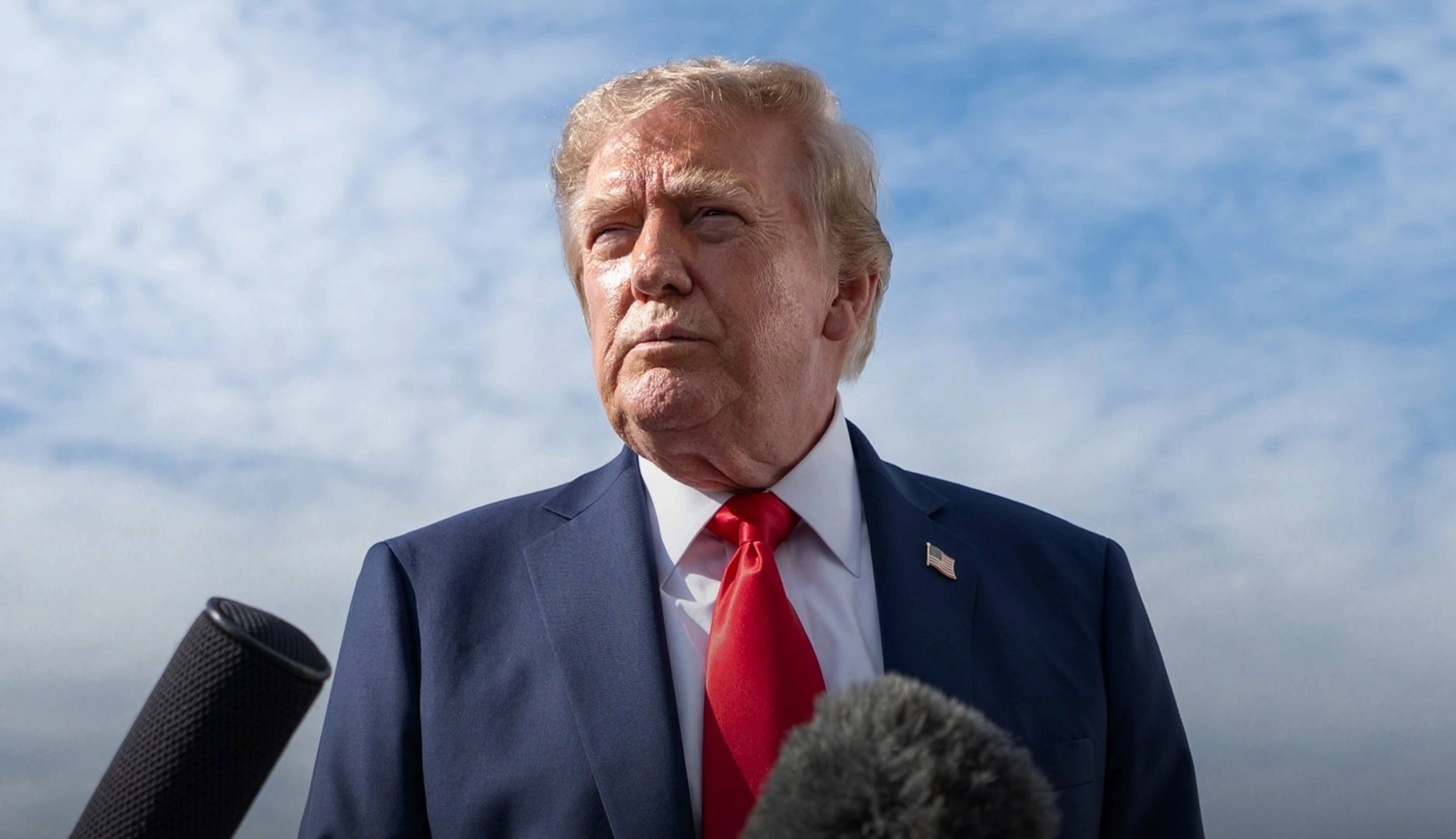
In addition, on June 5, Trump, while answering journalists’ questions, stated that Washington intends to seek a change of government in Cuba after the settlement of the conflict with Iran: “We just want them to have a properly governed country.” At the same time, what is particularly noteworthy is that the United States does not rule out a change of power on the island in cooperation with a certain part of the Cuban elite willing to support American plans.
So, how can we distinguish Washington’s rhetoric from the actual U.S. plans regarding Cuba? Which strategy is the United States more inclined to follow—remote influence over events, or could we still be talking about a force-based scenario in relation to the Island of Freedom? Caliber.Az discussed these questions with a Russian expert on Latin America and a US-based geopolitics and security analyst.
Candidate of Political Sciences, Senior Research Fellow at the Institute of Latin America of the Russian Academy of Sciences, Magomed Kodzoev, noted that Cuba is geographically located within the United States’ zone of special interests, and this factor has historically played a key role in relations between the two countries.
“Even at the beginning of the 19th century, American political elites developed a clear understanding that the Western Hemisphere is a priority direction of U.S. foreign policy, and that the United States must control this part of the world. This is a component of national security policy and of deterring any penetration of extra-regional powers into the Latin American space. Cuba is the closest neighbour, and the presence here of forces considered ‘hostile’ by the United States is seen as a direct threat. First it was the states of the Holy Alliance, then the USSR and communist ideology, and today China and its economic expansion. Regardless of the changing source of the perceived threat, this factor has always pushed Washington to pursue a policy of pressure on the Island of Freedom,” he said.
The expert also noted that for Havana such a framing of the issue is inherently unacceptable: the Cubans’ struggle for freedom is steeped in the blood of national heroes, the founding fathers of the Cuban nation, while U.S. actions to consolidate its hegemony in the Latin American region have always been perceived as a threat to the island’s freedom and independence.
“Unable to confront its neighbour alone, Cuba has always sought support from friendly powerful states; in other words, it has often been forced to structure its foreign policy and cooperation in such a way that Washington inevitably developed fears about possible subversive activity from Havana and its allies,” he said.
According to him, at present the United States has chosen a strategy of strong economic pressure on the island state, combined with diplomatic efforts aimed at forcing the Cuban government to carry out fundamental political reforms.
“However, all of this does not exclude the possibility of a military solution. At the same time, it is difficult to judge any backroom negotiations on Cuba’s ‘surrender’ involving a certain part of the local elites, as there is no convincing evidence of this. I believe that the Cubans would never agree to such a deal, as it could become a fatal mistake for them and lead to highly undesirable consequences. On the other hand, the more setbacks Trump suffers in other regions of the world, the stronger his desire may become to ‘redeem himself’ in Cuba by conducting a small but victorious war. Therefore, the situation can be described as extremely tense,” said Kodzoev.
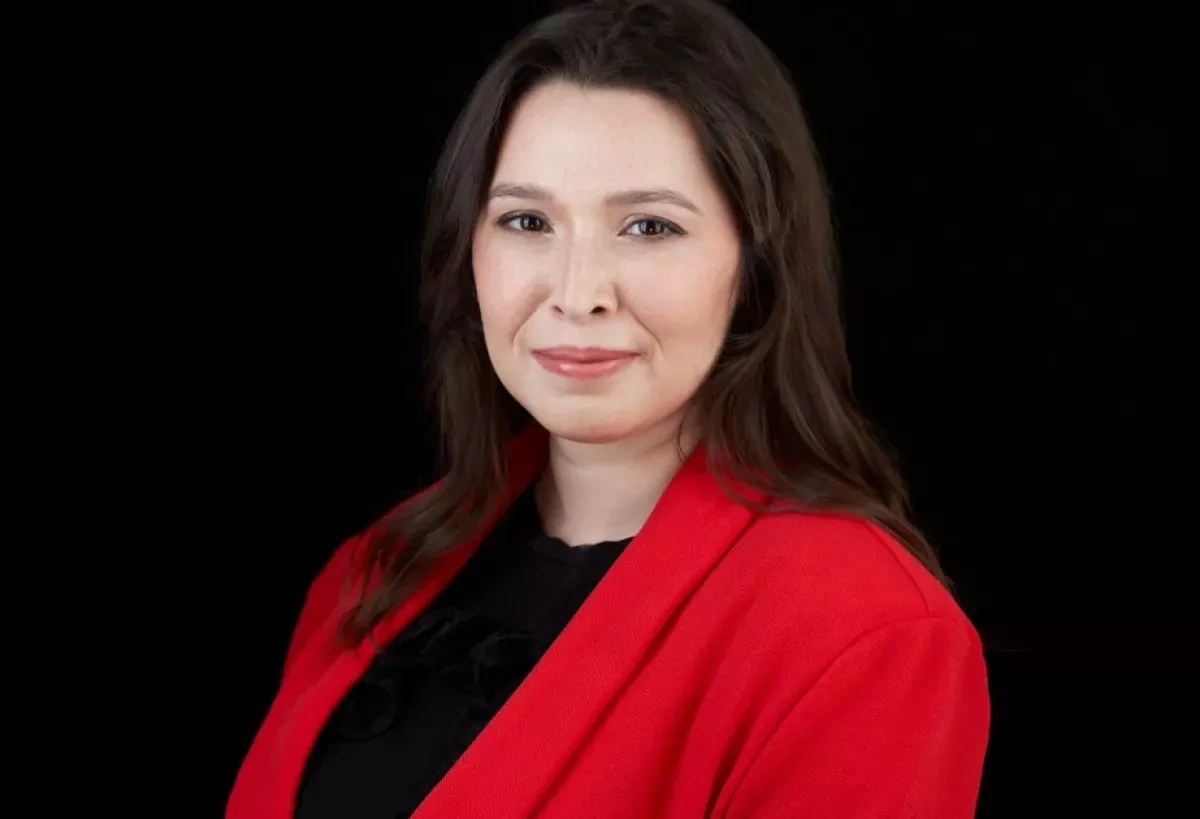
Political scientist and expert in geopolitics and security, Editor-in-Chief of The Washington Outsider, Irina Tsukerman, believes that Donald Trump’s periodic statements on Cuba should be seen not only as improvised rhetoric, but also as part of a broader political logic: to demonstrate that the United States is capable of reasserting pressure in its own hemisphere, where Washington has long regarded any hostile military, intelligence, or ideological presence as a direct challenge to national security.
“For Trump, Cuba is important on several levels: domestic politics, migration, anti-Iran and anti-China strategy, a signal to Moscow, as well as a demonstration that his administration is not limited to sanctions diplomacy. The island is of exceptional importance due to its geography, as it is located at the entrance to the Gulf of Mexico, near Florida, the Caribbean basin, maritime routes, energy infrastructure, ports, military facilities, and the southern flank of the United States. For American strategic thinking, this is not an ordinary foreign policy issue. It is a territory from which a real nuclear security crisis already emerged in the 20th century, and the memory of it remains part of the American perception of threats. Even a weak Cuba can matter if its territory is used by external powers for intelligence, logistics, sanctions circumvention, cyber operations, political influence, or regional destabilisation.
For the U.S. president, the Cuban issue is also linked to Florida. The Cuban-American community, the Venezuelan diaspora, Nicaraguan emigrants, and other anti-socialist groups in South Florida remain an important electoral audience. A hard line on Cuba allows Trump to speak the language of strength, anti-communism, the restoration of American influence, and punishment of regimes associated with Iran, Russia, and China. In this sense, the island is not only a foreign policy object for him, but also a symbolic stage where domestic politics, regional security, and ideological narrative can be brought together,” the political scientist emphasised.
In her view, the strategic importance of the island for the United States lies in the fact that Cuba can serve as a node for hostile networks even without possessing significant military capabilities of its own. Its value to the United States’ rivals does not lie in the Cuban army as such, but in its location, intelligence infrastructure, political connections, its ability to host specialists, conduct surveillance, provide cover, and support regional regimes. And if Washington believes that Havana provides space for Russian or Chinese services, facilitates sanctions evasion, or supports anti-American structures, then Cuba turns into a problem of the immediate strategic periphery.
“What dilemmas could the seizure of Cuba solve for the United States? In theory, it would eliminate the nearest anti-American bridgehead in the Caribbean, weaken Russian and Chinese presence in the region, give Washington the ability to control a key point near the Gulf of Mexico, and demonstrate that the era of tolerance toward hostile regimes in the Western Hemisphere has ended. Such an action could also psychologically impact anti-American governments in the region by showing that proximity to U.S. territory increases risks.
For Trump, the threat of a forceful scenario may be more important than the scenario itself. It increases pressure on Havana, scares foreign companies, strengthens the island’s isolation, forces Cuba’s partner structures to recalculate risks, and also creates the image of a president willing to act more forcefully than his predecessors. Such rhetoric can be used as a negotiating tool: it is not necessary to actually seize Cuba in order to make its elites nervous, seek guarantees, limit external ties, or face growing internal fractures.
The most realistic scenario for the United States does not appear to be a full-scale occupation, but rather an escalation of economic, financial, intelligence, and political pressure, reinforced by military signalling. This could include sanctions against defence-related companies, pressure on tourism, restrictions on financial channels, support for opposition networks, information influence campaigns, maritime surveillance, operations against illicit networks, and coordination with regional partners. Such a strategy carries fewer risks than an invasion and better fits Trump’s logic: achieving coercive effects without committing to a prolonged occupation.
Thus, in general, the assessment of the situation can be summarised as follows: Cuba indeed holds high strategic significance for the United States, especially amid growing competition with China, Russia, and Iran. Trump sees it as a symbol of an unfinished American agenda in the Western Hemisphere, an instrument of influence over left-wing regimes, and a domestic political asset in Florida. A military seizure of the island is technically possible but politically, economically, and administratively highly risky. It could solve part of the security problems related to external presence and regional networks, but at the same time would create a new global burden for the United States in governing an unstable country in close proximity to its own shores. Therefore, the mere threat directed at Cuba is likely more functional for Trump than an actual occupation,” concluded Tsukerman.