BAKU, Azerbaijan, July 27. Kazakhstan is
expanding its toll road network by 33% in 2026 with six new routes
totaling 1,600 kilometers, bringing the total length of toll roads
in the country to 6,500 kilometers.
This is reflected in the statement published by the government
of Kazakhstan.
The new toll sections include the Karaganda–Balkhash,
Burylbaytal–Kurty, Aktobe–Kandyagash, Taldykorgan–Oskemen,
Atyrau–Astrakhan and Merke–Shu routes.
In 2026, Kazakhstan is carrying out construction and repair
works on 11,000 kilometers of roads. The program includes 3,400
kilometers of new construction and reconstruction on national
highways, 5,000 kilometers of major and medium repairs on national
roads, and 2,400 kilometers of local road improvements.
The country is also expanding digital monitoring systems for
road management. An automated weight and dimension control system
with 83 stations has been deployed nationwide and integrated with
the unified platform for registering violations, allowing fines for
violations to be issued automatically.
Kazakhstan is simultaneously developing aviation infrastructure.
The country's fleet currently includes 111 aircraft, with one
Airbus A321neo and two Boeing 737 MAX 8 aircraft expected to be
added in 2026. International air connectivity covers 32 countries
through 158 routes, with a total frequency of 915 flights per
week.
Eight airport infrastructure projects are being implemented in
2026, including the restoration of Arkalyk airport, construction of
new airports in Zaysan, Katon-Karagai and Kenderly, the
construction of a second runway at Shymkent airport, modernization
of the terminal in Almaty, reconstruction works in Urdzhar and
runway upgrades in Pavlodar.
Trend's analysis
shows that Kazakhstan's expansion of road infrastructure, toll
networks and airport capacity reflects a broader effort to improve
domestic connectivity and strengthen the country's position in
regional transport flows.
The increase in toll road coverage from around 4,900 kilometers
to 6,500 kilometers represents a significant expansion of the
country's transport infrastructure. Toll roads provide an
additional mechanism for financing maintenance and operations,
creating an alternative revenue stream alongside traditional public
funding and supporting the long-term sustainability of road
assets.
The selection of new toll routes also reflects Kazakhstan's
focus on improving links between key regions and transport
corridors. The Atyrau–Astrakhan route strengthens connectivity in
western Kazakhstan and supports links toward the Caspian transport
area, while the Taldykorgan–Oskemen section improves connections in
the country's eastern regions. The Aktobe–Kandyagash route enhances
transport links in the north-western part of Kazakhstan.
The deployment of automated weight and dimension control systems
is another element of transport sector modernization. Overloaded
vehicles remain one of the factors affecting road durability, and
digital monitoring can help improve compliance with weight
restrictions and reduce pressure on road infrastructure. The
integration of these systems with automated enforcement platforms
also reflects Kazakhstan's broader digitalization of public
services.
Kazakhstan's transport development is also taking place amid
growing international interest in its role as a logistics hub
connecting Asia and Europe. Earlier, Commercial Director of
Estonian Railways (Eesti Raudtee) Arthur Raichmann told Trend that transit logistics
cooperation with Kazakhstan had become a strategic priority for the
company, highlighting the potential of the Trans-Caspian
International Transport Route (TITR).
"To achieve mutually beneficial growth, we remain committed to
deepening cooperation at all levels, including our engagement with
the TITR," Raichmann said.
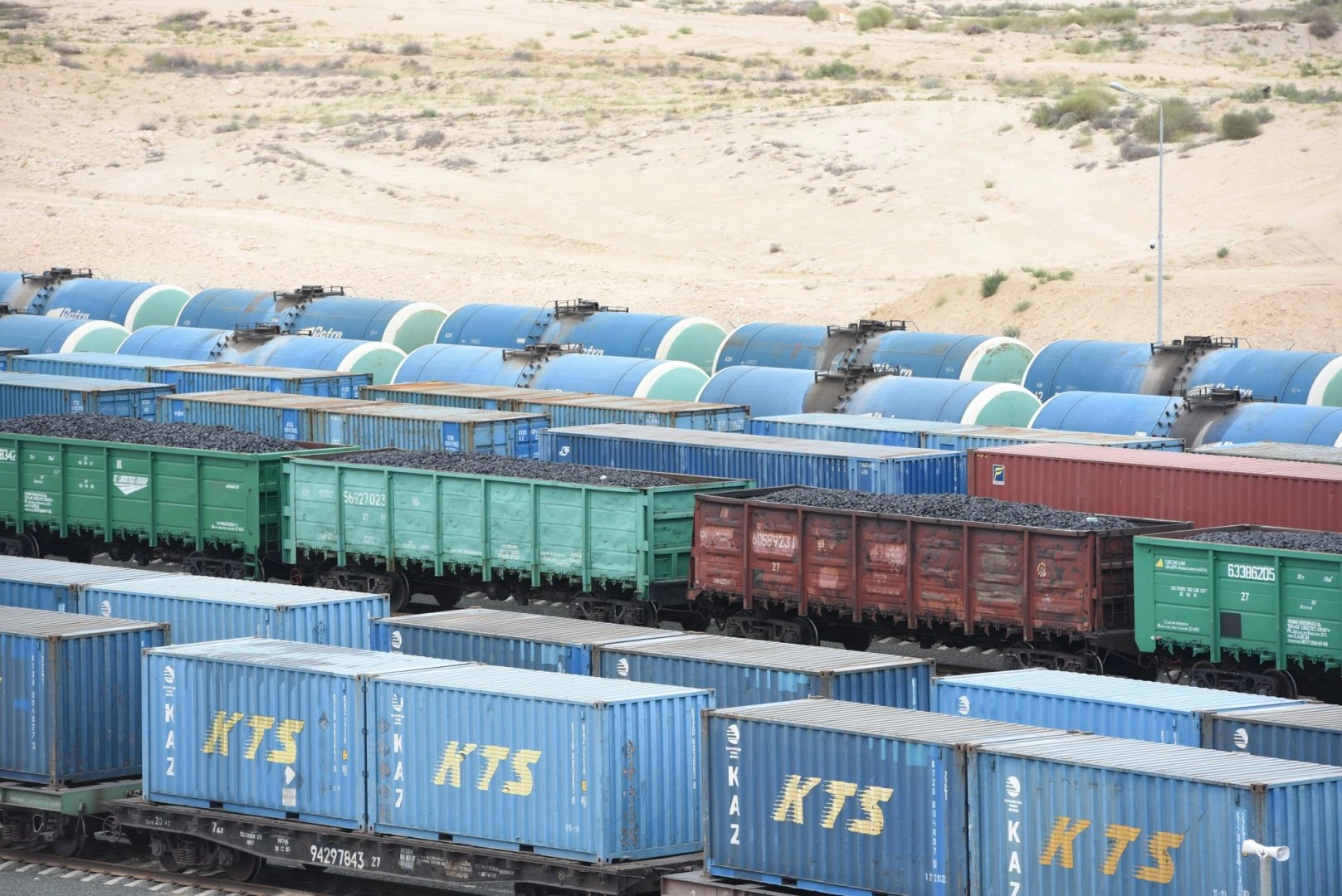
According to Kazakhstan Temir Zholy (KTZ), rail freight
transportation between Kazakhstan and Estonia increased 2.1 times
in 2025, reaching 382,400 tonnes. Exports amounted to 313,700
tonnes, up 2.6 times year-on-year, while imports totaled 29,700
tonnes, increasing by 30.2%.
The aviation investment program follows a similar approach,
combining upgrades at major airports with the development of
regional air infrastructure. Modernization of facilities in Almaty
and Shymkent is aimed at improving capacity at major transport
hubs, while new and restored airports in Zaysan, Katon-Karagai and
Kenderly could support regional connectivity and tourism
development.