Global geopolitics is shrinking. We are living in an era when the world is increasingly lacking leaders capable of thinking strategically and taking responsibility for their decisions. More and more often, the actions of the leaders who still consider themselves arbiters of the world's destiny evoke surprise rather than respect.
Political leaders now disavow their own statements with little hesitation, as grand promises are often not followed by meaningful action. Even military operations are increasingly taking on the character of political theatre. Otherwise, it is difficult to explain situations in which the dates of strikes are announced in advance, only for officials to later openly admit that the primary objective was not to achieve a military outcome, but rather to preserve credibility and demonstrate resolve.
At the same time, some states continue to wipe entire regions off the map and turn millions of people into refugees in their own homeland. This, too, is a sign of the decline of global geopolitics. The world seems to be growing accustomed to such lawlessness, against the backdrop of which human life is rapidly losing its value.
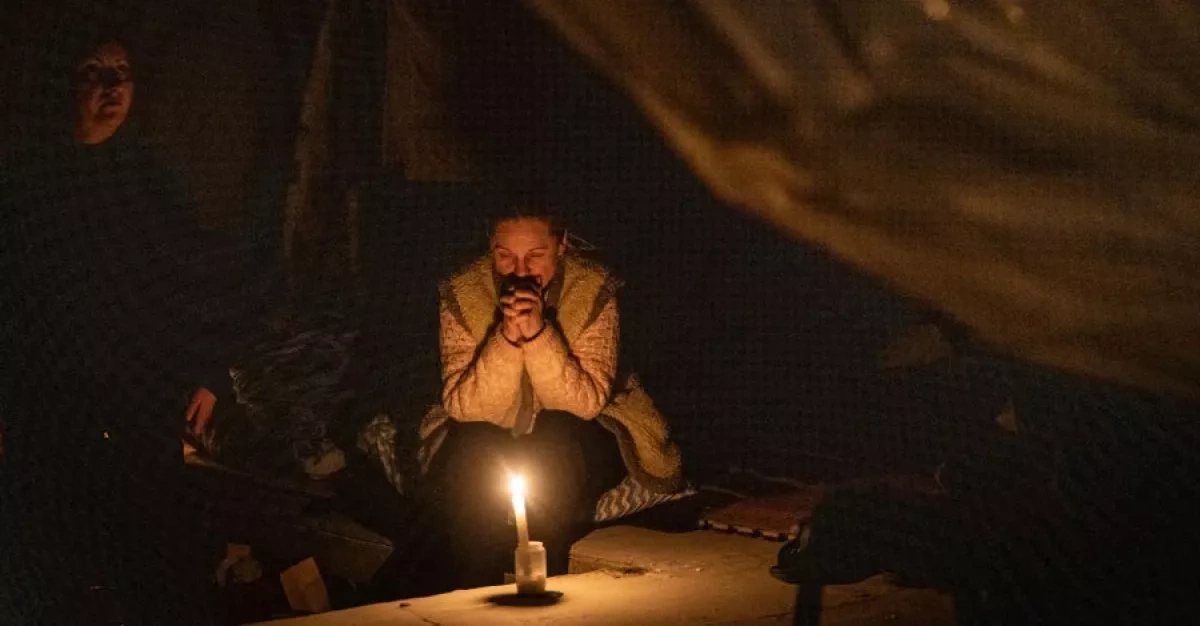
“And if they won’t take it, we’ll shut off the gas!” (from the Soviet comedy The Diamond Arm) — this phrase is more relevant today than ever. Vast numbers of people are being left without electricity, gas, water, and the means to make a living.
Against this backdrop, the world is busy debating the advantages of drones over tanks or the collapse of the much-touted “security umbrellas” that were being enthusiastically promoted just a few years ago. Rather than guaranteeing the security of individual states, these arrangements often contribute to their continuous exposure to attacks and bombardment.
As geopolitics diminishes, so too does global philosophical thought. Before our eyes, moral and ethical standards are eroding in politics, economics, and culture. The personal ambitions of certain political leaders increasingly overshadow rationality, pragmatism, and a realistic perception of reality.
Yet perhaps this rapid evolution of events in the direction described above is itself a vivid manifestation of the emerging new world order—one that is carving its
Yet, paradoxical as it may seem, it is precisely this course of events that allows us to discern the future trajectory of the world. And this is happening not because of the policies of states that have traditionally portrayed themselves as the most progressive actors and trendsetters in global geopolitics.
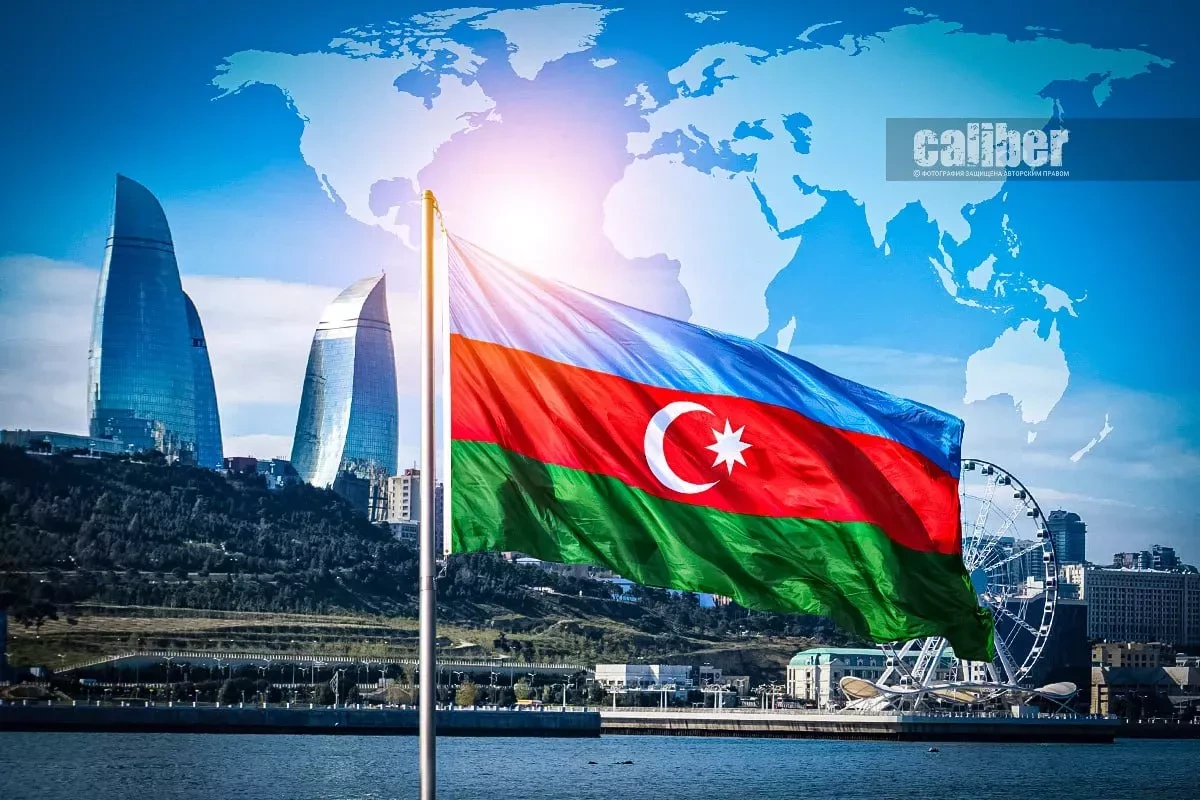
Today, new centres of power—commonly referred to as middle powers—are steadily moving to the forefront of the international stage. Among them, Azerbaijan stands out in particular. We can observe Pakistan’s confident efforts in helping to localise and manage tensions in the U.S.–Iran confrontation. We also see significant geopolitical initiatives undertaken by Kazakhstan, Uzbekistan, and a number of other states.
Azerbaijan’s distinctive approach, however, is especially noteworthy. Baku, having become a venue for some of the world’s largest international gatherings, is raising not only questions about the challenges facing humanity as a whole, but is also actively promoting the search for solutions to the crisis that has engulfed the world.
Major initiatives are also being carried out in other regions of the country, including the territories liberated from occupation.
The development of these lands demonstrates to the world that, at this stage of history, reconstruction and creation can prevail over conflict, hostility, and confrontation. Entirely new cities with modern infrastructure are being built from the ground up, while former internally displaced persons are returning to their homes.
Azerbaijan also offers hope to many other countries that the pursuit of historical justice remains possible even under current conditions, despite the fact that the so-called “powers that be” often attempt to disregard international law altogether.
Azerbaijan’s strength today is not based solely on Baku, its favourable geographical position, or its natural resources. There are many states in the world whose geographic position is significantly more advantageous, not to mention those that possess far greater energy resources, yet on the global scale, they have been left on the sidelines. The issue here is somewhat different.
Azerbaijan has not only formed its own vision of the world, based on the protection of national interests without harming third countries, but also consistently follows it, putting it into practice. Moreover, as practice shows, this is often done even in the interests of states that are still treated as colonies.
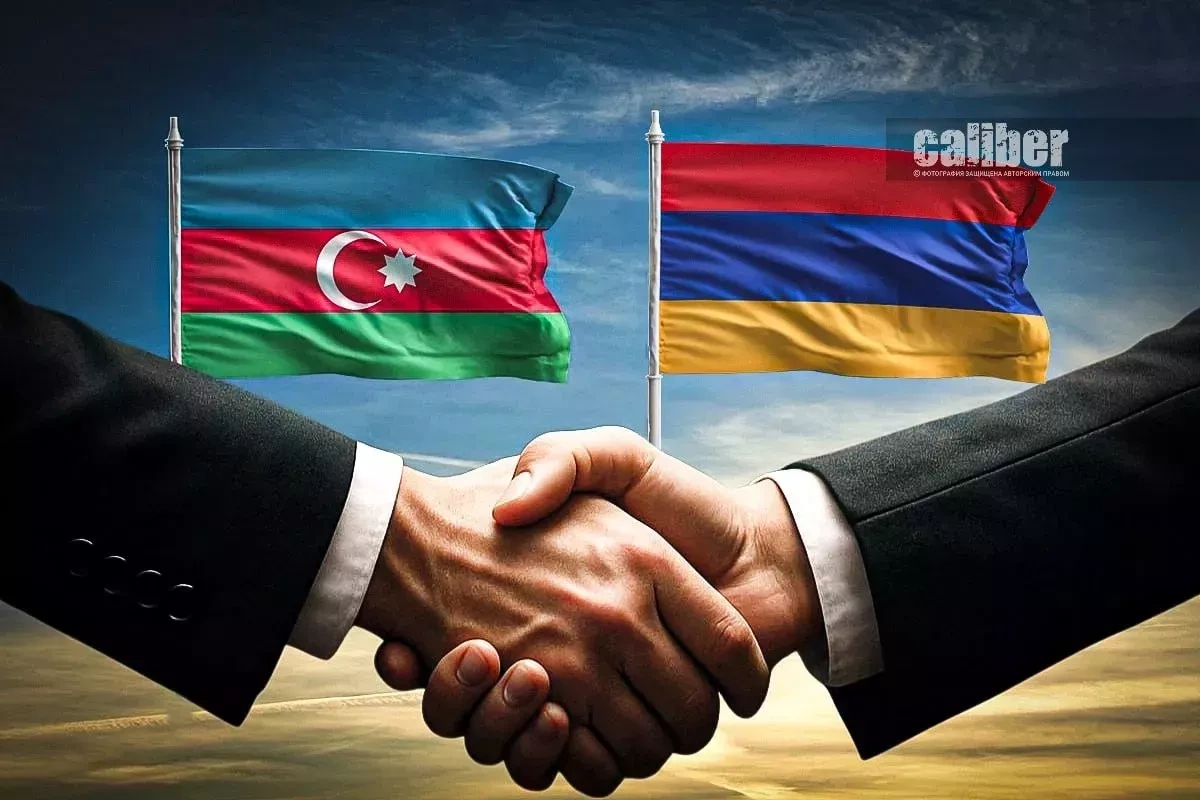
Azerbaijan’s unilateral steps toward Armenia, effectively aimed at assisting that country, demonstrate Baku’s geopolitical generosity. For the first time in modern history, a victorious state has extended a helping hand to a party that was defeated on the battlefield. Furthermore, certain results of the parliamentary elections held in Armenia have demonstrated how the peace-oriented regional agenda consistently promoted by Azerbaijan is becoming irreversible.
The ball is now in the Armenian court. All necessary steps on the Azerbaijani side have long been clearly outlined. It is now up to Yerevan to bring its constitution into line with the realities of the modern world and good-neighbourliness relations, by removing provisions that contain territorial claims against Azerbaijan.
We remain optimistic, as Azerbaijan’s example shows that even at the current stage of history, progress is possible—provided it is based on international law and constructive engagement, alongside steps to ensure security, defence capability, and stability in the region.
One can only hope that all interested external actors will come to recognise this phenomenon.