BAKU, Azerbaijan, June 10. Uzbekistan showcased
its environmental reform agenda and plans to expand circular
economy initiatives during a high-level ministerial session at the
international Zero Waste Forum 2026, Trend reports via the Uzbek National Committee
on Ecology and Climate Change.
The Forum was held in Istanbul under the theme “The Road to
Antalya: Zero Waste as Climate Action”.
Uzbekistan was represented by a delegation from the National
Committee on Ecology and Climate Change, which highlighted the
country's efforts to modernize waste management systems, promote
sustainable development, and accelerate the transition to a green
economy.
Speaking during the ministerial session, Uzbek representatives
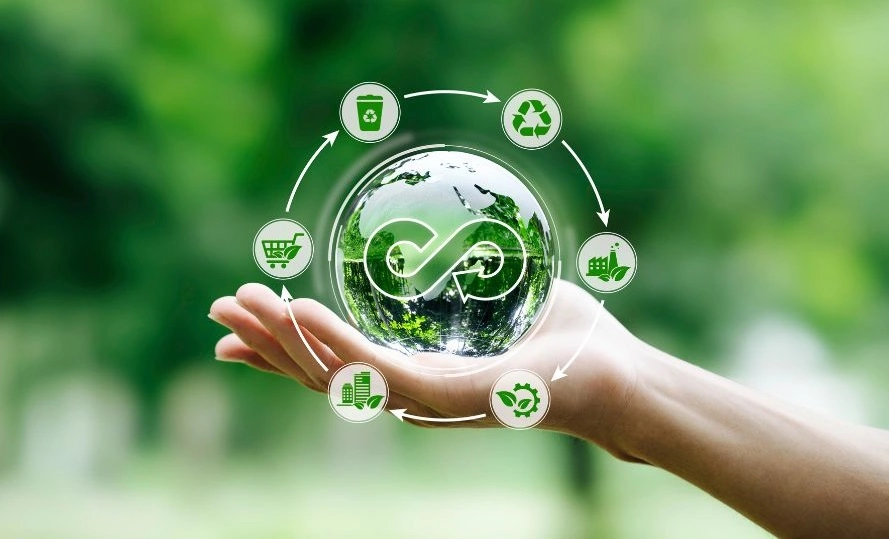
said the “Zero Waste” concept has evolved beyond a purely
environmental initiative and is increasingly viewed as a model for
sustainable economic development and technological
modernization.
The delegation emphasized that waste remains a major contributor
to environmental degradation, climate change, biodiversity loss,
and broader ecological challenges worldwide.
It was noted that waste management has become one of the
priority areas of Uzbekistan's environmental reform program under
President Shavkat Mirziyoyev. The country has been expanding the
use of circular economy principles, upgrading waste management
infrastructure, and developing waste-to-energy projects.
As part of these efforts, Uzbekistan plans to commission two
waste-to-energy plants this year, followed by nine additional
facilities in the coming years. Once fully operational, the
projects are expected to process up to 5.5 million tons of waste
annually while significantly reducing greenhouse gas emissions.
The Uzbek delegation also presented a number of proposals linked
to the global climate agenda and preparations for COP31, including
a shift from traditional waste disposal practices toward more
efficient resource utilization and greater use of digital
technologies and artificial intelligence in environmental
management.
Among the proposals was the creation of a regional digital
platform to monitor material life cycles and track recycling
volumes in real time across participating countries.
The importance of international environmental cooperation was
also underscored, noting that Uzbekistan's upcoming hosting of the
Eighth Assembly of the Global Environment Facility (GEF) and the
Eco Expo Central Asia 2026 exhibition in Samarkand reflects the
country's commitment to multilateral environmental diplomacy and
sustainable development.
On the sidelines of the forum, the Uzbek delegation held
meetings with senior representatives of UN-Habitat, UNCTAD, the UN
Technology Bank, and officials from Germany and Türkiye.
During talks with UN-Habitat Executive Director Anacláudia
Rossbach, Uzbekistan outlined the country's environmental reforms
and efforts to mitigate the effects of the Aral Sea crisis.
Discussions focused on sustainable development initiatives in the
region, afforestation projects on the dried seabed of the Aral Sea,
and the development of the Green University initiative.
The two sides also discussed the possibility of opening a
regional UN-Habitat office in Uzbekistan and agreed to begin
preparations for hosting the international World Cleanup Day
campaign in Samarkand in 2027.
In a separate meeting with UNCTAD Secretary-General Rebeca
Grynspan, officials discussed Uzbekistan's environmental
initiatives and cooperation on organizing an international waste
management forum in the country under UNCTAD's auspices.
Additional discussions with representatives from Germany,
Turkey, and the UN Technology Bank focused on reducing carbon
emissions, promoting sustainable transportation, facilitating green
technology transfers, and increasing the participation of women and
young people in environmental initiatives.
The meetings concluded with agreements to expand practical
cooperation and advance joint environmental projects aimed at
supporting climate resilience and sustainable development
goals.