BAKU, Azerbaijan, June 10. Economic growth does
not automatically translate into proportional increases in budget
revenues due to a range of external and internal factors, including
VAT refunds, oil revenue distribution rules, global energy prices,
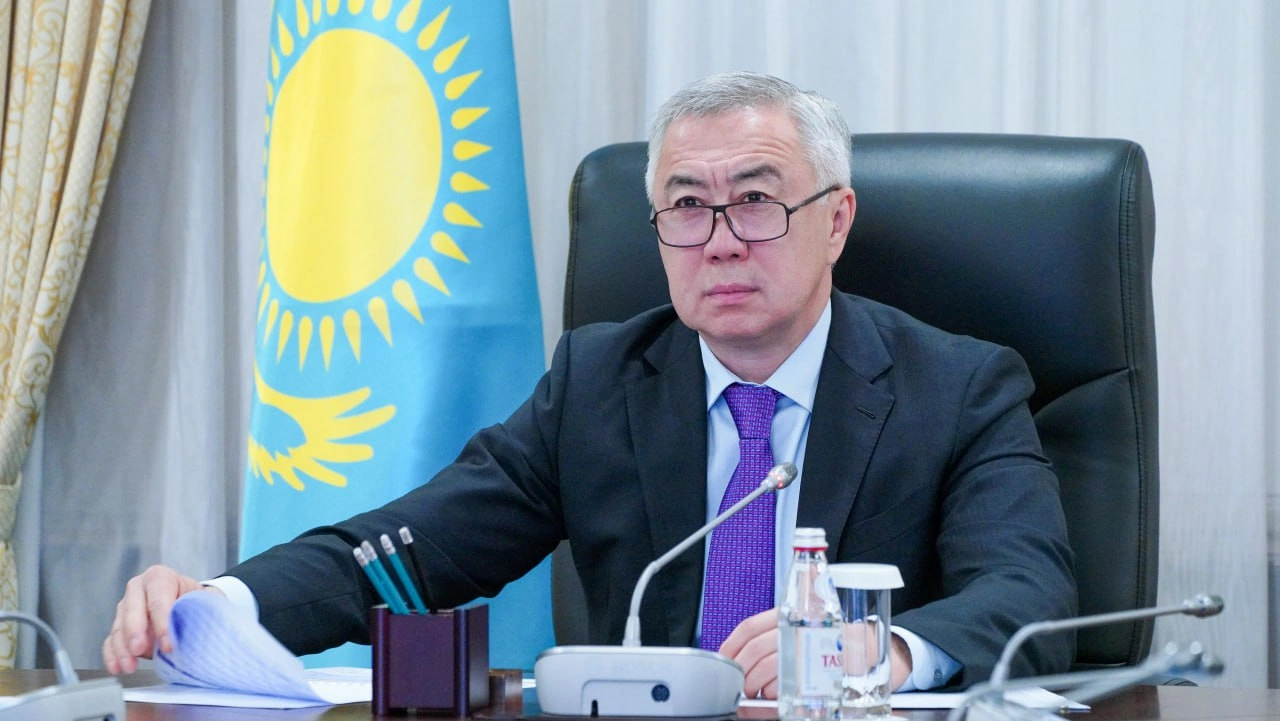
and exchange rate fluctuations, Deputy Prime Minister and Minister
of National Economy of Kazakhstan Serik Zhumangarin said during a
plenary session of the Mazhilis, Trend reports via the Kazakh government.
Responding to a parliamentary question regarding a reported
budget shortfall of more than 3 trillion tenge (about $6.1
billion), Zhumangarin noted that oil-sector revenues are fully
directed to the National Fund and are therefore not reflected in
republican budget tax collections.
“In 2025, VAT revenues amounted to 6.1 trillion tenge ($12.4
billion), which is 18% higher compared to 2024. However, we did not
meet the budget plan by 656 billion tenge ($1.3 billion). This is
because VAT refunds were planned at 877 billion tenge ($1.7
billion), but actually reached 1.354 trillion tenge ($2.7
billion),” he said.
The Deputy Prime Minister stressed that Kazakhstan’s investment
policy is implemented not only through the state budget but also
via development institutions and the quasi-public sector, in line
with international practice. He added that fiscal constraints under
budget rules require the government to stimulate both public and
private investment activity.
Zhumangarin also noted that from next year, heads of
quasi-public sector entities will report on performance results to
the government and parliament, strengthening accountability within
the state planning system.
Currency conversions are based on the official exchange rate of
the National Bank of Kazakhstan as of June 10, 2026, fixed at 1 USD
= 490.21 KZT.