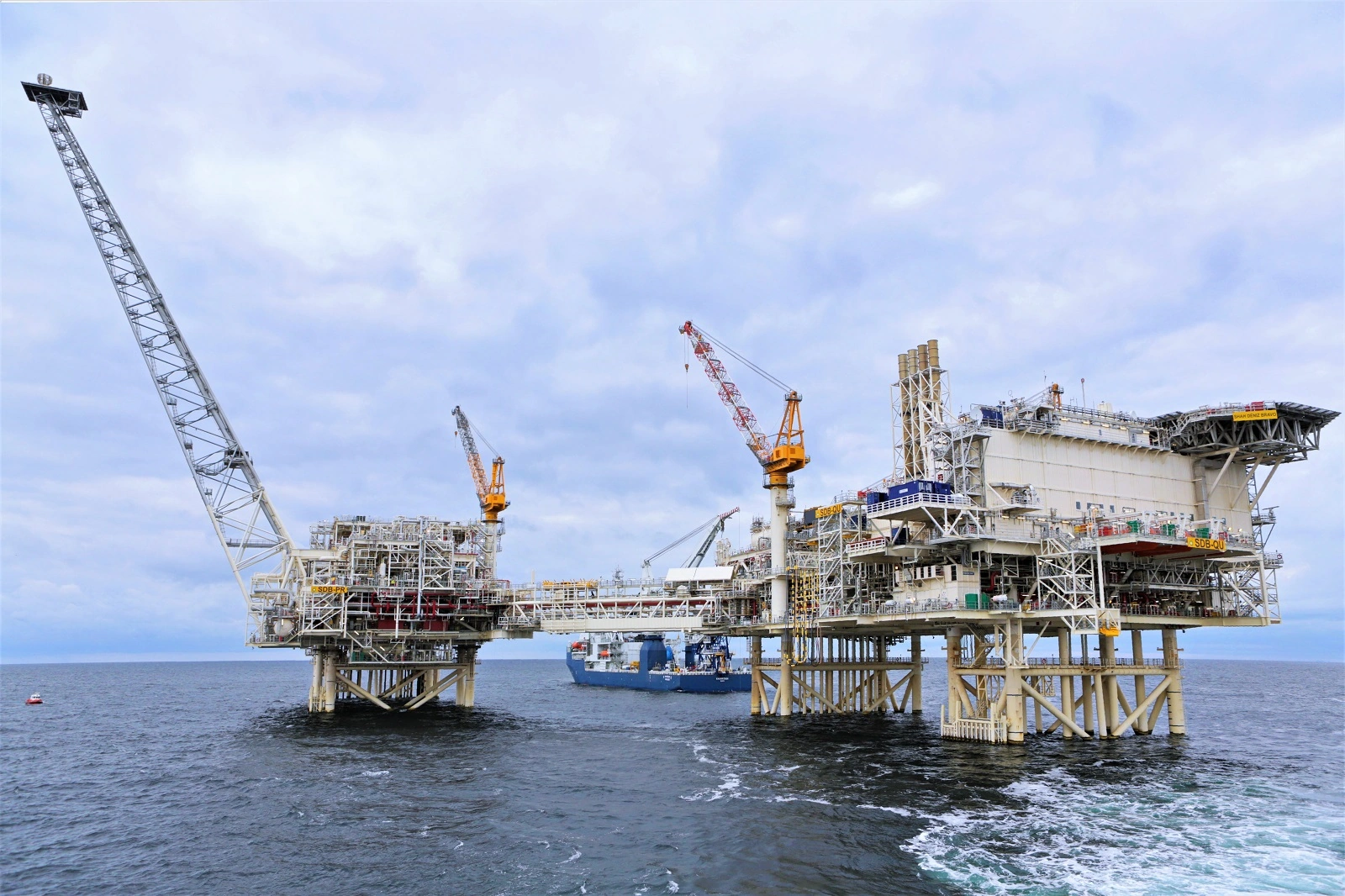
BAKU, Azerbaijan, June 4. Azerbaijan’s Shah
Deniz gas and condensate field is celebrating its 30th anniversary
in 2026.
30 years ago, on 4 June 1996, the Shah Deniz Production Sharing
Agreement (PSA) was signed in Baku between SOCAR and a group of
foreign companies. The PSA was ratified by Azerbaijan’s parliament
and became effective on 17 October the same year. The Shah Deniz
PSA was initially signed for 30 years and in December 2013 it was
extended up to 2048. Shah Deniz participating interests are: bp
(operator – 29.99%), LUKOIL (19.99%), TPAO (19.00%), SGC (16.02%),
NICO (10.0%) and MVM (5.00%).
Shah Deniz is located in the deep-water shelf of the Caspian
Sea, 70 km south-east of Baku, in water depths ranging from 50 to
600 metres. The giant field stretches out over 140 square
kilometres. It was discovered in 1999 – with approximately 1
trillion cubic metres of gas and 2 billion barrels of condensate
initially in place. Shah Deniz is one of the largest gas-condensate
fields in the world and the largest gas discovery ever made by
bp.
The discovery and development of Shah Deniz have underpinned
Azerbaijan’s increasing role as a major regional and international
gas supplier adding to the country’s oil and gas revenues for
decades to come. The project has brought the largest foreign direct
investment to Azerbaijan and further strengthened the country’s
economy. Azerbaijan has gained new onshore assets, offshore
facilities end export infrastructure – all built to international
standards using advanced technology.
For almost 20 years, Shah Deniz has proved to be a secure and
reliable supplier of gas to Azerbaijan, Georgia and Turkey through
the South Caucasus Pipeline (SCP). With the completion of the
Southern Gas Corridor (SGC) in December 2020, Shah Deniz has become
a new source of energy supply for Europe providing natural gas from
the Caspian to European customers thousands of miles away.
bp data reveals that in 2025, the field produced around 27
billion standard cubic metres of gas and about 4 million tonnes
(around 32 million barrels) of condensate in total from the Shah
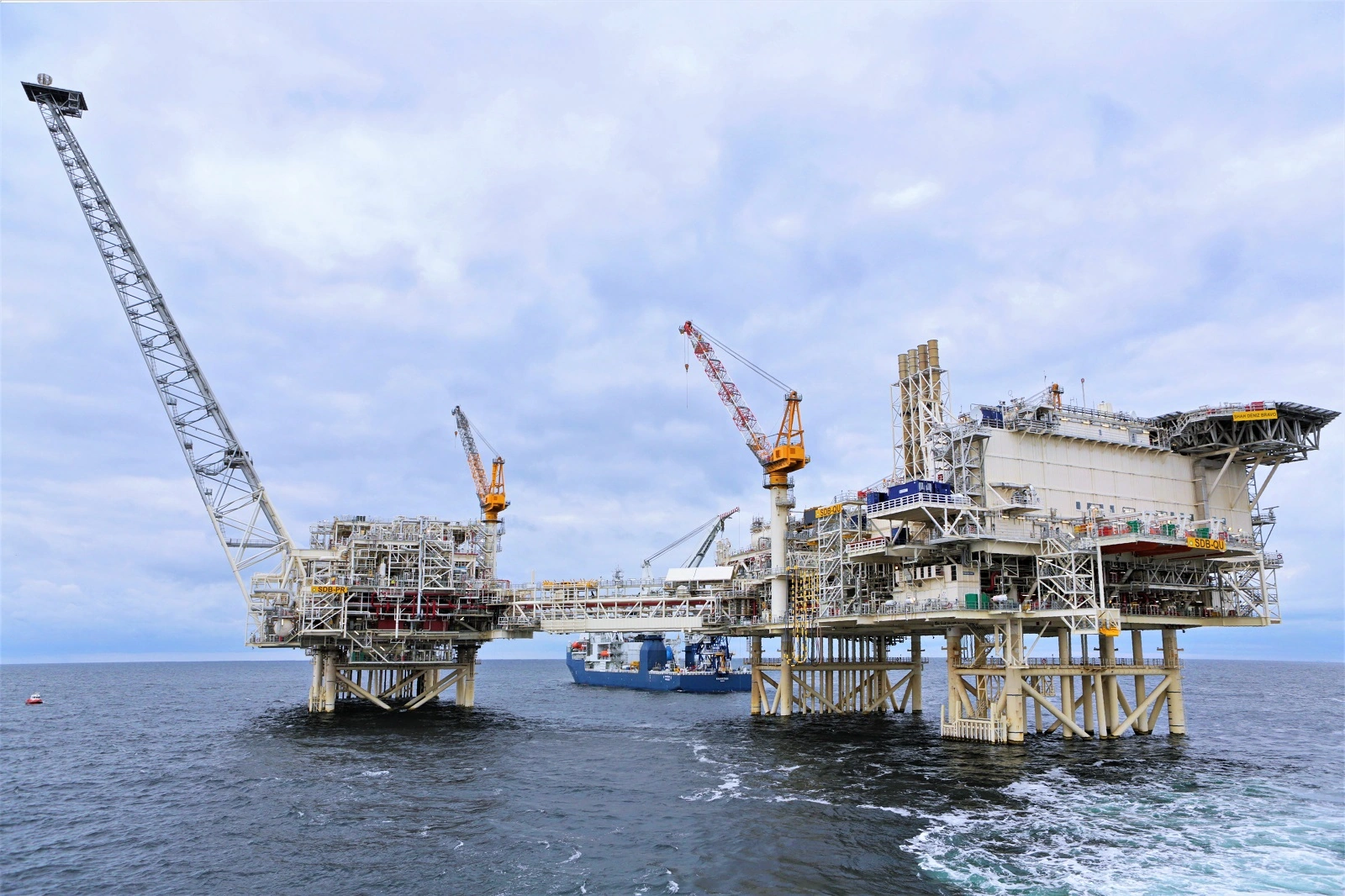
Deniz Alpha and Shah Deniz Bravo platforms.
Since the start of production till the end of 1Q 2026, Shah
Deniz produced 271 billion cubic metres of gas and about 53 million
tonnes of condensate.
Shah Deniz wells rank among the top in bp’s global portfolio,
with 17 of the company’s 20 highest-producing wells coming from the
field, underscoring its exceptional reservoir quality and
operational excellence. The current top producer Shah Deniz well
produces 28 thousand barrels of oil equivalent per day. A total of
34 wells – 11 on Shah Deniz 1 and 23 on Shah Deniz 2 – have been
drilled to date. Out of them, 32 wells are currently
producing.Around 271 bcm of Shah Deniz gas has been exported
through SCP and SCPx since 2006, including the domestic market.
Capital expenditure in the Shah Deniz project by the end of 1Q 2026
was $31 billion.
First production from Shah Deniz was achieved in 2006, reaching
its 20-year milestone this year. On 17 December 2013, the Shah
Deniz consortium announced the final investment decision (FID) for
the Shah Deniz 2 development. The second phase of the Shah Deniz
development came online in 2018.
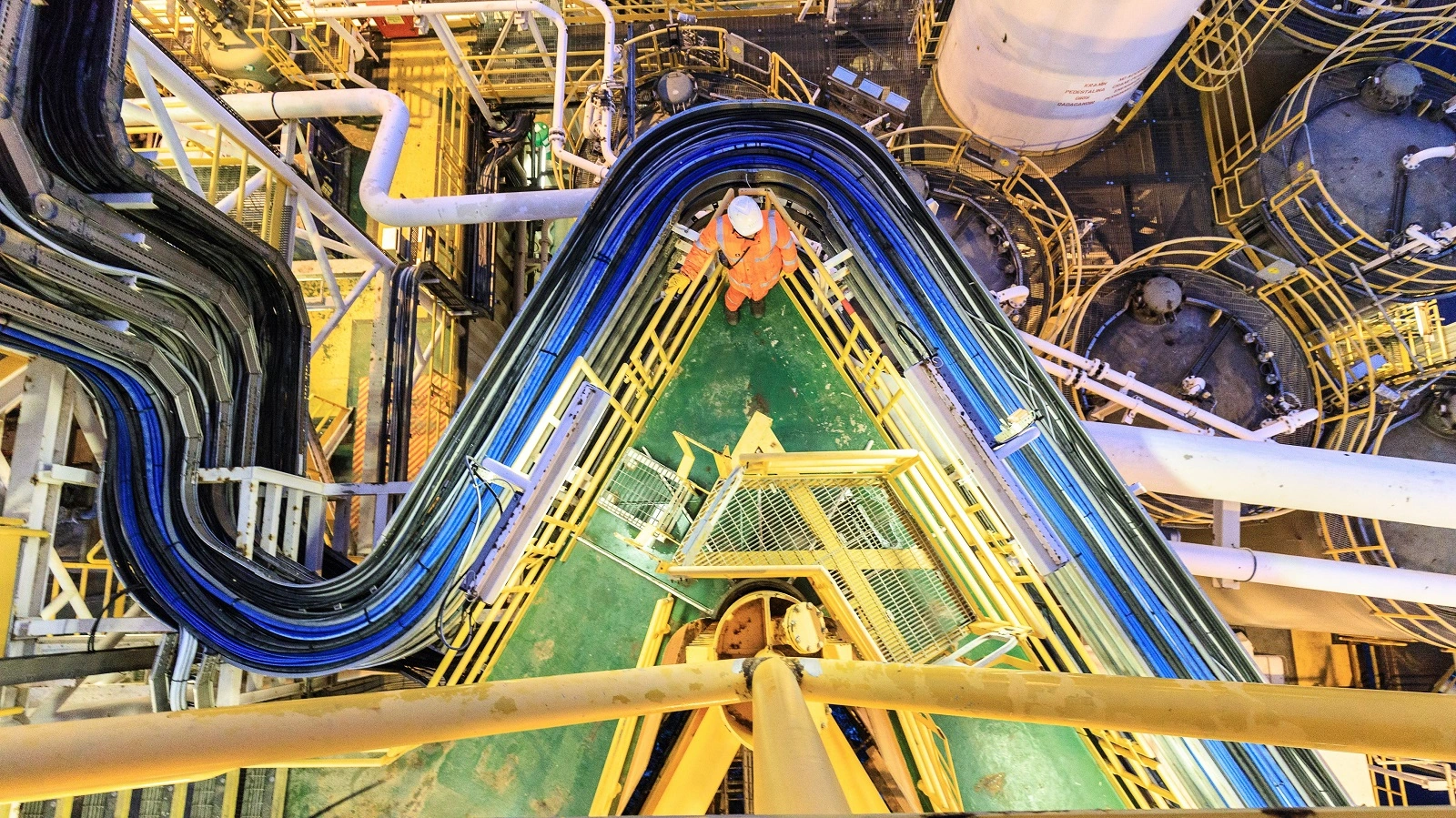
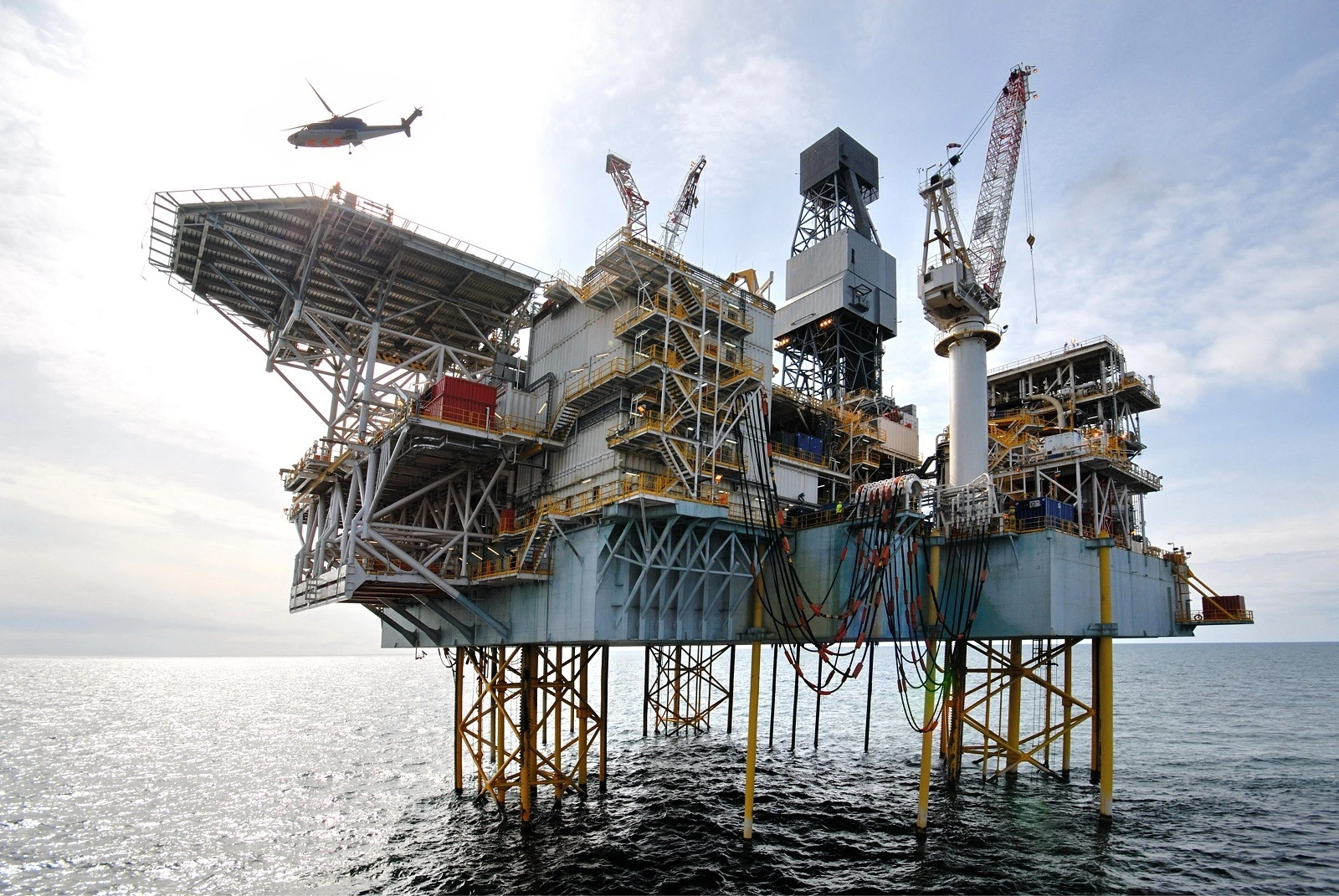
Offshore, the Shah Deniz 2 project includes 26 subsea wells,
500km of subsea pipelines and flowlines and a new bridge-linked
double platform. Shah Deniz 2 currently produces around 17 billion
cubic meters of gas per year. Together with output from the first
phase of development, total production from the Shah Deniz field is
around 27 bcma of gas and around 80,000 barrels of condensate a
day. Currently, Shah Deniz production capacity is over 76 million
standard cubic meters of gas per day or 28 bcma.
In total, 23 wells have been drilled for Shah Deniz 2, as of the
end of the first quarter of 2026. These include five wells on the
North flank, five wells on the West flank, four wells on the East
South flank, five wells on the West South flank and four wells on
the East North flank.
The next phase of development of Shah Deniz – Shah Deniz
Compression project (SDC) – was sanctioned in June 2025.
The $2.9 billion SDC project is designed to help access and
produce low pressure gas reserves in the field and maximize
resources recovery. It is expected to enable around 50 billion
cubic metres of additional gas and approximately 25 million barrels
of additional condensate production and export from the field. The
project involves installation of a new compression facility – an
electrically-powered unmanned compression platform, or Normally
Unattended Installation (eNUI), and several associated facilities
offshore in the Shah Deniz contract area. Additionally, it
encompasses brownfield works to be undertaken at the Shah Deniz
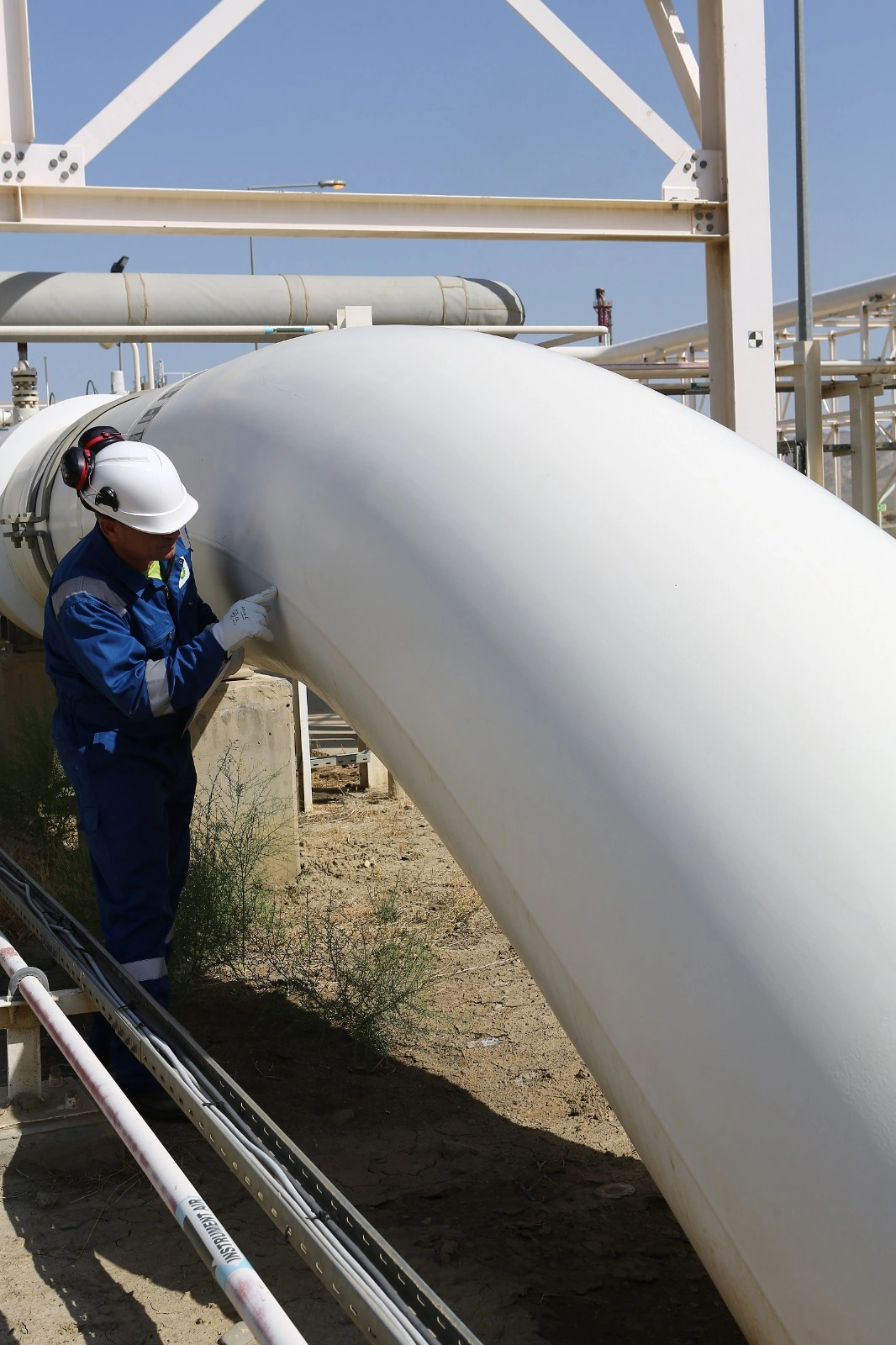
Alpha and Bravo platforms, as well as at the Sangachal
terminal.
Construction works for the SDC project are currently progressing
safely and on schedule, with around 30% completion.
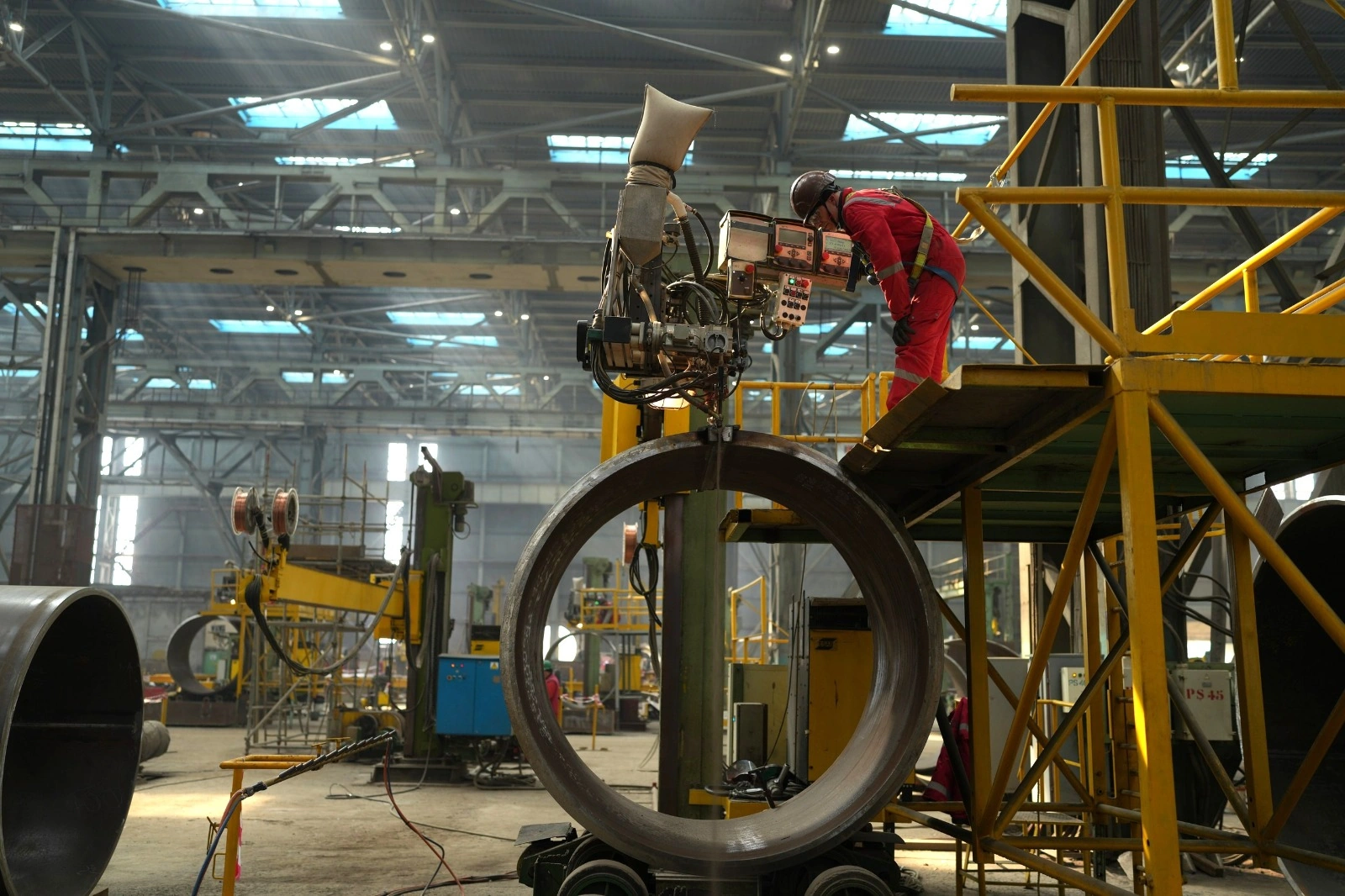
During the first quarter of 2026, fabrication of the SDC
platform topsides and jacket advanced as planned at the Bayil
fabrication yard and the Heydar Aliyev Baku Deepwater Jackets
Factory, with solid progress on primary steel and structural
components. It is expected that the construction works will be
completed in 2029 for the facility to be ready to receive first gas
for compression from the Shah Deniz Alpha platform in 2029 and from
the Shah Deniz Bravo platform in 2030.
Shah Deniz has had an excellent safety record and, as an
environmentally sound project, it has conducted around 16
Environmental Impact Assessments and 98 offshore, onshore and
near-shore monitoring surveys since start.