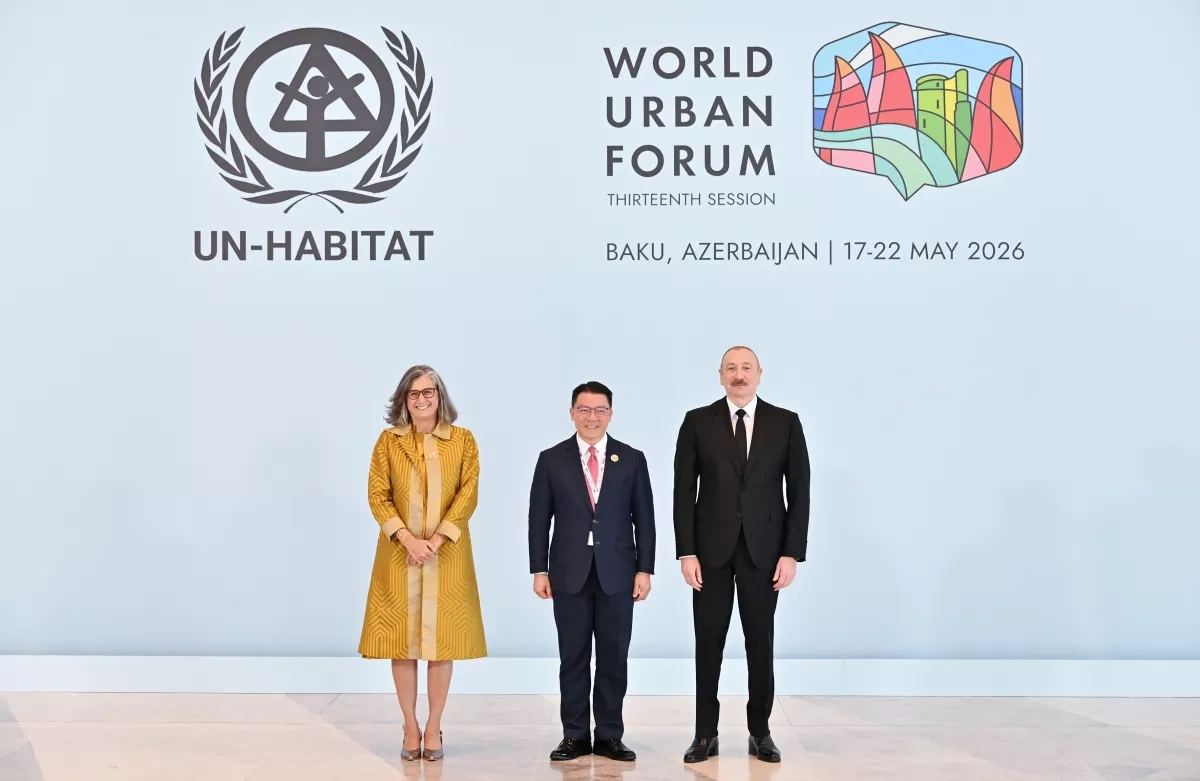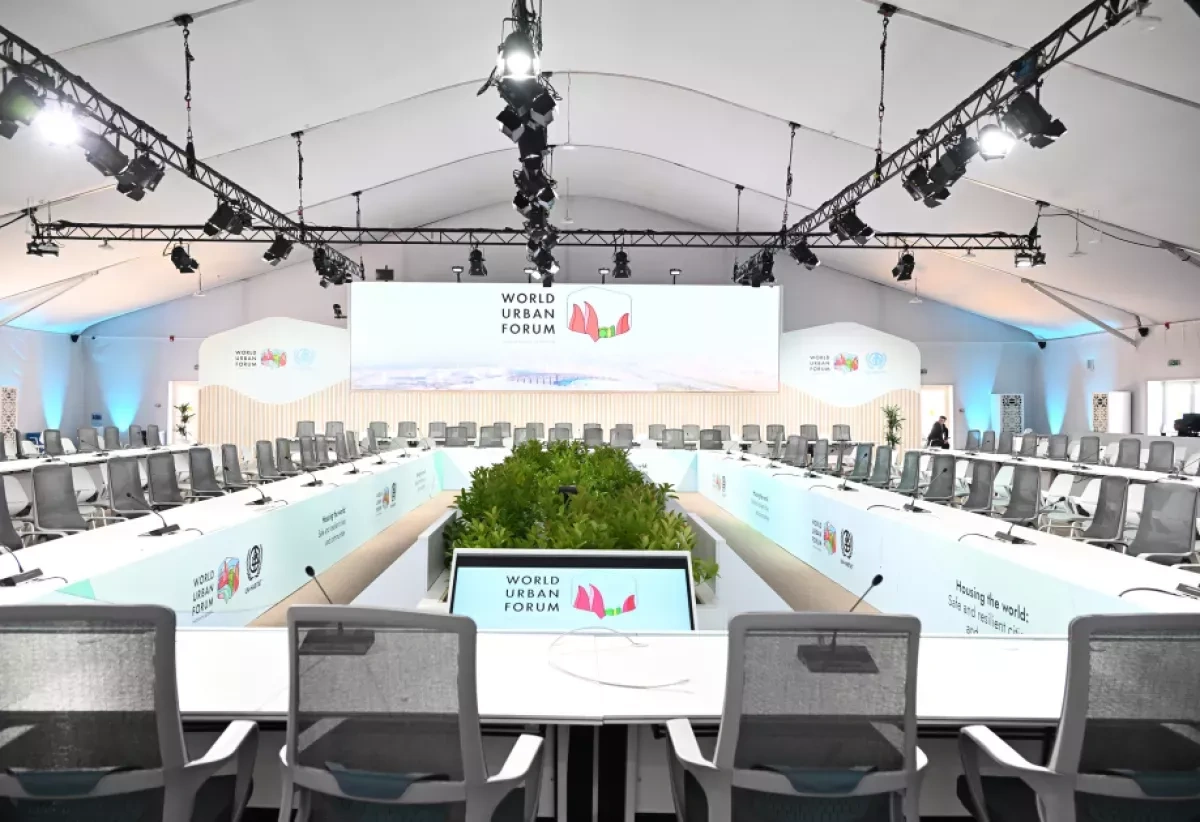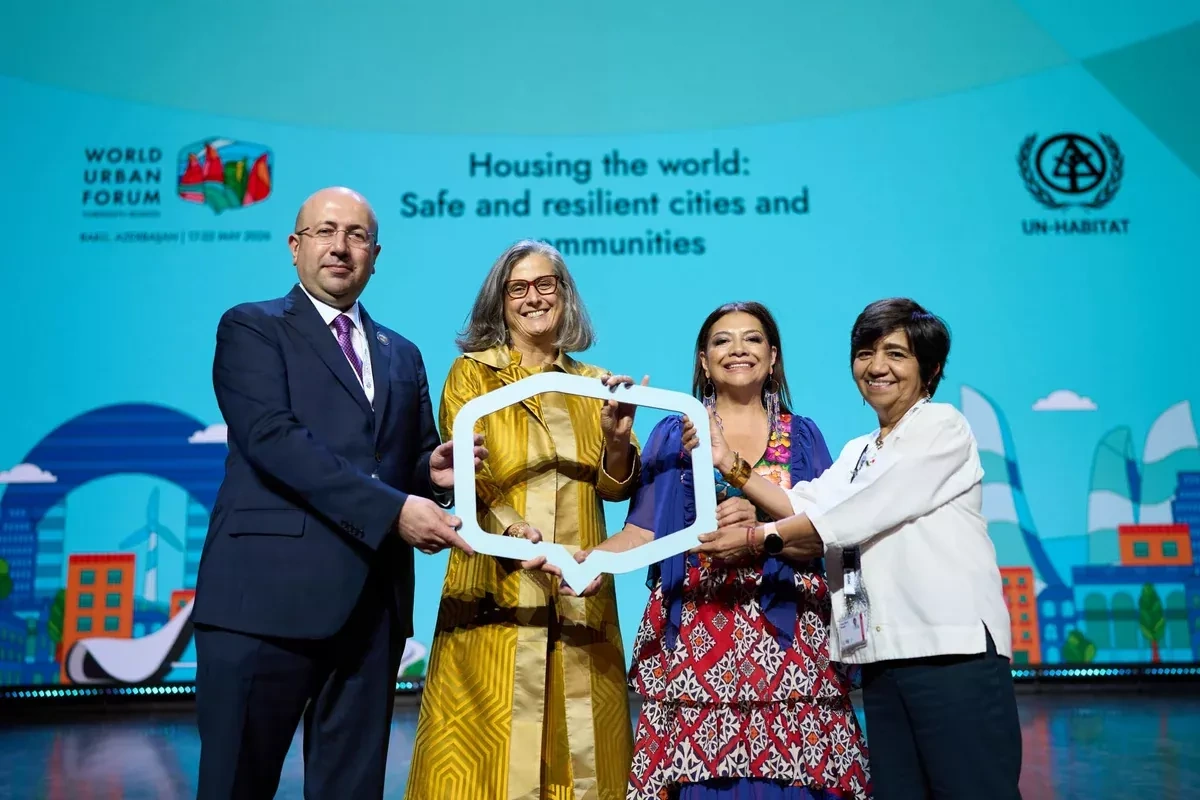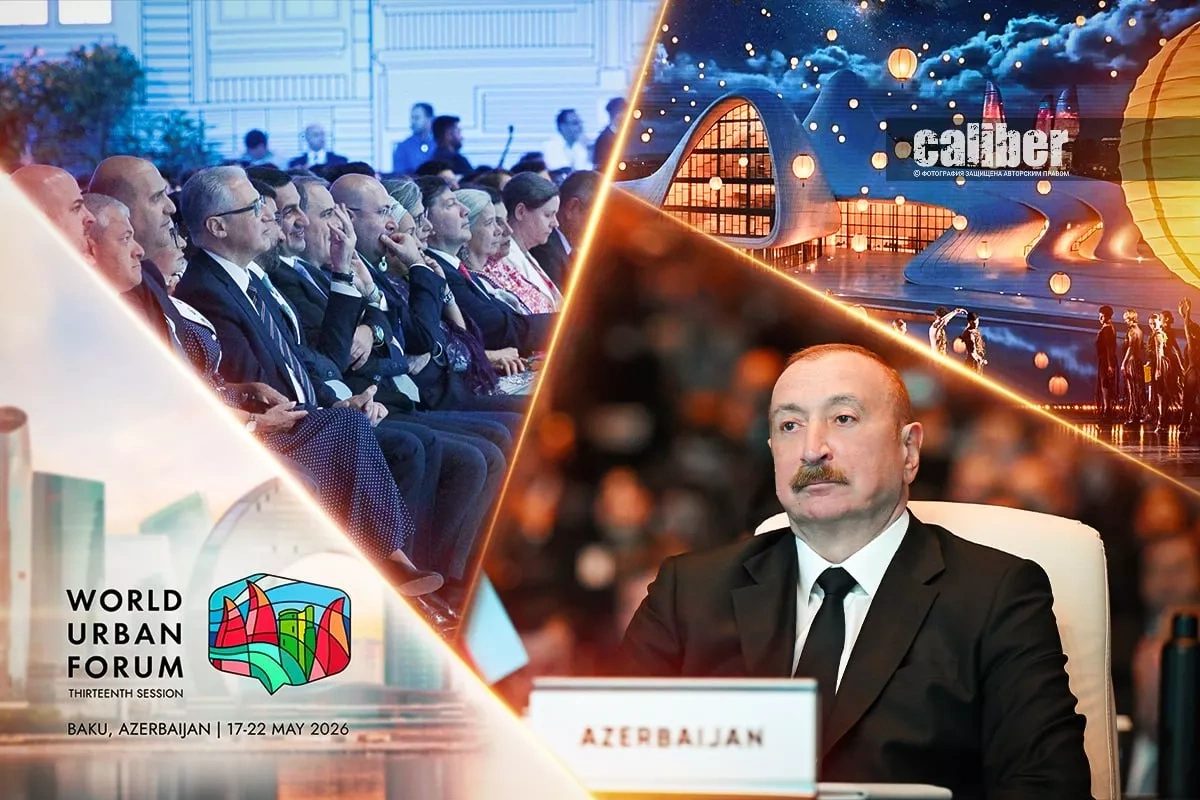
Today in Baku, the closing ceremony of the 13th session of the World Urban Forum — WUF13 — took place, marking the end of several days of work that, by all formal indicators, became record-breaking: 57,000 participants from 176 countries around the world — a figure roughly twice the average attendance of previous forum sessions and surpassing the record set in Katowice, Poland.
The record attendance in itself proves nothing — people attend prestigious events because it is fashionable, or because the international organisation pays for the trip. The substantive question is different: “Why did 57,000 people engaged in urban planning, housing policy, and sustainable development come specifically to Baku, rather than gather in standard venues such as Vienna or Nairobi?” And the first answer is that Azerbaijan presented an experience that others do not have.
In the five years since 2020, the country has been building the infrastructure of an entire region from scratch. At the time of liberation, almost the entire territory of Karabakh and Eastern Zangezur lay in ruins — three decades of occupation had destroyed nine cities, hundreds of villages and settlements. Reconstruction began without a pause for planning; it proceeded in parallel with construction. Energy infrastructure was prioritised first, followed by housing.
Some 307 megawatts of hydropower capacity have been commissioned, while another 340 megawatts of solar power stations are under construction. 70 out of 75 kilometres of tunnels have been completed, and 435 out of 500 bridges have been built. 85,000 people have returned to their ancestral lands. The state programme is called the “Great Return,” and behind it are not declarations, but concrete addresses.
The international urban planning discourse has long developed the concept of the “smart city” — a digital management infrastructure integrated into the urban fabric from the moment the foundation is laid, rather than added on top of Soviet-era housing blocks. In practice, this concept has almost nowhere been implemented in its pure form: it is simply too expensive to rebuild what already exists.
Azerbaijan, however, has found itself in a rare situation — territories without existing development, where the concepts of “smart city” and “smart village” can be applied from the ground up, without having to adapt to inherited infrastructure. It is precisely this experience that the country presented to participants of WUF13 as a subject of study, rather than as a reason for self-congratulation.
In the “Chair’s Summary,” adopted following the ministerial meeting attended by representatives of around 70 countries, Azerbaijan’s post-conflict reconstruction experience is explicitly described as a model applicable in similar situations. This is not the wording of the host country — it is an assessment by peers.
The forum also left an institutional legacy. At the initiative of Baku, the “Baku Urban Award” was established — a permanent mechanism for promoting best practices in sustainable urban development. A letter of intent between the State Committee for Urban Planning and Architecture of Azerbaijan and UN-Habitat envisages the joint development of operational standards for future WUF sessions, based on the experience of the forum held in the Azerbaijani capital.
In essence, Baku is positioning itself to set a methodological benchmark — not only to host the event, but also to reshape its standards for future host cities.
A separate point worth noting is what happened on May 18: for the first time in WUF history, a “Leaders’ Statement” session was included in the programme. 27 heads of state and government spoke on a single platform with a thematic focus on urban development. This is not a protocol innovation — it represents a shift in the political weight of the issue. Urbanisation, as a subject of discussion among leaders rather than only housing ministers, means that the problem has moved from the technical register to the strategic level. Azerbaijan created this precedent.
All of this unfolds against another dimension of Azerbaijan’s presence on the international agenda — the energy one.
The Southern Gas Corridor supplies natural gas to 16 countries, 12 of which are in Europe. Ten European Union member states receive Azerbaijani gas. After 2022, when the European market urgently began restructuring its supply chains, Baku was already prepared: the infrastructure had been built in advance, and new fields were being brought online.
The diversification of transport corridors, pursued by the Azerbaijani state over two decades, now appears not as caution, but as a strategic calculation validated by circumstances.
WUF13 became the second largest international event hosted by Azerbaijan after COP29, the climate summit held in Baku in November 2024. Two events of this scale in a single country within a span of one and a half years are not a coincidence. It reflects a consistent position: Azerbaijan is ready not only to participate in global discussions, but to serve as a platform where they take place, and as a provider of substantive solutions, not merely logistical capacity. The difference between these two roles is significant. Many countries are able to host forums; far fewer arrive at them with practical experience capable of reshaping the agenda.
The closing ceremony of WUF13 recorded a tangible outcome. The “Baku Call to Action” — the forum’s final document — will be incorporated into the midterm review process of the UN New Urban Agenda. The organisational standards developed with the participation of the Azerbaijani side will be applied at future sessions. The cities of Karabakh and East Zangezur will continue to be built. Gas will continue to flow to Europe. The next forum will take place in another city — with Baku’s standards on the organisers’ table.