The World Health Organization (WHO) has raised the risk level of a potential national outbreak of the Bundibugyo strain of Ebola in the Democratic Republic of the Congo (DRC) to “very high,” warning that the virus’ capacity for rapid spread has significantly altered the outlook of the outbreak, Reuters reports.
The strain, for which no approved vaccine or treatment currently exists, was declared an emergency of international concern by the WHO on May 17.
“We are now revising our risk assessment to very high at the national level, high at the regional level, and low at global level,” WHO Director-General Tedros Adhanom Ghebreyesus told reporters.
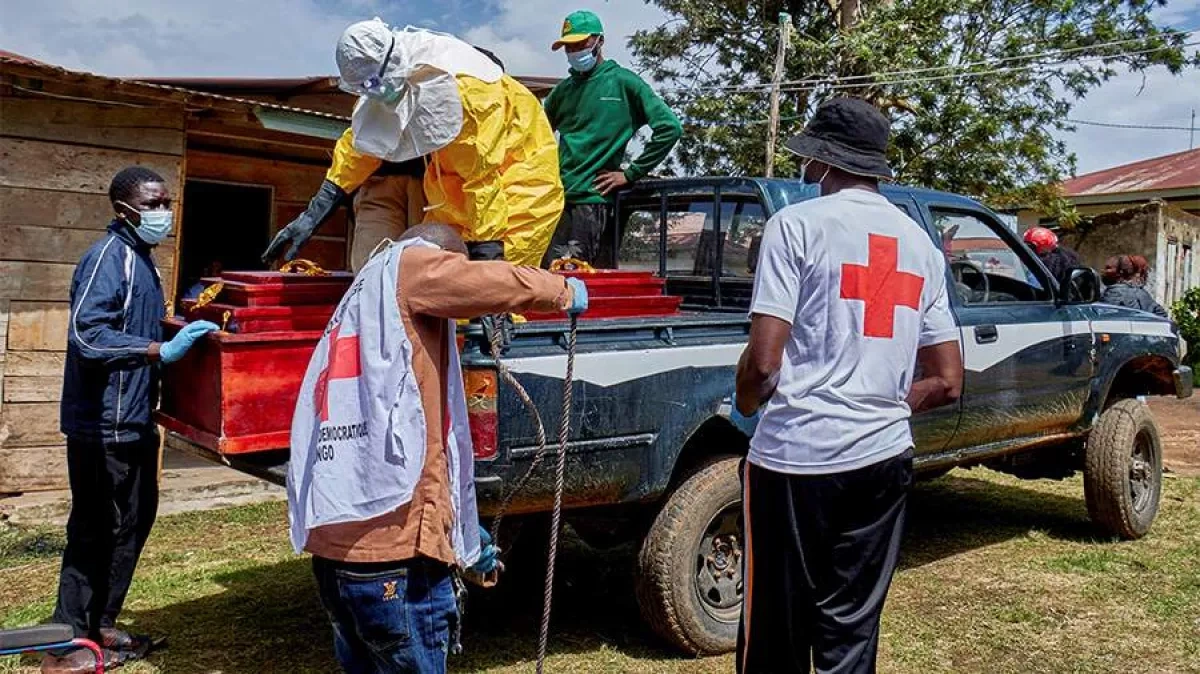
So far, 82 cases have been confirmed in the DRC, including seven confirmed deaths, alongside 177 suspected deaths and nearly 750 suspected cases. The situation in neighbouring Uganda remains stable, with two confirmed cases among individuals who had travelled from the DRC — one of them fatal.
“The potential of this virus spreading rapidly is high, very high, and that changed the whole dynamic,” said Abdirahman Mahamud, WHO Director of Health Emergency Alert & Response Operations.
WHO officials said containment measures in Uganda, including intensive contact tracing and the cancellation of a mass gathering, appear to have helped limit further transmission.
Tedros also confirmed that a US national working in the DRC tested positive for Ebola and was transferred to Germany for treatment. He added: “We are also aware of reports today about another American national with a high-risk contact who has been transferred to the Czech Republic.”
Meanwhile, WHO Chief Scientist Dr. Sylvie Briand said an experimental antiviral treatment, Obeldesivir, could be considered for use among contacts of infected patients to prevent disease development. The drug is an oral antiviral originally developed by Gilead Sciences for COVID-19.
“This is a promising treatment drug, but it has still to be implemented under a very, very strict protocol,” Briand said.
Health authorities continue to monitor the outbreak closely as concerns grow over its potential trajectory within the region.
By Vafa Guliyeva