BAKU, Azerbaijan, May 22. Women operate as the
fundamental leaders of post-conflict reconstruction, grassroots
peacebuilding, and long-term social resilience, meaning that
metropolitan and regional recovery cannot finish with basic
physical infrastructure, Member of the Milli Majlis (Parliament) of
Azerbaijan Sevinj Fataliyeva said, Trend reports.
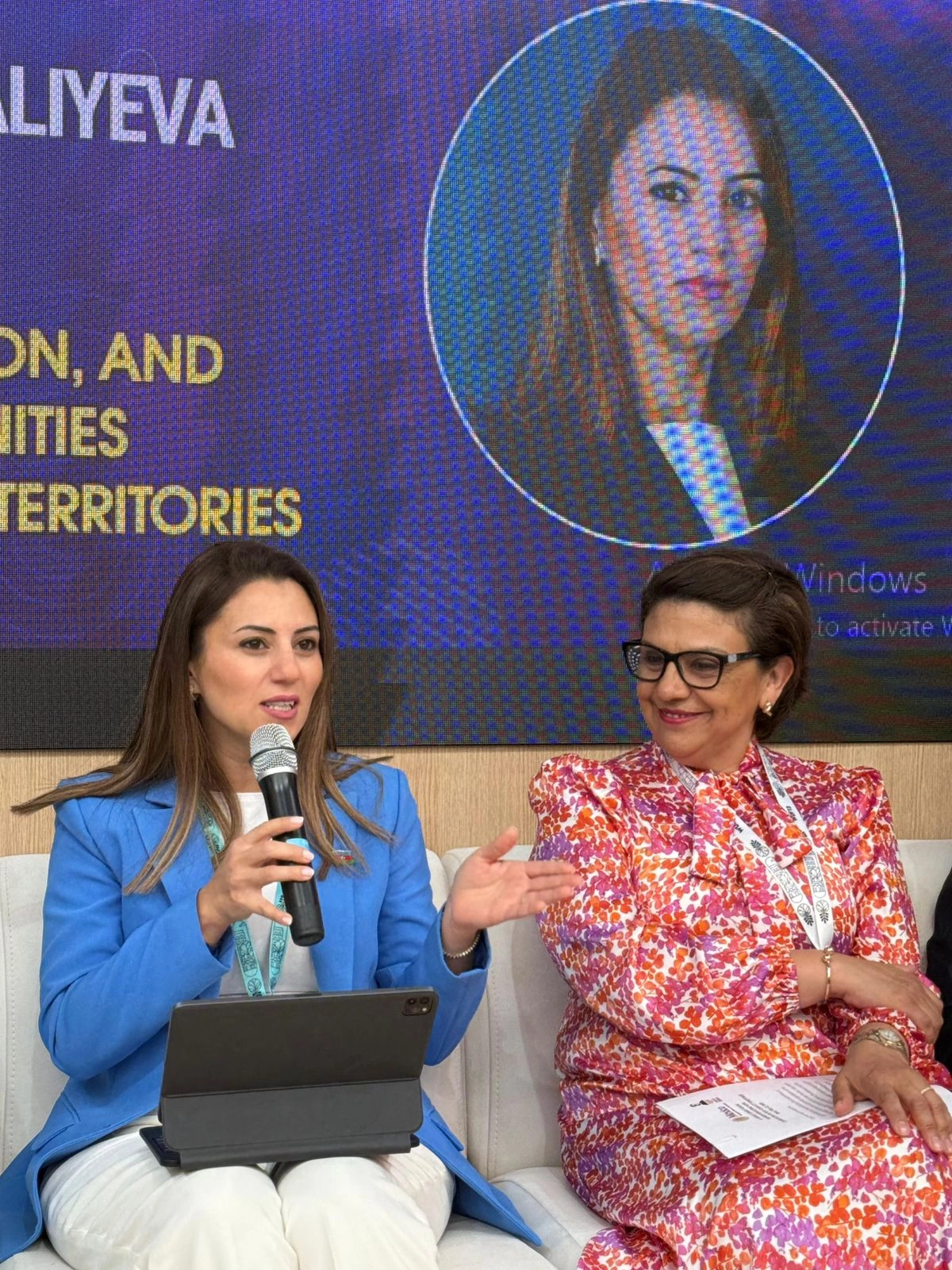
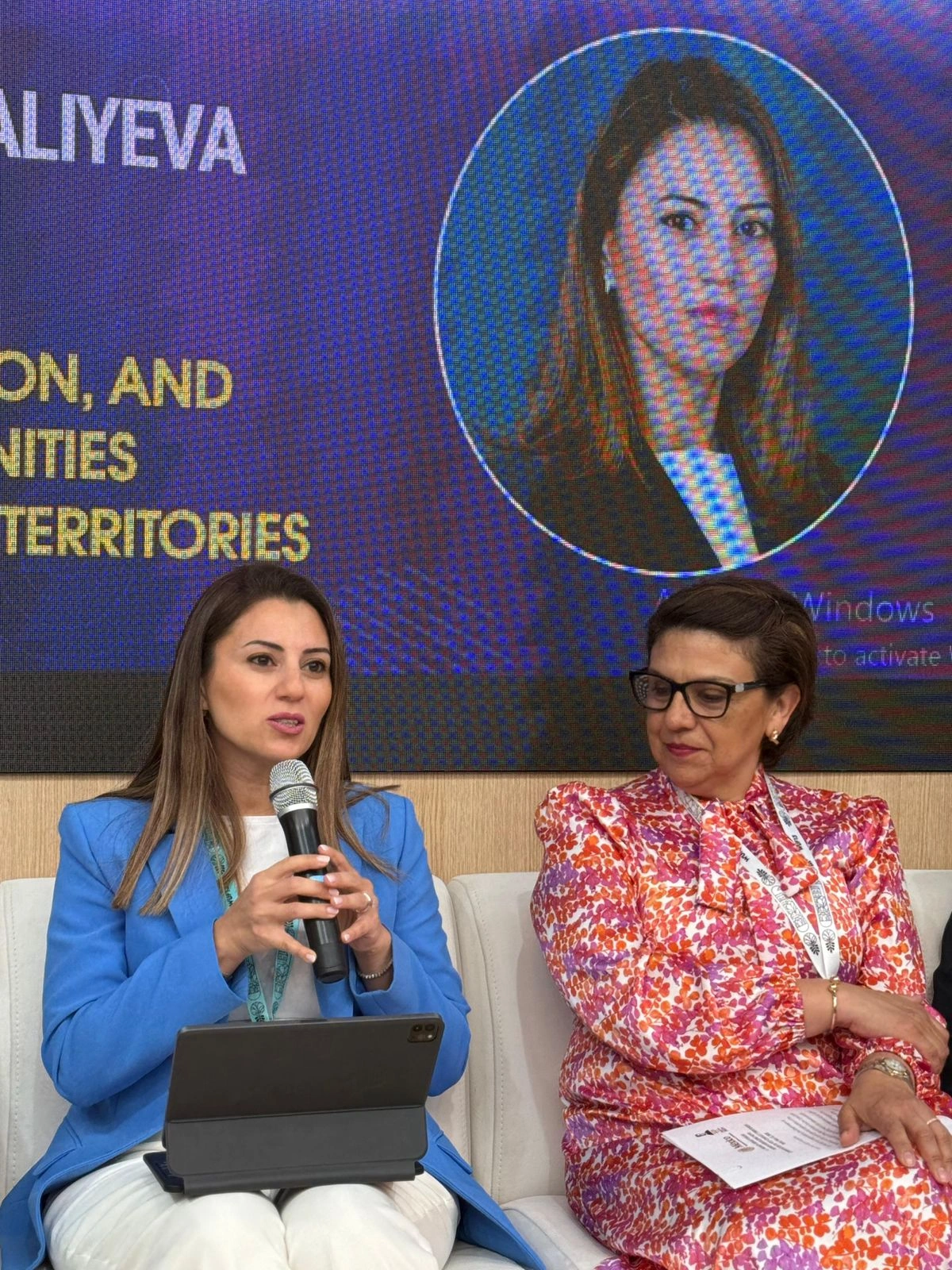
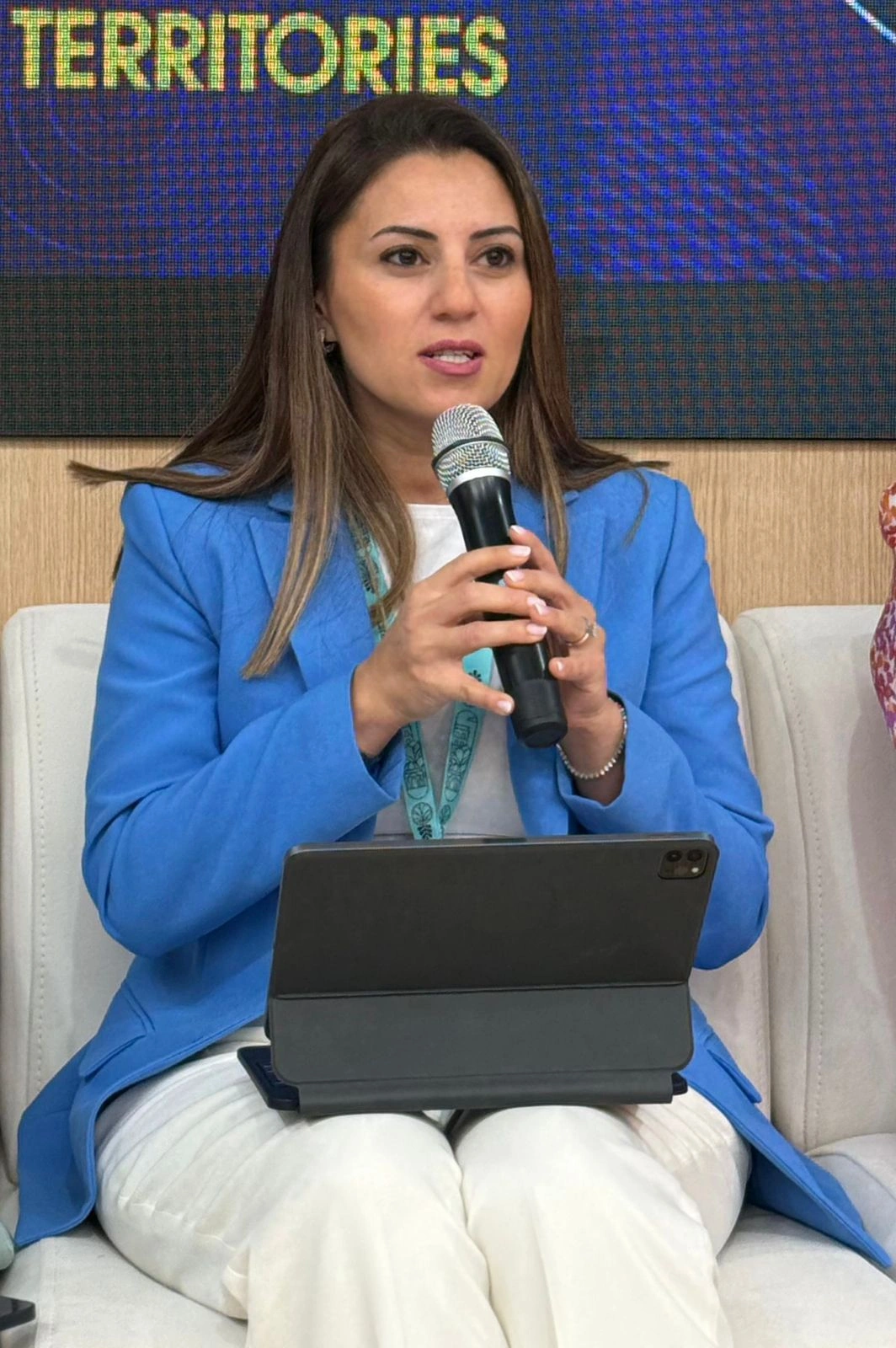
She the remarks during a high-level panel discussion titled
"Women Rebuilding Hope: Housing, Inclusion, and Resilient
Communities in Post-Conflict Territories," held within the
framework of the 13th session of the World Urban Forum (WUF13) in
Baku.
According to her, modern structural recovery in areas navigating
the aftermath of armed conflicts and humanitarian crises must look
far beyond building roads and residential blocks.
"True post-conflict recovery centers primarily on restoring
normal daily life, mutual trust, a profound sense of physical
safety, and collective hope. Very frequently, it is women who step
forward as the first to activate this critical process," Fataliyeva
pointed out.
The MP emphasized that within post-conflict societies, women
absorb immense structural responsibilities, managing familial
protection, safeguarding children and elderly citizens, and
preserving core educational and cultural ties under exceptionally
harsh field conditions.
"While formal state institutions are still undergoing rebuilding
cycles, women are already reviving communities step by step, family
by family. For this reason, women must never face classification
exclusively as passive victims of conflict or mere recipients of
humanitarian aid. Women stand as active leaders of systemic
reconstruction and peacebuilding," she stated.
Fataliyeva reminded the panel that this paradigm anchors the
international security agenda, noting that the United Nations
Security Council Resolution 1325 explicitly mandates the
full-scale, non-symbolic participation of women across all stages
of peace processes and post-conflict governance decision-making
loops.
The address directed specific analytical focus toward the deep
intersection connecting UN Sustainable Development Goal 5 (Gender
Equality) and Sustainable Development Goal 11 (Sustainable Cities
and Communities).
"Metropolitan areas cannot achieve true resilience if women and
girls do not feel secure in them, or if they undergo exclusion from
municipal design processes. When we exclude women from urban
master-planning, society wastes half of its available talent,
ideas, and structural potential. Conversely, centering women as
architects, urban planners, engineers, and municipal executive
leaders creates safer, more inclusive environments for everyone,"
the parliamentarian underscored.
Turning to the comprehensive reconstruction of Azerbaijan’s
liberated territories, Fataliyeva outlined how the country is
engineering a brand-new model of regional development from
scratch.
"For Azerbaijan, this macro-project bypasses the mere rebuilding
of what was destroyed. We are deploying smart cities and smart
villages equipped with advanced digital technologies, green energy
solutions, and modern infrastructure," she noted, citing the
targeted sustainable development models operating in Aghali
(Zangilan district) and Fuzuli.
However, the MP re-emphasized that the absolute benchmark of
successful recovery remains the sustainable return of formerly
displaced populations to their ancestral lands.
"True recovery activates not when the physical roads are paved,
but when families return, when children play safely in municipal
spaces, and when women gain access to high-quality employment,
digital education pipelines, and entrepreneurial capital. This
human layer forms the baseline of long-term regional stability,"
Fataliyeva declared, adding that women simultaneously serve as
vital drivers of the green energy transition and ecological
responsibility at the community layer.
She also expanded on the global post-crisis concept of "Building
Back Better."
"Building back better means engineering substantially more
inclusive, humanistic, and resilient societies where every
individual feels protected, heard, and valued. Inclusive urban
recovery is fundamentally an exercise in peacebuilding. By
rebuilding our cities, women do not just restore physical masonry;
they restore trust, communities, and most importantly, hope," she
concluded.