BAKU, Azerbaijan, May 22. The United Nations
World Urban Forum (WUF13) was highly inclusive in both its
organization and implementation, and civil society actively
participated in the forum, accounting for 12% of the total number
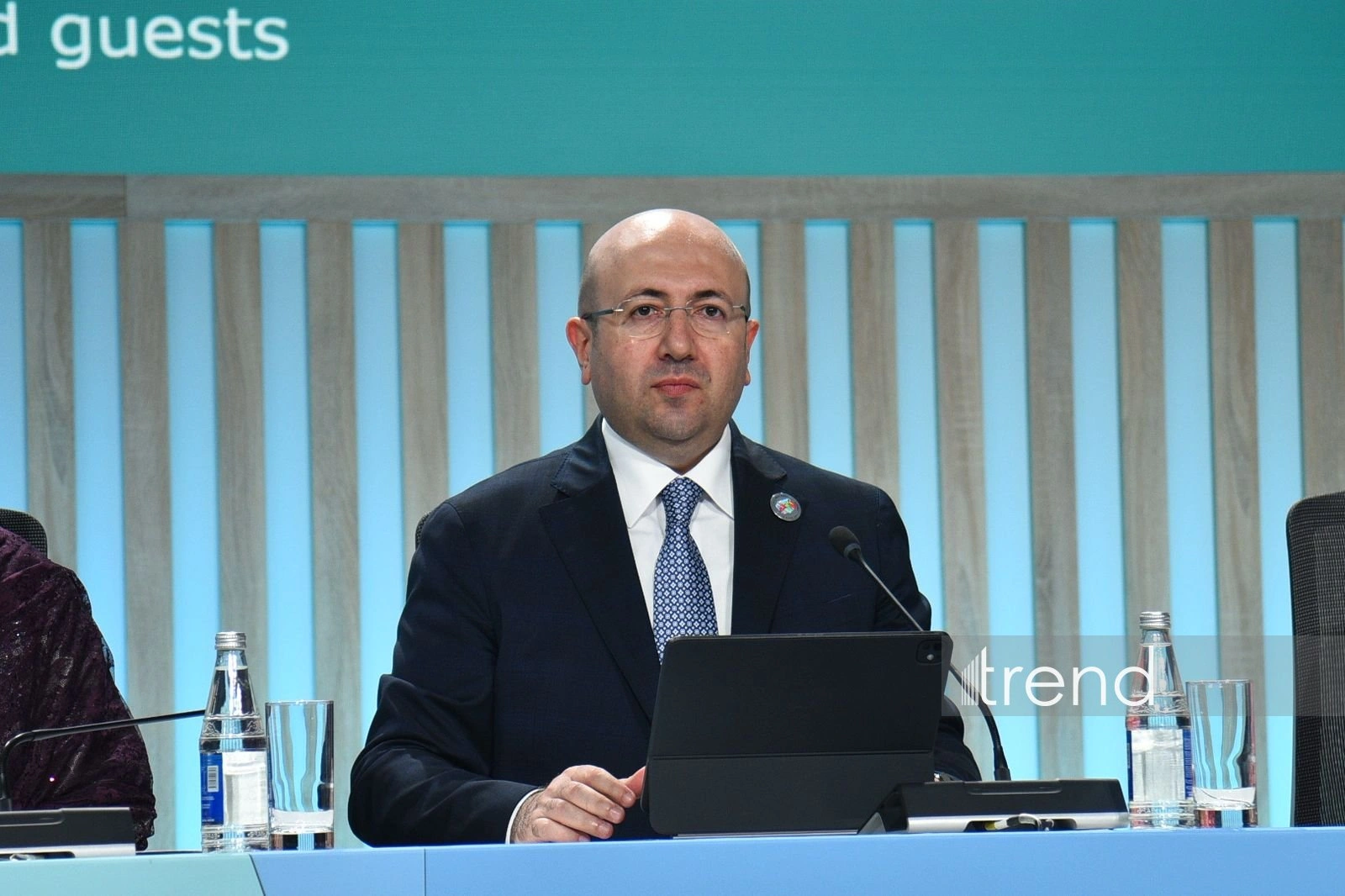
of participants, Chairman of the State Committee for Urban Planning
and Architecture and National Coordinator of WUF13 Anar Guliyev
said, Trend
reports.
He made the remark during the official closing ceremony of the
13th session of the United Nations World Urban Forum (WUF13) in
Baku.
Guliyev emphasized that the creation of the Business and
Innovation Center strengthened cooperation with the private sector,
investors, and startups and enhanced the role of innovation in
urban transformation:
“It is encouraging that the private sector accounted for 13
percent of participants. The Forum has once again demonstrated that
urban transformation is more effective when governments,
communities, and partners work together.”
Furthermore, Guliyev added that one of the most impressive parts of
WUF13 was the “Urban Expo” zone:
“Covering more than 10,000 square meters of exhibition space,
the exhibition featured 260 organizations from 81 countries with
122 booths and pavilions. It brought together governments,
universities, civil society organizations, public agencies, and the
private sector, as well as startups and innovative
initiatives.”
The 1,500-square-meter Azerbaijan Pavilion showcased the
country’s path to urbanization under the theme “From Vision to
Action—Together with People.” The pavilion showcased cultural
heritage, sustainable planning, “smart cities,” housing policy,
tourism, and restoration work in the liberated territories.
Approximately 30 events were held in the pavilion, attended by
around 1,500 local and international participants.
The committee chair noted that an NGO Forum was organized for
the first time as part of WUF13:
“Bringing together about 800 participants from more than 100
countries, the forum highlighted the role of civil society, local
communities, and public initiatives in building an inclusive and
people-centered urban future. As part of the forum, at the
initiative of Azerbaijani NGOs, the Baku Declaration on Sustainable
Urban Development and Global Cooperation was adopted. The document
was signed by 441 civil society representatives from 82 countries
participating in WUF13.”
The Azerbaijan Pavilion hosted 59 events, attracting
approximately 3,000 local and international participants. The
Global Platform of Southern NGOs Pavilion hosted about 30 events,
bringing together 1,500 participants.
WUF13 extended far beyond the conference hall. More than 115,000
people took part in discussions on sustainable urban development at
55 events held in nine cities as part of Baku City Week and the
Forum Festival. The forum also attracted widespread attention from
the global media: it was attended by more than 1,000 accredited
media representatives.
He added that youth participation was also a key feature of
WUF13:
Some 2,500 volunteers helped organize and successfully host the
forum. This demonstrated the professionalism, hospitality, and
dynamism of Azerbaijani youth. Their participation is considered
one of the most valuable legacies, contributing to knowledge
exchange, skills development, and the active participation of youth
in global urban processes.”