Master plans for the majority of cities in Azerbaijan have already been updated as part of the country’s ongoing urban development strategy, according to officials.
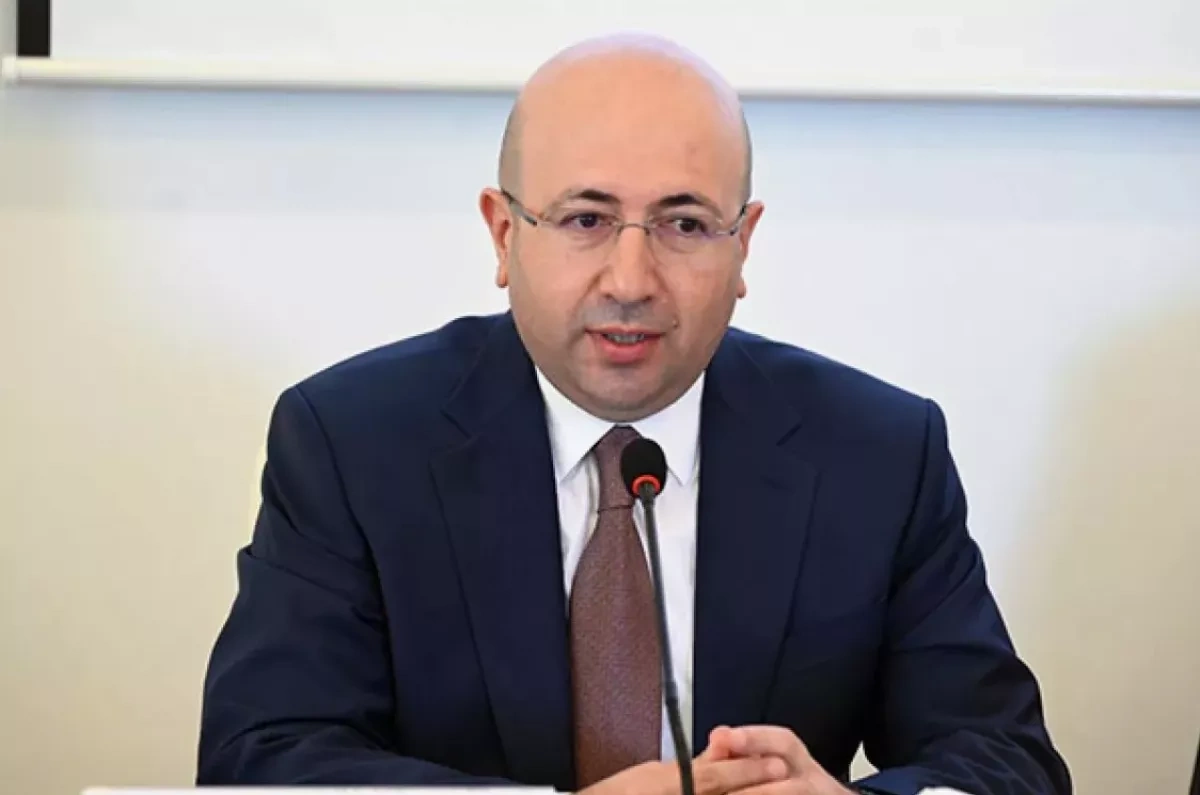
As reported by a Caliber.Az correspondent, the remark was made by the Chairman of the State Committee on Urban Planning and Architecture of Azerbaijan, Anar Guliyev.
“Today, the general plans of 68 out of 79 cities have been updated, while the remaining 11 are still under development. The Baku Master Plan until 2040 is a clear example of this new planning philosophy, promoting a polycentric and compact urban model, integrated public transport, pedestrian accessibility, urban regeneration, and high-quality public spaces,” Guliyev said on May 17 during a ministerial roundtable on the progress of the new urban development programme.
According to Guliyev, Azerbaijan has simultaneously strengthened construction legislation, building standards, and urban planning regulations, while fully digitising construction permitting processes.
“Housing provision also remains a central pillar of our urban policy. Since the establishment of the State Housing Construction Agency in 2016, more than 12,000 families have benefited from affordable housing projects, and tens of thousands have gained access to mortgage financing through below-market pricing mechanisms,” he stressed.
Guliyev also noted that under the “Great Return” programme, Azerbaijan has invested around $14.7 billion in infrastructure and housing in the liberated Karabakh and East Zangezur regions over the past five years, with total investment expected to reach $18 billion by 2028.
“These projects combine smart infrastructure, renewable energy sources, sustainable land use, and digital management systems. According to the new spatial planning documents, more than half of the territory of the region is designated as green zones. To ensure the effective implementation of the ‘Great Return’ programme, the government has established a special institutional framework, including the institution of special presidential representatives in the liberated territories,” Guliyev added.
In addition, Guliyev stated that Azerbaijan is also rapidly advancing in the development of renewable energy sources. In 2025, Azerbaijan and the British energy company BP signed an agreement to construct a 240-megawatt solar power plant in Karabakh.
The Garadagh Solar Power Plant (the largest operational solar power plant in Azerbaijan and the Caspian region — ed.), designed in partnership with Masdar, is expected to generate around 500 million kilowatt-hours of electricity annually, while the Khizi-Absheron Wind Power Plant project, implemented by ACWA Power, will become the largest wind energy project in the region. In total, these initiatives are expected to increase the share of renewable energy in Azerbaijan’s energy mix from 13% to nearly 38%.
Guliyev also stated that Azerbaijan plans to launch a package initiative titled “Smart Sustainable Settlements for Safe Return” at WUF13 in support of internationally recognised standards of sustainable recovery and reconstruction.
By Kheyraddin Nasirzade