BAKU, Azerbaijan, May 14. A pilot project in
Kazakhstan testing modern irrigation technologies is providing a
blueprint for a potential regional industry in Central Asia, a
source from the Eurasian Development Bank’s (EDB) Analytical
Department told Trend.
"The EDB’s $5.3 million grant project with UNDP and Kazakhstan’s
Ministry of Water Resources and Irrigation will start in
Kazakhstan’s southern and eastern agricultural regions, where water
stress is acute - including Almaty, Zhambyl, Kyzylorda, Turkestan
and Zhetysu regions, with particular focus on Turkestan and
Kyzylorda. These are the areas where the impact of modern
irrigation technologies can be measured quickly and visibly," the
source stated.
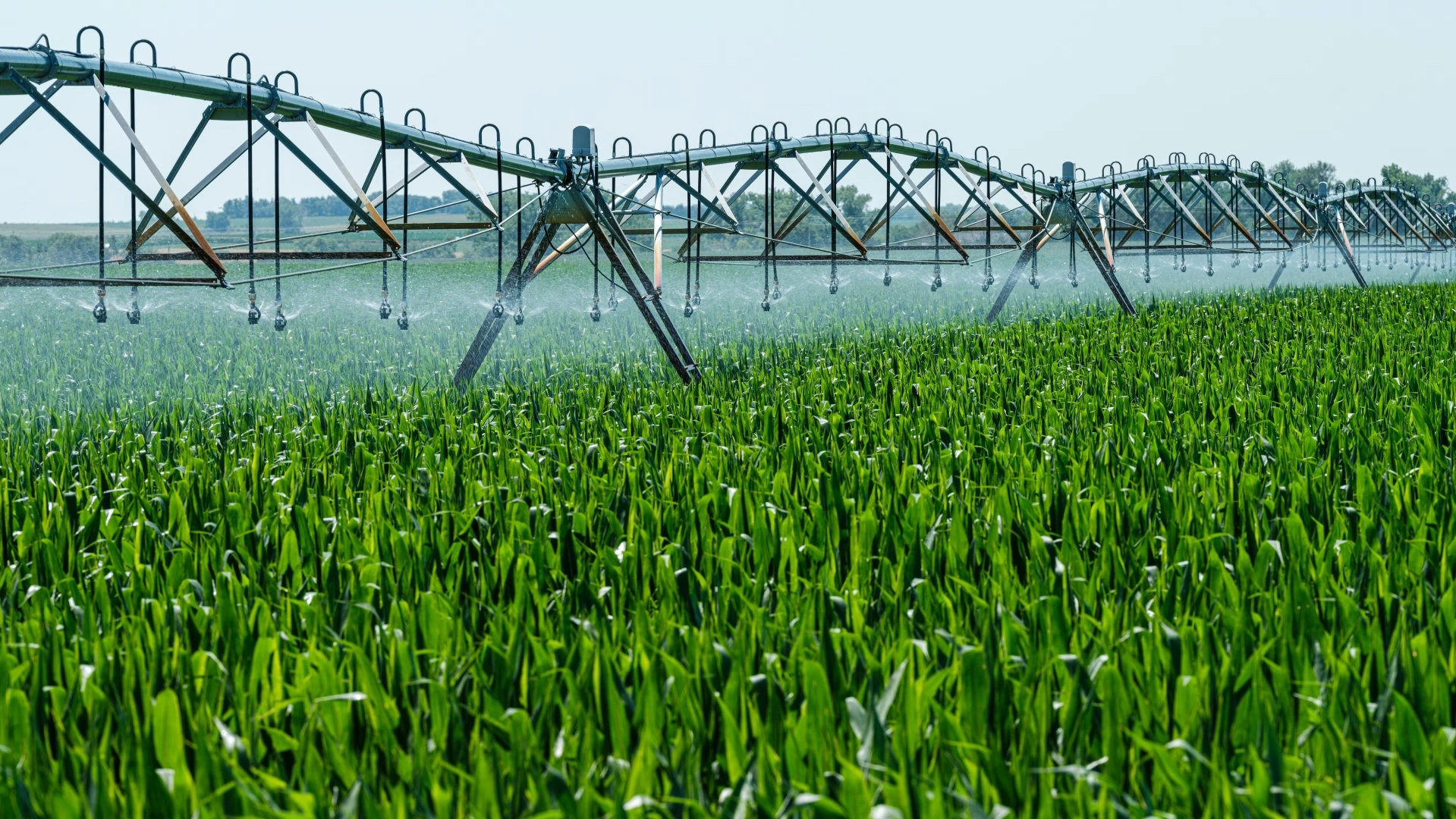
The initiative establishes demonstration sites for modern
irrigation systems - plastic pipelines and drip solutions -
allowing the Bank and its partners to test technologies, adapt them
to local conditions, and assess practical performance. At least 180
specialists will be trained, creating the skilled workforce needed
for regional deployment.
"This makes the project a practical proof of concept for future
regional production. It will show which technologies work best in
local conditions, what technical standards are required, what
skills farmers and water-sector specialists need, and how equipment
can be installed, operated, and serviced at scale," the source
explained.
The representative emphasized that Central Asia currently spends
an estimated $140-320 million annually on imported irrigation
equipment. By 2040, up to 2 million new units may be needed,
creating a potential $426 million per year market for locally
produced systems.
"The Kazakhstan-based pilot therefore helps answer a practical
industrial question: which technologies can be standardized,
produced, installed, and serviced locally at scale," the source
noted.
Successful technologies and operating models from Kazakhstan
could be scaled nationally and eventually shared across Central
Asia through UNDP offices in Uzbekistan, Kyrgyzstan, and other
countries, laying the foundation for a regional irrigation
manufacturing industry.
"By validating technologies, technical standards, operating
models, and user demand in Kazakhstan, the project can create the
basis for regional production of efficient irrigation equipment.
Successful solutions tested in Kazakhstan can be scaled first
nationally and then shared with other Central Asian countries
through cooperation with UNDP offices in Uzbekistan, Kyrgyzstan,
and the wider region," the source concluded.