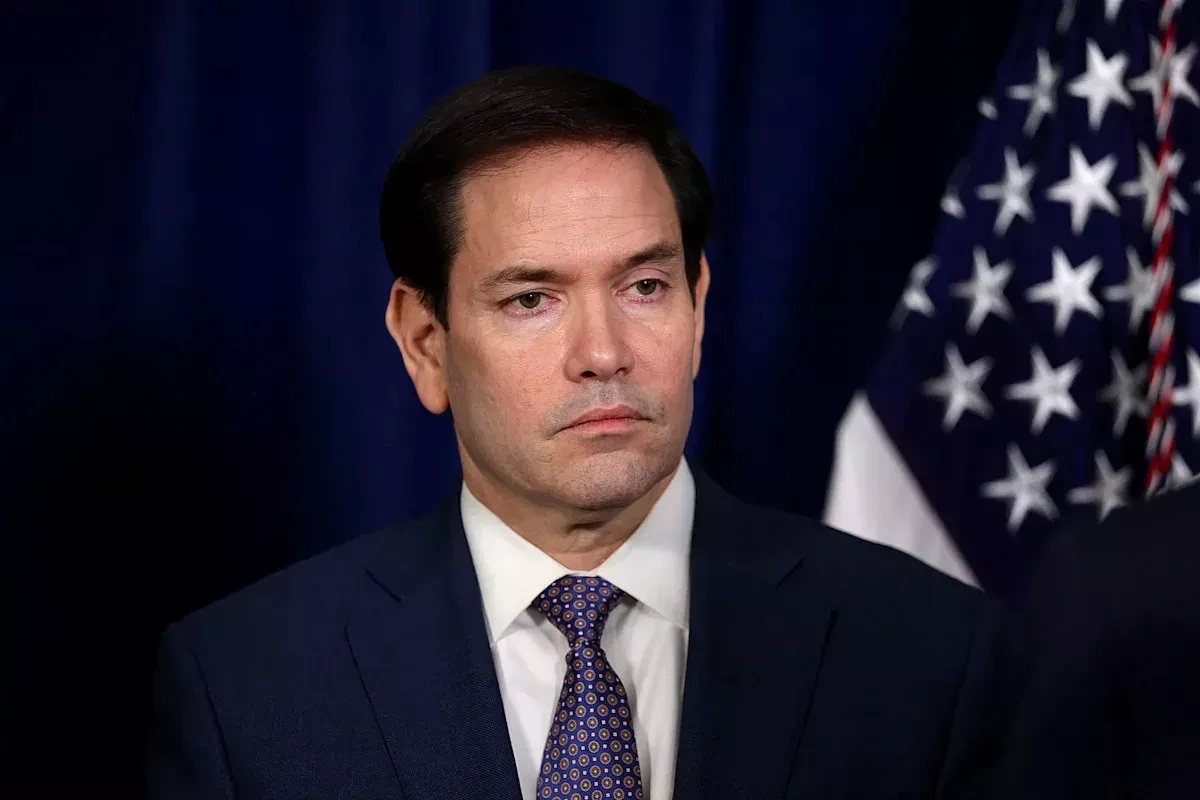
China has said it will not block US Secretary of State Marco Rubio from entering the country despite earlier sanctions against him, as he travels with US President Donald Trump on a high-profile visit to Beijing.
As a US senator, Rubio had “fiercely championed human rights in China,” prompting Beijing to impose sanctions on him twice, according to official statements. Those measures included an entry ban, part of a broader set of retaliatory steps targeting US lawmakers critical of China’s policies on Xinjiang and Hong Kong, Caliber.Az reports, citing foreign media.
Speaking on May 12, Chinese embassy spokesperson Liu Pengyu said: “The sanctions target Mr. Rubio's words and deeds when he served as a US senator concerning China.”
Despite the sanctions, Chinese officials confirmed that Rubio would not be barred from entry during the current visit, marking a notable diplomatic accommodation as US-China engagement resumes at senior levels.
According to diplomatic sources, Beijing had already developed a workaround after Trump appointed Rubio as secretary of state, including subtle changes in the Chinese transliteration of his surname—reportedly replacing the character used for “Lu” to avoid enforcement complications tied to the original sanction listing.
Shortly before Rubio took office in January 2025, Chinese state media began using a revised version of his name in official documents, a move some diplomats described as a practical solution to facilitate contact while formally maintaining sanctions.
A State Department official confirmed only that Rubio was travelling with Trump, who is the first US president in nearly a decade to make an official visit to China.
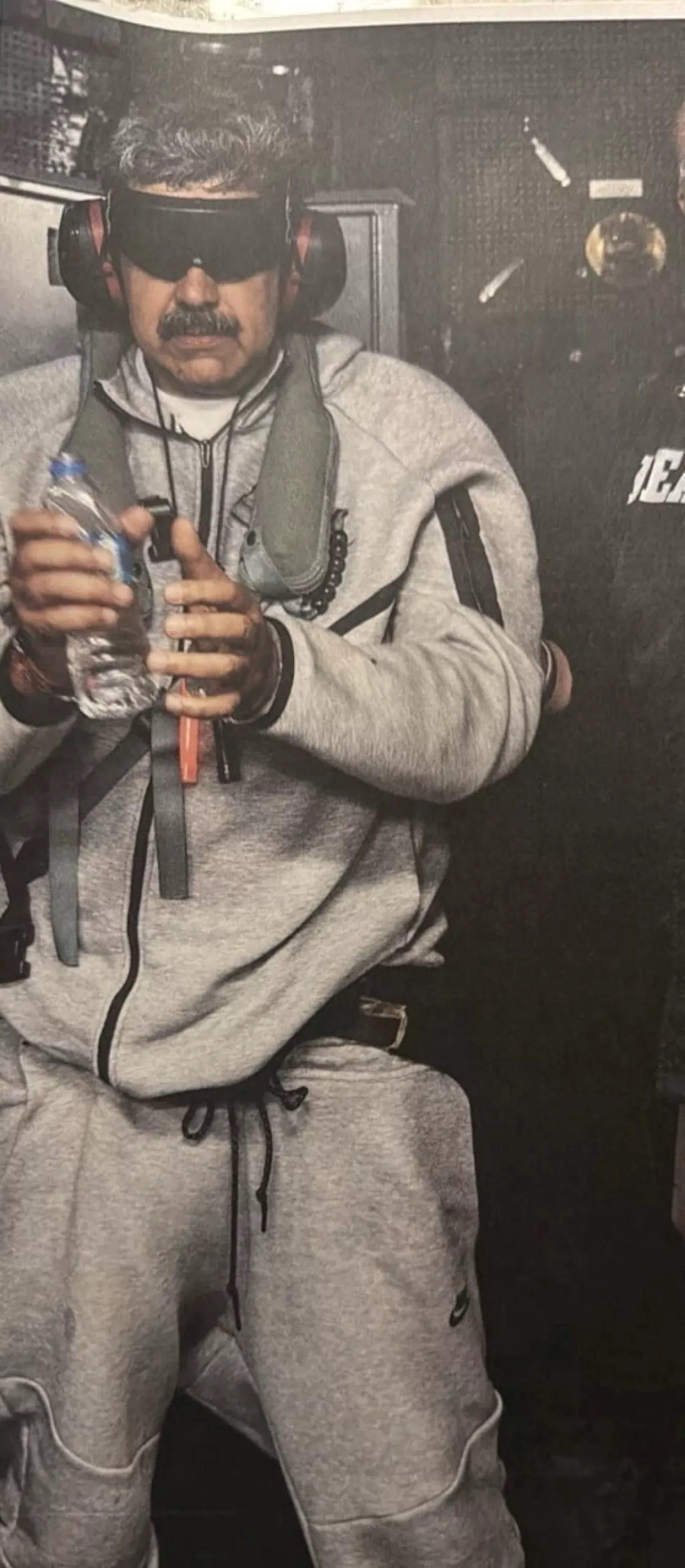
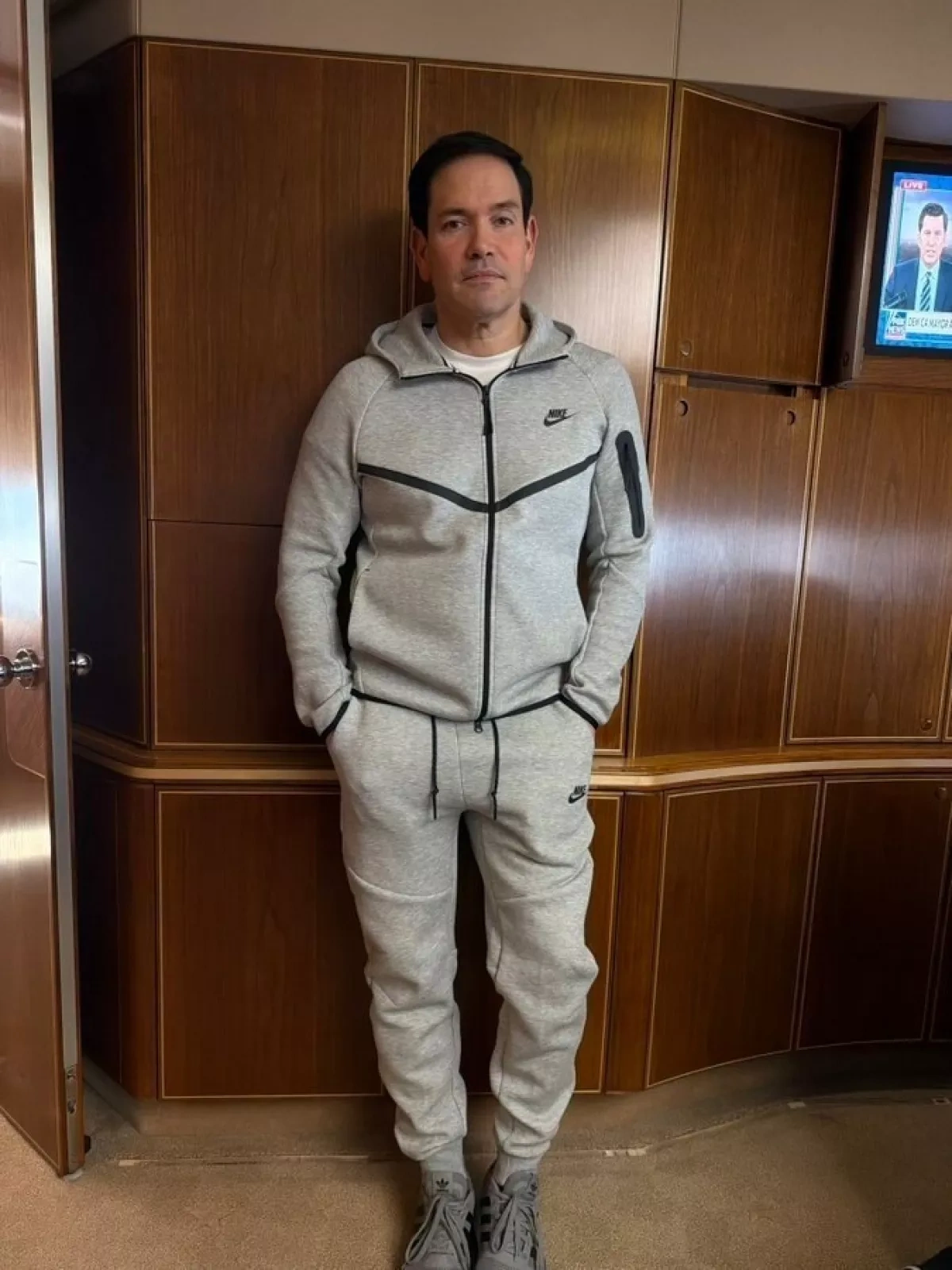
Rubio’s presence on Air Force One also drew attention online after a White House photo showed him in a Nike tracksuit similar to the one worn by Venezuela’s ousted president, Nicolás Maduro, when he was captured by the U.S. military in January.
A Cuban-American politician known for his strong anti-communist stance, Rubio was a key author of legislation imposing sanctions on China over forced labour of Uyghur Muslims in Xinjiang and has been a vocal critic of Beijing’s policies in Hong Kong.
While he previously described China as an “unprecedented adversary,” Rubio has since aligned more closely with the Trump administration’s emphasis on trade engagement with Beijing, even as Washington continues to raise human rights concerns.
By Sabina Mammadli