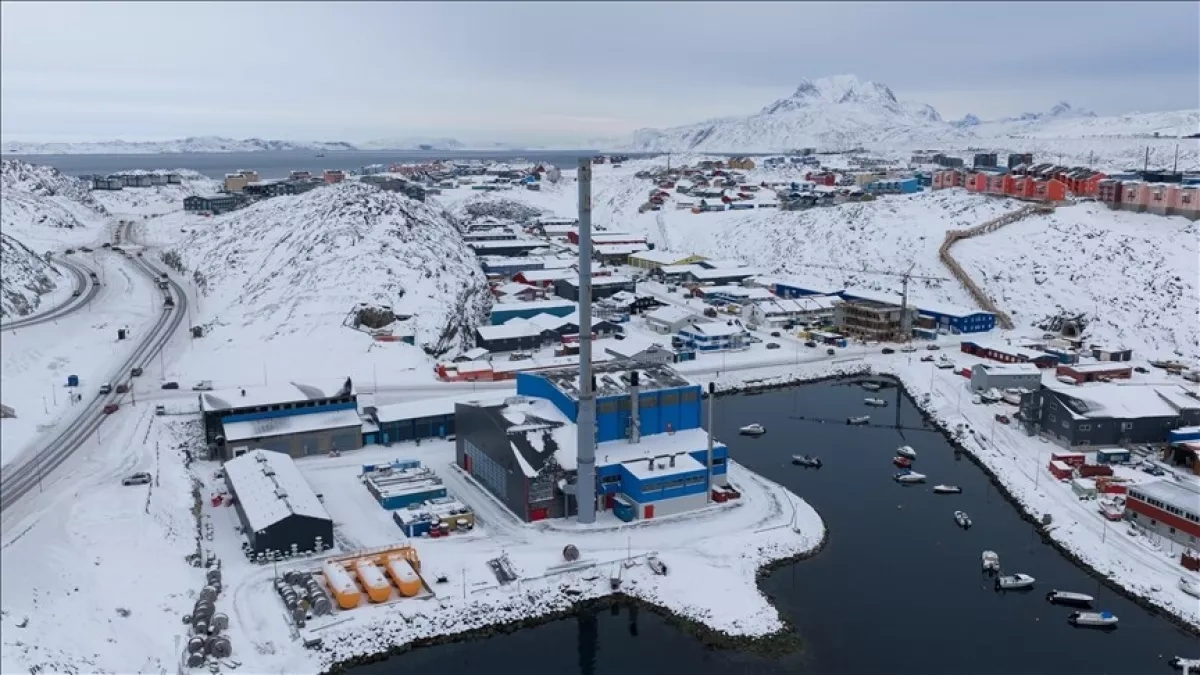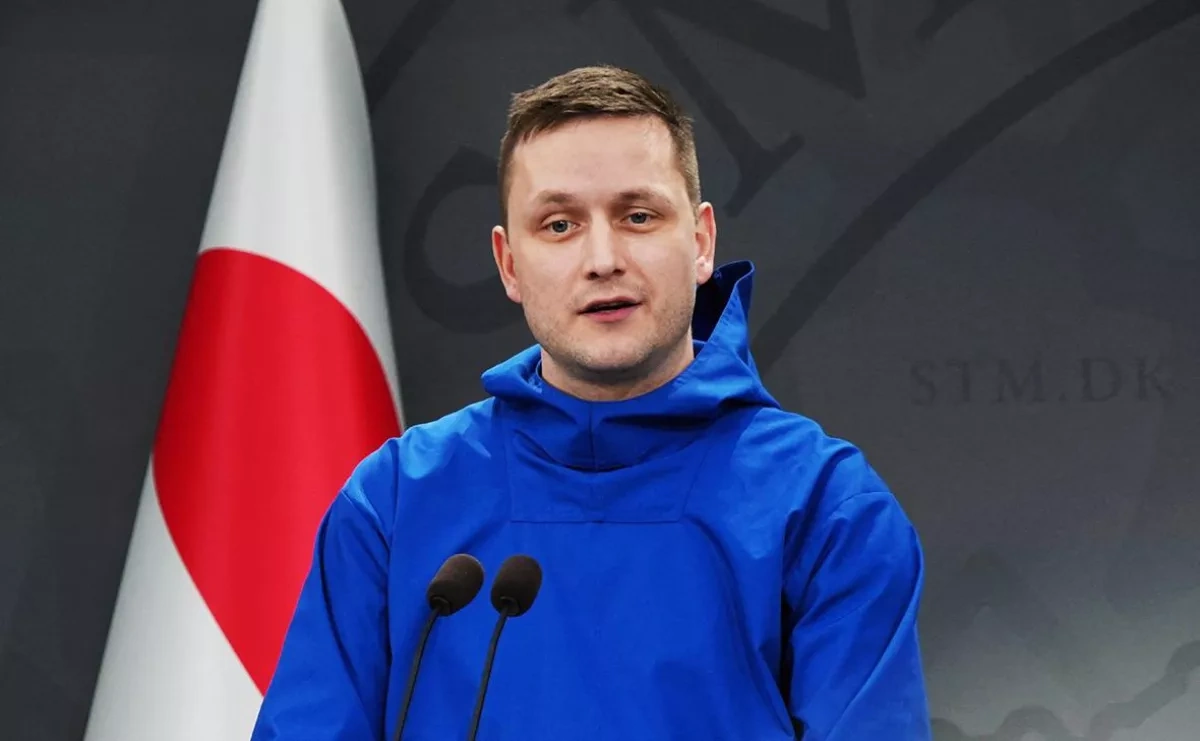
Greenland’s prime minister, Jens-Frederik Nielsen, said on Tuesday, May 12, that a potential increase in the U.S. military presence on the Arctic island is part of ongoing negotiations with the United States, as Washington’s interest in acquiring or controlling the territory continues to shape discussions.
U.S. President Donald Trump has repeatedly asserted that the United States should acquire or control Greenland, a semi-autonomous territory of Denmark. His position has fueled tensions between Washington, Nuuk, and Copenhagen, as well as within the broader NATO alliance.
“From the beginning, one of the issues has been that they don't think we do enough in terms of national security and surveillance in our region, so security and more military presence in Greenland is part of the discussions,” Nielsen told reporters in Copenhagen, as per Reuters.
Efforts to de-escalate tensions led Greenland, Denmark, and the United States earlier this year to agree on high-level diplomatic negotiations, though no final outcome has yet been announced. Nielsen expressed cautious optimism about reaching a resolution.
“The desire is not gone and we need to make some kind of deal in that working group and I am positive that we can figure it out,” he said, referring to Trump’s continued interest in Greenland.
According to a report by the BBC, U.S. officials involved in the talks have indicated plans to open three new military bases in southern Greenland. One source said Washington had even floated the idea of designating these facilities as U.S. sovereign territory.
Nielsen noted that an expansion of the U.S. presence could take place within existing frameworks. “Right now we have a defence agreement with the United States where it's already possible to have more bases,” he said, adding that while the current arrangement provides one option, alternative formats could also be considered.
Greenland has consistently stated that it is open to expanded military and economic cooperation with the United States, including in the development of mineral resources, but has emphasised that its sovereignty is not open to negotiation.
At present, the United States operates one active installation on the island, the Pituffik Space Base in the northwest. This is a significant reduction from the roughly 17 facilities that existed in 1945, when thousands of U.S. personnel were stationed across Greenland.
Gregory Guillot, head of U.S. Northern Command, first disclosed the proposal to establish three additional bases during Senate testimony in March. He visited Copenhagen last week, according to a post by the U.S. embassy.
Local media have identified two of the potential locations as Narsarsuaq in the south and Kangerlussuaq in the southwest—both former U.S. bases with existing airstrips and port infrastructure. A third site has not been publicly named.
The airport manager in Narsarsuaq confirmed to Reuters that a U.S. envoy from the embassy in Copenhagen recently inspected local facilities, including the runway and harbor, to assess whether they could be reactivated.
Sources have said that any expansion would likely be negotiated under the 1951 U.S.-Danish defense agreement, which grants Washington broad military access to Greenland. Experts note that Denmark has limited practical ability to block U.S. requests under this framework, which was updated in 2004 to include Greenland as a formal signatory.
Meanwhile, Trump envoy Jeff Landry is expected to visit Greenland next week to attend a business conference. There has been no confirmation that he will meet with Greenlandic political leaders.
By Tamilla Hasanova